Şanlıurfa
"Şanlıurfa is the only city I've visited where the local legend and the archaeological record are separated by roughly eleven thousand years and neither one apologizes for it."
The legendary birthplace of Abraham, gateway to Göbekli Tepe, and a city so devoted to its own sacred carp that they've never once been eaten.
Şanlıurfa carries an honorific — “Şanlı,” meaning glorious or honored, added to its name for the city’s fierce resistance during the Turkish War of Independence — and everyone here uses the full title, unprompted, with a note of pride that told me more about the place than any plaque could. Locals simply call it Urfa. I arrived by bus from Gaziantep expecting a stopover on my way to Göbekli Tepe and ended up staying three nights.
Balıklıgöl and the birthplace of Abraham
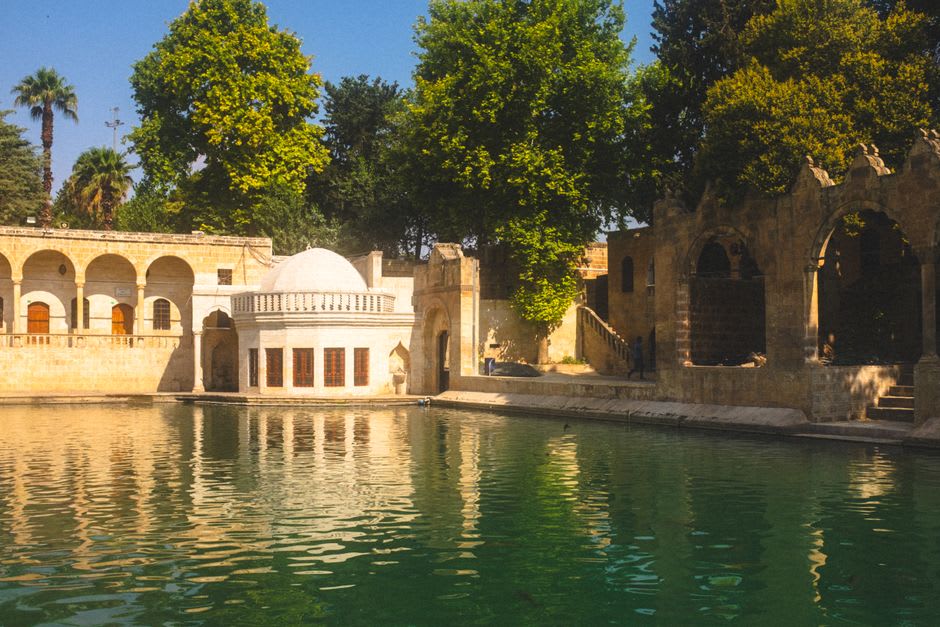
The heart of the old city is Balıklıgöl, the “pool of sacred fish,” set in a lush garden beneath a rock face and a hilltop citadel. Local legend holds that this is where the prophet Abraham was thrown onto a pyre by King Nimrod, and that God turned the fire into water and the burning coals into fish to save him — which is why the pools today are thick with thousands of sacred carp that no one has eaten in living memory, fed instead by pilgrims tossing pellets bought from stalls along the water. I stood at the edge watching the water practically boil with fish, next to a family who had traveled from Konya specifically for this, and felt the particular vertigo of standing inside a story rather than just hearing about one. The Dergah mosque complex and the cave said to be Abraham’s birthplace sit right at the pool’s edge, and the whole scene, framed by cypress trees and the old citadel walls above, is one of the most quietly moving religious sites I’ve seen anywhere.
Göbekli Tepe and the bazaar
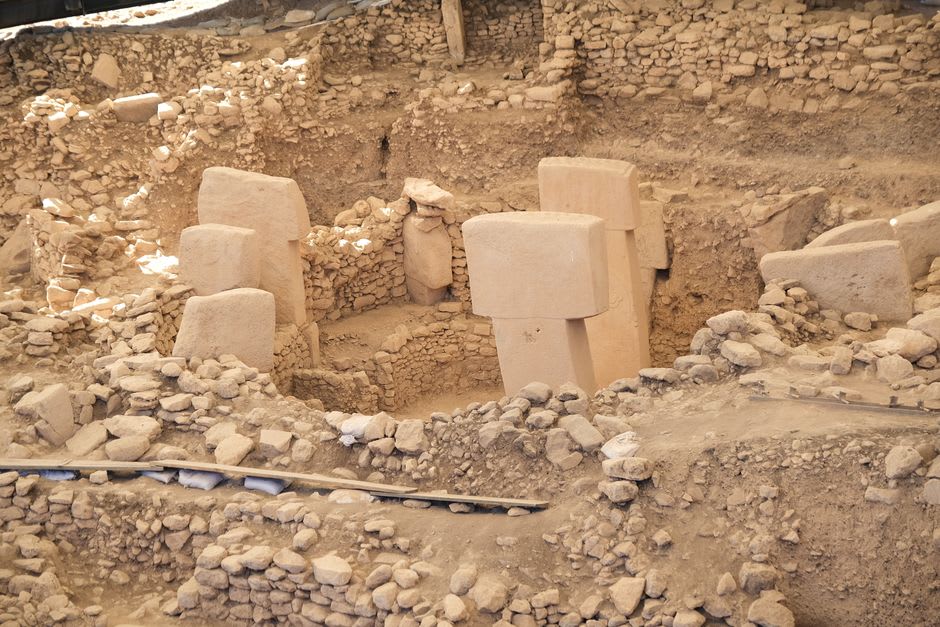
Şanlıurfa is also the gateway to Göbekli Tepe, the site that rewrote the opening chapters of human history — T-shaped megalithic pillars carved with animals, erected by hunter-gatherers roughly eleven thousand years ago, predating both agriculture and Stonehenge by six millennia. I took a taxi out one morning and stood on the walkway above the excavated enclosures with almost no one else around, trying and failing to properly absorb the timescale involved. It rearranges something in your head, standing in front of monumental architecture built by people who hadn’t yet invented farming.
Back in town, the covered bazaar and the old stone houses of the Balıklıgöl quarter make for some of the best wandering in southeastern Turkey, and Urfa’s cuisine — the fiery, cumin-heavy isot pepper native to the region, çiğ köfte served in lettuce wraps, lahmacun thinner and spicier than anywhere else in the country — gives Gaziantep real competition for the region’s culinary crown.
When to go: March to May or September to November. Urfa sits on the edge of the Mesopotamian plain and summer heat is extreme, often exceeding 40°C, which makes visiting Göbekli Tepe at midday genuinely unpleasant.
Keep exploring
More from Turkey
 turkey
 Selcuk
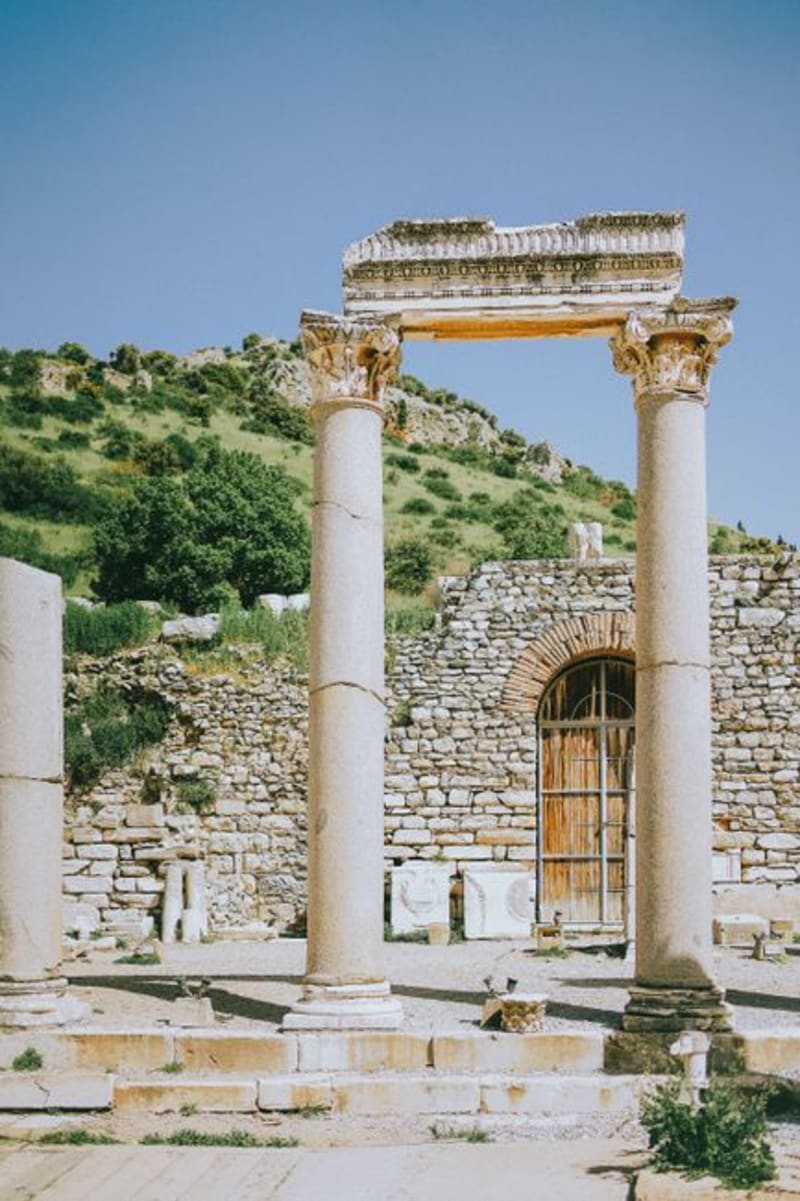
The unpretentious base town for Ephesus, where storks nest on ancient columns and a single fallen pillar is all that remains of a Wonder of the World.
Explore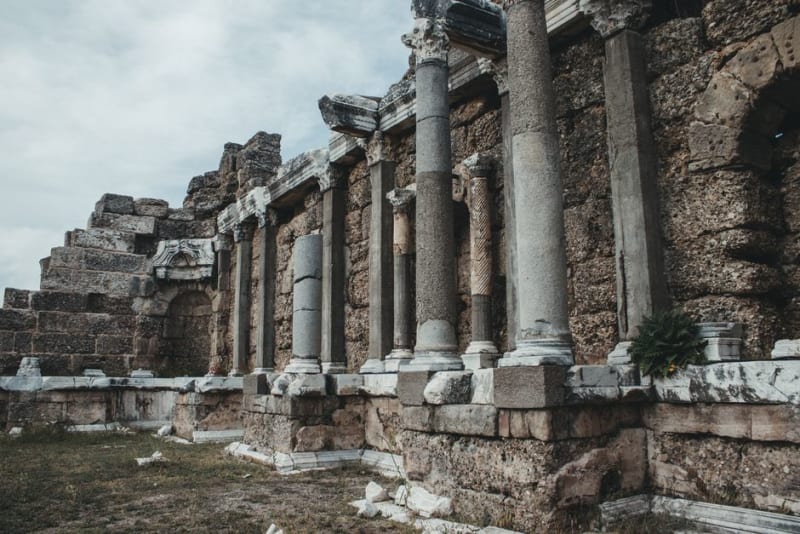 turkey
 Side
A resort town built inside a Roman ruin, where the Temple of Apollo's columns silhouette against the sea at the exact hour everyone gathers to watch.
Explore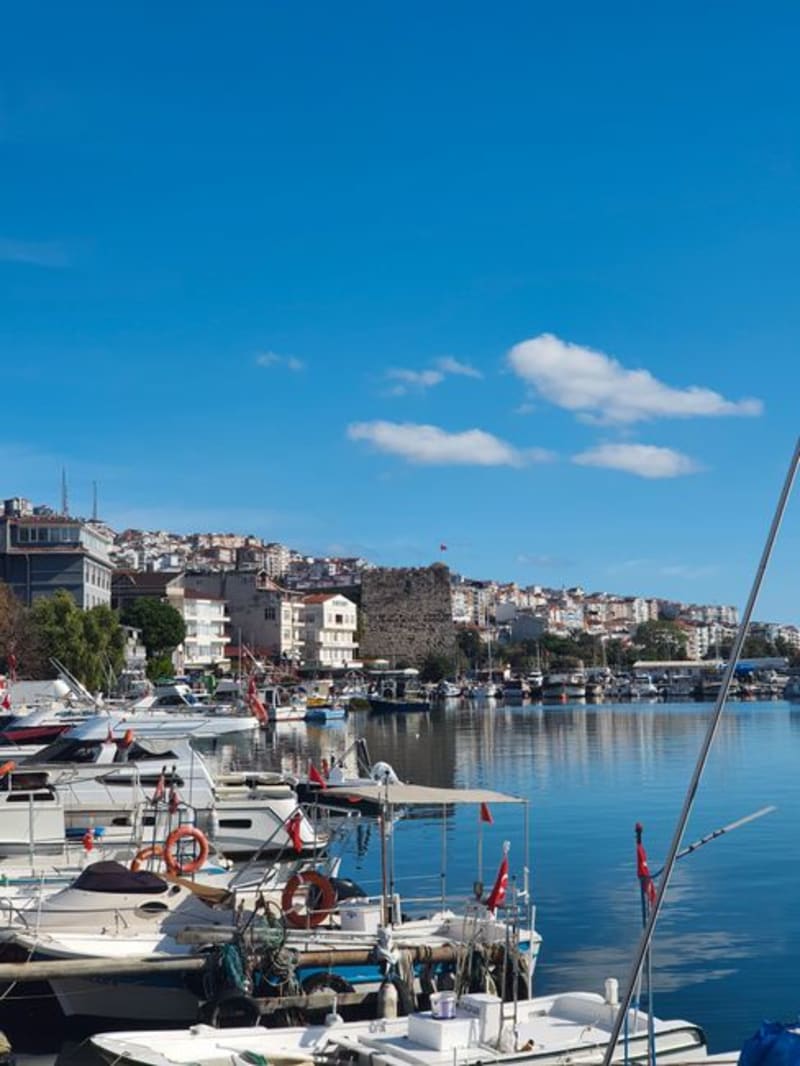 turkey
 Sinop
The northernmost tip of Anatolia, birthplace of Diogenes and home to a Byzantine prison-fortress, where the Black Sea feels genuinely like the edge of the world.
Explore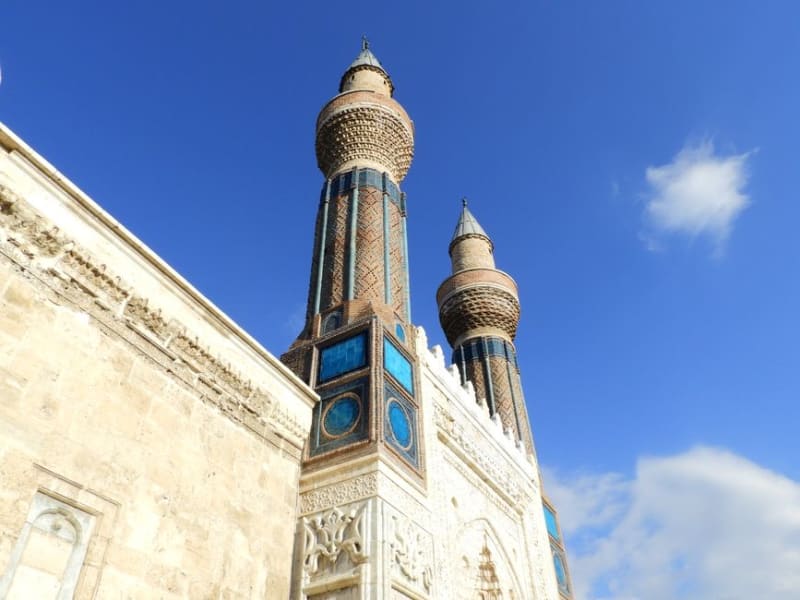 turkey
 Sivas
A Seljuk architectural powerhouse and the town where modern Turkey quietly began, its congress hall as important as its carved stone portals.
Explore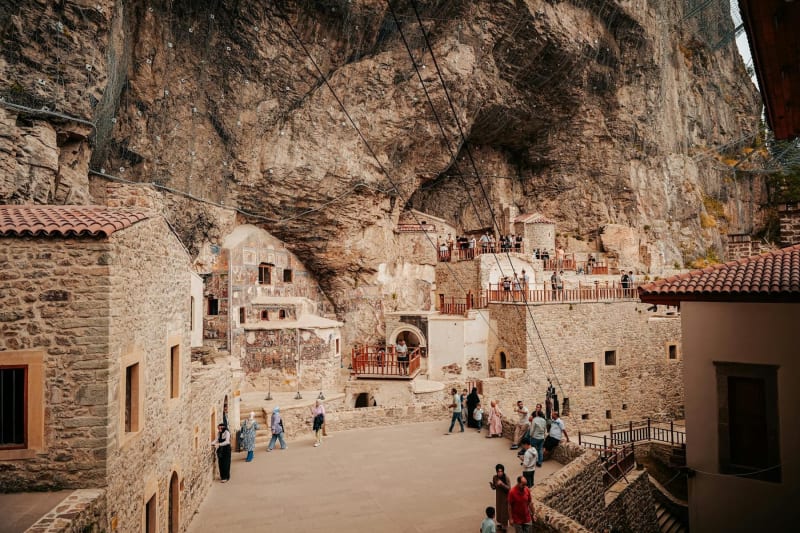 turkey
 Sumela Monastery
A 4th-century Byzantine monastery clings to a sheer cliff face in the Black Sea Mountains, vivid with frescoes.
Explore turkey
 Trabzon
A Black Sea port city where misty green mountains hide cliff-face monasteries and the cuisine is unlike anywhere else in Turkey.
Explore