Miletus
"Thales looked at this harbor and tried to explain the universe. The harbor is a swamp now, and I understand the impulse better than ever."
The birthplace of Western philosophy and a once-thriving Ionian port, now stranded miles from the sea it built its fortune on.
There’s a particular kind of vertigo that comes from standing in what was once one of the busiest ports in the ancient Mediterranean and seeing, in every direction, nothing but reeds, irrigation ditches, and a flat green plain grazed by a few unbothered cows. That’s Miletus. The Büyük Menderes river has been dumping silt into this bay for two thousand years, and the harbor that once launched trading ships to Egypt and the Black Sea is now agricultural land, ten kilometers from open water. I stood at the edge of the old harbor monument — a marble lion still guards where the water used to lap against the quay — and just tried to reconstruct the scene in my head. It didn’t fully work. The geography has changed too much.
Miletus mattered because it thought before almost anywhere else did. This is the birthplace of Thales, generally credited as the first Western philosopher, along with Anaximander and Anaximenes — the three of them effectively founded a tradition of asking what the world is made of without automatically reaching for a god as the answer. Walking the site, past the foundations of the agora and the bouleuterion where the city council met, I found myself oddly moved by the idea that this specific patch of ground, now half-flooded and mostly empty, is where somebody first tried to explain lightning without Zeus.
The Theater That Refused to Be Forgotten
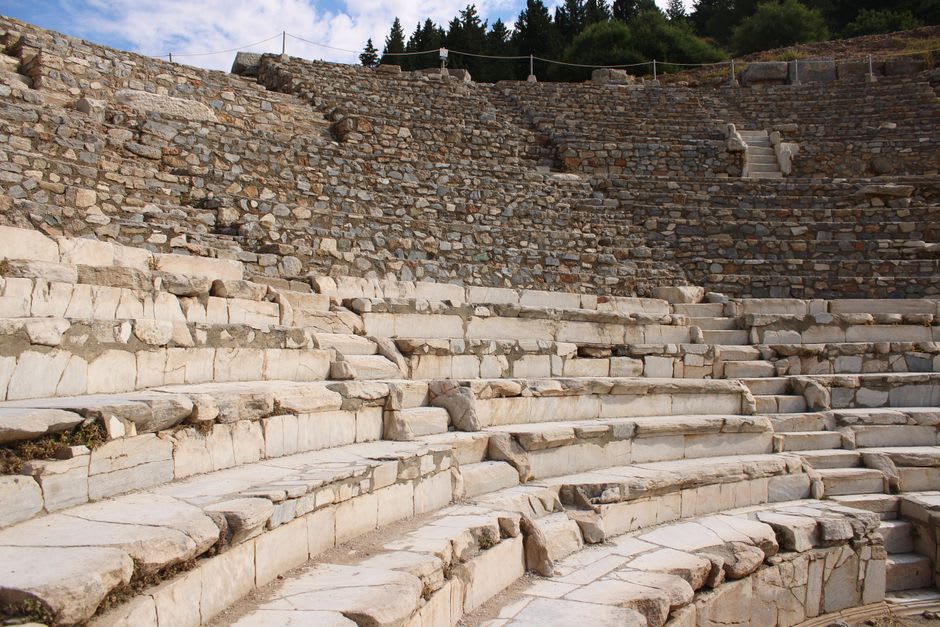
The Roman theater at Miletus is the reason most people who do visit, visit. It’s enormous — nearly fifteen thousand seats carved into and built up against a low hill, one of the best-preserved Roman theaters on the Anatolian coast, and unlike Ephesus’s theater, you can usually climb it in near solitude. I sat close to the top, where a Byzantine-era fortification wall (built from repurposed theater stone once the city had shrunk) still crowns the structure, and looked out over the marshland where the port used to be. A stork had built a nest on one of the surviving pillars. It felt like the right kind of witness.
A City That Kept Getting Rebuilt
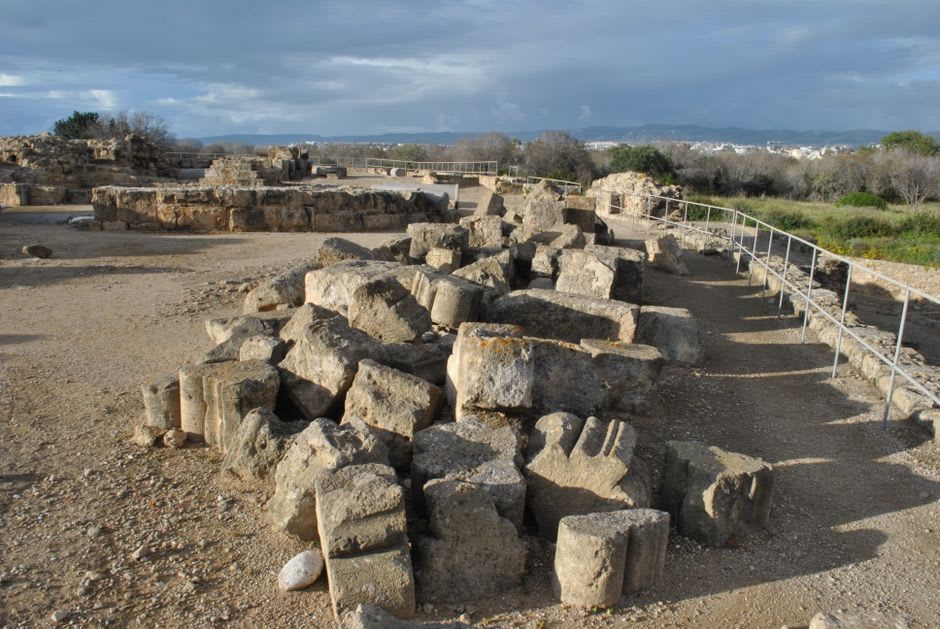
What’s easy to miss at Miletus is how many times this city was destroyed and remade — sacked by the Persians, rebuilt by the Ionians on a grid plan that influenced Priene’s, absorbed into Alexander’s empire, flourishing again under Rome, and finally abandoned as the harbor silted shut and the plague and Arab raids emptied it in the early medieval period. Every layer is still visible if you know where to look: a Seljuk-era caravanserai sits almost incongruously near the Roman baths, a reminder that this ground kept being useful to somebody, century after century, even after the sea gave up on it.
When to go: Spring or early autumn, and go early — the site has almost no shade and the surrounding wetlands trap heat and mosquitoes badly by mid-morning in summer. Pair it with Priene and Didyma for the full arc of the Ionian coast’s vanished harbors.
Keep exploring
More from Turkey
 turkey
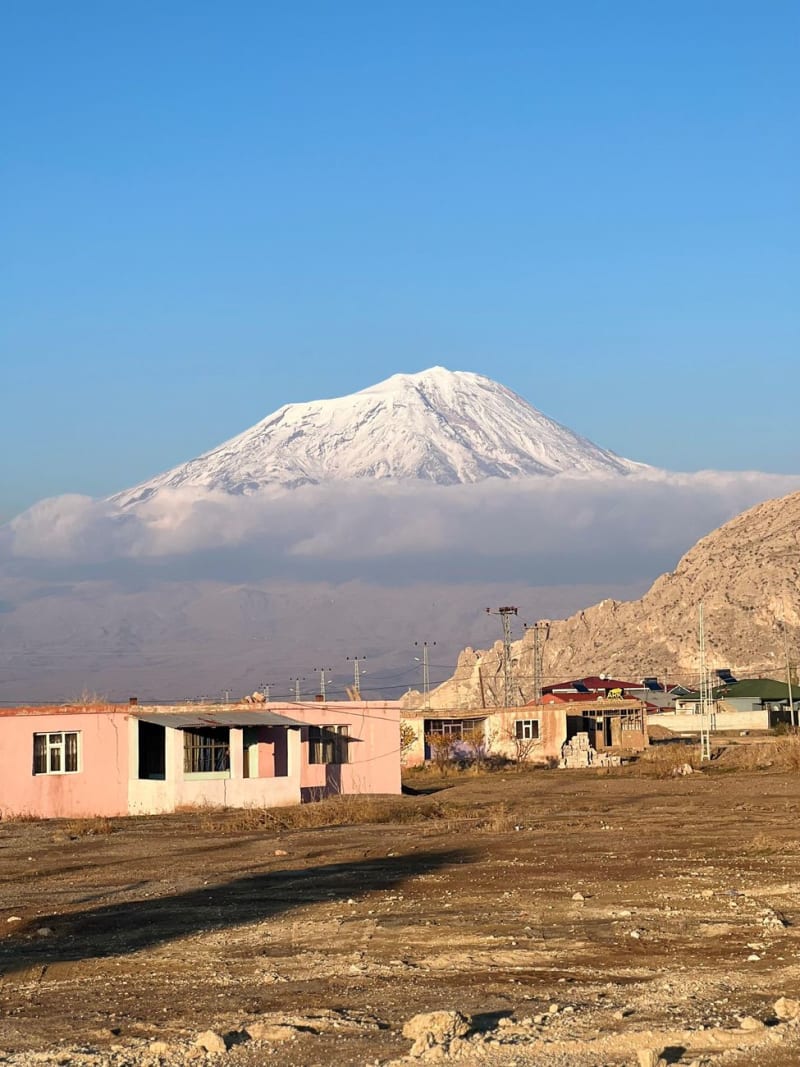
 Mount Ararat
Turkey's highest peak, a lone snow-capped volcano rising 5,137 metres above the far-eastern plains near the Armenian and Iranian borders, freighted with the legend of Noah's Ark.
Explore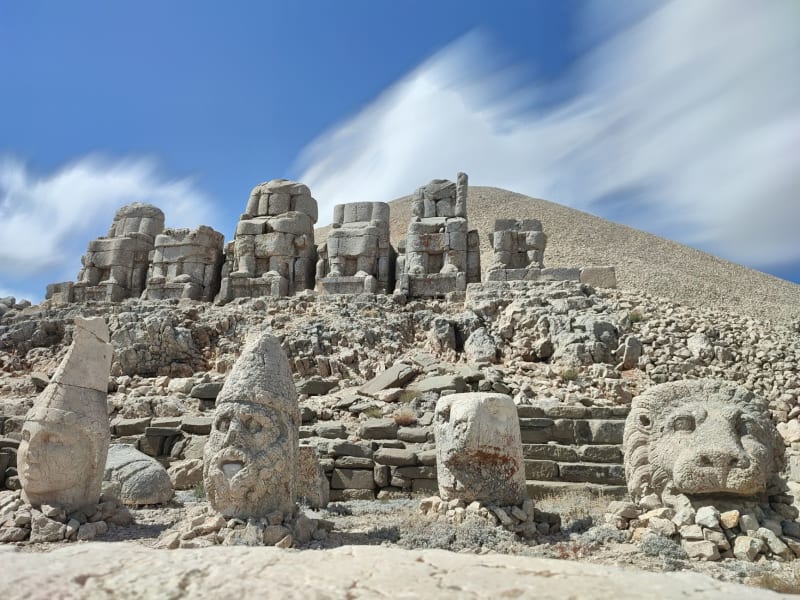 turkey
 Mount Nemrut
Giant stone heads of gods and kings crown a 2,000-year-old royal tomb at 2,100 metres — best seen at sunrise.
Explore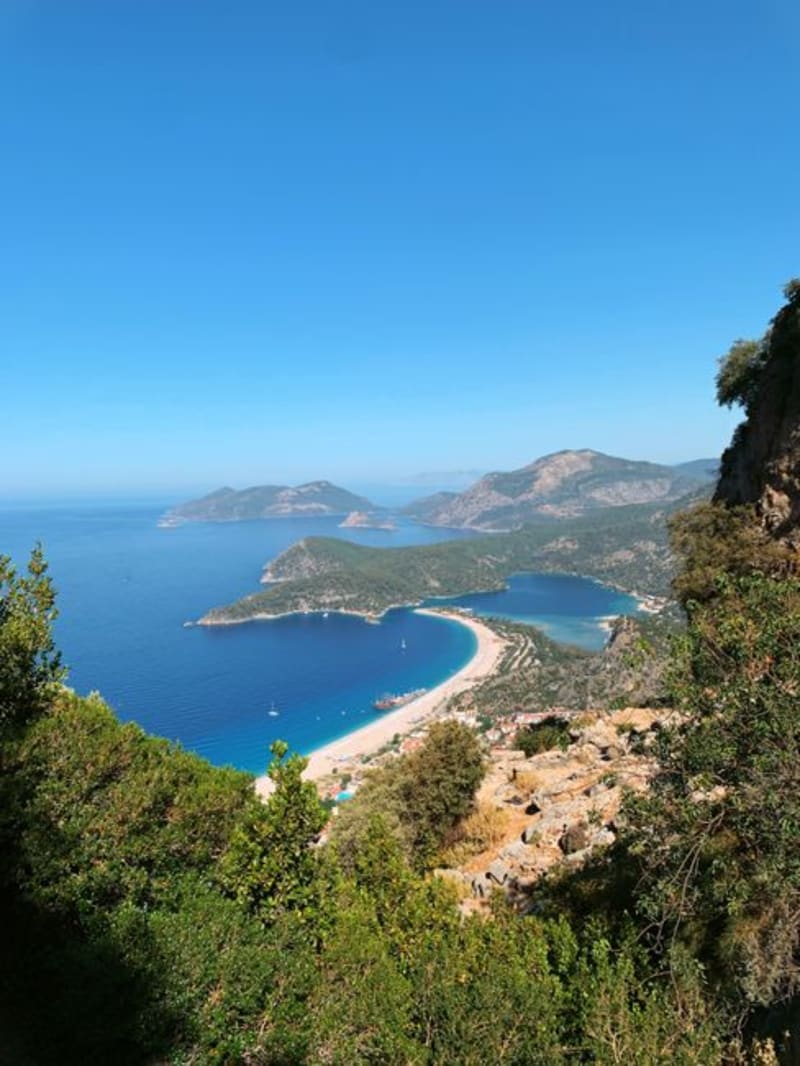 turkey
 Ölüdeniz
The Blue Lagoon beach beneath Babadağ mountain, one of the world's premier paragliding launch points, where parachutes drift down over impossibly turquoise water.
Explore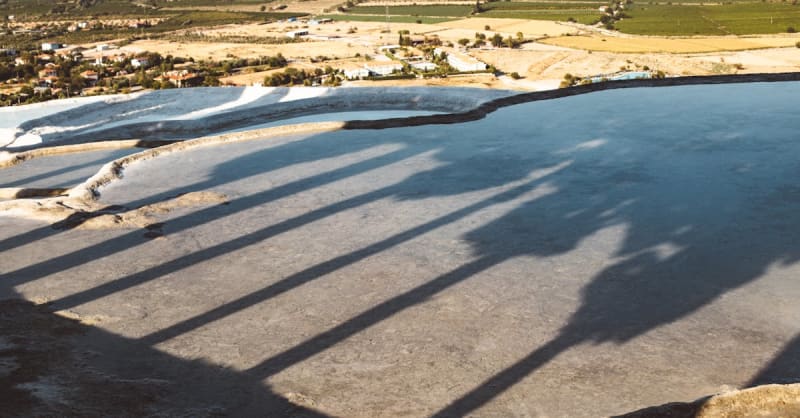 turkey
 Pamukkale
Cascading white thermal terraces that look like frozen waterfalls, crowned by the ruins of an ancient Roman spa city.
Explore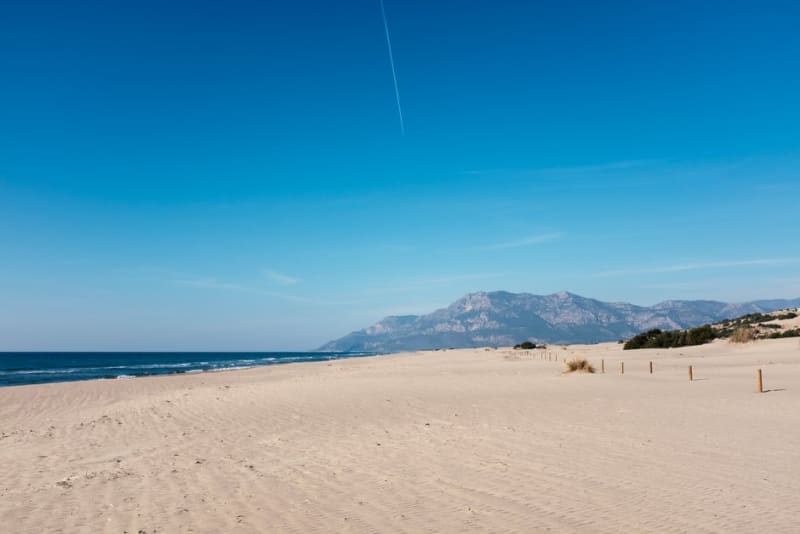 turkey
 Patara
Eighteen kilometers of undeveloped Mediterranean sand backed by a lost Lycian capital, where sea turtles still come ashore to nest undisturbed.
Explore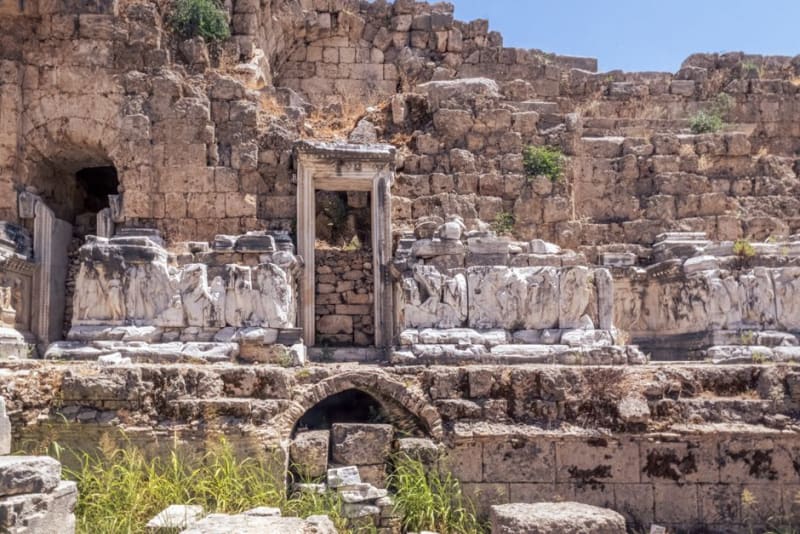 turkey
 Perge
A sprawling, half-empty Roman city near Antalya where a colonnaded street and a chariot-worn stadium sit under open sky, ignored by the crowds at Ephesus.
Explore