Turkey's purpose-built capital trades Istanbul's theater for something quieter and more sincere — a working city built around the memory of one man.
I nearly skipped Ankara. Every Turkish friend in Istanbul had the same reaction when I mentioned it — a small grimace, a “why would you.” Ankara has a reputation as the sensible sibling: a planned capital, all ministries and roundabouts, none of the Bosphorus glamour. But I had two days between flights and a stubborn habit of visiting capitals, so I went, and what I found was a city that felt more honest about what modern Turkey actually is than Istanbul, with its Ottoman theater, ever quite manages to.
Anıtkabir
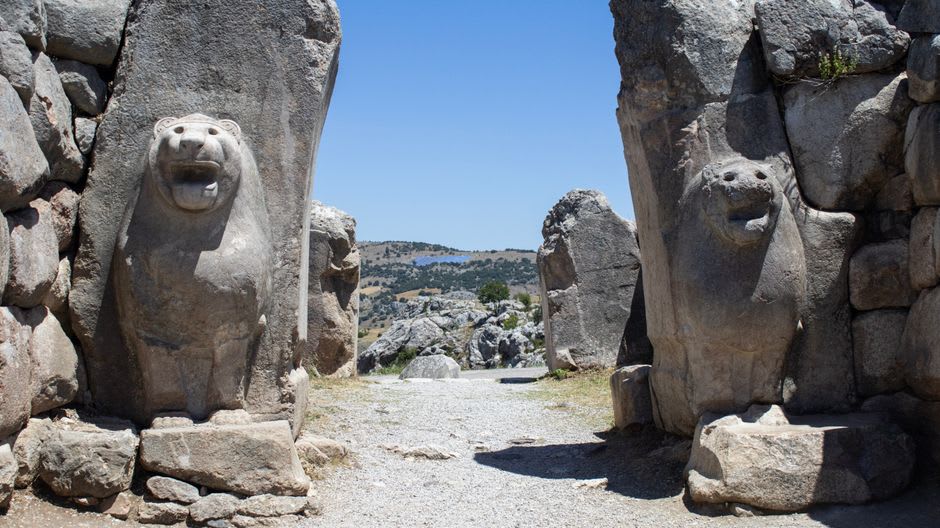
Nothing prepares you for the scale of Anıtkabir. It sits on a hill above the city, reached by a long ceremonial road called the Lion Road, flanked by stone lions in a stripped-down neoclassical style that owes something to both ancient Anatolia and 1930s state architecture. The mausoleum itself is a vast colonnaded hall, and inside it, beneath forty tons of marble, lies Mustafa Kemal Atatürk. I watched a school group file past the tomb in total silence, teenagers who would have been rowdy anywhere else standing perfectly still, and I understood something about this country that no guidebook had explained to me: the reverence here isn’t performative nationalism, it’s closer to grief, ninety years old and still fresh. The museum beneath the site holds his cars, his personal effects, and a room of dioramas depicting the War of Independence that a French history teacher would find suspiciously tidy — but the emotional weight of the place is undeniable regardless.
The Museum of Anatolian Civilizations
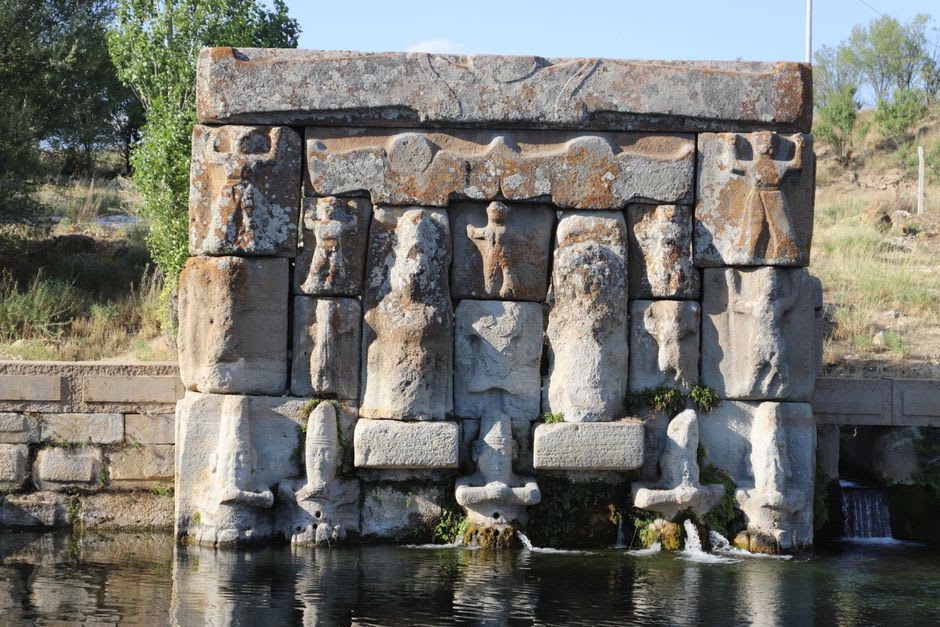
If Anıtkabir is about one man, the Museum of Anatolian Civilizations is about ten thousand years of everyone else. Housed in a restored Ottoman bedesten near the citadel, it holds artifacts from Çatalhöyük, the Hittites, the Phrygians — including King Midas’s own tumulus finds — arranged with a clarity I found almost startling after the crowded chaos of Istanbul’s Archaeology Museum. I stood in front of a Hittite relief of a storm god for a long time, partly out of genuine awe and partly because I was the only person in the room and it felt like a private audience. Ankara’s citadel neighborhood around the museum, all narrow lanes and Ottoman houses climbing the hill, is the one part of the city that indulges in a bit of picturesque charm.
The rest of Ankara is, admittedly, a workaday capital — wide avenues, government buildings, a business-lunch culture that revolves around lokantas serving good, unfussy food to civil servants rather than tourists. I ate the best mantı of my trip in a place near Kızılay with no sign in English and a queue of bureaucrats on their break, and nobody looked at me twice. That, in the end, was the appeal: a Turkish city that isn’t performing for anyone.
When to go: April to June or September to October, when the highland climate is mild — Ankara’s elevation makes it colder in winter and hotter in summer than the coast, with none of the sea to soften either extreme.
Keep exploring
More from Turkey
 turkey
 Antakya (Hatay)
Ancient Antioch, Turkey's most religiously and culturally layered city near the Syrian border, rebuilding after the devastating 2023 earthquake with its distinctive cuisine intact.
Explore turkey
 Antalya
A turquoise coast city where Roman ruins overlook the Mediterranean and the mountains plunge straight into the sea.
Explore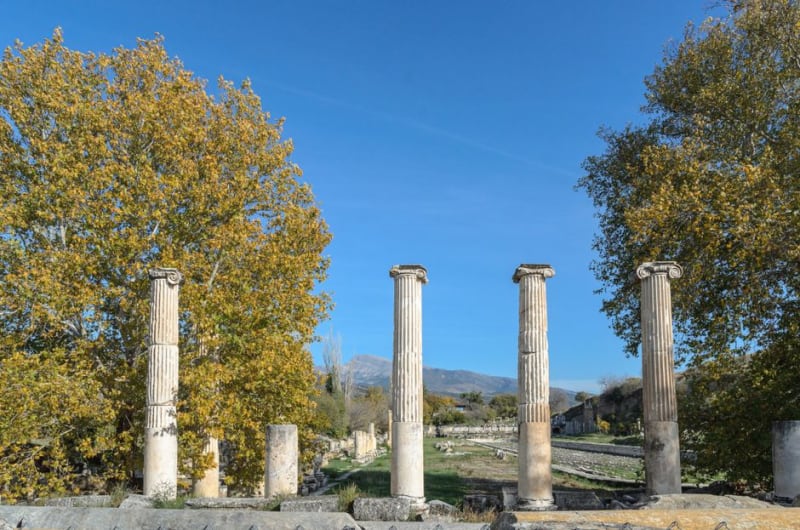 turkey
 Aphrodisias
A Roman city devoted to the goddess of love, where a marble-sculpture school shaped an empire's art and a stadium survives almost intact.
Explore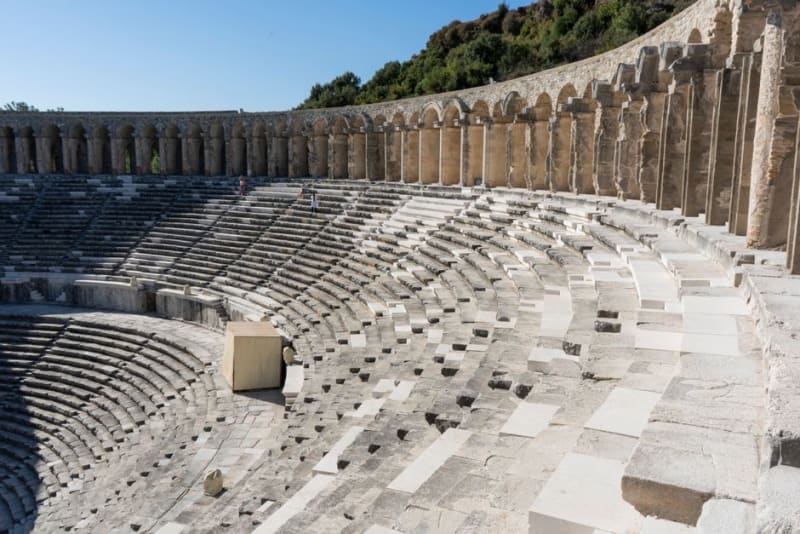 turkey
 Aspendos
The best-preserved Roman theater on earth, engineered so precisely that a whisper on stage still reaches the back row two thousand years later.
Explore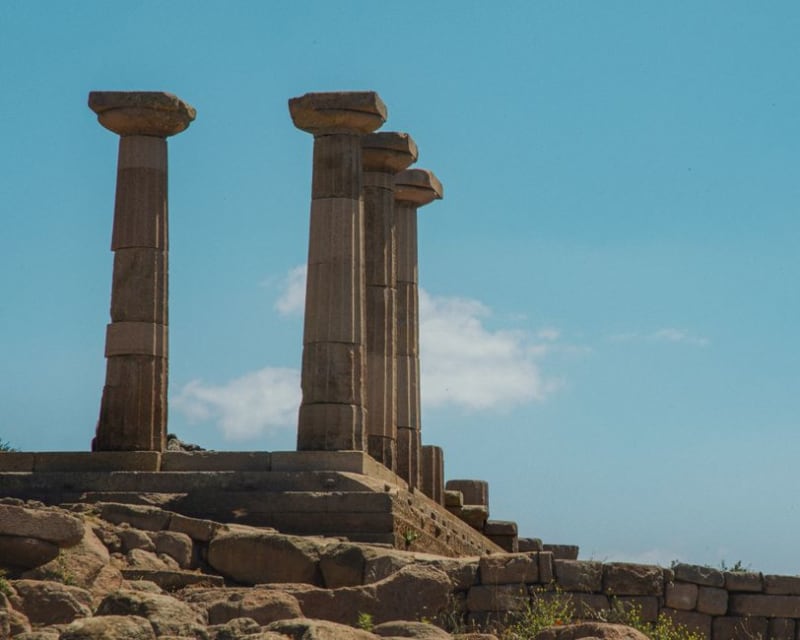 turkey
 Assos
A clifftop ancient city where Aristotle once taught philosophy, its temple staring out across the Aegean toward the Greek island of Lesbos.
Explore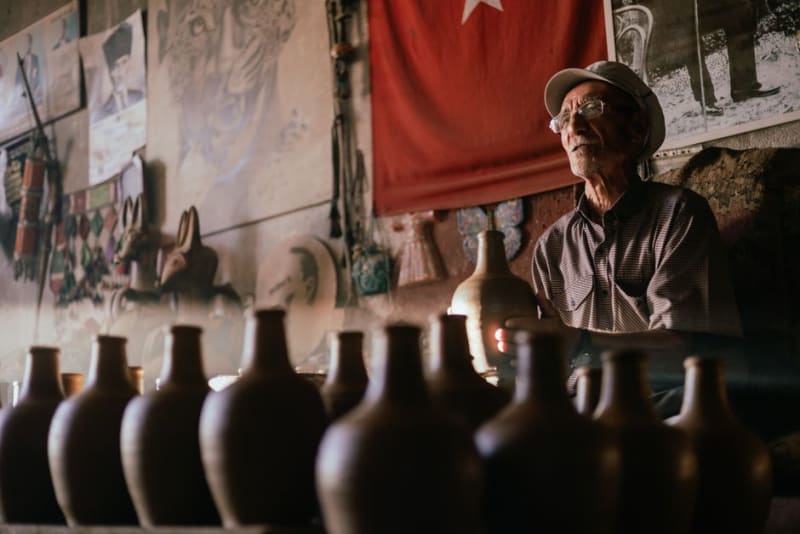 turkey
 Avanos
A red-clay pottery town on the banks of the Kizilirmak, where potters still work foot-powered wheels using techniques traced to the Hittites.
Explore