A Seljuk fortress plunges straight into the Mediterranean above a resort city ringed by banana greenhouses and one impossibly famous beach.
The climb up to Alanya Castle starts unremarkably — switchback roads, tour buses idling, a ticket booth — and then the peninsula narrows and the sea appears on both sides at once, hundreds of feet below, and the whole logic of the place clicks into place. This was a Seljuk stronghold built precisely because the geometry of this rock is nearly impossible to attack. Walking the ramparts, I kept losing the thread of the guidebook history because the view kept interrupting: turquoise on the left, turquoise on the right, and eight kilometers of fortress wall stitching the two together.
Between Cleopatra’s Legend and a Banana Farmer’s Truck
Below the castle sits Cleopatra Beach, named for a legend — that Mark Antony had sand shipped from Egypt as a gift for her — that historians largely dismiss but that nobody in Alanya seems eager to give up. I swam there at seven in the morning before the loungers filled, and the water really is a shade of blue that makes the myth feel plausible even when you know better. By nine it was a different beach entirely: inflatable flamingos, jet-ski operators shouting prices, families staking out territory with towels weighted by sandals.
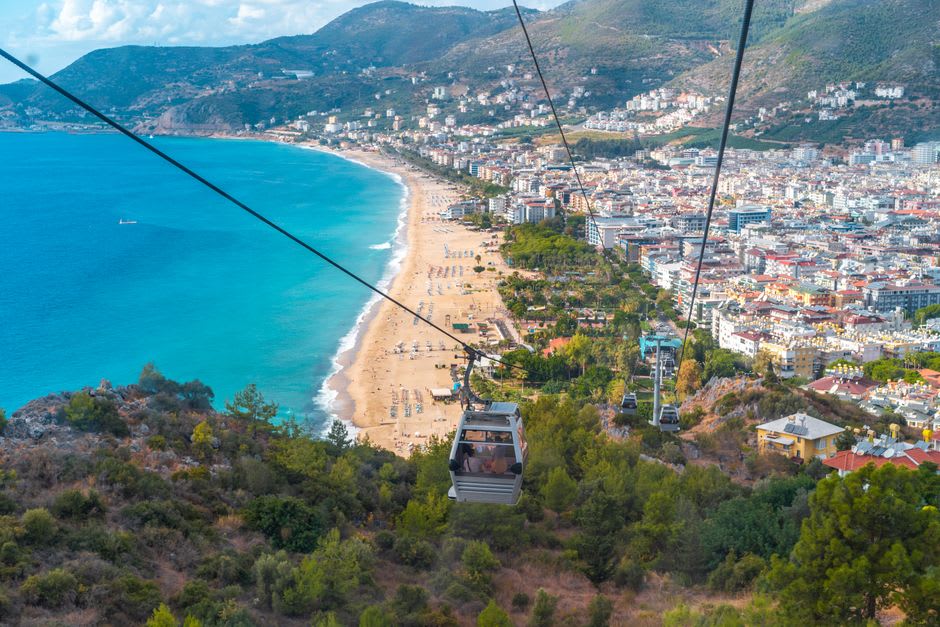
What surprised me was five minutes inland. The tourist strip gives way almost immediately to greenhouses — kilometers of them, growing bananas in a microclimate warm enough that Turkey’s banana industry is centered right here. I stopped at a roadside stand where a farmer named Kemal was selling fruit still slightly green, and he walked me through a greenhouse insisting the local variety was sweeter than anything sold in a supermarket. I bought a kilo. He was right.
The City the Castle Left Behind
Alanya’s Red Tower, an octagonal Seljuk defense structure guarding the old harbor, is the other anchor of the old town, and the harbor beneath it still fills each evening with fishing boats unloading beside gulets loading up day-trippers. I found a small lokanta two streets back from the tourist strip where an older woman served me içli köfte — bulgur shells stuffed with spiced minced meat — without a menu, just what she’d made that day, and it was better than anything I’d been offered at the beachfront restaurants advertising in four languages.
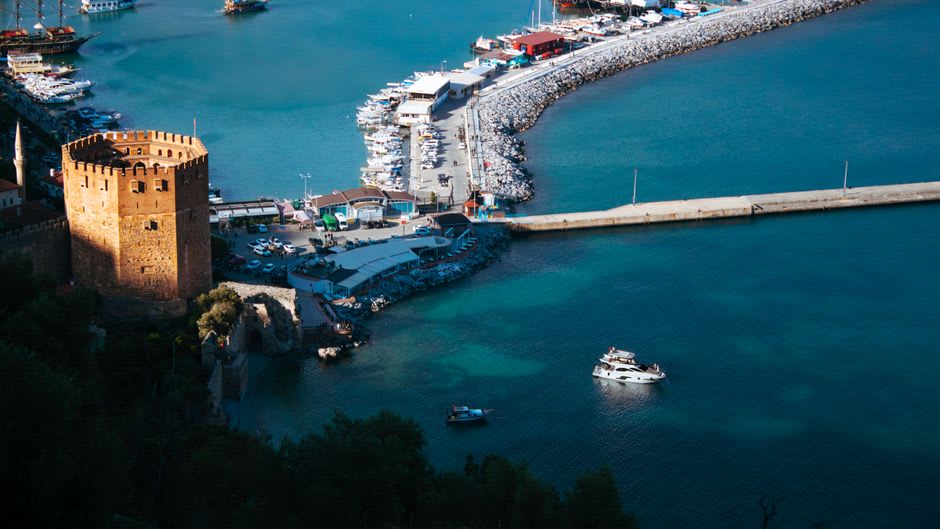
Alanya gets dismissed sometimes as package-tourism scenery, and the strip along the coast road earns some of that reputation honestly. But the castle, the harbor, and the banana farms behind the hotels are a version of the city worth the extra half-day most visitors don’t give it.
When to go: May and October for warm swimming without peak-summer crowds and heat; July–August draw the largest package-tour numbers and the highest temperatures on this stretch of coast.
Keep exploring
More from Turkey
 turkey
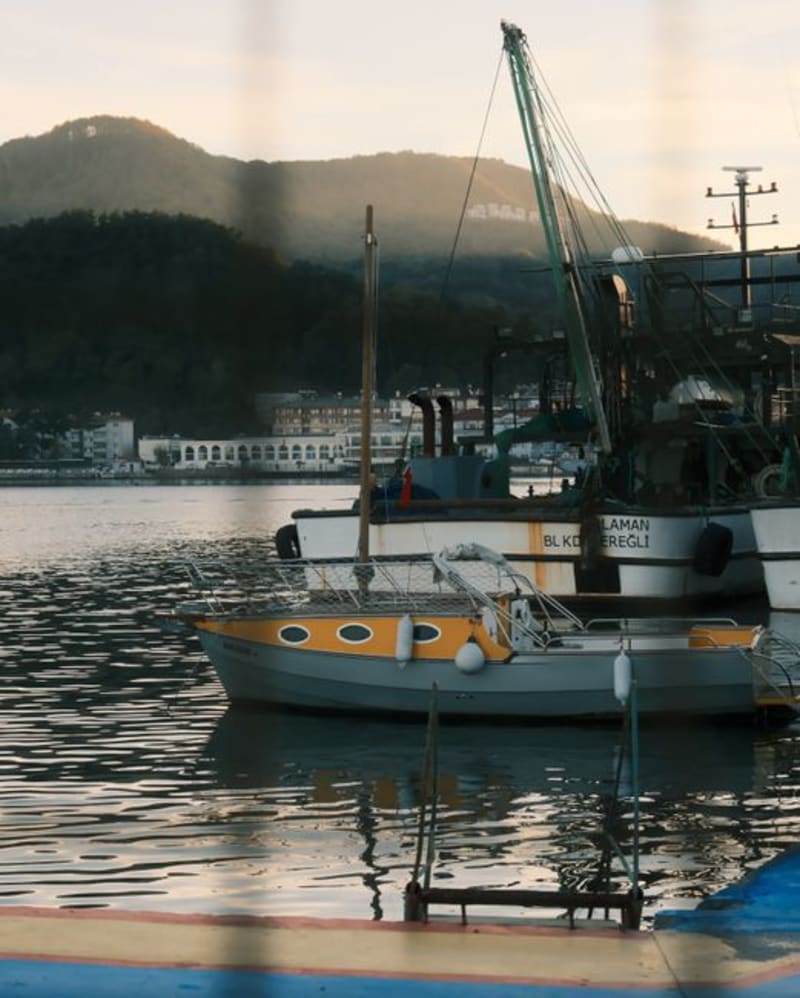
 Amasra
A twin-harbored Black Sea peninsula town wrapped in Byzantine and Genoese walls, where fishing boats still outnumber tourists by a wide margin.
Explore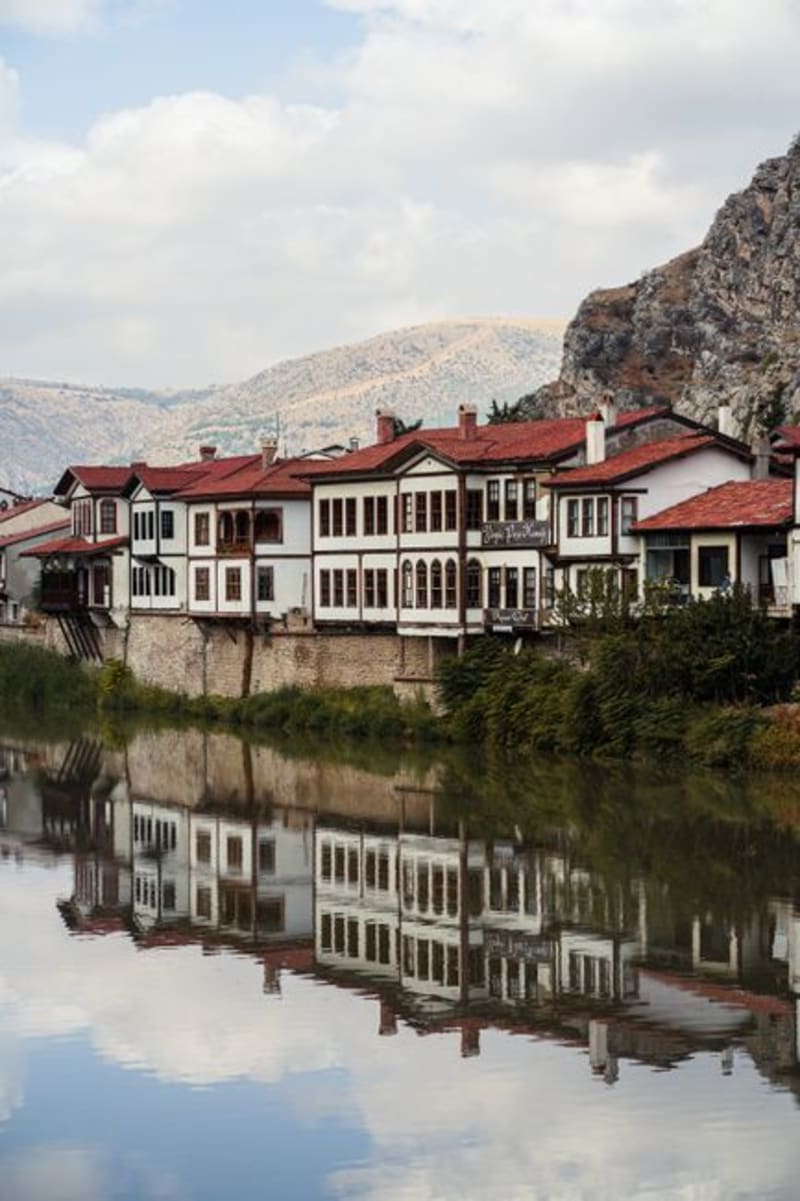 turkey
 Amasya
Ottoman timber houses lean over a river gorge while Pontic kings' tombs watch from cliffs above, and apple orchards perfume the whole valley.
Explore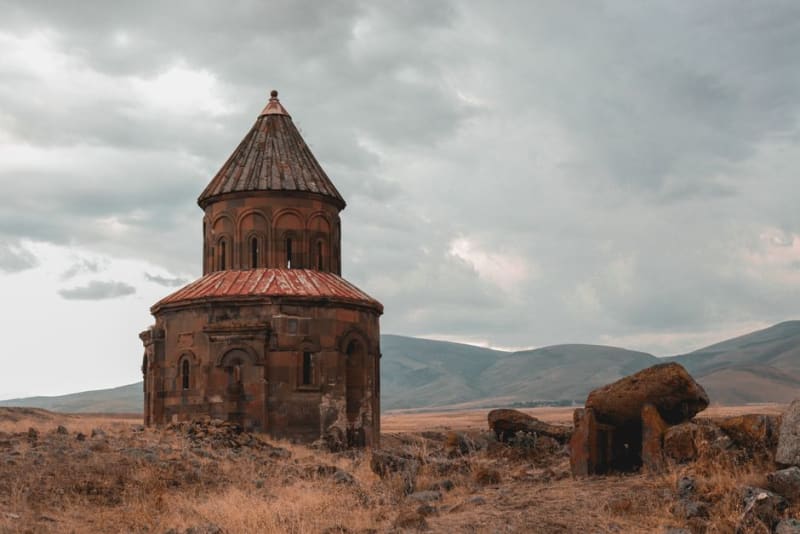 turkey
 Ani Ruins
The abandoned medieval Armenian capital known as the City of 1001 Churches, a ghost city of empty grassland and crumbling stone on the closed border with Armenia.
Explore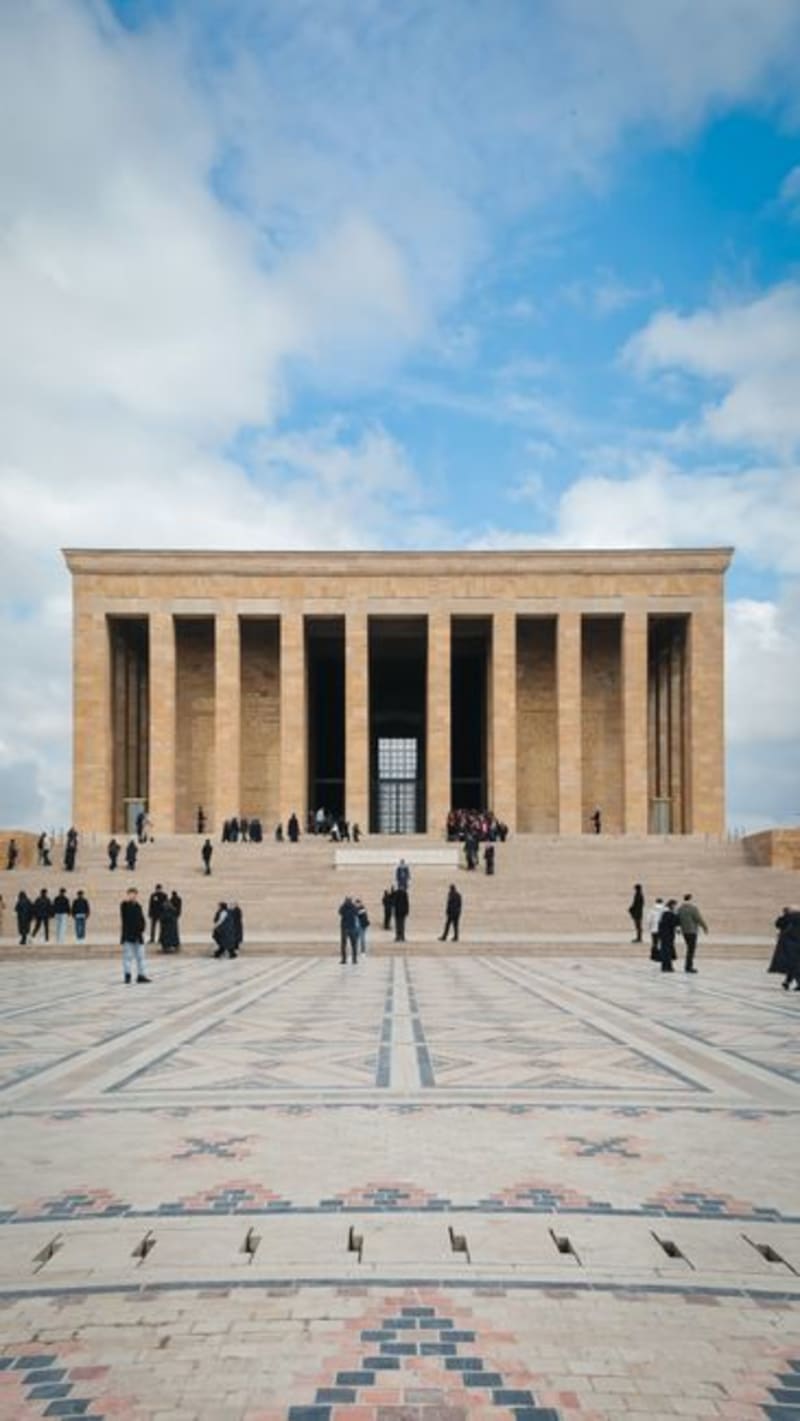 turkey
 Ankara
Turkey's purpose-built capital trades Istanbul's theater for something quieter and more sincere — a working city built around the memory of one man.
Explore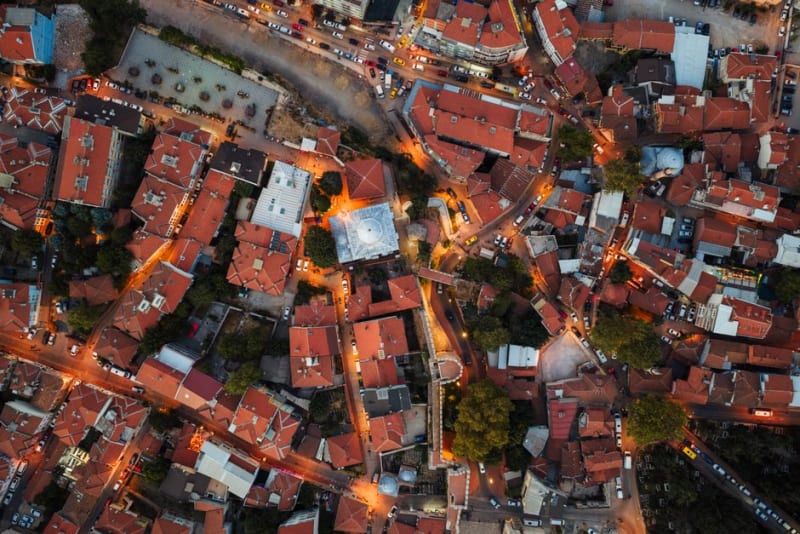 turkey
 Antakya (Hatay)
Ancient Antioch, Turkey's most religiously and culturally layered city near the Syrian border, rebuilding after the devastating 2023 earthquake with its distinctive cuisine intact.
Explore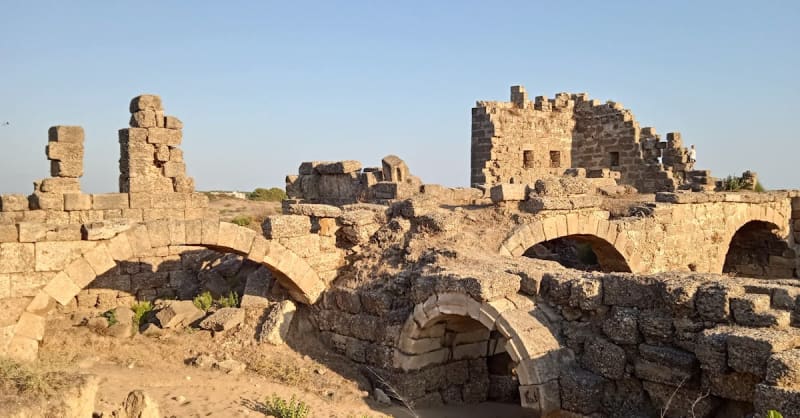 turkey
 Antalya
A turquoise coast city where Roman ruins overlook the Mediterranean and the mountains plunge straight into the sea.
Explore