Adana
"I came to Adana for one specific kebab and left understanding why an entire city built its identity around it."
Turkey's spicy-kebab capital on the scorching Çukurova plain, home to the namesake Adana kebab and a Roman stone bridge still carrying traffic two thousand years on.
I’ll admit I went to Adana for a single, focused reason: to eat an Adana kebab in the city that gave it its name, cooked the way it’s supposed to be cooked, which turned out to be a genuinely different experience from every version I’d eaten anywhere else in Turkey. The dish is deceptively simple — hand-minced lamb, generously laced with red pepper, molded onto a wide flat skewer and grilled fast over charcoal — but the version I had at a decades-old kebapçı near the city center, served with a scorch of char on the outside and a properly aggressive heat running through the meat, made every other Adana kebab I’d eaten feel like an approximation. It came with a pile of grilled tomatoes and peppers, thin lavash, raw onion mixed with sumac, and a shot glass of şalgam — a startlingly sour, fermented turnip and carrot juice that I initially disliked and then, by the second glass, actively craved.
Adana sits on the Çukurova plain, one of Turkey’s most productive agricultural regions, and the heat that makes the farmland so fertile also makes the city itself brutally hot for much of the year — I arrived in early summer and the air had a physical weight to it by midday, the kind of heat that empties the streets between noon and five and fills them again only once the sun starts to drop.
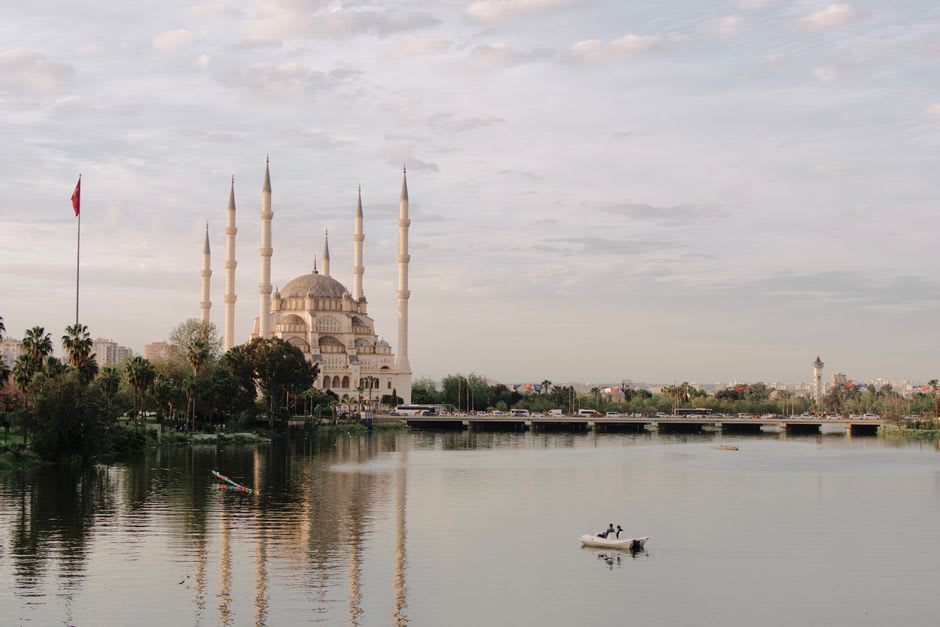
A Roman Bridge Still Doing Its Job
The Taşköprü, a stone bridge across the Seyhan River originally built in the Roman era and rebuilt several times since, particularly under Emperor Hadrian, is still in active use today — I walked across it in the evening alongside actual local commuter traffic, which struck me as a small miracle of infrastructure, a two-thousand-year-old bridge quietly still doing its job while modern Adana carries on around it. From the bridge you can see the enormous Sabancı Central Mosque, one of Turkey’s largest, its six minarets lit up against the evening sky and reflected in the river below.
Adana doesn’t get the same tourist attention as the coastal towns further west, and I think that’s partly because it doesn’t need it — the city has a confident, unpretentious character built on genuinely excellent food and a working agricultural economy rather than a tourism industry. I left with şalgam-stained fingers, a recipe I never quite managed to replicate at home, and a real appreciation for a city that knows exactly what it’s good at.
When to go: Spring (April-May) or autumn (October-November) to avoid the punishing Çukurova summer heat, which regularly pushes past 40°C in July and August.
Keep exploring
More from Turkey
 turkey
 Alaçatı
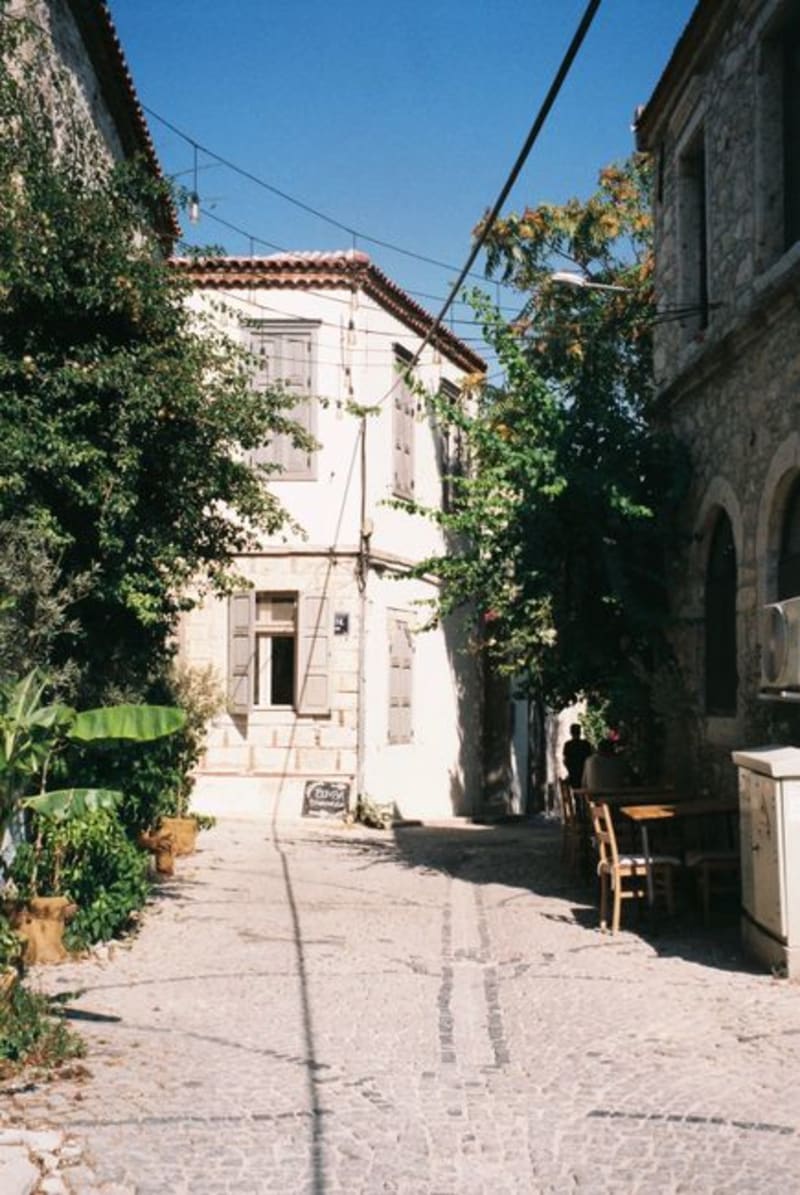
A restored Ottoman-Greek stone village turned chic windsurfing capital, its cobbled lanes lined with boutique hotels and artichoke fields running down to the sea.
Explore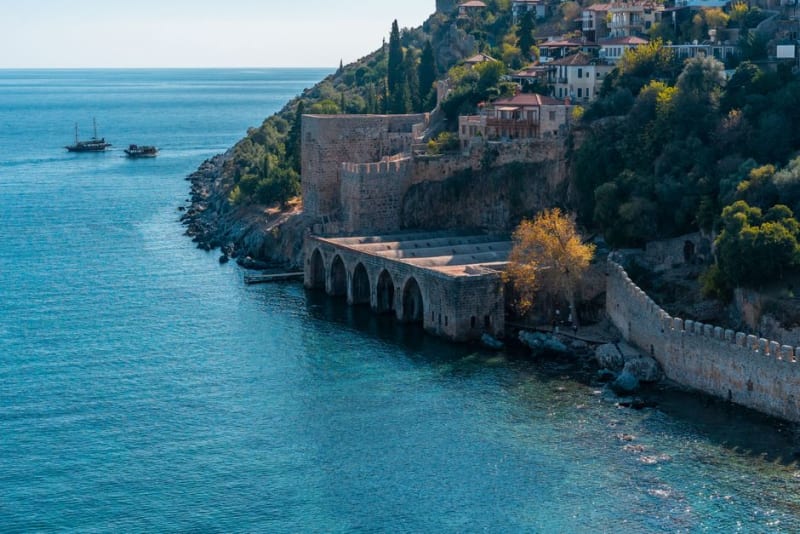 turkey
 Alanya
A Seljuk fortress plunges straight into the Mediterranean above a resort city ringed by banana greenhouses and one impossibly famous beach.
Explore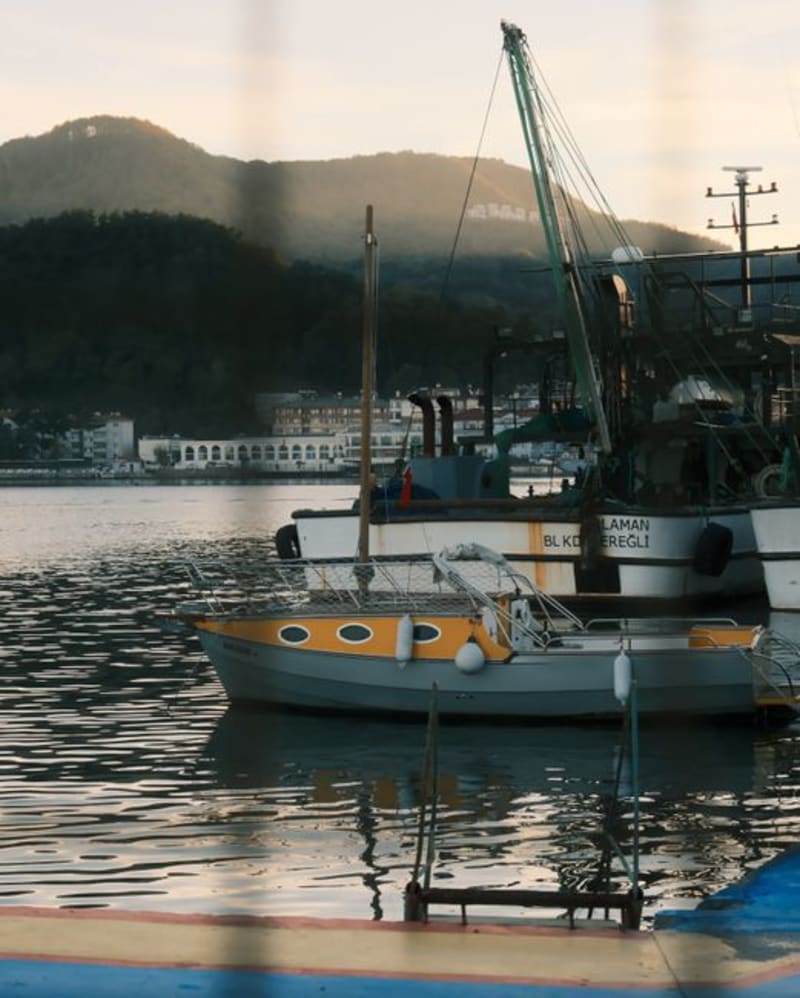 turkey
 Amasra
A twin-harbored Black Sea peninsula town wrapped in Byzantine and Genoese walls, where fishing boats still outnumber tourists by a wide margin.
Explore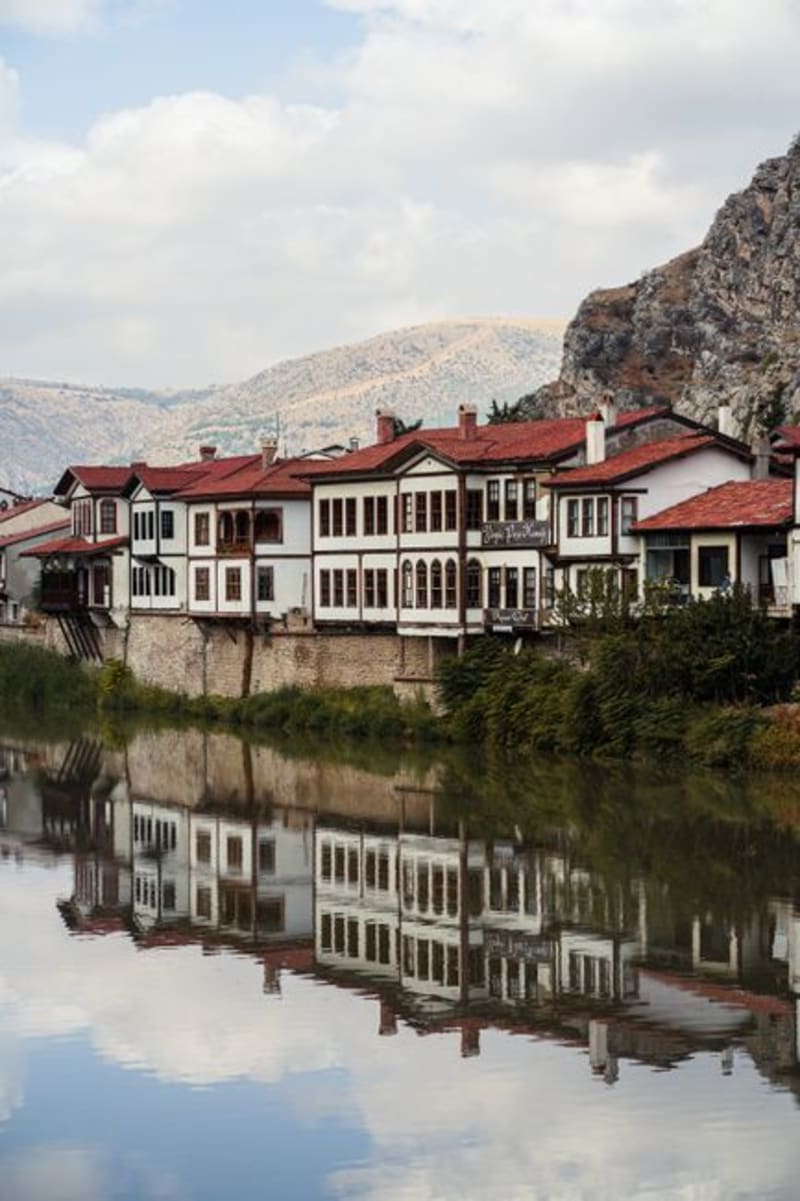 turkey
 Amasya
Ottoman timber houses lean over a river gorge while Pontic kings' tombs watch from cliffs above, and apple orchards perfume the whole valley.
Explore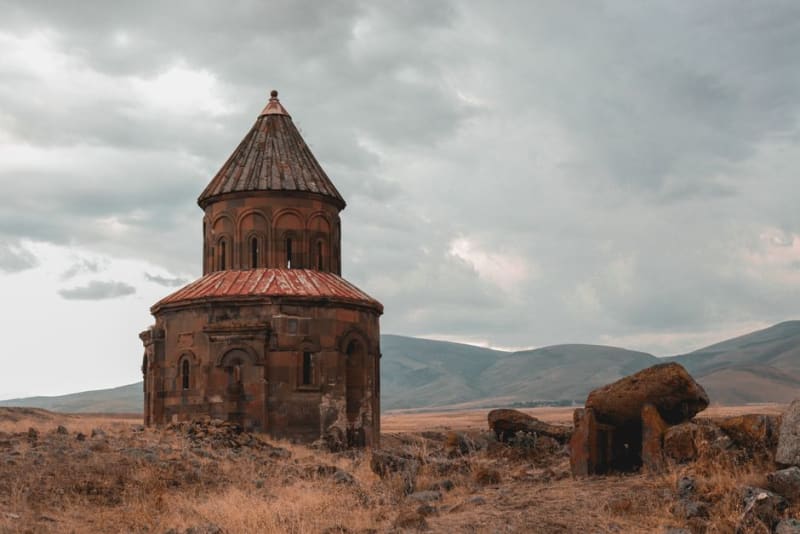 turkey
 Ani Ruins
The abandoned medieval Armenian capital known as the City of 1001 Churches, a ghost city of empty grassland and crumbling stone on the closed border with Armenia.
Explore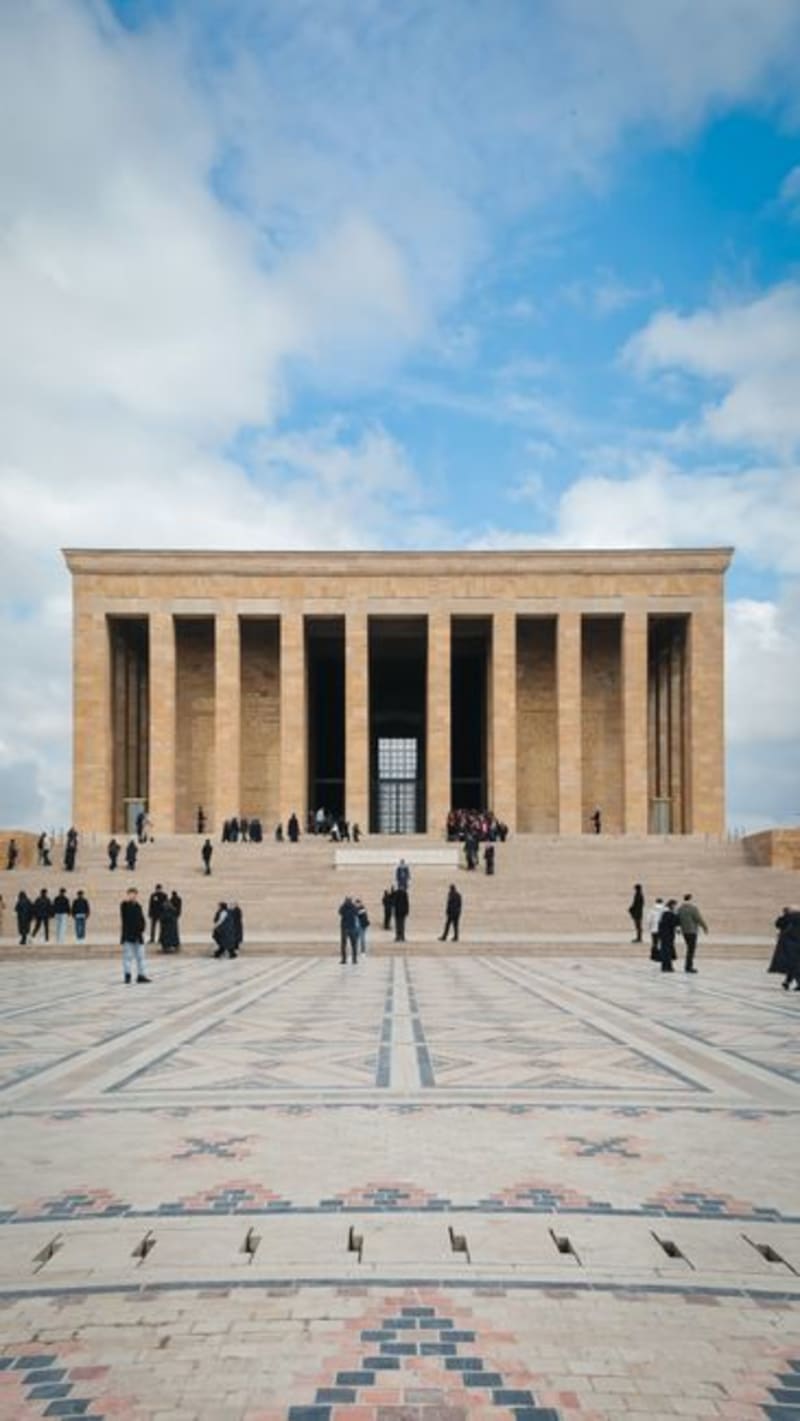 turkey
 Ankara
Turkey's purpose-built capital trades Istanbul's theater for something quieter and more sincere — a working city built around the memory of one man.
Explore