A Capital That Doesn’t Try Very Hard
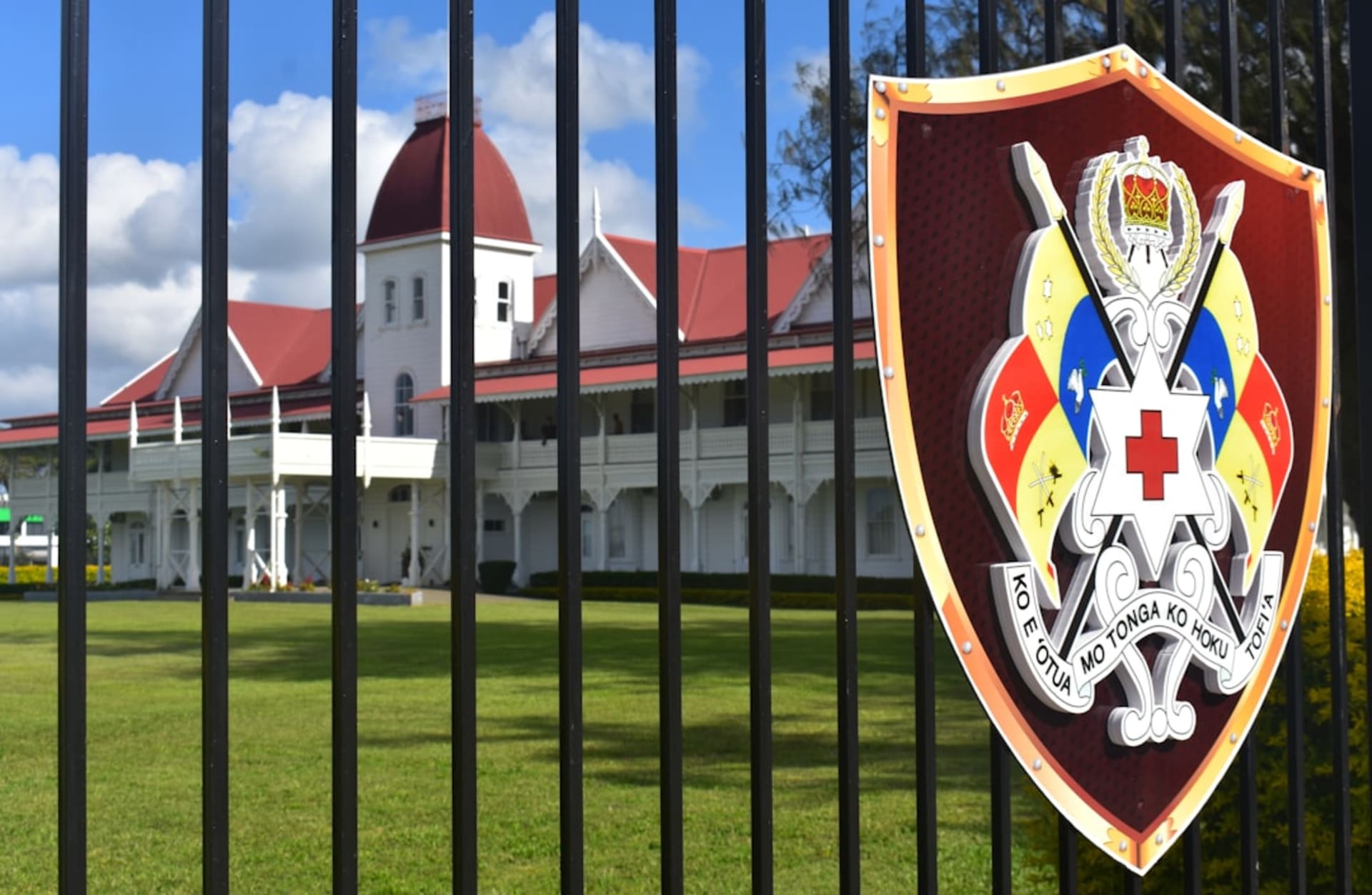
Nuku’alofa is the kind of Pacific capital that makes no apologies for being exactly what it is: small, slow, slightly frayed at the edges, and quietly sure of itself. The waterfront road runs maybe a kilometer before it runs out of things to show you. The Royal Palace — white, colonial, improbably Victorian in this latitude — sits behind an iron fence that you cannot enter but can photograph easily from the road. Across the street, the lagoon reflects whatever light the sky is offering that morning. I arrived on a Wednesday when the light was grey and kind, the kind of overcast that makes colors look more saturated than they deserve to be.
The city was partly destroyed by riots in 2006 and rebuilt with varying degrees of conviction. Some blocks look brand new and slightly improvised. Others look like they were built in 1970 and have been gradually accepting their fate. I found this mixture honest, even endearing — it didn’t feel like a capital performing capital-ness. It felt like a town trying to do what needs doing.
The Market at Talamahu
The indoor market off Salote Road is the best reason to be in Nuku’alofa before nine in the morning. Vendors arrive from Tongatapu’s villages with whatever came in from the gardens that week: taro in three colors, bundles of cassava, small fat vanilla beans tied with string, papaya halved to show orange flesh, tiny bananas that taste more intensely of themselves than any banana from a supermarket. The smell is humid and sweet and faintly earthy, the way the inside of a greenhouse smells in summer.
I bought a bag of vanilla beans for almost nothing and felt mildly guilty about it, which is a familiar feeling at Pacific markets. A woman selling woven mats showed me the difference between two grades of pandanus weaving by running my fingertips across the surfaces — one coarse, one almost silky. I bought the coarser one because it was ten pa’anga and then spent the rest of the trip wishing I’d bought the other.
Tongan Feast and the Question of Pig
Every guesthouse and a number of entrepreneurial families in Nuku’alofa offer what they call an ‘umu feast — food cooked underground in a heated earth oven. I went to one organized by a church women’s group in a neighborhood behind the main street. There were maybe thirty of us seated on mats in a community hall while dishes arrived steadily: suckling pig with skin that crackled and collapsed, octopus cooked in coconut cream, lu pulu (corned beef and coconut cream in taro leaves), fish, yam, more things I didn’t know the names of. The quantity was extreme. The conversation around me, most of it in Tongan, was full of laughter I couldn’t follow but understood.
Walking the Waterfront at Dusk
In the late afternoon, the waterfront road becomes a place where Nuku’alofa takes stock of itself. Families walk slowly. Kids ride bicycles. A few older men sit on walls and watch the water. The light drops behind Fafa Island in the lagoon and the sky does the thing tropical skies do — colors that would look fake in a photograph and that you stand watching anyway, slightly embarrassed by how beautiful they are.
When to go: June through September offers the driest, coolest weather and aligns with humpback whale season, which brings a little more energy to town. Avoid December to March for the cyclone risk, and note that Sunday closures are comprehensive — plan your market visits and restaurant meals for weekdays.