Ushuaia
"Fin del mundo doesn't mean the end of anything — it means you finally arrived somewhere real."
Every place that calls itself the end of the world is usually lying. Ushuaia is not lying. When you step off the plane onto a tarmac hemmed in by Andean peaks on three sides and open channel on the fourth, you feel the geography asserting itself with unusual bluntness. There is no more road south. The Pan-American Highway terminates nearby. The next significant landmass is Antarctica.
A City That Shouldn’t Exist
The Argentines founded Ushuaia partly as a penal colony — a way to populate a corner of their territory so remote that prisoners couldn’t easily flee. The prison closed in 1947, and the city has been reinventing itself ever since. I spent an afternoon in the Museo del Fin del Mundo running my hand along an old cell door while a guanaco wandered past the window outside, indifferent to history. The town’s founding logic was essentially: if we build something at the edge of the map, maybe people will come. Remarkably, they did.
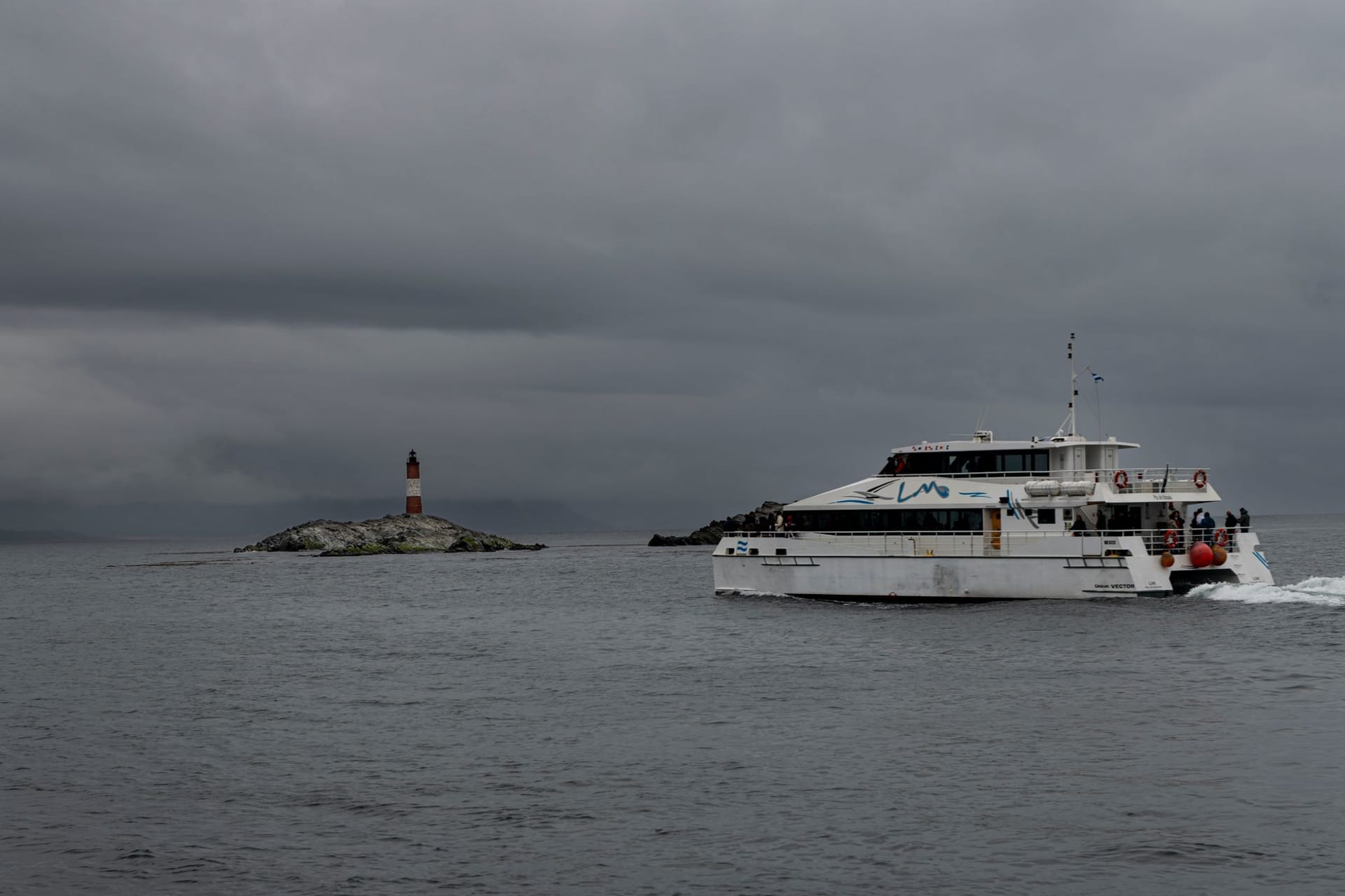
The harbor now fills with expedition cruise ships and zodiac boats heading to Antarctica. The main street, San Martín, smells of grilled lamb and exhaust and the particular diesel-salt mix that all working ports carry. I ate centolla — king crab — at a place with plastic tablecloths and a view of the channel, cracking the legs with a wooden mallet, the meat impossibly sweet. It is the best crab I have eaten anywhere, and I say that having eaten crab in a lot of places.
The Light That Changes Everything
What Ushuaia does better than almost any place I know is light. At latitude 54°S, summer days stretch toward twenty hours, and the sun arcs low across the sky at angles that make everything glow sideways. The mountains turn pink at nine in the evening. At midnight in December, the western horizon holds a lingering peachy warmth. Lia stood on our hostel balcony at eleven PM watching the last light slide off Cerro Martial and said she couldn’t tell if she was tired or just unwilling to stop looking.
Winter inverts all of this — six hours of pewter daylight, fresh snow on the peaks every few days, the city quiet and local. I actually prefer it then. The cruise tourists are gone, the restaurants are half-full, and you can walk the waterfront in a wool hat watching cargo boats loaded with supplies for the Chilean channels without anyone asking you to take their photo.
Getting Your Bearings
The city climbs steeply uphill from the port, which means most walks involve significant grade. The lower neighborhoods are commercial and touristy; climb ten minutes into the residential streets and the houses get simpler, the yards hold vegetable gardens protected by corrugated windbreaks, and the view down to the channel improves dramatically. I spent most of my time at that elevation — halfway between souvenir shops and wilderness, which felt about right.
The airport sits minutes from downtown. Arriving at dusk with the mountains lit from below by the city, I felt the particular pleasure of a place exceeding its hype, which almost never happens.
When to go: November through February for long days, hiking, and boat trips. March offers shoulder-season quiet and autumn color in the lenga beech forests — possibly the most beautiful time. July and August draw skiers and those who want the full Antarctic-feeling winter; book accommodation early as the city fills with expedition travelers.