Americas
Tierra del Fuego
"I stood at the end of the world and it looked back."
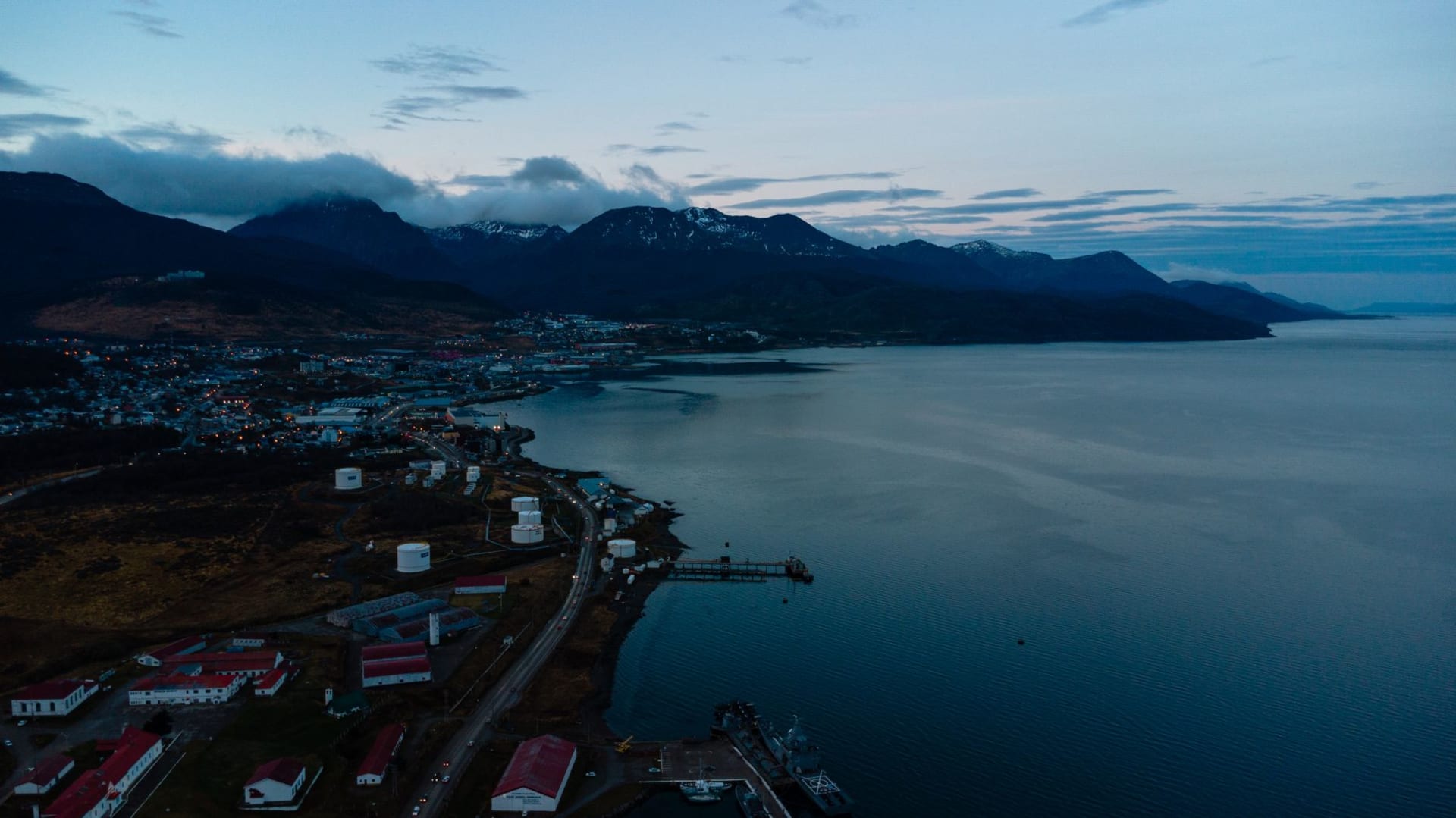
I arrived in Ushuaia on a Tuesday in November when the light was doing something I’d never seen before — a low, lateral gold that seemed to come from the side of the earth rather than above it. The Beagle Channel was the color of pewter. A cruise ship was anchored offshore, white and absurdly large against the mountains, and I remember thinking that everyone on that ship was about to miss the actual point of being here. You don’t come to Tierra del Fuego to be comfortable. You come because the world still has places that resist being made comfortable.
The town of Ushuaia itself is scrappier than the Instagram version suggests. The main drag sells chocolate and duty-free electronics and penguin stuffed animals, and yes, it feels like a tourist town — because it is one. But walk ten minutes in any direction and the urban fabric dissolves into something else entirely. The Martial range presses down from the north. The channel opens to the south. In the Parque Nacional Tierra del Fuego, the trails through lenga beech forest are genuinely quiet, and the color of those trees in autumn — deep copper and burgundy against grey sky — is the kind of thing that makes you stop and say nothing for a while. The café de olla I had at a small refugio near Lago Roca, thick and sweet and served in a tin cup, was perfect in context the way food only gets when you’ve earned it with cold air and wet boots.
On the Chilean side, the experience shifts entirely. Puerto Williams, across the channel and technically the southernmost town on the planet, has a different personality — slower, more military, less concerned with selling you anything. From there, access to Cabo de Hornos is possible by boat, a crossing through the Drake Passage that the weather gods may or may not permit. I got lucky. The cape itself is a rock rising from nothing, battered by the confluence of two oceans, and the small chapel maintained by the Chilean navy at its base is the loneliest and most affecting church I have ever been in.
When to go: November through March is the austral summer and the only reasonable window — days are long (eighteen hours of light in December), trails are passable, and the Beagle Channel is navigable. October and April can work but expect significant weather variation. Winter is genuinely brutal and most services close.
What most guides get wrong: They treat Tierra del Fuego as a destination for bragging rights — the bottom of the world, the end of the Panamericana, the last stamp in the passport. That framing makes it feel like an achievement to be ticked off. It isn’t. It’s a landscape that demands slowness, bad weather, and a willingness to sit with discomfort. The travelers who leave disappointed are almost always the ones who didn’t build in enough time to wait for the weather to do something extraordinary.