Estancia Harberton
"The Bridges built something meant to last. They were right to think it would."
Thomas Bridges arrived in Tierra del Fuego as a missionary and ended up documenting the Yaghan language so thoroughly that his dictionary — 32,000 words, written by hand — remains the primary record of a tongue almost no one speaks anymore. His son Lucas wrote a memoir called Uttermost Part of the Earth that is one of the finest books about this region ever published. The estancia they founded in 1886 is still in the family, which is a remarkable fact about a place where most things have not lasted.
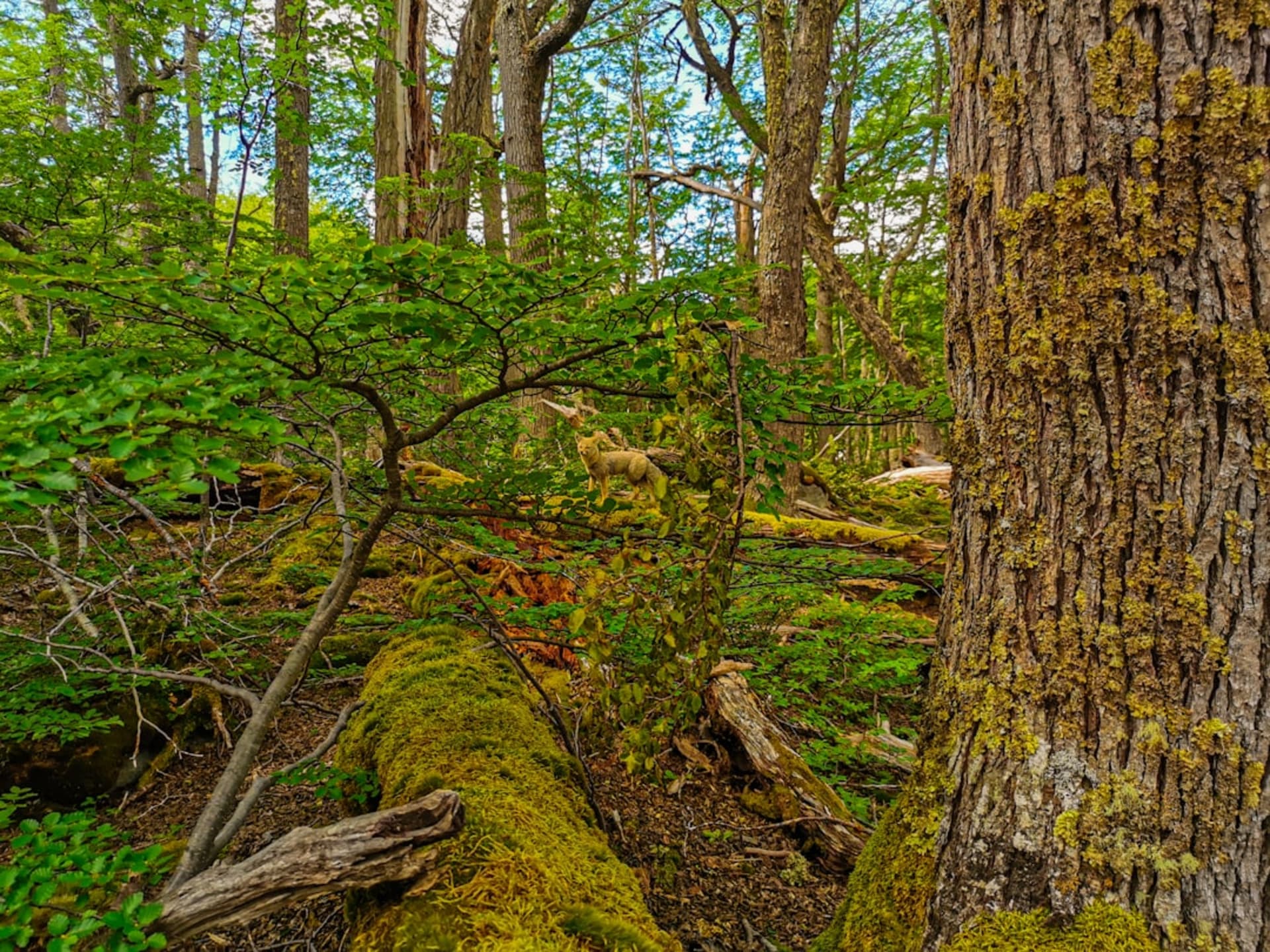
I drove the forty-kilometer dirt road from Ushuaia to Harberton on a morning of low cloud and intermittent rain, the road winding through lenga beech forest before opening onto views of the Beagle Channel and the islands scattered across it. The channel here is wider than at Ushuaia, the shores more indented. The estancia sits at the end of a peninsula in a natural harbor so protected it feels separated from the weather outside it.
The Buildings and What They Hold
The original structures are still standing: the white wooden house, the boat workshop, the barn, the little church. They are modest and functional in the way of working stations built by people who needed things to last rather than impress. The current owners offer guided tours that walk you through the property’s history — the missionary work, the relationship with the Yaghan people, the early years of ranching, the transition to what the estancia is now.
What I wasn’t expecting was the marine mammal museum, Acatushún, which holds the most complete collection of southern cetacean and pinniped specimens in the world. The researchers here have spent decades cataloguing species from strandings along the Beagle Channel coast. The skulls of beaked whales — species so rare they were known only from skeletal fragments when first described — sit in glass cases alongside complete skeletons of species I had never encountered in any aquarium or natural history museum. It felt like a private library that happened to be made of bones.
The Penguin Colony at Martillo
Harberton manages access to Isla Martillo, where the Magellanic penguin colony is accessible only through tours originating at the estancia. This is actually a better experience than the open-water catamaran trips from Ushuaia — smaller groups, more time, and the option to walk among the penguins rather than observing from offshore. I spent two hours on the island in February when the chicks were approaching adult size but still wearing their downy gray coats in patches, giving them the look of stuffed animals that had been partially depleted.
The island also holds a small Gentoo penguin colony, which surprised me — Gentoos are primarily Antarctic birds, and their presence this far north speaks to the specific microclimate Martillo offers. The two species nest in separate areas and regard each other with the studied mutual indifference of neighbors who have reached an accommodation.
Tea at the Estancia
After the penguin tour, the estancia serves tea in the main house — actual tea, with scones and jam, which is a legacy of the founder’s Anglican Englishness. Sitting in the low-ceilinged room with the Beagle Channel visible through old glass panes, drinking tea from mismatched cups, I felt the continuity of the place more than anywhere else in Tierra del Fuego. The same view Thomas Bridges looked at from these windows. The same mountains across the channel. The same basic fact of being very far from anywhere else.
When to go: Harberton is open October through April. The penguin colony is most active November through February; chicks are present December through March. February and March are ideal for Gentoo penguin sightings. The road can be passable in May and September in dry years, but confirm with the estancia before attempting it off-season. Day tours from Ushuaia can be booked through the estancia directly; numbers are deliberately limited.