Nyingchi
"Nobody warns you that part of Tibet is covered in forest. Nyingchi is a genuine surprise."
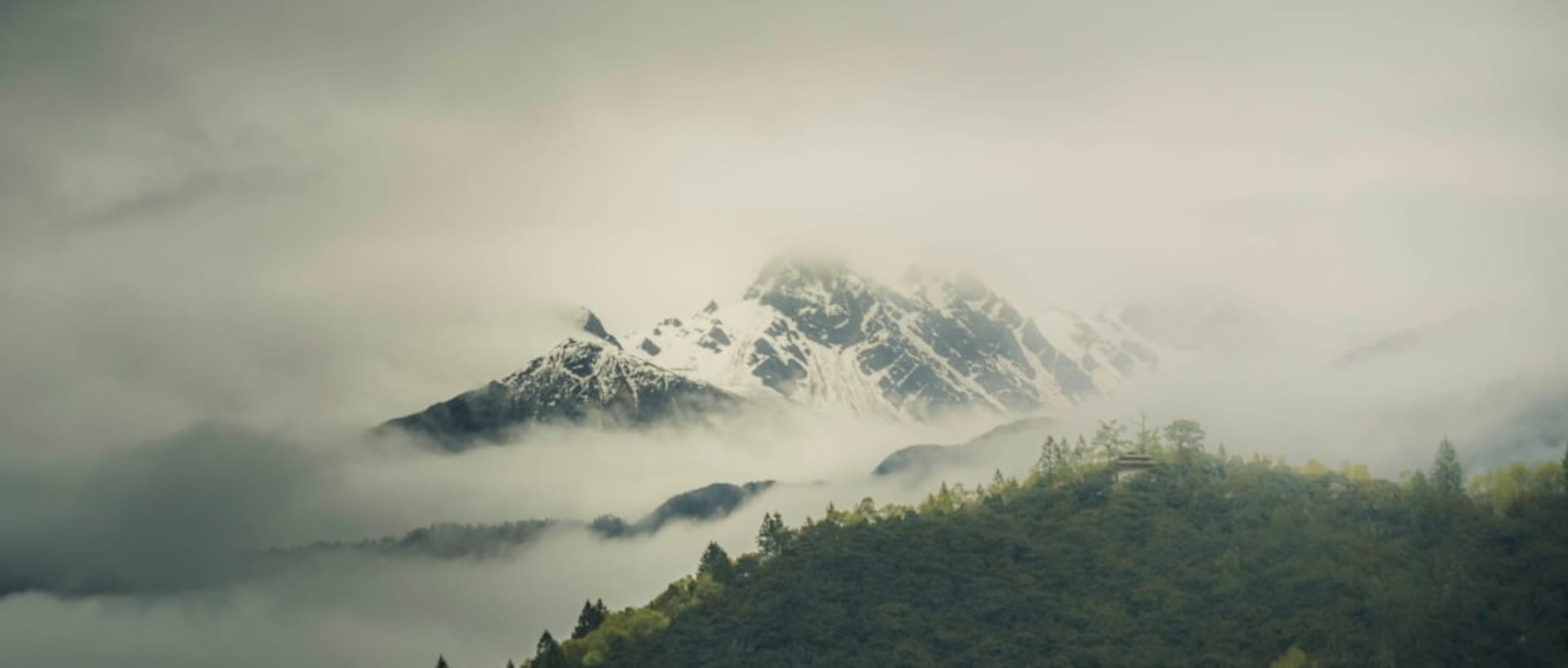
Everything you think you know about Tibet — the austere plateau, the thin air, the brown expanses of rock and grass at altitude — doesn’t apply in Nyingchi. This southeastern prefecture sits low enough (around 3,000 metres) for actual trees: dense cypress forests, rhododendrons, bamboo thickets. In March and early April, the peach trees along the Nyang Qu valley erupt in pale pink blossom and the whole district pivots on this single annual spectacle with festival-level enthusiasm. Coming from the high plateau, the first sight of proper forest is disorientating in the best way possible.
Lia called it “the Tibet that wasn’t supposed to be here.” That’s about right.
The Yarlung Tsangpo Grand Canyon
West of Nyingchi city, the Yarlung Tsangpo river — known downstream in Arunachal Pradesh and Assam as the Brahmaputra — cuts through the Himalayan range in the world’s deepest river gorge. At its deepest point, the canyon exceeds 5,000 metres of vertical relief between the river surface and the surrounding peaks. This fact is genuinely difficult to hold in your mind while standing at a viewpoint looking at it, partly because the scale defeats intuition and partly because the vegetation on the canyon walls makes it look almost gentle — forested slopes rather than the naked rock you might expect.
I walked a trail section along the canyon rim for several hours, the river invisible below through cloud, the forested walls descending on the far side. A Himalayan griffon vulture riding thermals overhead was the largest bird I’ve seen outside of a zoo. It paid me no attention.
Basum Tso Lake
About 80 kilometres from Nyingchi city, Basum Tso is a turquoise lake set in forested hills at 3,460 metres — an altitude that allows actual trees to lean over the water, which is unusual in Tibet. A small island in the lake holds a Nyingma monastery accessible by boat or a rope-drawn wooden ferry. The monastery is modest, the lake is not. The green of the forest reflecting in the turquoise water creates a colour combination that doesn’t exist on the high plateau.
I arrived in late afternoon when the light was low and angled and the whole surface of the lake was lit from the side. A family of Tibetan pilgrims was loading into the ferry for the return trip to the island, laughing about something. The sound carried across the water cleanly.
The Peach Blossom Season
March and early April turn Nyingchi into something resembling a Chinese ink painting — white and pink blossoms against snowfields, traditional farmhouses, the pale sky of early spring. The government promotes this aggressively and the crowds during peak blossom can be substantial, particularly Chinese domestic tourists. But go early in the morning or late in the day, or find a smaller side valley off the main festival route, and you can have orchards essentially to yourself. The smell of the blossoms in cool morning air is worth arranging an itinerary around.
Nyingchi City
The city itself is modern and functional, a Chinese administrative centre that happens to sit in spectacular surroundings. The infrastructure is good, the hotels are comfortable by Tibetan standards, and the restaurants include Tibetan, Sichuan, and Yunnan options. After weeks on the high plateau eating tsampa and instant noodles, the availability of fresh vegetables in Nyingchi felt like a form of extravagance.
When to go: March to April for the famous peach blossom (check bloom timing year to year — it varies by two to three weeks depending on the winter). May through October for hiking and canyon visits with stable weather. Nyingchi receives significantly more rain than the rest of Tibet due to its lower elevation and proximity to the monsoon, so expect afternoon showers in summer. Winter (November–February) is cold but clear, and the forests take on a different austere quality.