A ruined and rebuilt monastery on Wangbur Mountain, where Gelugpa Buddhism began and pilgrims still circle the ridge at 3,800 meters.
Lia and I left Lhasa before seven, and the drive to Ganden took a little over an hour and a half, the road climbing steadily until the Kyichu valley dropped away below us and Wangbur Mountain filled the windshield. Forty-seven kilometers doesn’t sound like much until you’re gaining altitude the entire way — by the time our driver cut the engine at 3,800 meters, I was already breathing like I’d run somewhere. I remember standing by the car for a full minute just looking at the ridge, the buildings scattered across it in white and dark red, before I trusted my legs to start walking.
What got me about Ganden wasn’t just the view, though the view is the kind that makes you stop mid-sentence. It’s that everything here has been rebuilt at least once. Je Tsongkhapa founded this place in 1409, and it became the seat of the Gelugpa school — the tradition that eventually produced the Dalai Lamas — which made Ganden one of the “Three Great Monasteries” alongside Sera and Drepung. Then in 1959 it was largely destroyed, and during the Cultural Revolution what remained was dynamited. Walking the kora path around the ridge, I kept noticing the seams: an older stone base under newer plaster, a roofline that didn’t quite match its neighbor. Our guide pointed out where Tsongkhapa’s tomb had once stood, gold and silver, before it was gone. It’s a strange thing to grieve a building you never saw.
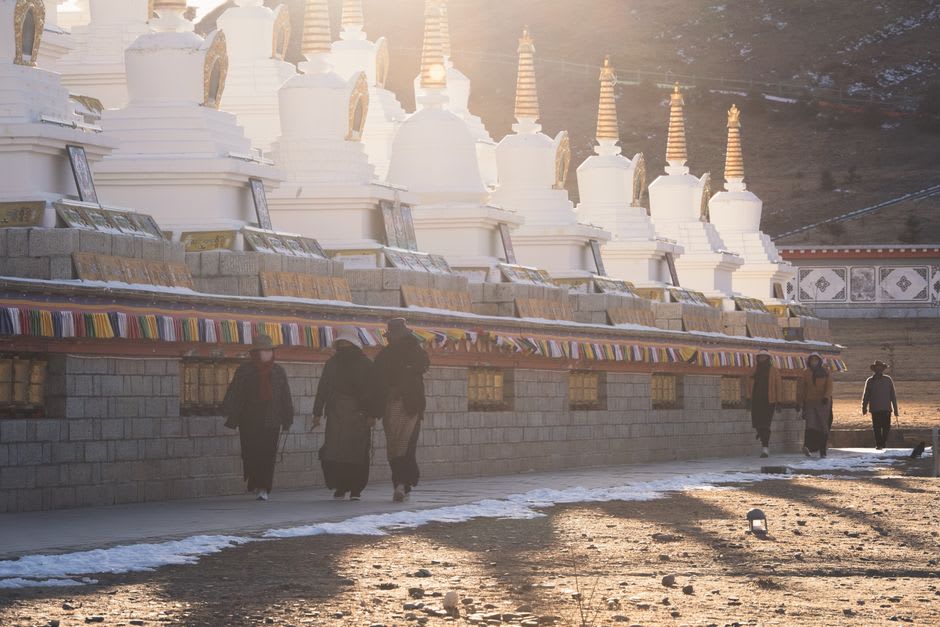
We spent a while in the main assembly hall, where a handful of monks were chanting in a corner while tourists and pilgrims moved quietly around them. An old woman ahead of us pressed her forehead to a pillar and stayed there long enough that I felt like I was intruding just by watching. Lia bought a stick of incense from a stand outside and lit it at one of the small shrines along the kora, and I did the same, mostly because it felt wrong not to. Outside, the wind kept snapping the prayer flags hard enough that you could hear them over conversation, and every so often a monk in maroon robes would cross the courtyard at a pace that made me feel, again, embarrassingly out of breath.
By early afternoon the clouds had rolled in over the far ridges, and our driver mentioned, not for the first time, that this road gets unreliable once the snow starts. I believed him. When to go: aim for May through October, when the mountain road holds up and the thinner clouds actually let you see what you climbed all that way for.
Keep exploring
More from Tibet
 tibet
tibet Gyantse
A quiet fortress town on the old Silk Road caravan route, Gyantse holds the Kumbum — a nine-storey chorten containing 75 chapels that is one of the most architecturally extraordinary structures in all of Tibet.
Explore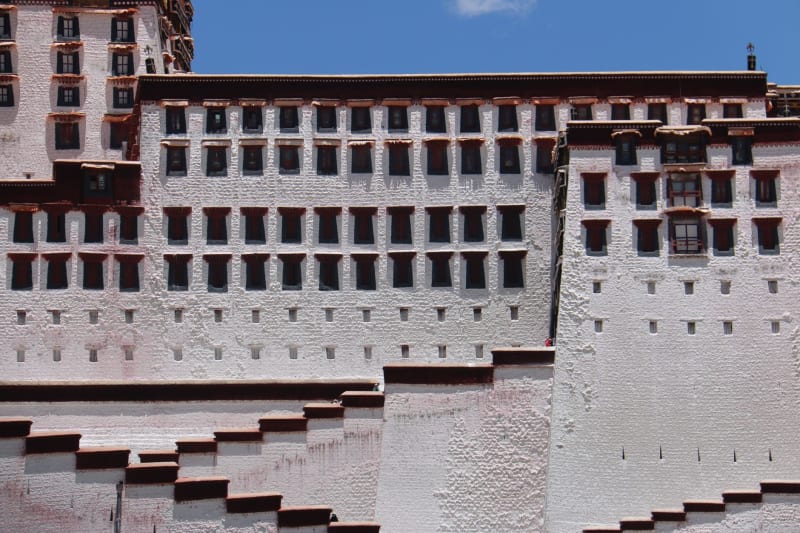 tibet
tibet Lhasa
Tibet's sacred capital sits at 3,650 metres where butter-lamp smoke and the hum of spinning prayer wheels greet you before your lungs have quite caught up.
Explore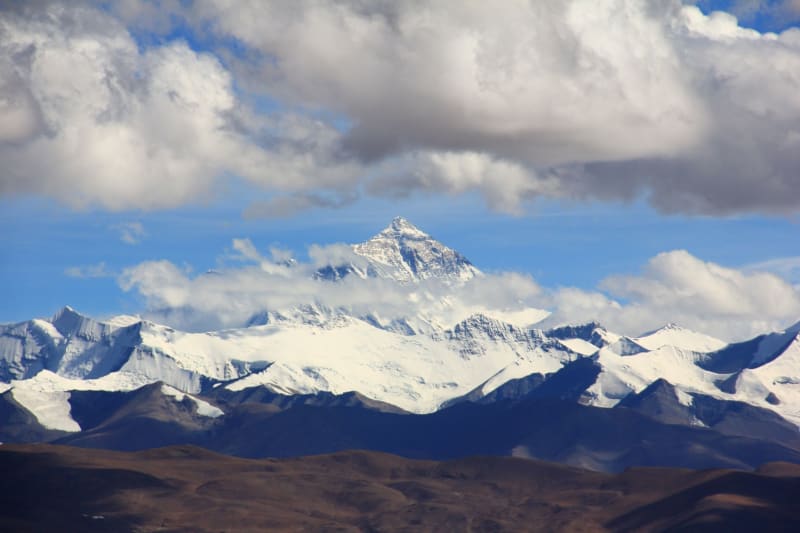 tibet
tibet Mount Kailash
The most sacred mountain on earth to four religions, Kailash rises in perfect symmetry above the western Tibetan plateau — a peak no one climbs and everyone circles, in a journey that compresses three days of altitude and altitude into something close to a reckoning.
Explore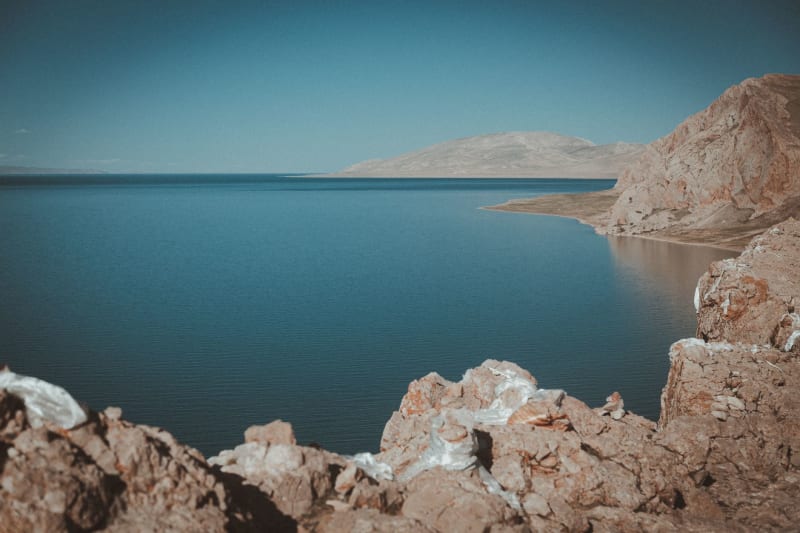 tibet
tibet Namtso Lake
At 4,718 metres, Namtso is one of the highest saltwater lakes on earth — an inland sea of hallucinatory blue ringed by snow peaks and populated by yaks, nomads, and the occasional stunned traveler.
Explore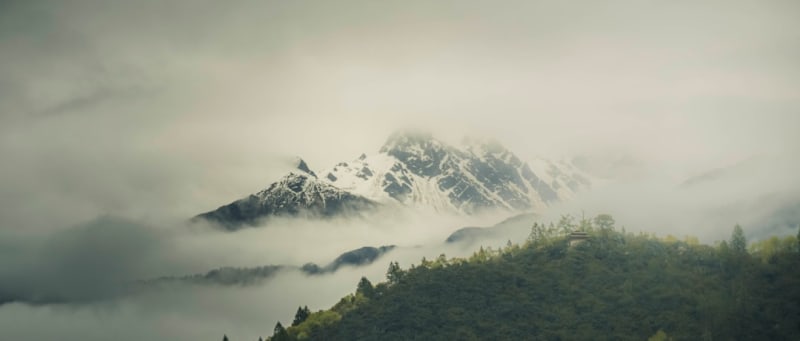 tibet
tibet Nyingchi
Eastern Tibet's green exception — Nyingchi sits low enough for forests of cypress and peach blossom, where the Yarlung Tsangpo carves through the world's deepest gorge and the landscape looks nothing like the plateau you arrived from.
Explore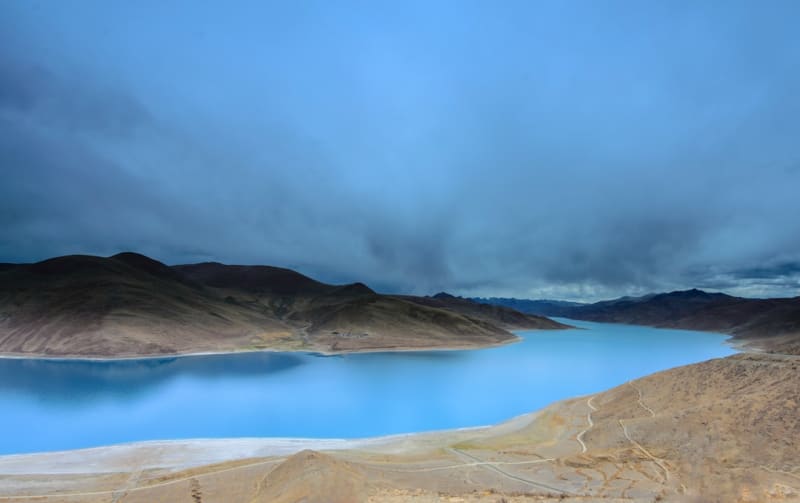 tibet
tibet Sakya
The grey-and-white-striped walls of Sakya Monastery rise from a flat valley like something from another continent — the seat of a dynasty that once ruled all of Tibet, still holding one of the world's great collections of Buddhist manuscripts and art.
Explore