Asia
Tibet
"I ran out of air before I ran out of reasons to stay."
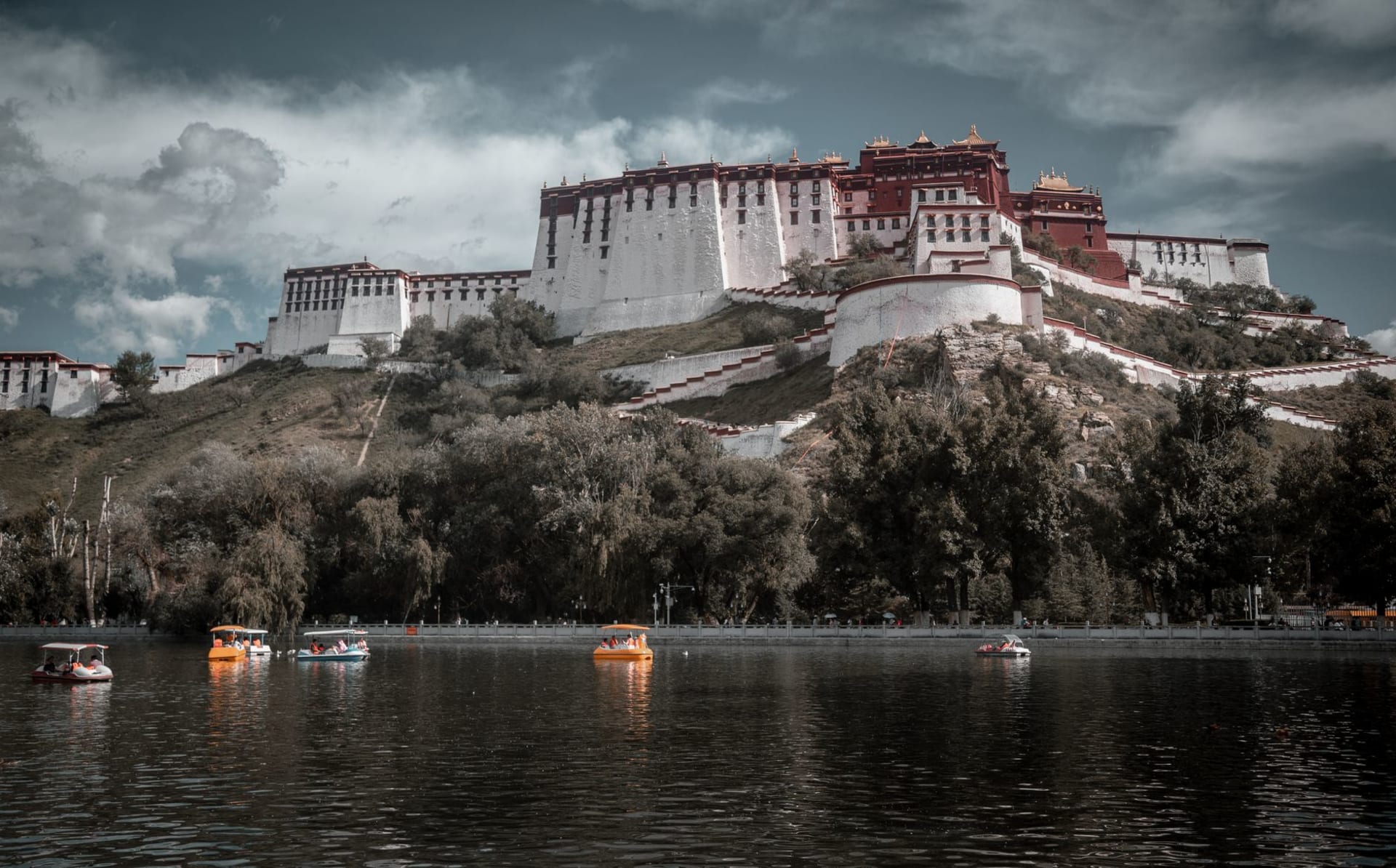
A plateau above the clouds where Buddhist monasteries cling to cliffs older than most nations, and the altitude itself forces a kind of stillness you cannot manufacture.

The moment that defined Tibet for me came two hours after landing in Lhasa. I was walking slowly — very slowly, because the altitude at 3,650 meters makes haste a fantasy — toward the Barkhor, the circular pilgrimage route around the Jokhang Temple. Elderly Tibetans in heavy robes were doing full prostrations on the stone, rising, stepping forward, dropping again, their hands padded with wooden blocks. They had been doing this for hours. Some had been doing it for days. I stood there in the thin air with my heart working twice as hard as usual, and I thought: whatever this place is, it is operating on a different set of premises than anywhere I have been before.
The altitude disciplines you from the moment you arrive. You cannot rush. You cannot drink alcohol the first few days. You sleep more than you want to. This enforced slowness turns out to be Tibet’s greatest gift. Without it, you might walk past the Jokhang’s butter lamp rooms too fast, miss the conversation with a monk who has opinions about Indian cinema, overlook the market stalls selling yak butter in wooden cylinders that look unchanged from the ninth century. Lhasa rewards the visitor who cannot move quickly, which is to say all of us.
Outside the capital, the scale becomes almost impossible to communicate. The drive toward Everest Base Camp on the Tibetan side passes through high-altitude grasslands where yak graze on seemingly nothing, past turquoise lakes that have no business being that color, under skies with a quality of light I have seen nowhere else — something about the elevation and the angle makes everything sharper, more present. Shigatse’s Tashilhunpo Monastery is vast and largely empty of tourists; you can walk through its gilded assembly halls while monks debate in the courtyard in a call-and-response rhythm that sounds like music.
When to go: May through October is the window, with May–June and September–October being the sweet spots — temperatures are bearable, the passes are clear, and the summer crowds of July–August have either not yet arrived or have gone home. Avoid December to March: the cold is serious and many roads at high elevation close entirely.
What most guides get wrong: They emphasize the political restrictions — the permit system, the regulated tours, the limitations on independent travel — as though Tibet is primarily a bureaucratic problem to be solved. It is not. The restrictions are real and must be navigated, but once you are there, what you encounter is not a diminished experience. The monasteries are functioning. The pilgrims are walking. The landscape is overwhelming. Tibet is not a place that has been neutralized by access controls; it is a place where the access controls happen to frame something genuinely ancient and alive. Plan carefully, accept the constraints, and then let the place be what it is.
Explore
Places in Tibet
 tibet
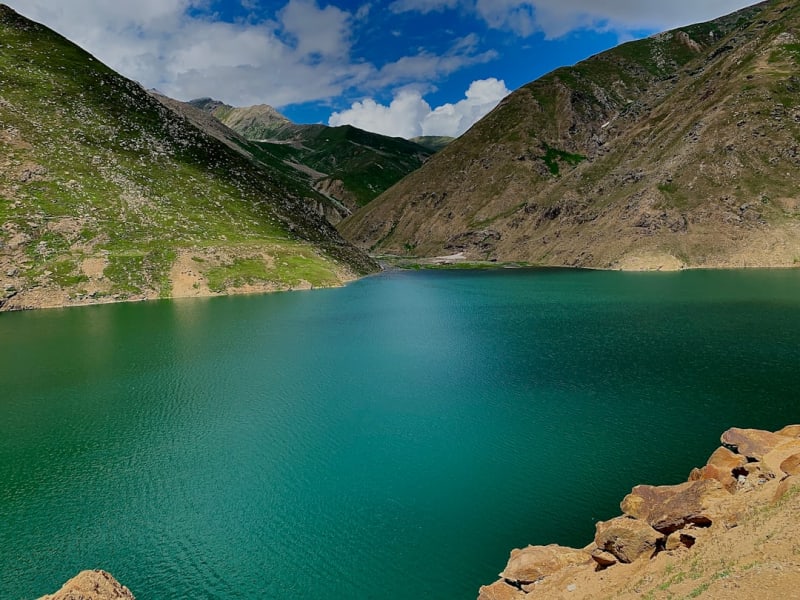
tibet Basum Lake (Draksum-tso)
A turquoise glacial lake cradled by pine forests, with a 17th-century monastery floating at its heart on Tashi Island.
Explore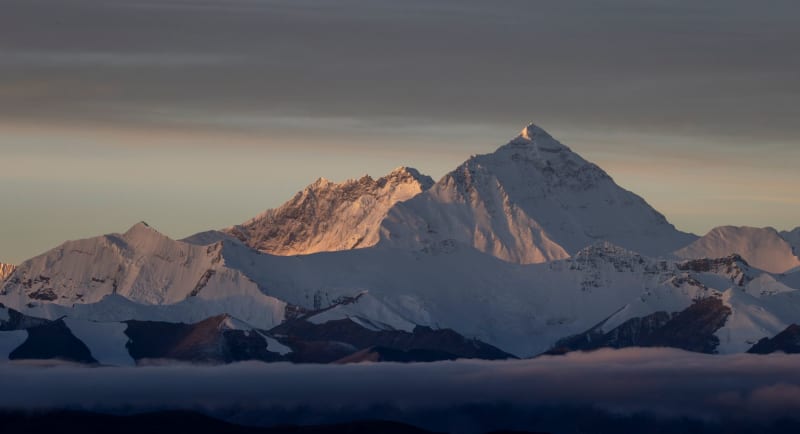 tibet
tibet Everest Base Camp (Tibet)
The Tibetan north face of Everest offers what Nepal's south side cannot: a dirt road to 5,200 metres and an unobstructed view of the mountain's full pyramid rising above the Rongbuk Glacier.
Explore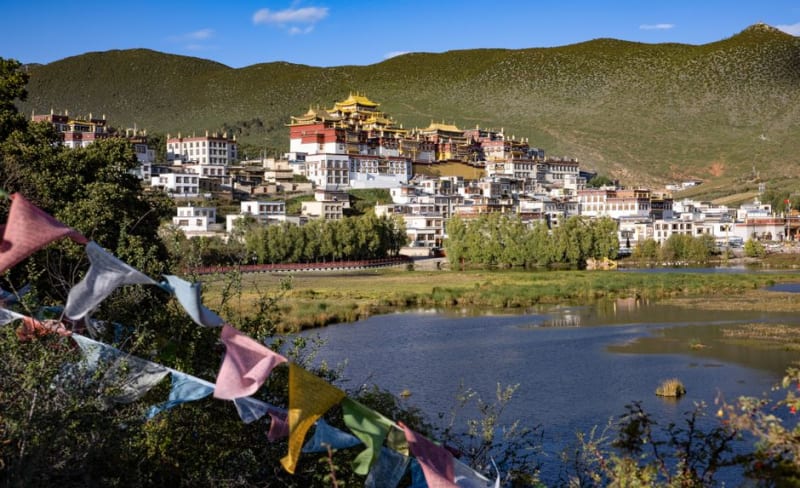 tibet
tibet Ganden Monastery
A ruined and rebuilt monastery on Wangbur Mountain, where Gelugpa Buddhism began and pilgrims still circle the ridge at 3,800 meters.
Explore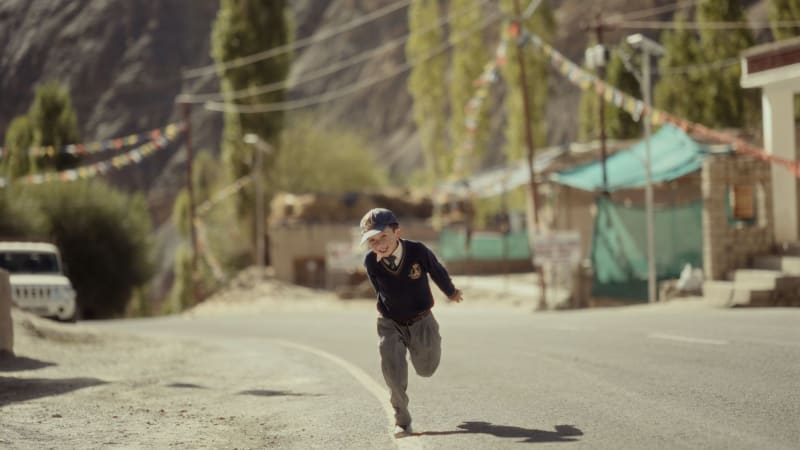 tibet
tibet Gyantse
A quiet fortress town on the old Silk Road caravan route, Gyantse holds the Kumbum — a nine-storey chorten containing 75 chapels that is one of the most architecturally extraordinary structures in all of Tibet.
Explore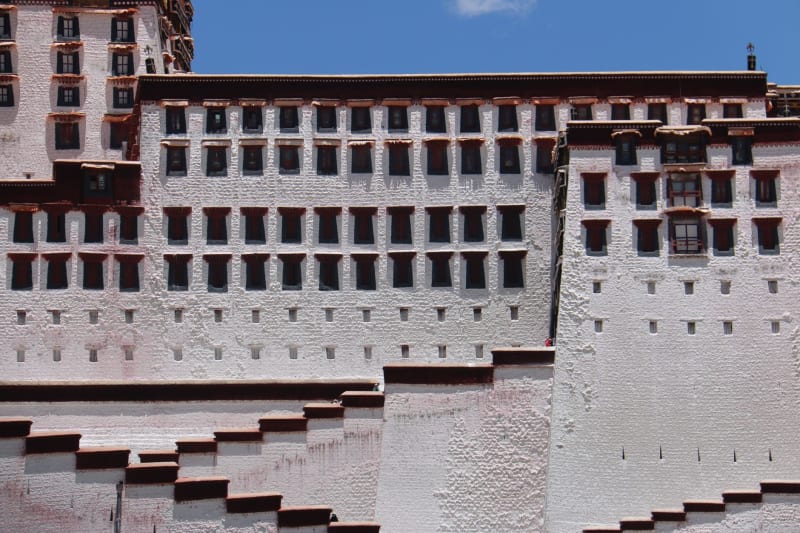 tibet
tibet Lhasa
Tibet's sacred capital sits at 3,650 metres where butter-lamp smoke and the hum of spinning prayer wheels greet you before your lungs have quite caught up.
Explore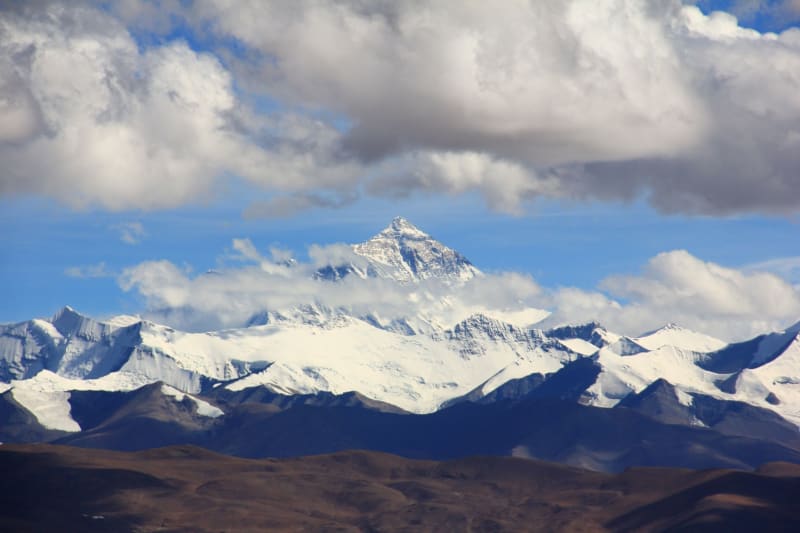 tibet
tibet Mount Kailash
The most sacred mountain on earth to four religions, Kailash rises in perfect symmetry above the western Tibetan plateau — a peak no one climbs and everyone circles, in a journey that compresses three days of altitude and altitude into something close to a reckoning.
Explore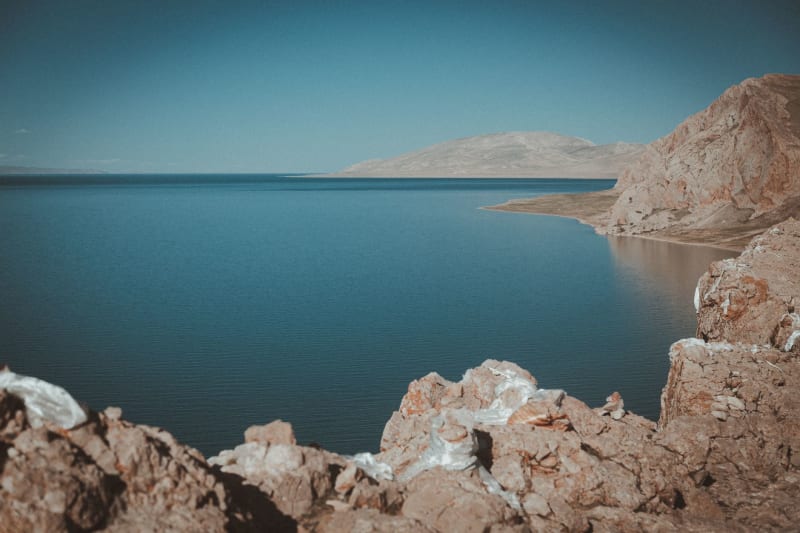 tibet
tibet Namtso Lake
At 4,718 metres, Namtso is one of the highest saltwater lakes on earth — an inland sea of hallucinatory blue ringed by snow peaks and populated by yaks, nomads, and the occasional stunned traveler.
Explore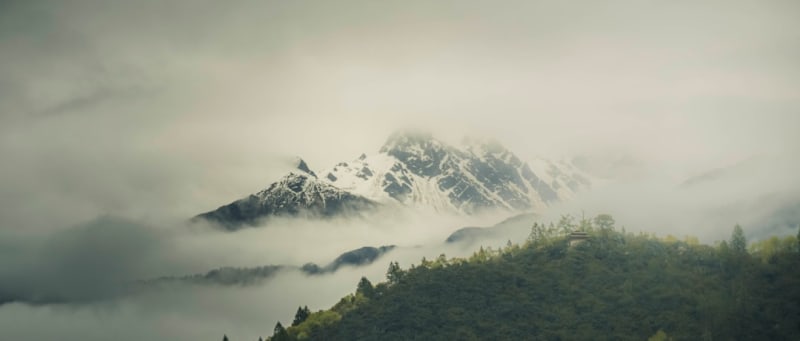 tibet
tibet Nyingchi
Eastern Tibet's green exception — Nyingchi sits low enough for forests of cypress and peach blossom, where the Yarlung Tsangpo carves through the world's deepest gorge and the landscape looks nothing like the plateau you arrived from.
Explore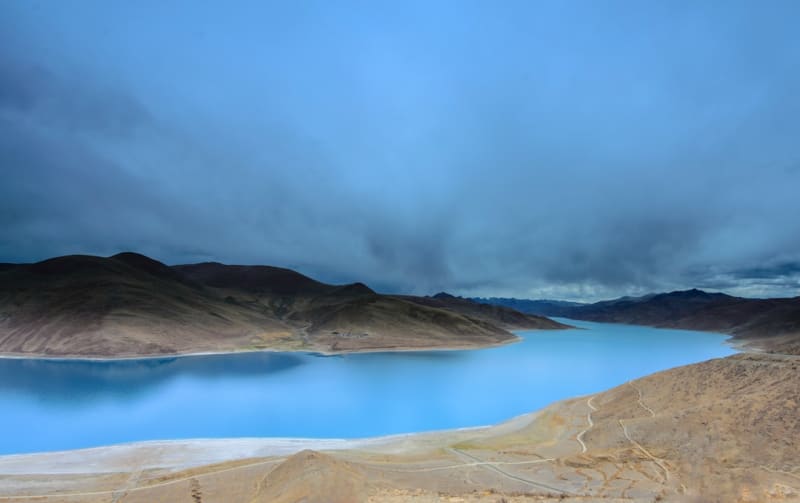 tibet
tibet Sakya
The grey-and-white-striped walls of Sakya Monastery rise from a flat valley like something from another continent — the seat of a dynasty that once ruled all of Tibet, still holding one of the world's great collections of Buddhist manuscripts and art.
Explore tibet
tibet Samye Monastery
Tibet's first monastery, founded in the 8th century on a sandbar in the Yarlung Tsangpo, is a mandala built to architectural scale — a cosmic map you can walk through, surrounded by desert dunes that look like they belong on a different continent.
Explore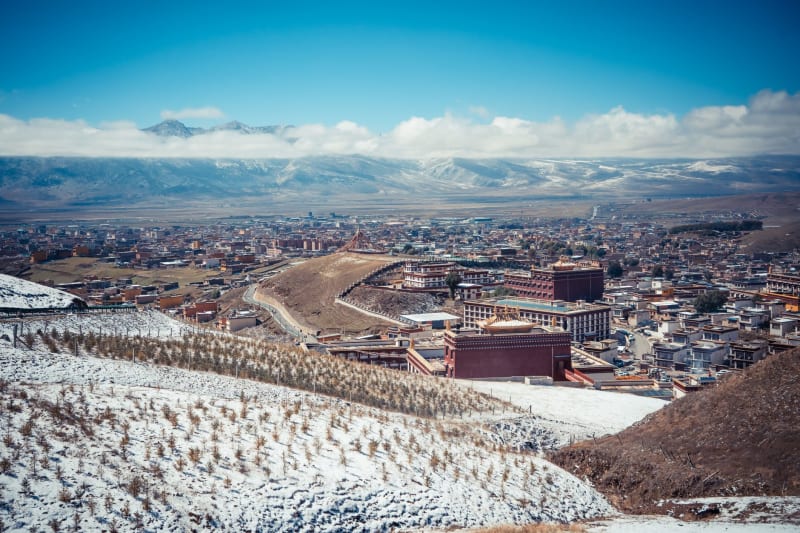 tibet
tibet Shigatse
Tibet's second city is anchored by Tashilhunpo Monastery, seat of the Panchen Lama, where golden roofs blaze against a hillside of whitewashed walls and the scent of incense drifts through courtyards busy with monks.
Explore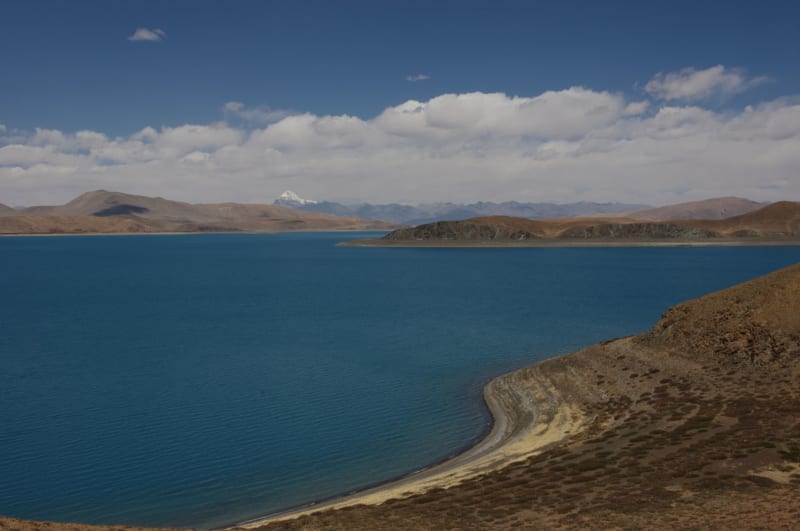 tibet
tibet Yamdrok Lake
One of Tibet's three great sacred lakes, a coiling turquoise body of water at over 4,400 metres that fans out below the Kamba La pass in colours that look frankly invented.
Explore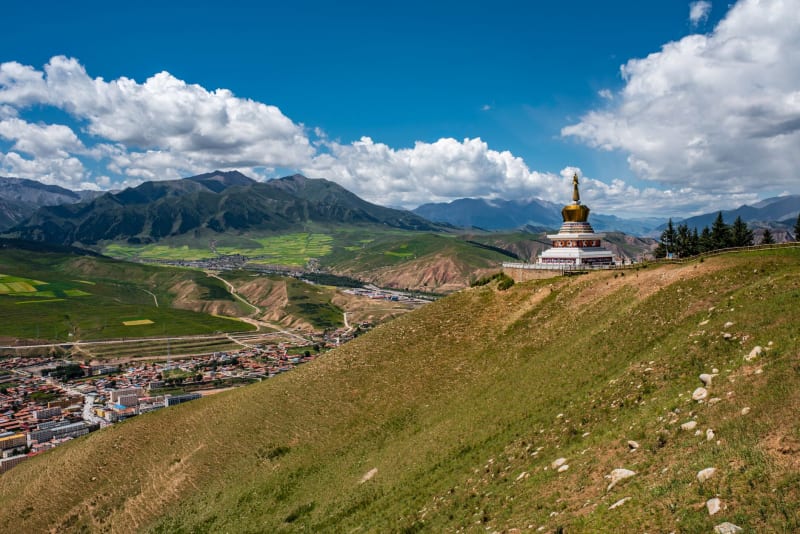 tibet
tibet Yarlung Valley
The cradle of Tibetan civilization runs south of Lhasa along the Yarlung Tsangpo, where the first Tibetan kings built their palaces on the hillsides and the oldest monasteries in the country still occupy the same ground they've held for fourteen centuries.
Explore