Palo Duro Canyon
"You drive across nothing for hours and then the ground simply opens up and turns red."
The Crack in the Flat
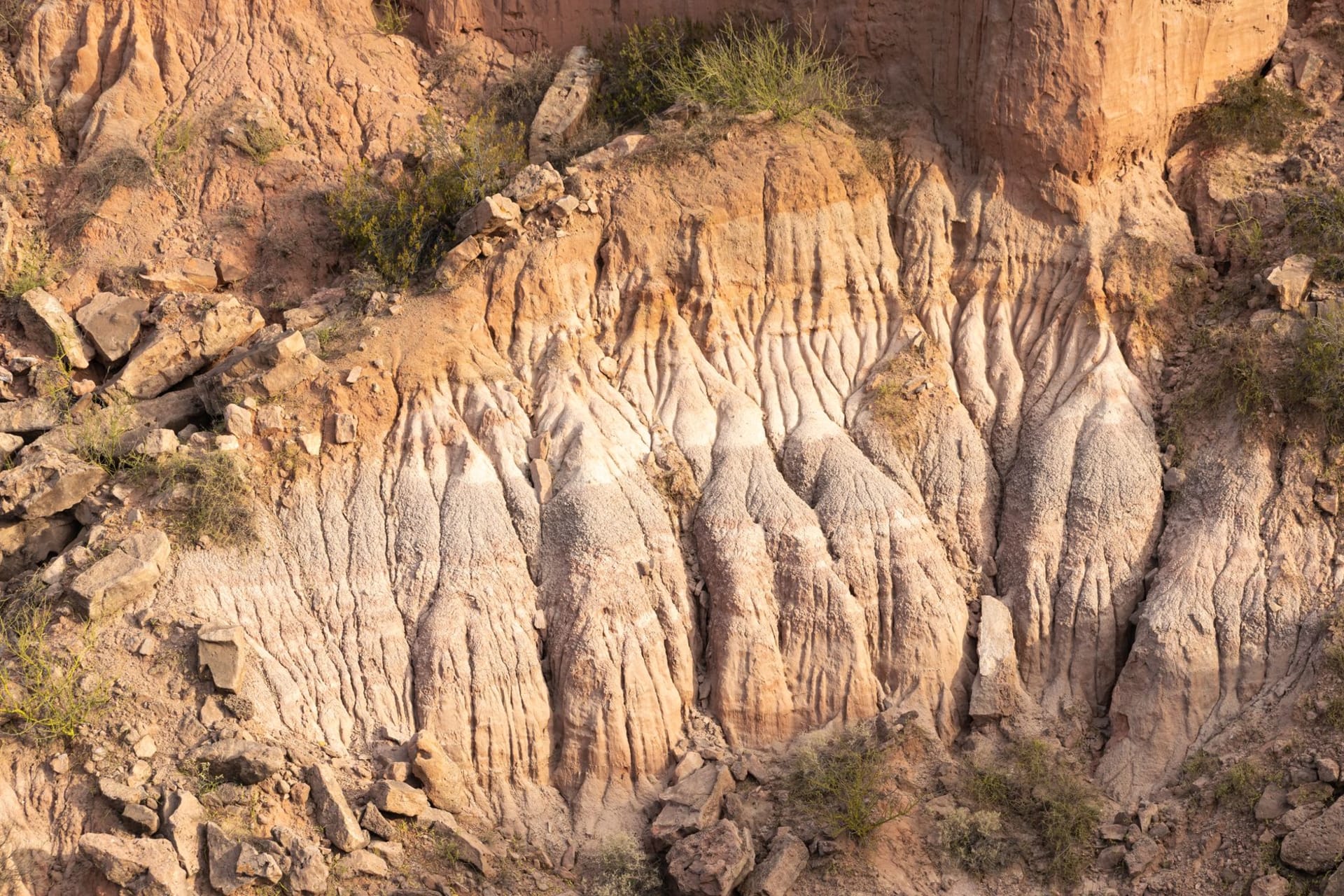
The thing about the Texas Panhandle is that it is flat in a way that stops being boring and becomes almost philosophical. Lia and I drove down from Amarillo across a landscape so level it felt like a rendering error, and I had genuinely started to wonder why we had bothered. Then the road tips over an edge you never saw coming, and Palo Duro Canyon opens up beneath you, eight hundred feet deep and glowing red. It is the second-largest canyon in the country after the Grand, and I would bet most Americans could not place it on a map.
The geology does the showing off. The walls run through bands of red claystone, white gypsum, and orange sandstone, stacked like sediment in a glass, and a lone hoodoo called the Lighthouse stands out on the canyon floor as the park’s signature formation. We hiked the Lighthouse Trail in the early morning specifically to avoid what the rangers had warned us about, which is heat — the canyon floor traps it, and by midday in summer it becomes genuinely dangerous. At 7 a.m. it was merely warm and completely silent except for cactus wrens.

Comanche Ground
This is not empty land, and it never was. Palo Duro was a stronghold of the Comanche and Kiowa, who wintered in its shelter for the water and game, and it was the site of an 1874 cavalry attack — the Red River War — in which the U.S. Army destroyed the tribes’ horse herd, slaughtering over a thousand animals to break their ability to resist. You stand in this gorgeous red place and the history sits underneath it, and the park does at least acknowledge this rather than papering over it. I found it hard to look at the canyon the same way afterward, which I think is the correct response.
Charles Goodnight ran cattle here right after, founding the JA Ranch on the canyon floor, and that ranching history is the version most often told. Both stories are true. The land has been fought over precisely because it is the one good place for a hundred miles in every direction.
The Musical and the Night Sky
In summer the park stages an outdoor musical called Texas in a natural amphitheater against the canyon wall, complete with fireworks and people on horseback — the kind of earnest, large-scale local spectacle I am constitutionally inclined to mock and ended up enjoying without irony. We stayed for it on a friend’s recommendation and I am glad we did.
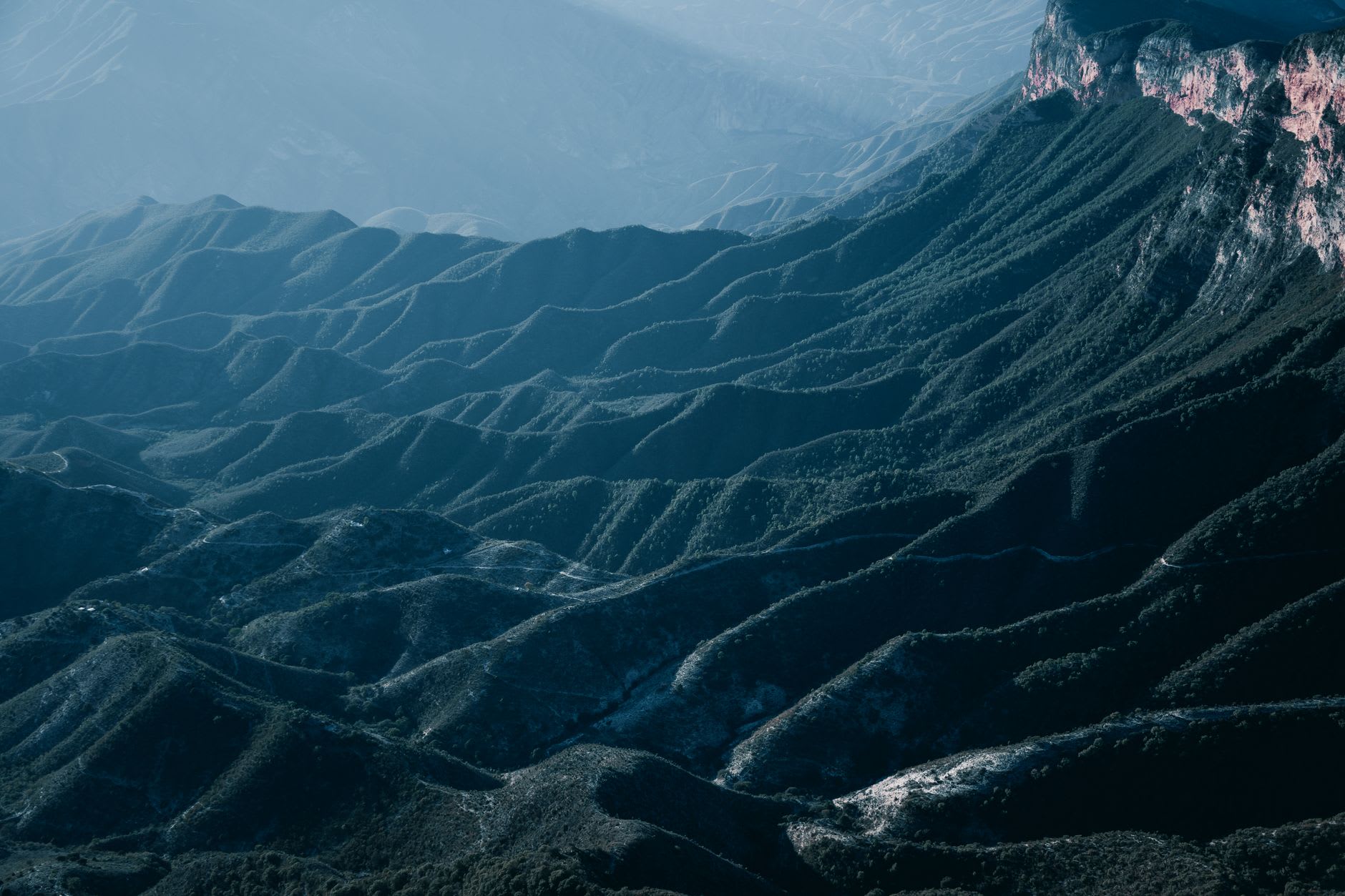
After dark, with the Panhandle’s thin dry air and minimal light pollution, the stars over the canyon are absurd. We lay on the still-warm rock of a pullout and watched satellites cross while Lia named the constellations she knew and invented plausible names for the ones she did not. That, more than the hiking, is the memory that stuck.
When to go: Spring and autumn for hikeable temperatures; the canyon floor in July and August is a furnace and should be treated with real caution. Carry far more water than you think you need, start early, and book a campsite or one of the historic cabins on the rim well in advance for summer weekends.