Fredericksburg
"I came for the wine and stayed for the strange, wonderful collision of Bavaria and Texas."
A Hill Country town where German limestone houses, vineyards, and Admiral Nimitz's story sit side by side under a big Texas sky.
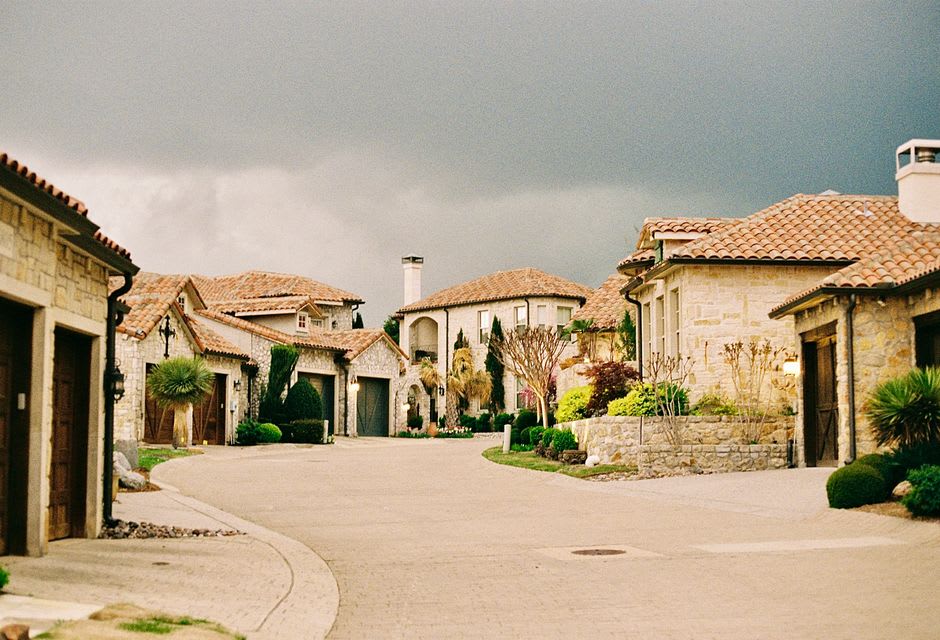
Lia and I drove into Fredericksburg from Austin with no real plan beyond “German food and wine,” and within twenty minutes of parking on Main Street I understood this was going to be a stranger trip than I’d expected. The storefronts are cut from pale limestone, the menus mix schnitzel with brisket, and half the signage still nods to the town’s founding in 1846, when German immigrants under John O. Meusebach settled here through the Adelsverein colonization society. I ordered a plate of sausage and sauerkraut at a place that felt more like Freiburg than anything I’d seen since leaving Europe, and Lia kept laughing at how thoroughly it didn’t match her mental image of Texas.
What got me most were the Sunday houses tucked along the side streets — small nineteenth-century limestone dwellings that German farm families kept in town so they’d have somewhere to sleep after riding in for Saturday market and Sunday church. We wandered past a row of them one morning, low-roofed and modest, porches barely big enough for two chairs, and I found myself doing the math on how far some of those families must have traveled by wagon just to make the trip worthwhile.
The other surprise was the National Museum of the Pacific War, which sits on the site of the old Nimitz Hotel — the hotel that belonged to the family of Admiral Chester W. Nimitz, who grew up in this town before commanding the Pacific fleet in World War II. I hadn’t expected to spend an afternoon reading about naval strategy in the middle of Hill Country wine country, but the museum is genuinely well done, and it reframed the whole visit for me: this quiet town produced someone who shaped the outcome of the war in the Pacific.
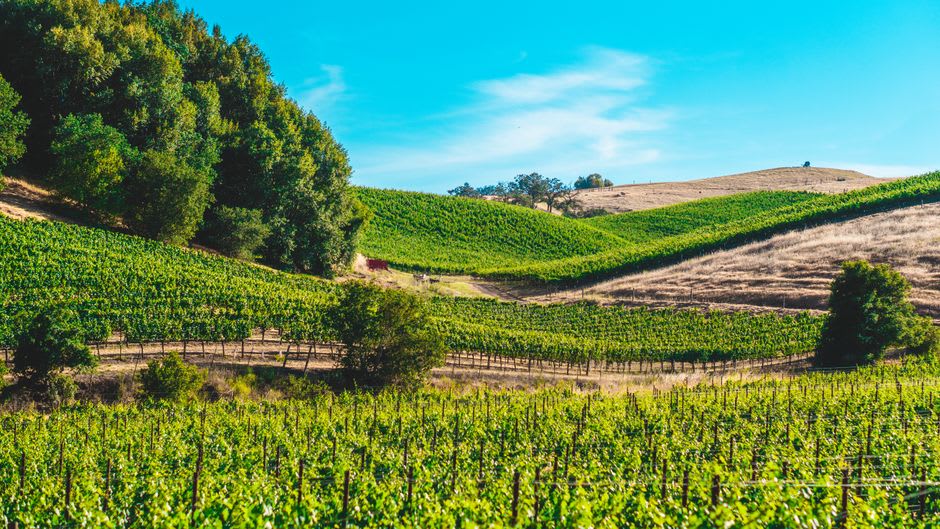
We closed out the trip the way most people probably do, driving Highway 290 through the wineries that ring the town, stopping for a lazy tasting flight as the light went gold over the vines.
When to go: I’d aim for spring, March through May, when the bluebonnets and other wildflowers turn the Hill Country roadsides blue and gold — or come in October, when the town leans hard into its German roots for Oktoberfest.
Keep exploring
More from Texas
 texas
texas Galveston
A Victorian Gulf Coast island that survived a catastrophic 1900 hurricane, rebuilt taller, and preserved an architectural inventory that makes every other Texas beach town look temporary.
Explore texas
texas Texas Hill Country
A limestone plateau west of Austin where German settlers planted vineyards in the 1840s, wildflowers cover the roadsides every spring, and the rivers are cold enough to be a minor shock in July.
Explore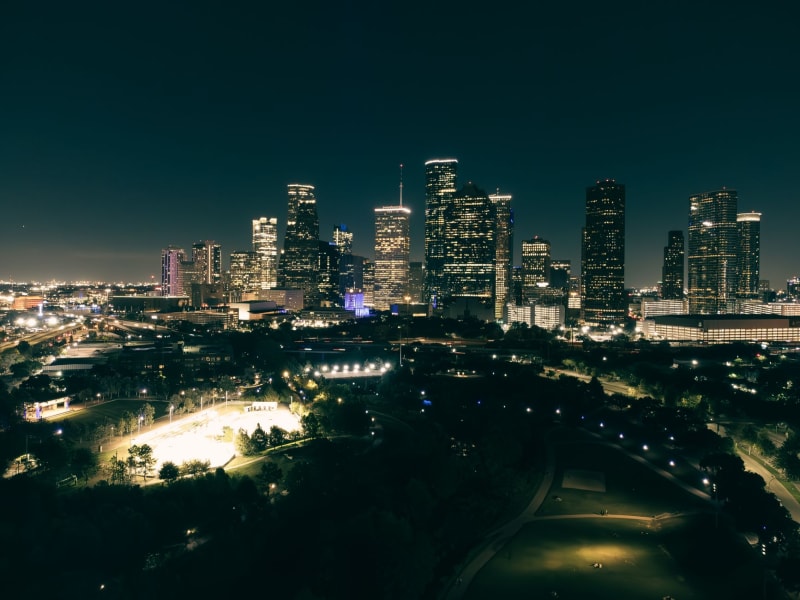 texas
texas Houston
The most genuinely international city in the American South, with a food scene that reflects 145 languages spoken within city limits.
Explore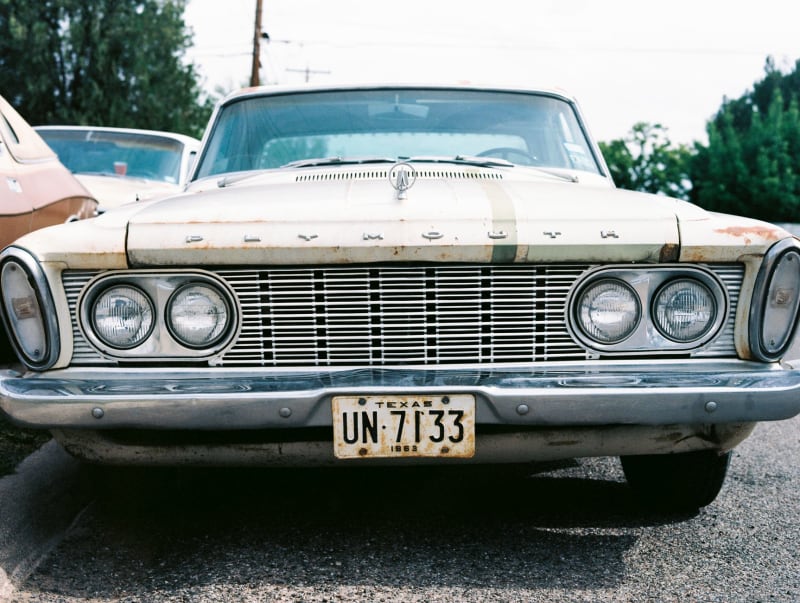 texas
texas Marfa
A Chihuahuan Desert railroad town that became a contemporary art pilgrimage site and somehow hasn't lost the quality that made it worth the drive.
Explore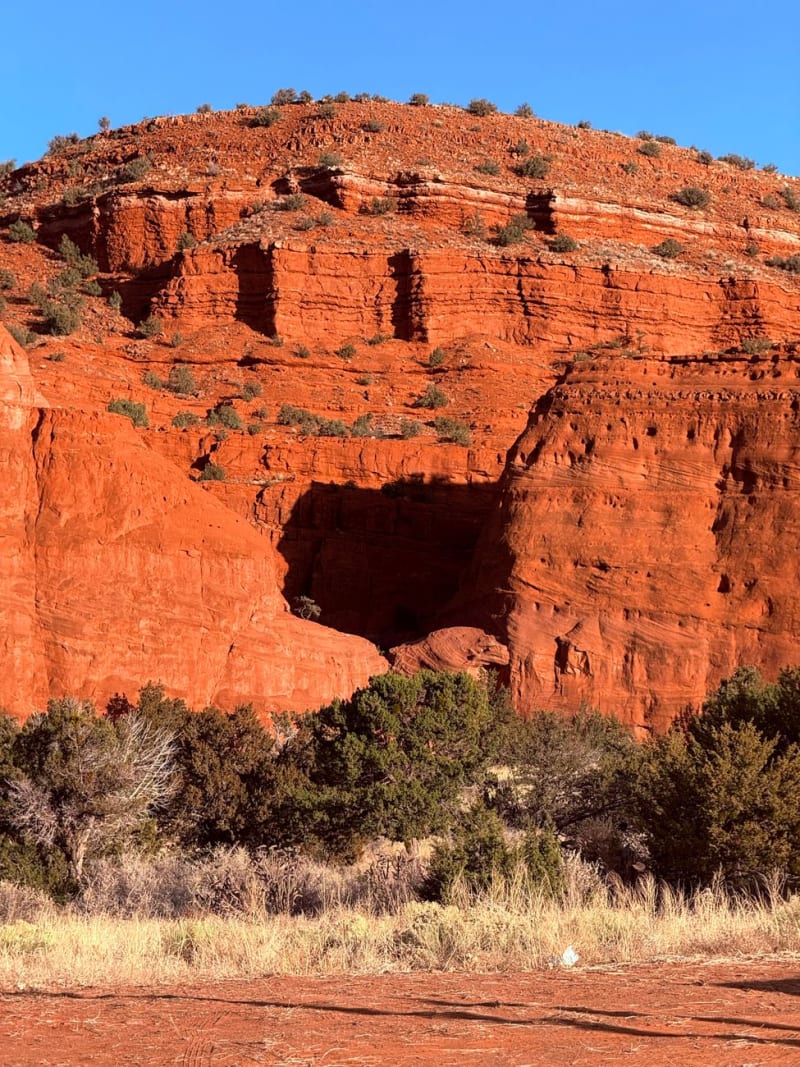 texas
texas Palo Duro Canyon
The second-largest canyon in the United States, a thousand-foot red gash in the flat Texas Panhandle that almost nobody outside the state seems to know exists.
Explore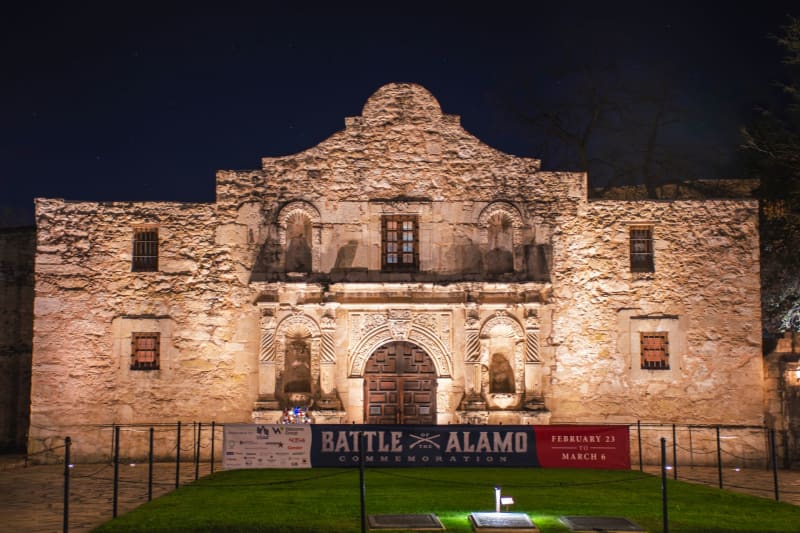 texas
texas San Antonio
A city built on layers of Spanish colonial ambition, Mexican resilience, and Texan myth-making — and where the River Walk genuinely earns its reputation.
Explore