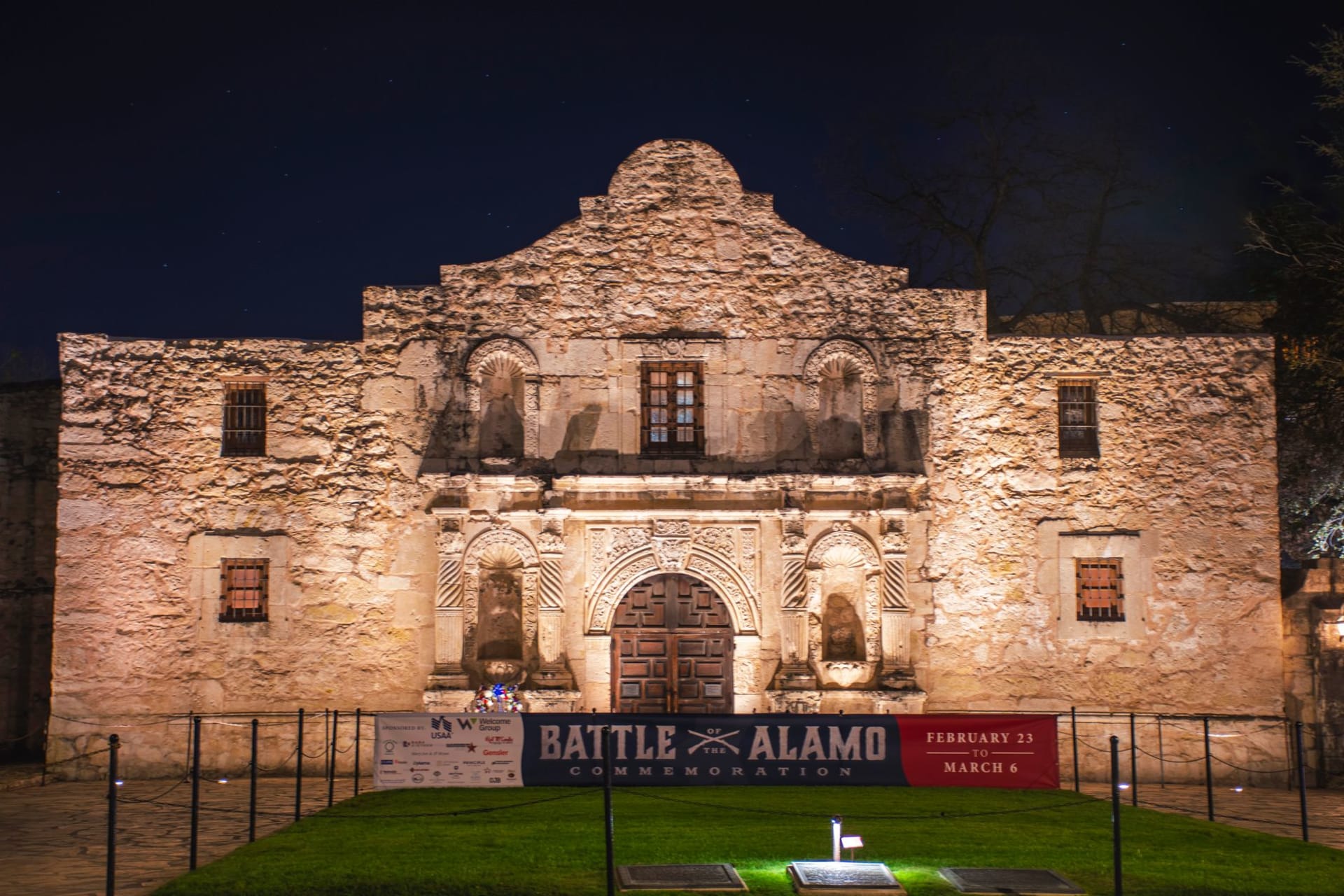
San Antonio
"The Alamo is smaller than everyone expects and more complicated than the gift shop suggests."
A city built on layers of Spanish colonial ambition, Mexican resilience, and Texan myth-making — and where the River Walk genuinely earns its reputation.

San Antonio does something that most American cities don’t bother with: it takes its own history seriously, even when that history is uncomfortable and contested. The city sits at a geographic and cultural crossroads — between Mexico and Texas, between colonial Spain and the Republic — and it wears that complexity openly if you know where to look past the souvenir shops.
I came here from Mexico City and felt a particular kind of recognition. The Spanish-language signage, the smell of masa and chili in the market, the way certain surnames on building plaques connect back across the Rio Grande — San Antonio is the American city that most resembles a Mexican city, and that is not an accident of geography.
The Alamo and What It Actually Tells You
Everyone who visits the Alamo experiences the same calibration moment: you expect something monumental and you find something the size of a small church, standing in a plaza surrounded by downtown hotels. The shock of its smallness is itself informative — a reminder that legends expand while stones stay put.
What the Alamo tells you most honestly is the story of Texas’s founding violence. The mission predates the famous battle by over a century, built by Franciscan friars to convert the Coahuiltecan people whose presence it then systematically erased. The 1836 siege came much later and much more dramatically. The museum inside grapples with both histories more honestly than it did a decade ago, which is worth noting.
The River Walk at Hours Nobody Tells You About
The River Walk’s reputation precedes it so aggressively that most visitors arrive prepared to be disappointed. The trick is time: at 7 AM on a weekday, before the tour boats start and while the restaurant chairs are still stacked, the River Walk is genuinely lovely. The cypress roots grip the limestone banks. The water is a shade of green that looks filtered. Ibises stand on the rocks completely unbothered.
I walked the full length before breakfast and saw maybe twenty people. In the evenings, it becomes the San Antonio you were warned about — loud, tourist-dense, every third doorway selling frozen margaritas. But the morning version is something else.
Market Square and the Real Meal
El Mercado is two blocks of craft stalls and restaurants anchored by Mi Tierra, a restaurant that has operated continuously since 1941 and doesn’t appear to have changed its interior design since approximately 1963. The lighting is fluorescent, the booths are red vinyl, the walls are covered in murals and Christmas lights, and the menu runs to forty pages. I ordered chile verde with rice and beans and a cup of coffee that arrived in a mug the size of a small bucket.
This is not elevated cuisine. It is exactly what it is, which is to say it is very good.
The Mission Trail Beyond the Famous One
Four other Spanish missions line the San Antonio River south of the Alamo, and almost nobody visits them. Mission San José is the most complete — its rose window carved in limestone is one of the finest examples of Spanish colonial stonework in North America. I arrived at Mission Concepción as afternoon light hit the facade at a low angle that turned the stone from buff to amber. Two families were having a picnic in the courtyard. A monk walked past without looking up from his breviary.
When to go: March and April before summer heat arrives, or October and November. Fiesta in April brings the city to a particular joyful madness — worth timing for if you enjoy crowds with a genuine communal spirit rather than tourist-manufactured festivity.
Keep exploring
More from Texas
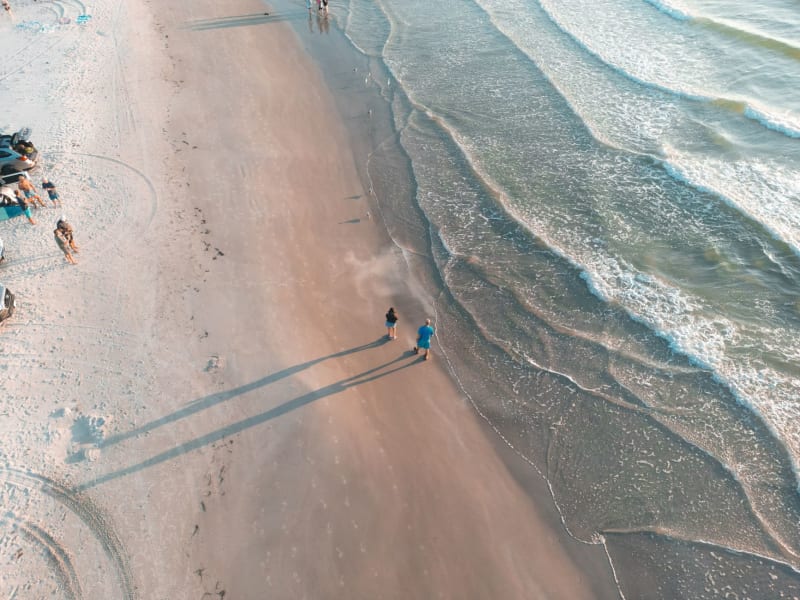 texas
South Padre Island
A narrow barrier island at the southern tip of Texas where the Gulf is genuinely turquoise, the birding is world-class, and the spring break reputation obscures a genuinely interesting coast.
Explore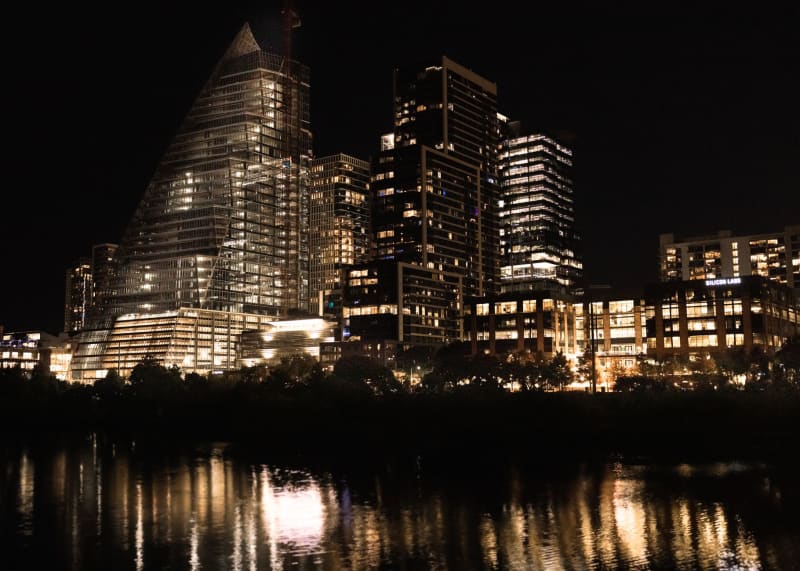 texas
Austin
A city that turned its own weirdness into a brand before weirdness became a commodity, and somehow still delivers the goods.
Explore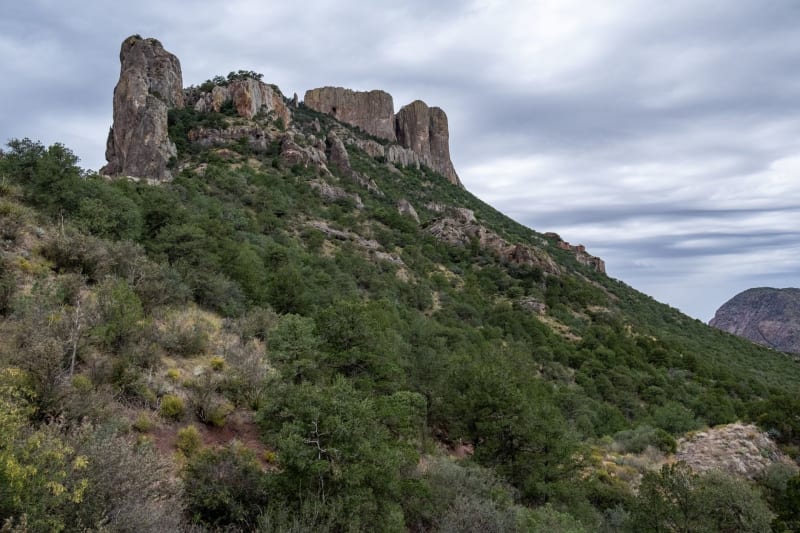 texas
Big Bend
The most remote corner of a large state, where the Rio Grande cuts a canyon a thousand feet deep and the sky at night is the actual Milky Way.
Explore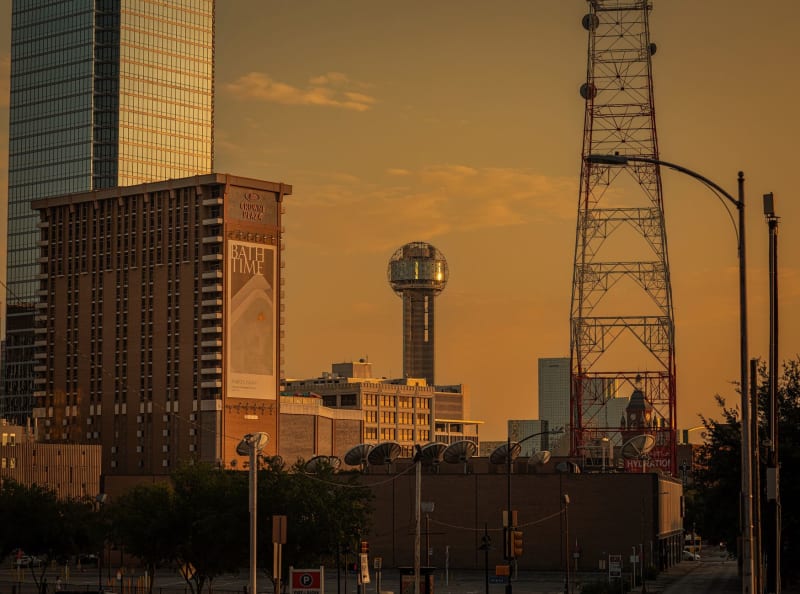 texas
Dallas
Texas's most self-consciously urban city, with an arts district that punches above its weight and a food scene that has spent the last decade figuring out what it actually wants to be.
Explore texas
El Paso
A border city pressed between the Franklin Mountains and the Rio Grande, more culturally continuous with Juárez across the river than with Dallas six hundred miles east.
Explore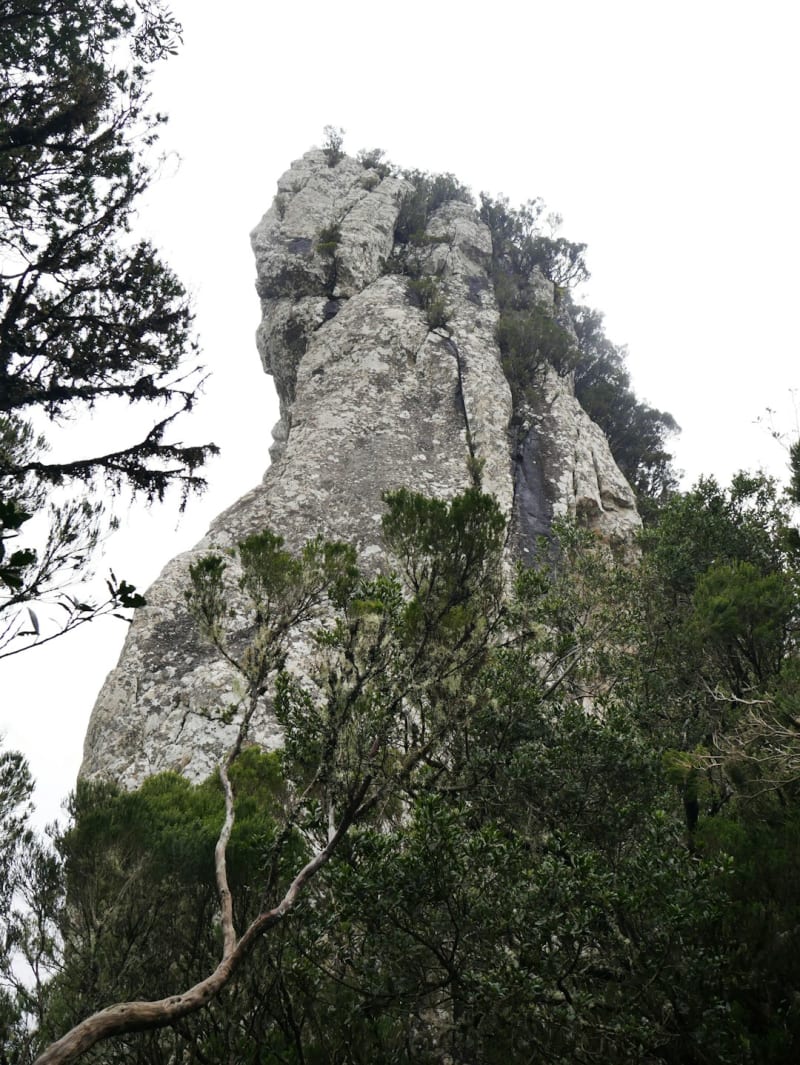 texas
Enchanted Rock
A billion-year-old pink granite dome rising out of the Texas Hill Country, and the best sunrise hike Lia and I found near Fredericksburg.
Explore