El Paso
"From the mountain, you can't tell where El Paso ends and Juárez begins. That's the most honest thing the landscape says."
El Paso sits in the far west corner of Texas, geographically closer to San Diego than to Houston, and the distance shows in every cultural register. The city shares a metro area with Juárez, Chihuahua — together they form one of the largest binational urban concentrations in North America — and the border here is the Rio Grande, which in dry seasons is barely a river at all. Standing in downtown El Paso, you can see the streets of Juárez without assistance. The distinction between the two cities is legal and administrative more than it is geographic or cultural.
I arrived from Ciudad Juárez, crossing the Paso del Norte bridge on foot, and the shift was less dramatic than I expected — the same Spanish signage, many of the same family names, the same Chihuahuan Desert light hitting the same Sierra Madre Occidental foothills from the same angle.
The Franklin Mountains at Morning
Franklin Mountains State Park sits entirely within city limits — the largest urban park in the United States, 24,000 acres of Chihuahuan Desert that divides El Paso’s east and west sides along a rocky ridge. The Ranger Peak Tramway carries you 5,632 feet in under four minutes, and from the platform the city spreads below you in all directions: El Paso’s basin to the south and west, Juárez visible as a continuation of the same urban fabric, the Rio Grande winding as a thin grey thread at the base of everything.
I hiked the Aztec Cave Trail early on a November morning when the temperature was still in the forties and the trail had the quality of something I’d found rather than arrived at. Cactus wrens scolded from the cholla. The city noise faded to silence within ten minutes of the trailhead.
El Paso Street Food and the Chile Question
El Paso’s food culture is specific: not Tex-Mex as practiced in San Antonio or Dallas, but a more direct extension of Chihuahuan cooking — green chile is the organizing principle, appearing in forms that trace directly to what’s served across the river. The burritos are large and simple: flour tortillas, refried beans, whatever protein, green chile sauce in a quantity that qualifies as structural rather than garnish.
The Central El Paso produce markets along El Paso Street operate with the casual familiarity of Mexican mercados — bulk dried chiles, piloncillo, fresh masa, vendors who assume you know what you’re looking at. I bought a pound of dried Hatch chiles without entirely knowing what I’d do with them, which is the correct approach.
The Missions of the Lower Valley
Three Spanish missions predate the city itself — Ysleta, Socorro, and San Elizario — strung along the Rio Grande in the rural Lower Valley south of downtown. They are among the oldest continuously operating European religious sites in the United States, all founded in the 1680s by Spanish colonizers retreating north after the Pueblo Revolt in New Mexico.
Ysleta del Sur sits on land belonging to the Tigua people, who maintained the mission and the pueblo through three centuries of political boundary changes — Spanish, Mexican, Republic of Texas, United States — while remaining a continuous community. I arrived on a weekday and had the courtyard entirely to myself. The bell tower was being repainted by two men on scaffolding who nodded without pausing.
The View Across the Wire
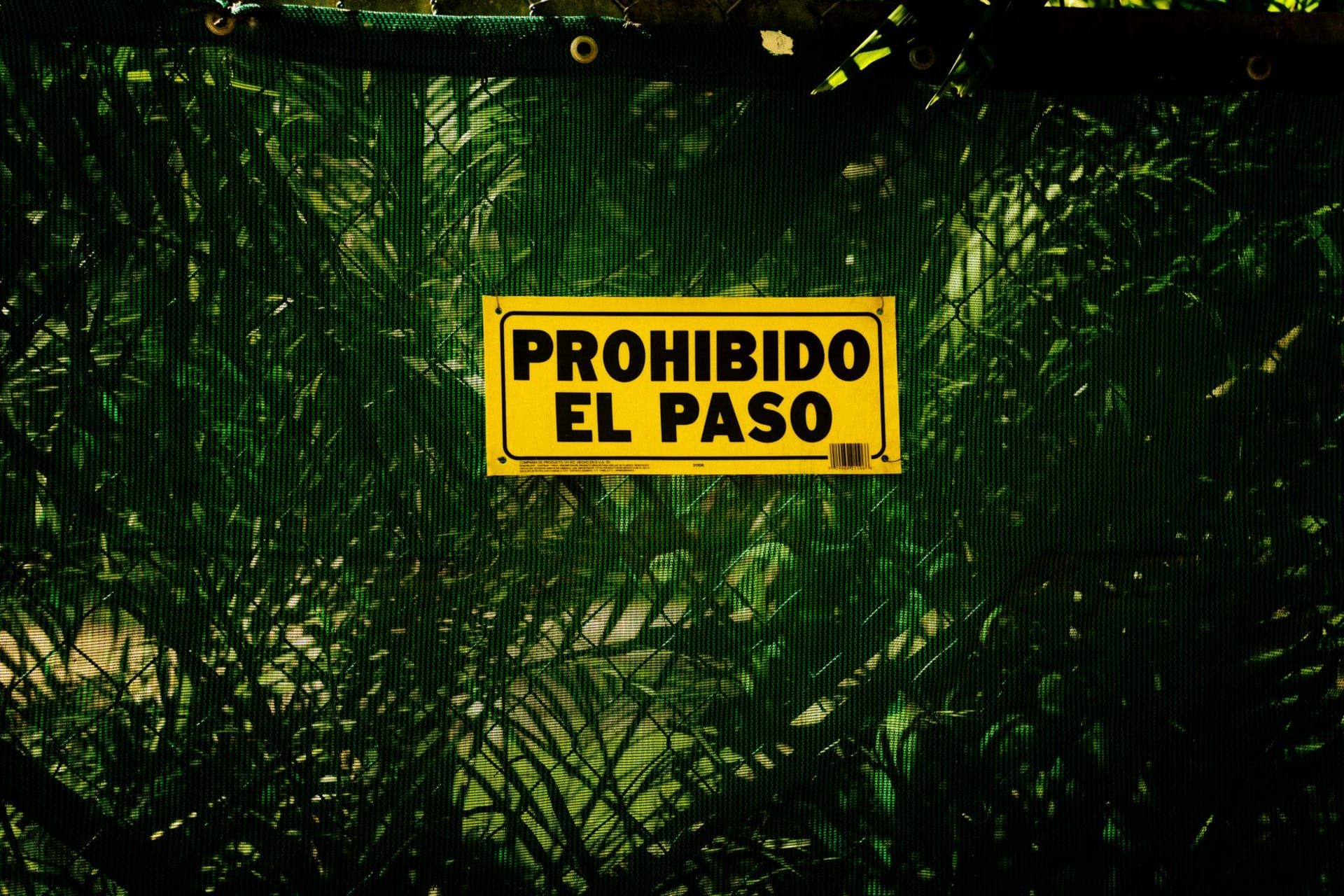
What El Paso offers that no other Texas city does is the daily proximity of border reality — not as a news abstraction but as a lived geography. From Scenic Drive, which traces the base of the Franklin Mountains, you look directly across the Rio Grande into Juárez. The wall — sections of bollard fence, sections of older infrastructure — is visible from most of the city’s high points, which gives it a particular weight that maps and photographs don’t convey.
When to go: March through May and October through November. Summers are dry desert heat — manageable compared to Houston’s humidity but still genuinely hot, with June and July pushing above 100. Winter days are mild and sunny; nights drop below freezing and the mountain trails sometimes see snow, which is beautiful and fleeting.