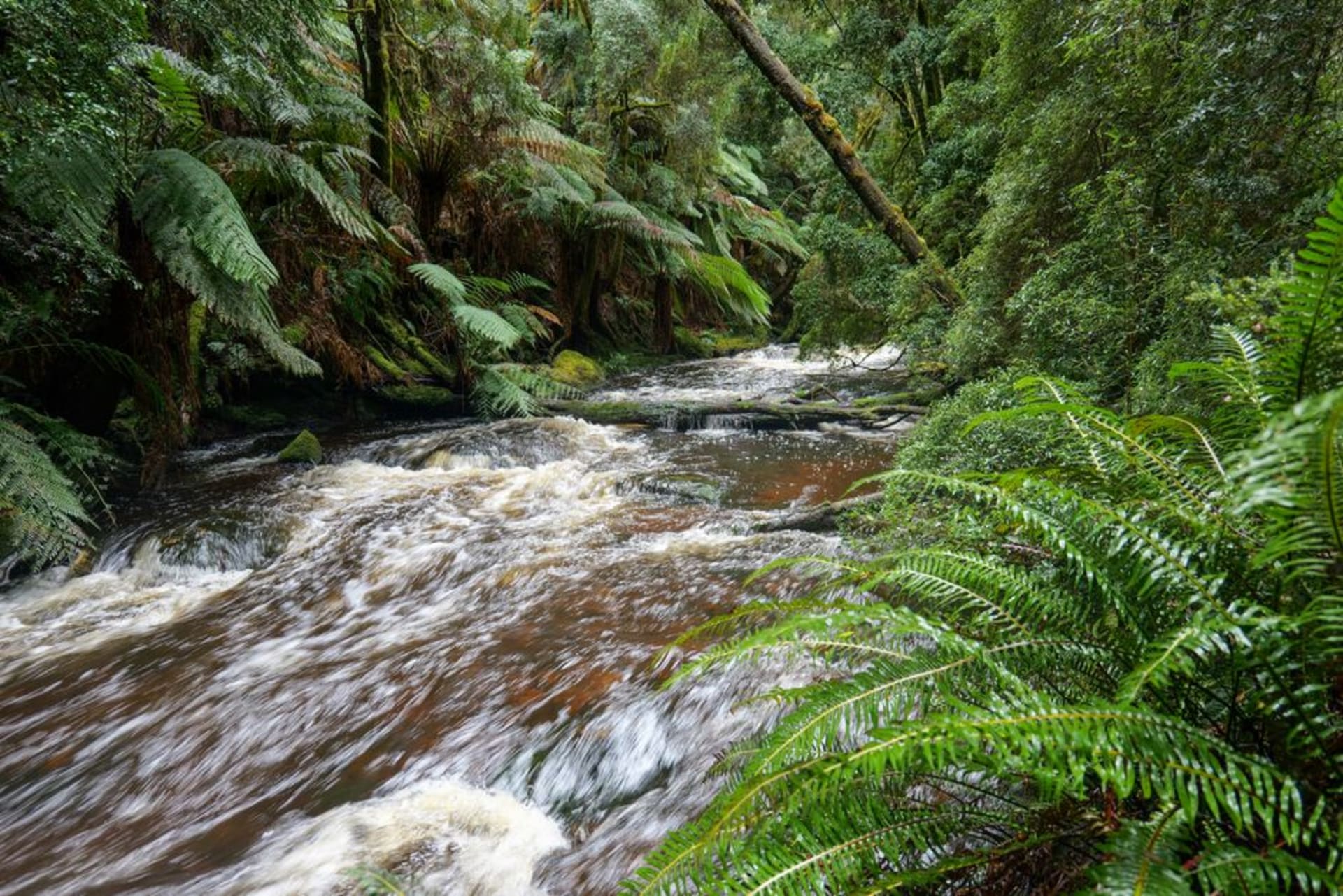
Tarkine Wilderness (takayna)
"Some forests you walk through. This one, I felt like I was being let into."
A vast, untouched rainforest wilderness on Tasmania's wild northwest coast, thick with ancient trees and quiet river crossings.
I’ll be honest, Lia and I almost skipped takayna. We’d already spent a week bouncing around Tasmania’s east coast beaches, and the drive out to the northwest felt like a detour too far. I’m so glad we didn’t listen to that voice. Nothing on this island prepared me for the scale of it — 447,000 hectares of temperate rainforest, the largest single tract left in the whole Southern Hemisphere, and almost none of it developed. We drove in on a gravel road that got narrower and greener by the kilometer, until the eucalypt forest gave way to something older and darker, all myrtle beech and huddled ferns, and I remember Lia just saying “okay, pull over” without finishing the sentence.
We based ourselves near Arthur River, the little settlement that sits right on the edge of the wilderness and is basically the only real gateway in. There’s a boat trip there, the “Edge of the World” cruise, that takes you up the Arthur River into the forest itself, and I’d recommend it even to people who think river cruises are for retirees — I thought that too, until I was standing at the bow watching Huon pines lean over black water that’s been running the same way for thousands of years.
What stayed with me longest, though, wasn’t the trees — it was learning how much history is folded into this landscape. This is one of the richest Aboriginal cultural landscapes in Australia, part of the National Heritage-listed Western Tasmania Aboriginal Cultural Landscape, and it holds the highest density of Aboriginal hut sites recorded anywhere in the country. Our guide pointed out shell middens along the coastline that are thousands of years old, and it reframed the whole walk for me — this wasn’t empty wilderness, it was a place people had called home for a very long time before anyone called it “remote.”
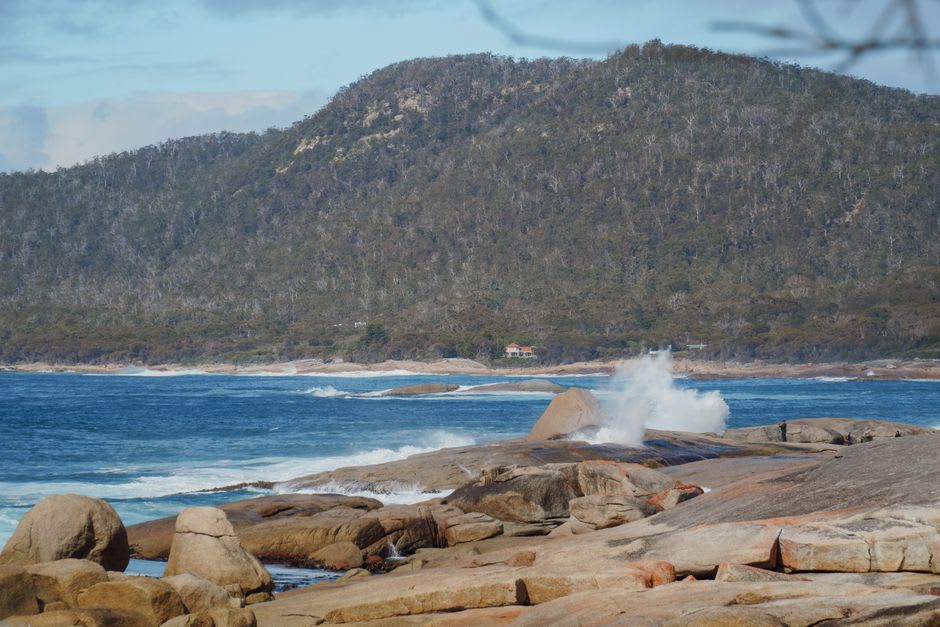
We got lucky with a Tasmanian devil sighting on a night drive out from our cabin — just a flash of eyes and that unmistakable low growl in the dark — and spent one whole dusk scanning the coastal scrub hoping, unsuccessfully, for the orange-bellied parrot, one of the most critically endangered birds on the planet and one that only exists in places like this. Even without seeing it, knowing it was out there somewhere in that scrub changed how I looked at the whole coastline on the drive back.
When to go: We went in January, and I’d steer you toward Tasmania’s summer months, December through February, when the weather holds steady enough for hiking the forest trails and getting out on the river without everything turning to mud.