Oceania
Tasmania
"Tasmania is what happens when a wilderness decides it has nothing left to prove."
I arrived in Hobart on a cold March evening and the first thing I noticed was the quiet. Not the performed quiet of a mountain retreat — actual, structural silence, the kind that means there are fewer than 600,000 people on an island the size of Ireland. The second thing I noticed was the light: low, Tasmanian, carrying a quality I can only describe as honest. It does not flatter. It illuminates.
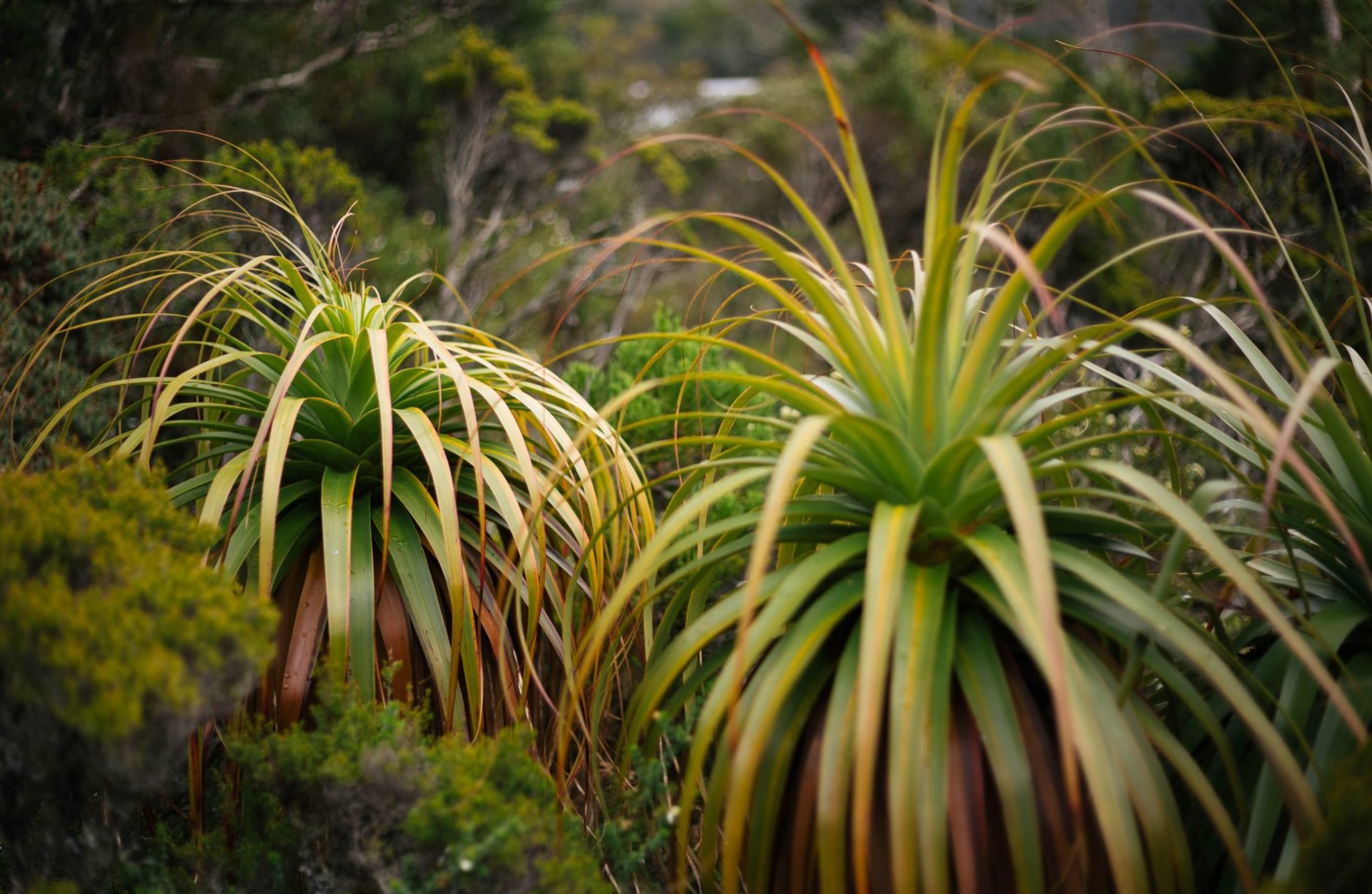
Tasmania earns its wilderness credentials honestly. Cradle Mountain sits at the northern end of a thousand-square-kilometre national park that remains largely inaccessible without considerable effort, and the effort is entirely the point. Pandani palms — those prehistoric-looking giants endemic to Tasmania — line the trail around Dove Lake and give the whole circuit the atmosphere of walking through a landscape that predates you by several geological epochs. Drive east toward the Bay of Fires and the dolerite boulders bleed orange from lichen, and the turquoise of the Tasman Sea against white sand looks improbably tropical for water this cold. Freycinet Peninsula wraps around Wineglass Bay with an elegance that earns every clichéd photograph ever taken of it. I took mine anyway.
Hobart is a proper small city with serious food. The Salamanca Market on Saturday mornings pulls together Tasmanian cheese, smoked fish, and farmed truffles — because yes, Tasmania grows truffles now, in red volcanic soil that apparently suits them. MONA, the Museum of Old and New Art, sits in a sandstone promontory above the Derwent River and contains some of the most confrontational contemporary art I have seen anywhere. David Walsh, its eccentric gambling millionaire founder, built it as a monument to mortality and desire, and it reads that way. You arrive by ferry from Hobart’s waterfront, descend underground, and emerge into something that has no clear analogue. It is not a Bilbao moment. It is stranger than that.
When to go: November through April. Summer days are long and the national parks are accessible, though Cradle Mountain can see snow any month of the year — pack layers regardless. March is my preference: post-Christmas crowds thin out, the light softens, and the temperatures in the highlands are still manageable for multi-day walks.
What most guides get wrong: They treat Tasmania as a detour from Australia rather than as its own destination requiring its own time. Flying in for five days from Sydney, ticking Cradle Mountain and MONA, and leaving is like visiting Patagonia for a weekend. The island rewards slowness — dirt roads that go somewhere unexpected, a conversation with a fisherman in Strahan, a night sky above the central plateau that will recalibrate your sense of scale. Budget two weeks minimum. Three is better.