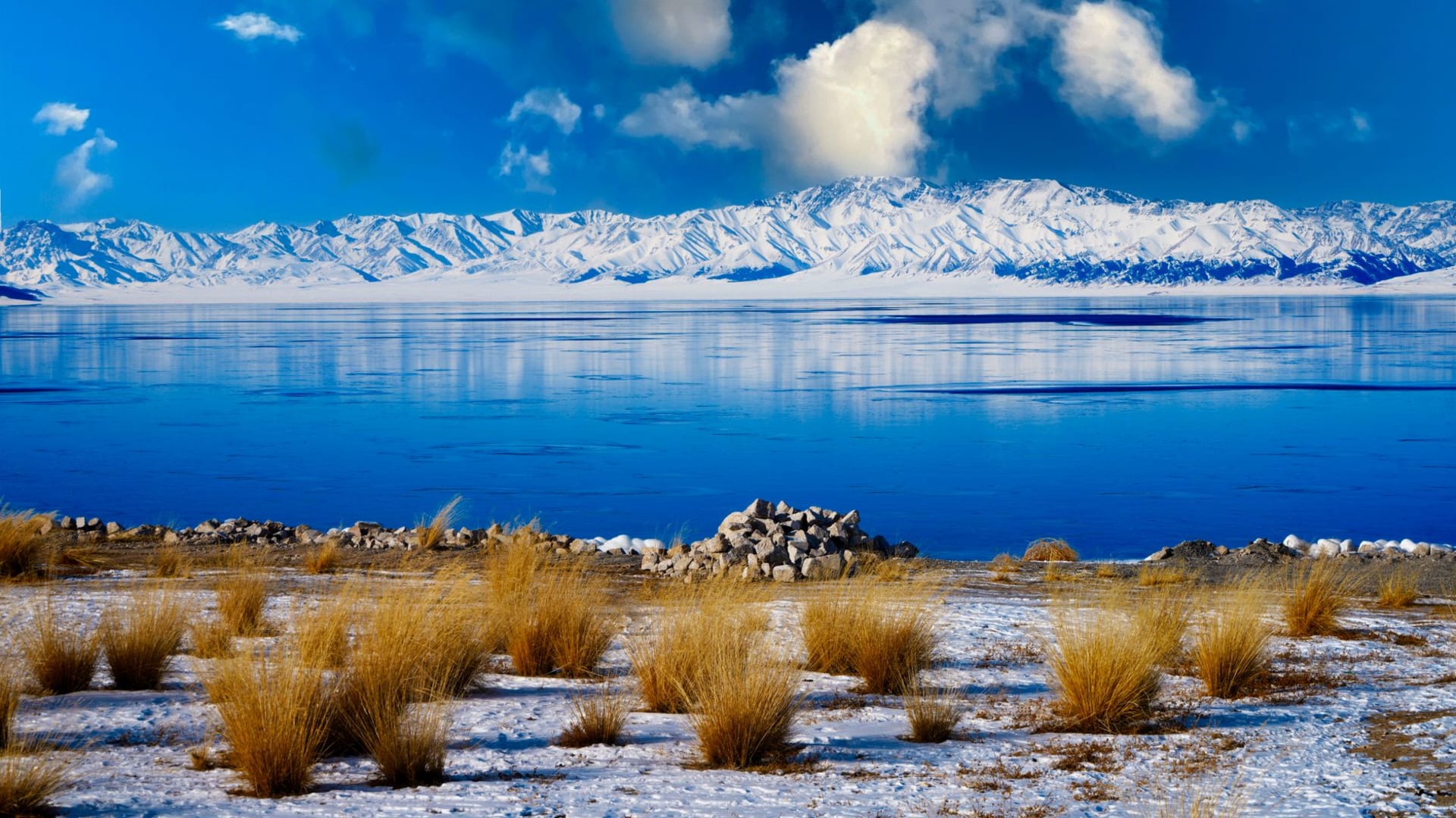
Karakul Lake
"I have never been anywhere that felt less interested in whether I survived it. Karakul does not perform. It simply is, at four thousand metres."
A Lake in a Crater on the Roof of the World
There are places that humble you by their beauty and places that humble you by their indifference. Karakul does both at once. It lies on the high Pamir in eastern Tajikistan, a few hours’ drive south of the Kyrgyz border along the Pamir Highway, sitting in the bottom of an impact crater gouged out of the plateau by a meteorite some ten million years ago. The lake is enormous and improbably blue, salt-dead so that nothing swims in it, ringed by peaks well over six thousand metres, and frozen for much of the year.
We arrived in a battered Soviet-era 4x4 that had spent the whole day grinding over the Ak-Baital pass — at over 4,600 metres, one of the highest road passes in the former USSR — and stepped out at the lakeshore village into air so thin that bending to retrieve a dropped glove left me lightheaded. The altitude is the dominant fact of Karakul. Everything here happens slowly, including breathing.
The Village of Karakul
The village shares the lake’s name and very little of its grandeur: a scatter of low mudbrick and concrete houses, a school, a couple of shops with bare shelves, and a population of ethnic Kyrgyz who herd yaks and sheep on the surrounding plateau and endure winters that I cannot honestly imagine. We stayed in a homestay — the standard arrangement out here, and the only one — sleeping on thick mattresses on the floor of a room kept warm by a dung-fired stove, the only heat source for hundreds of kilometres.
Our host’s wife served us a dinner of fatty mutton, fresh bread, and endless bowls of salty milk tea, refilling my cup the instant it was empty in the relentless hospitality of the high mountains. Communication was almost entirely by gesture and shared laughter. That evening, wrapped in everything I owned, I went out to the edge of the lake as the light failed. The water had gone black and the peaks held the last of the sun, and the silence was so total that I could hear the blood in my own ears.
The Walk to the Shore
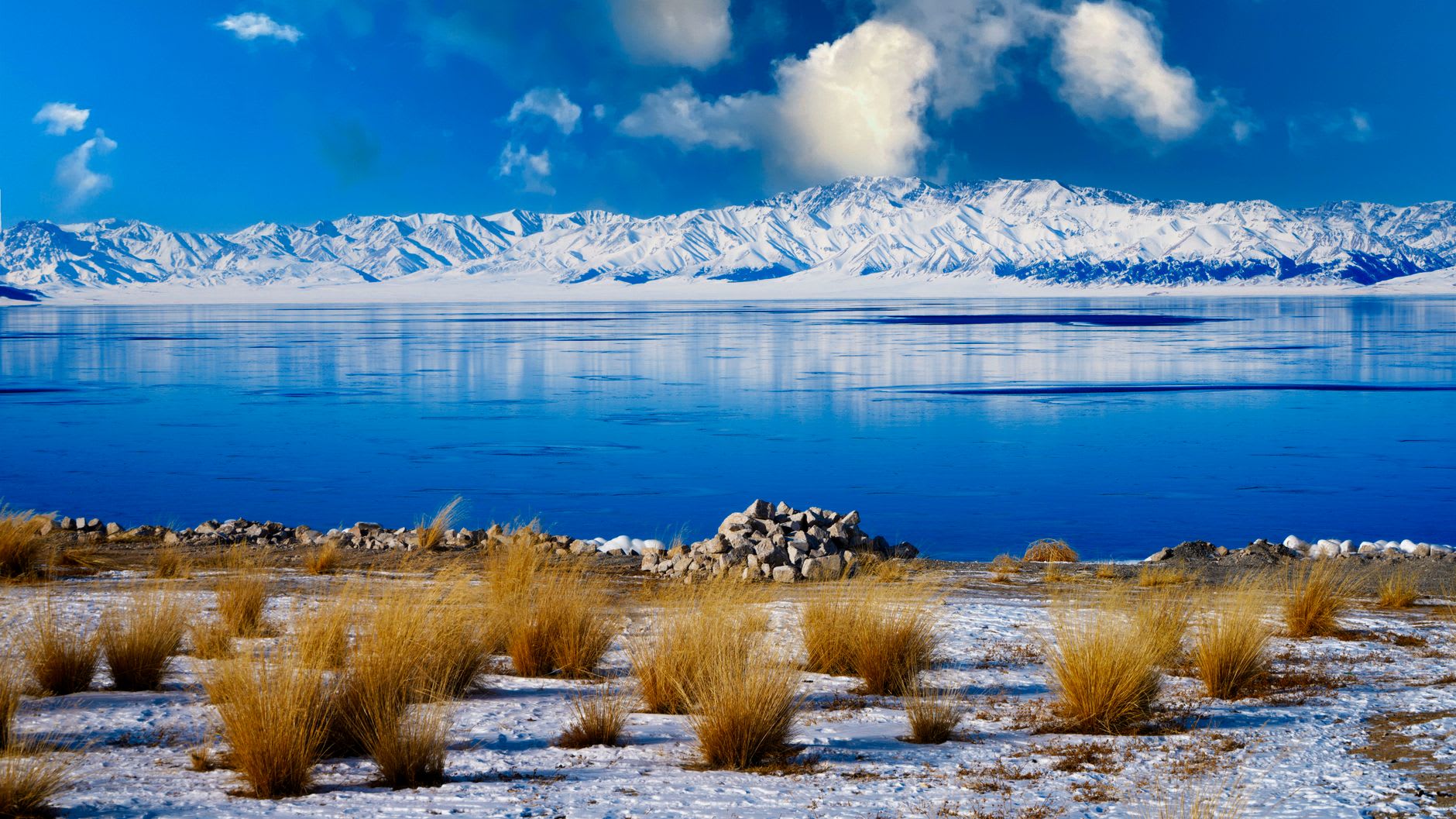
In the morning, acclimatized just enough to manage it, Lia and I walked out across the flats toward the water. It is further than it looks, and the ground was a crunching crust of salt and frost. The lake, up close, was almost violently blue, the colour of antifreeze, lapping at a shore crusted white with mineral.
Lia, who grew up by the sea and judges all water by it, declared this the strangest body of water she had ever stood beside, and she was right. Nothing lives in it. No birds worked the surface, no fish broke it. It is a lake reduced to its purest geometry — water, salt, light, and the ring of mountains doubled in the still surface. We stood there until the cold won, which did not take long, and walked back past a herd of yaks that watched us with the same total disinterest the landscape itself seemed to feel.
Surviving the Visit
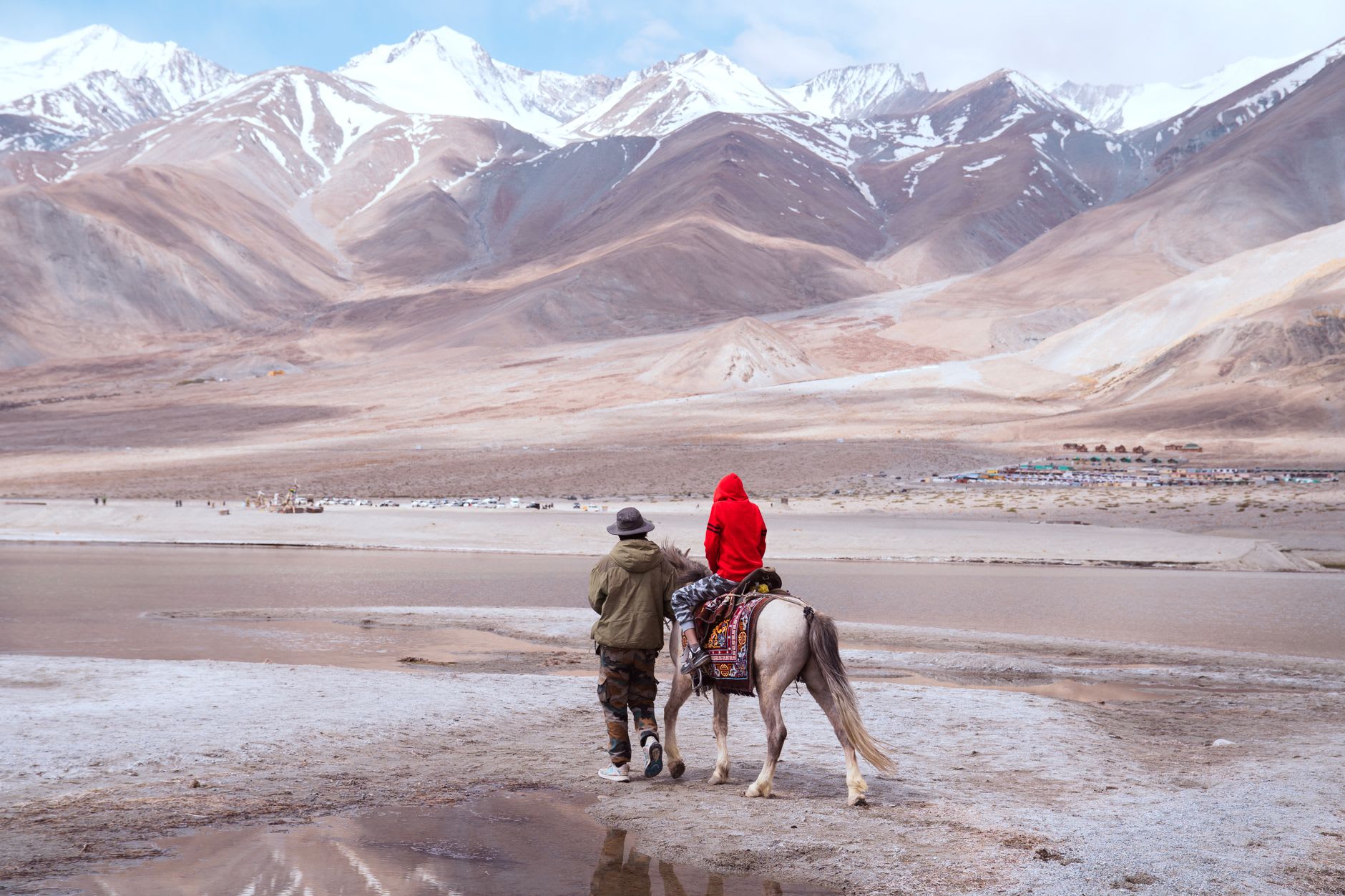
Karakul is not a casual stop. It sits at roughly 3,900 metres and most travellers reach it as part of a Pamir Highway road trip between Murghab and Sary-Tash, with permits and a hired 4x4 and driver. Acclimatize properly before you come, and take altitude sickness seriously; it kills people who ignore it.
When to go: July and August are the only genuinely comfortable months, and even then the nights drop below freezing. June and September are possible for the hardy. From October to May the lake freezes, the passes choke with snow, and the village turns inward to survive the winter. Carry warm layers, cash in small notes, and patience for a road that does not care about your schedule.