Zhushan
"Zhushan is the only place I've had bamboo shoot ice cream and Taiwanese coffee served by the same family in the same afternoon."
A bamboo-forest township turned coffee-growing curiosity, where craftsmen still weave what farmers used to grow for a living.
The name Zhushan translates plainly to “bamboo mountain,” and the township earns it without exaggeration — entire hillsides given over to dense groves of moso bamboo, swaying and creaking in a way that sounds almost conversational when the wind picks up. We came here as a stopover on the way up to Xitou, expecting little beyond a bus transfer, and left having eaten better than on most days of the trip.
Bamboo Shoots, Every Way They Can Be Served
Zhushan’s bamboo industry isn’t purely decorative — the township is one of Taiwan’s largest producers of edible bamboo shoots, and a small restaurant near the old train depot serves them in every form we could think to ask about: stir-fried with pork, pickled and cold, simmered into a clear soup, and, improbably, churned into a pale ice cream that Lia ordered on a dare and then finished before I could try a second bite. It tasted faintly grassy and genuinely good, which surprised both of us.
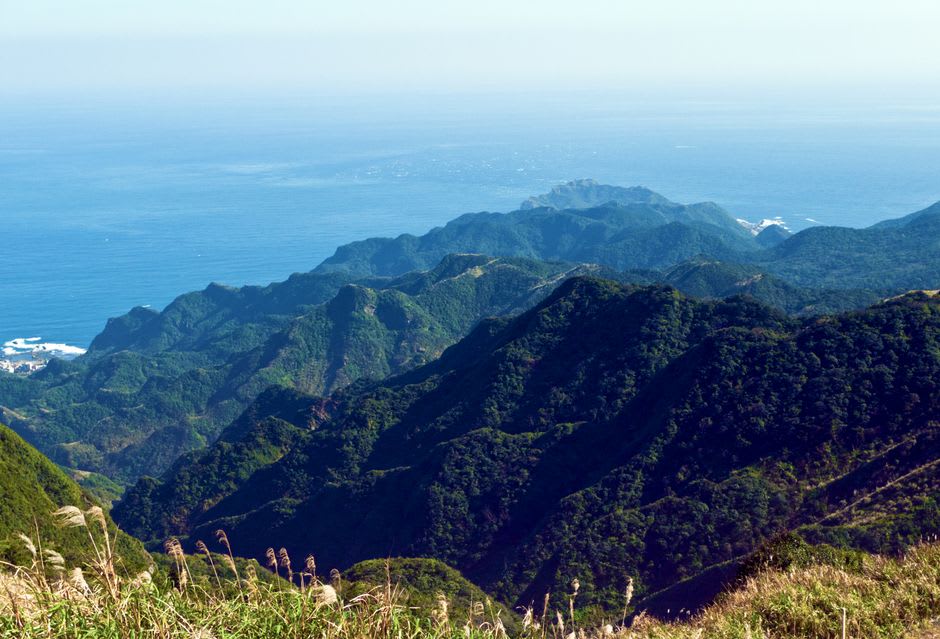
An Unexpected Coffee Farm on a Bamboo Hillside
What we hadn’t expected was coffee. A cooperative of farmers around Zhushan has been experimenting with growing arabica on hillsides too steep or shaded for tea, and a small farm we visited let us walk the rows before sitting down for a pour-over made from beans picked that same week. It wasn’t the best coffee I’ve had, but it was some of the most improbable, and the farmer’s evident pride in an industry barely fifteen years old in the region was its own kind of pleasure to witness.
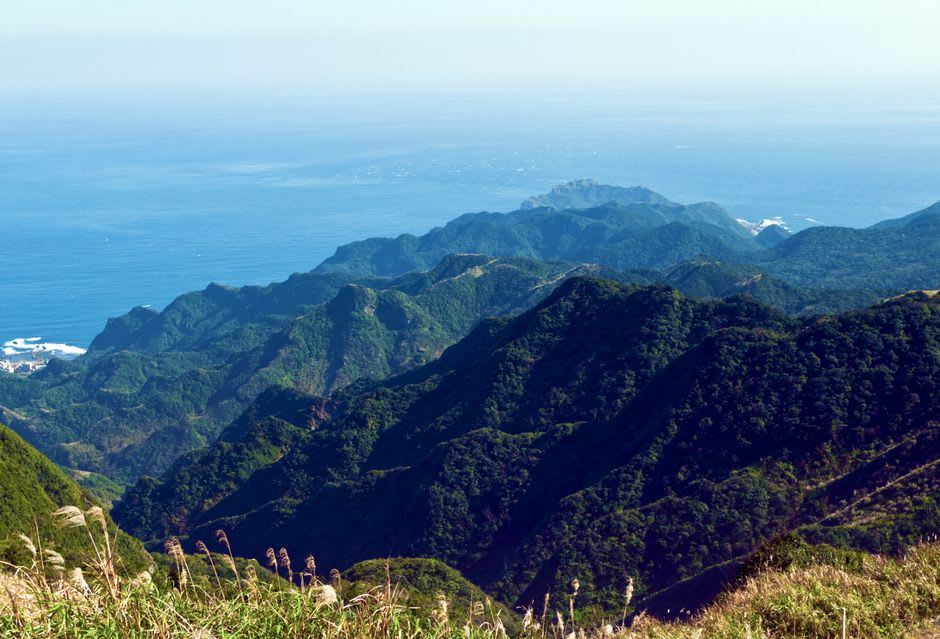
Weaving Workshops That Still Smell of Fresh Cut Bamboo
Near the town’s old commercial street, a handful of workshops still weave bamboo into baskets, furniture, and the kind of woven hats farmers across Nantou actually wear in the fields, not the souvenir versions. An elderly weaver let us sit and watch for a while, her hands moving through the split bamboo strips almost without looking, and the air in her workshop carried the same faint green smell as the groves outside — the whole township, in a sense, distilled into one small room.
When to go: Autumn and winter offer the driest, most comfortable weather for walking the bamboo groves and visiting the coffee farms. The bamboo shoot harvest peaks in spring, which is the best season for trying the local specialty at its freshest.
Keep exploring
More from Taiwan
 taiwan
 Alishan
A mountain railway through ancient cypress groves where dawn turns the sea of clouds gold and the air smells of resin and cold rain.
Explore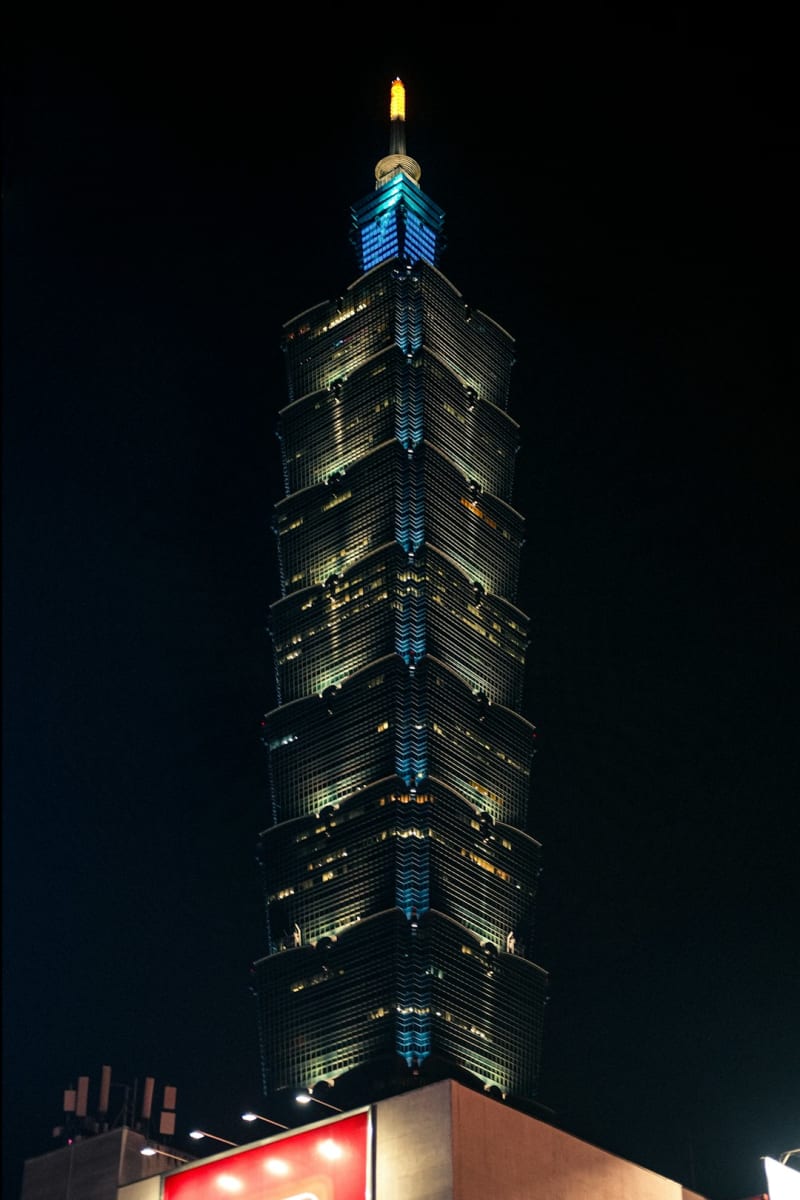 taiwan
 Anping
Tainan's original harbor district, where a Dutch fort, a tree that swallowed a warehouse, and a canal of old salt merchants' houses tell four centuries of history in half a square kilometer.
Explore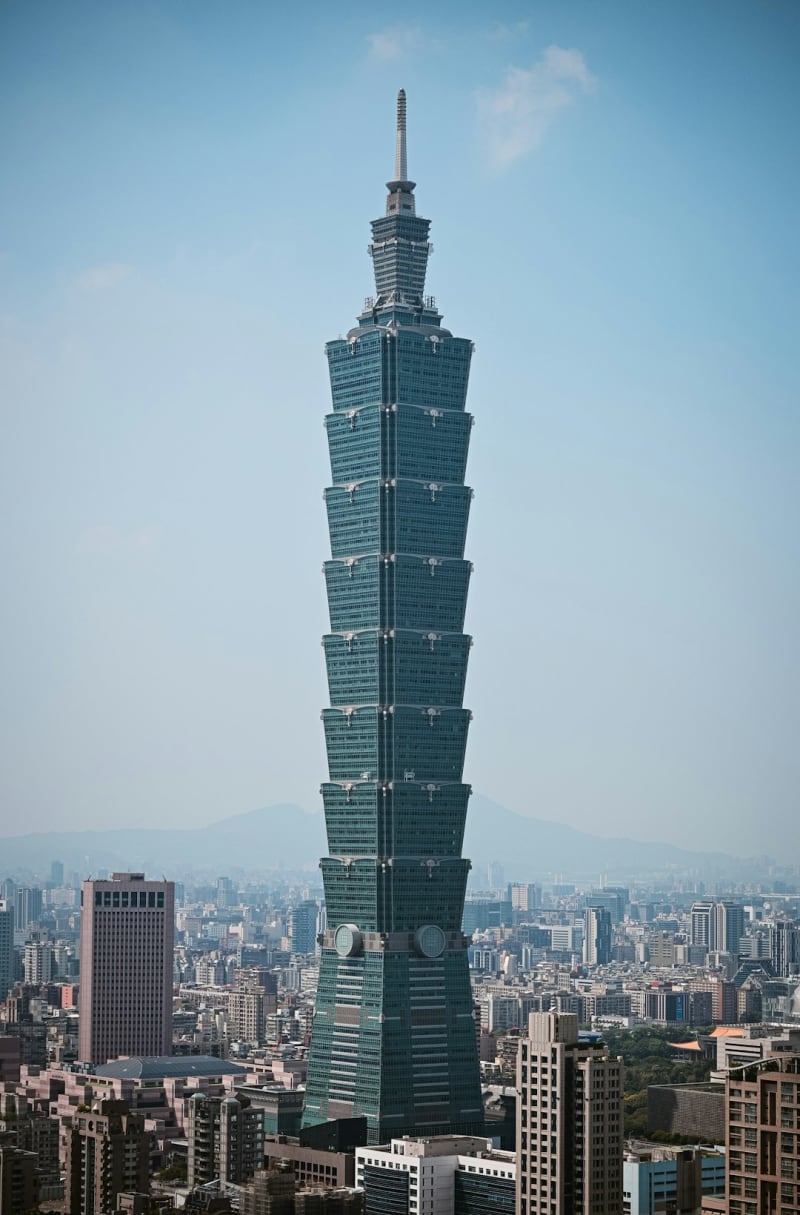 taiwan
 Baihe
A farming district in Tainan's hills where lotus ponds turn entire valleys pink and green every summer, and lotus seeds show up in everything from ice cream to soup.
Explore taiwan
 Baisha Bay
A crescent of powder-white coral sand on the Hengchun Peninsula, famous as a film location and quietly one of Taiwan's best swimming beaches.
Explore taiwan
 Bali District
A quiet riverside district facing Danshui across the water, built around a prehistoric museum, mangrove wetlands, and a bike path that turns a ferry crossing into an afternoon.
Explore taiwan
 Beigang
A modest river town in Chiayi County that happens to hold one of the most important Mazu temples in the Taiwanese-speaking world.
Explore