Wushantou Reservoir
"Wushantou is a reservoir with a better story than most temples, which is not what I expected to be writing about a dam."
A century-old dam on the Chiayi–Tainan border, also known as Coral Lake for its jagged shoreline, and one of the more surprising engineering stories in Taiwan.
I’ll admit the pitch didn’t sound promising: a century-old irrigation reservoir on the border of Chiayi and Tainan counties. Lia found it while researching day trips from Tainan and I went along mostly out of politeness. I left having thought about hydraulic engineering more than I have in years.
Coral Lake
Wushantou Reservoir’s shoreline is famously irregular — dozens of narrow, branching inlets that from above resemble a piece of coral, which is where its popular nickname comes from. It was built between 1920 and 1930 under Japanese engineer Yoichi Hatta as the centerpiece of the Chianan Irrigation system, a project that transformed the surrounding Chianan Plain from drought-prone scrubland into one of Taiwan’s most productive agricultural regions. We rented bicycles and rode along a forested ridge road with the lake’s fractal shoreline appearing and disappearing between the trees, egrets working the shallows in the quieter coves.
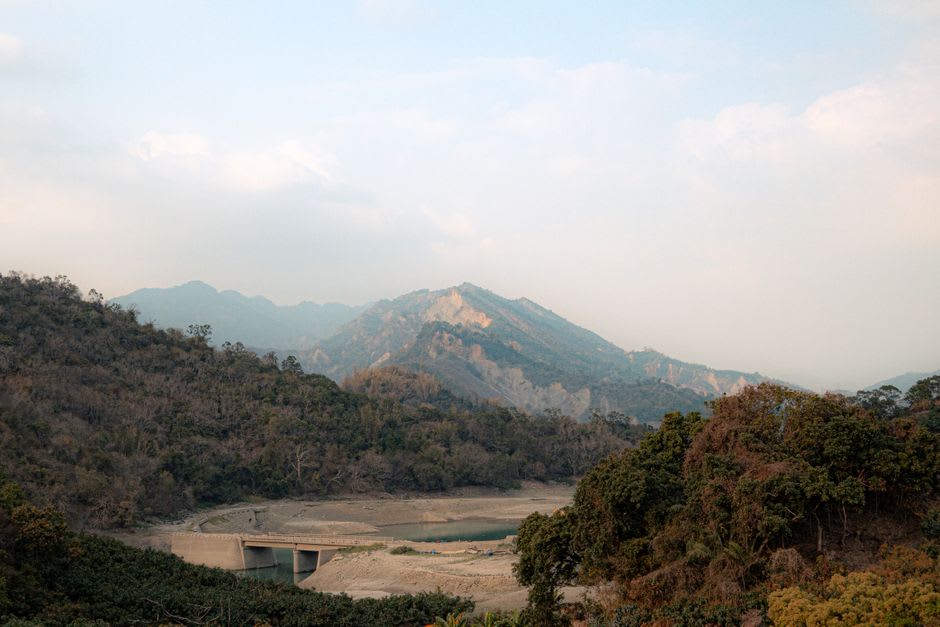
Hatta Yoichi’s Grave
What stayed with me longer than the scenery was the small memorial park near the dam, where Hatta is buried facing the reservoir he built, alongside a bronze statue depicting him crouched thoughtfully at a construction site rather than standing heroically — an unusual, humanizing choice for a colonial-era engineer whose legacy in Taiwan remains, remarkably, almost uniformly positive. Local farmers still visit on the anniversary of his death to pay respects, a detail our guide mentioned with evident sincerity rather than tourism-board polish.
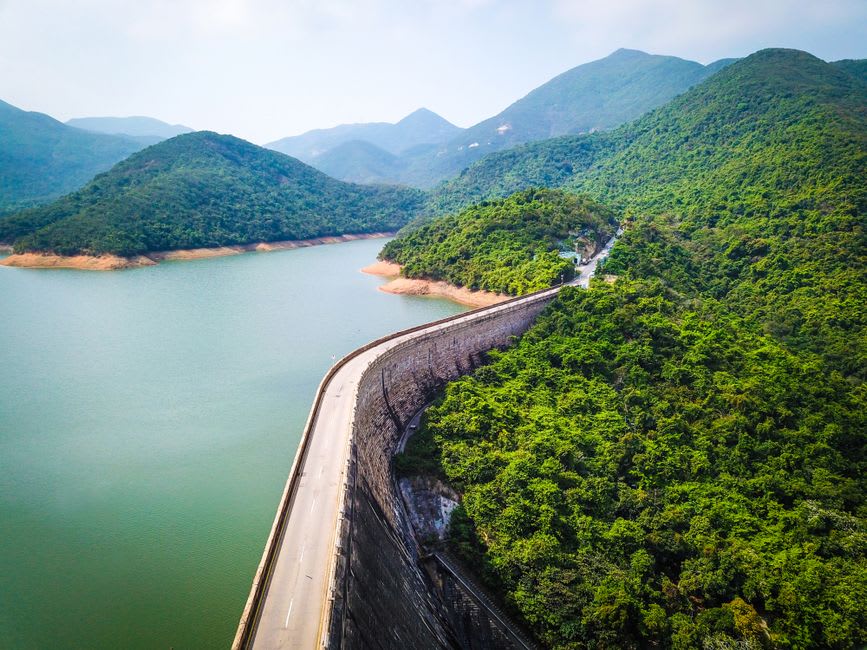
We finished the afternoon at a lakeside restaurant eating freshwater shrimp pulled from the reservoir that morning, the water outside gone silver-gray under a lowering sky, and I found myself, unexpectedly, moved by the whole thing — a dam, a grave, a plate of shrimp, and eighty years of a landscape reshaped by one careful, deliberate act of engineering.
When to go: October through December for cool cycling weather and clear water; the reservoir’s cherry blossoms bloom briefly in late January if you can time it.
Keep exploring
More from Taiwan
 taiwan
 Xiaoliuqiu
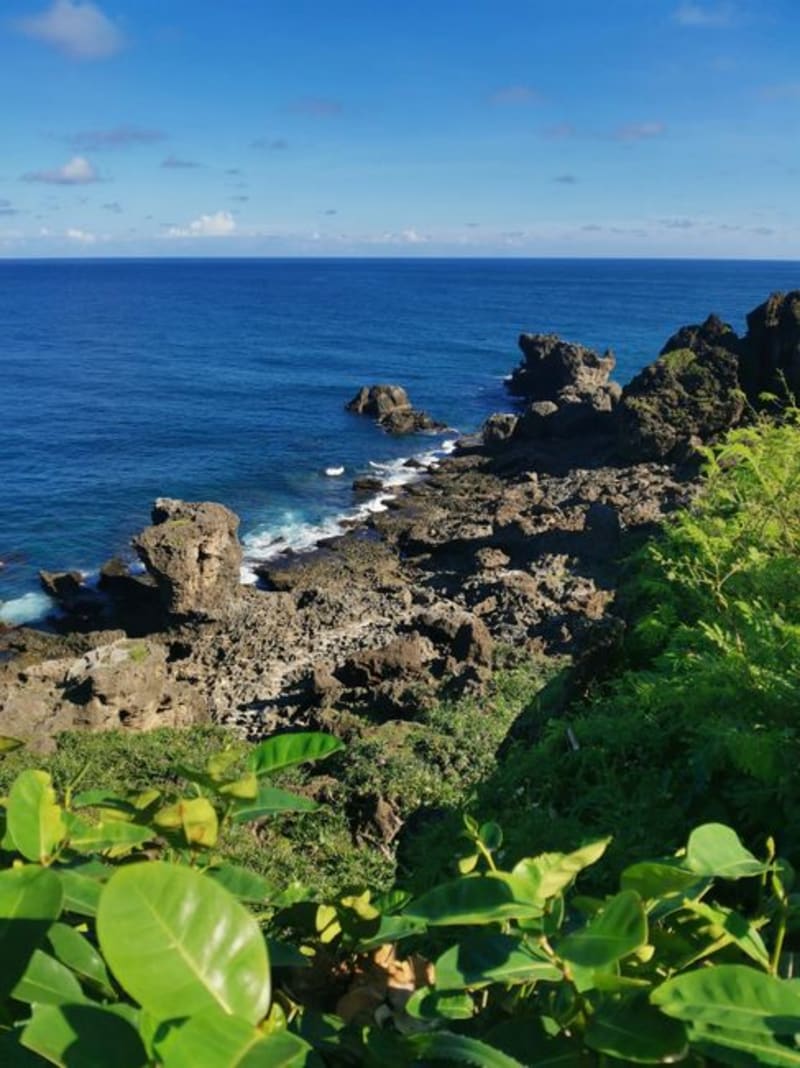
A small coral island off the southwest coast where sea turtles outnumber tour buses, black-tipped reef caves hide beneath the cliffs, and the whole island can be circled by scooter in an hour.
Explore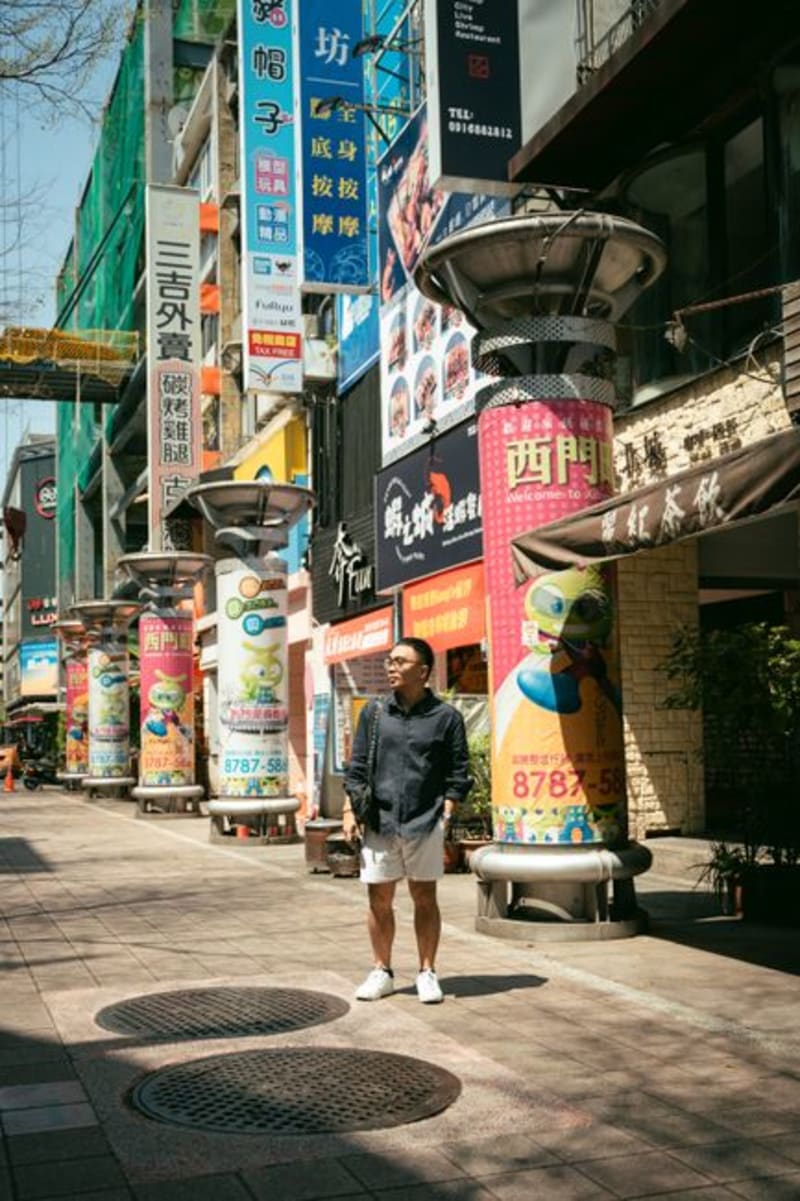 taiwan
 Ximending
Taipei's pedestrian youth quarter, all neon, karaoke, and streetwear, where the city stops being polite.
Explore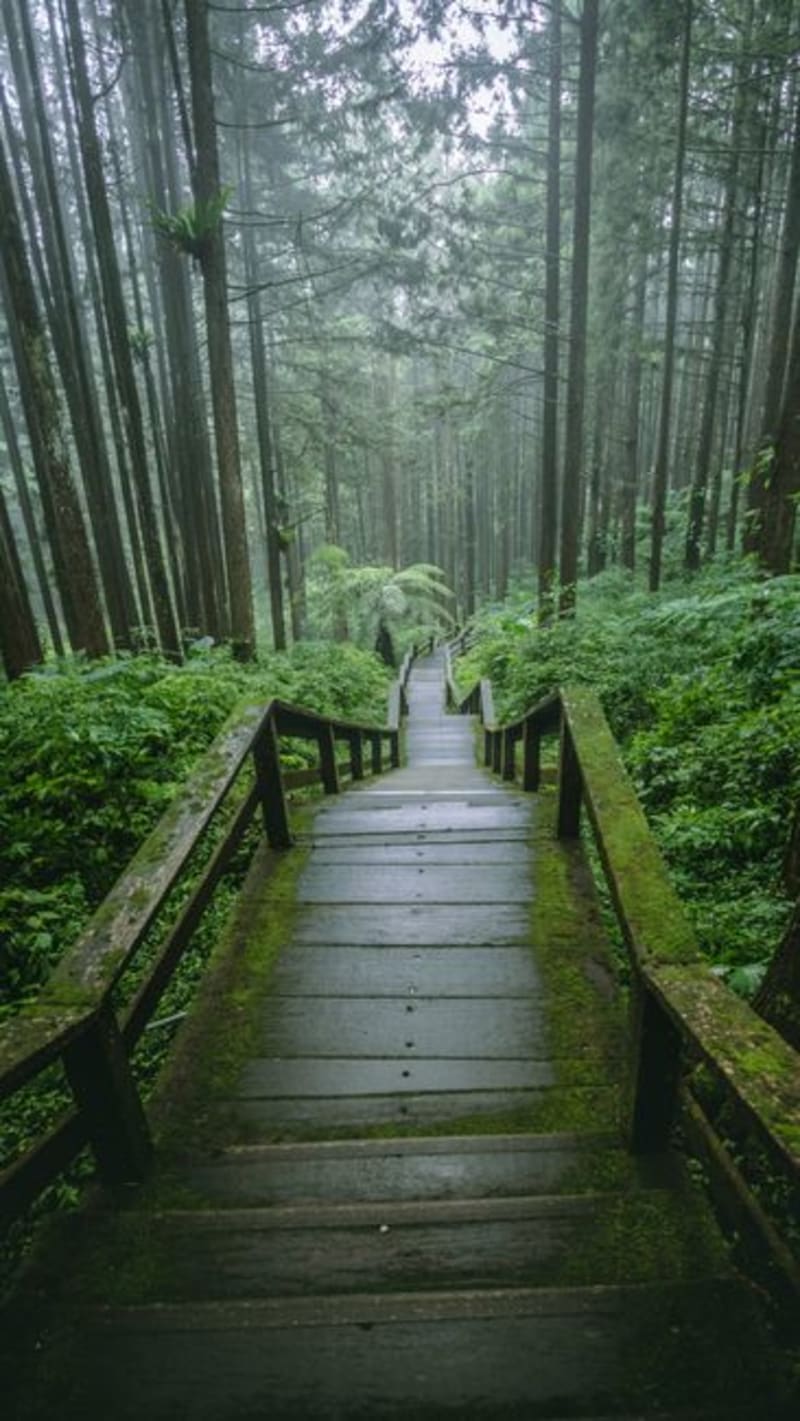 taiwan
 Xitou
A university-managed forest of towering cypress and a suspended monkey-bridge walkway that puts you level with the canopy.
Explore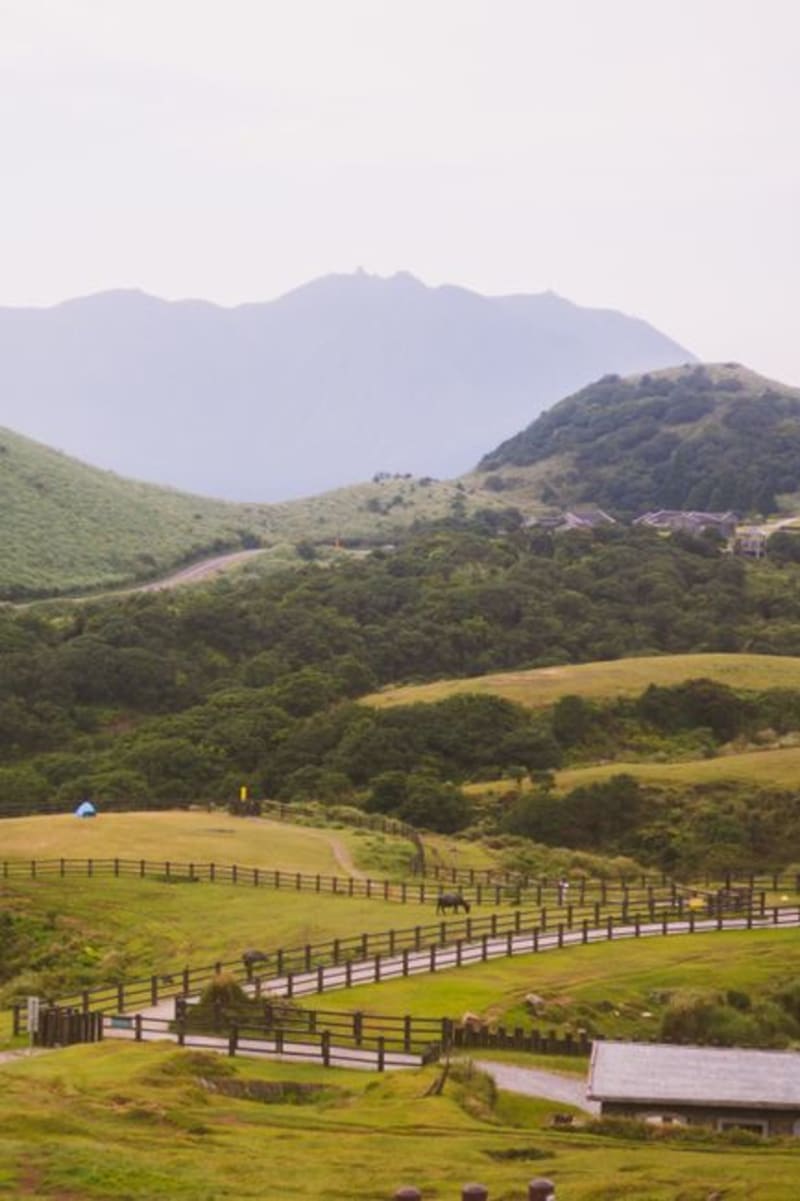 taiwan
 Yangmingshan
A dormant volcanic range on Taipei's doorstep, steaming with sulfur vents, blanketed in cherry blossoms every spring, and cool enough in summer to breathe again.
Explore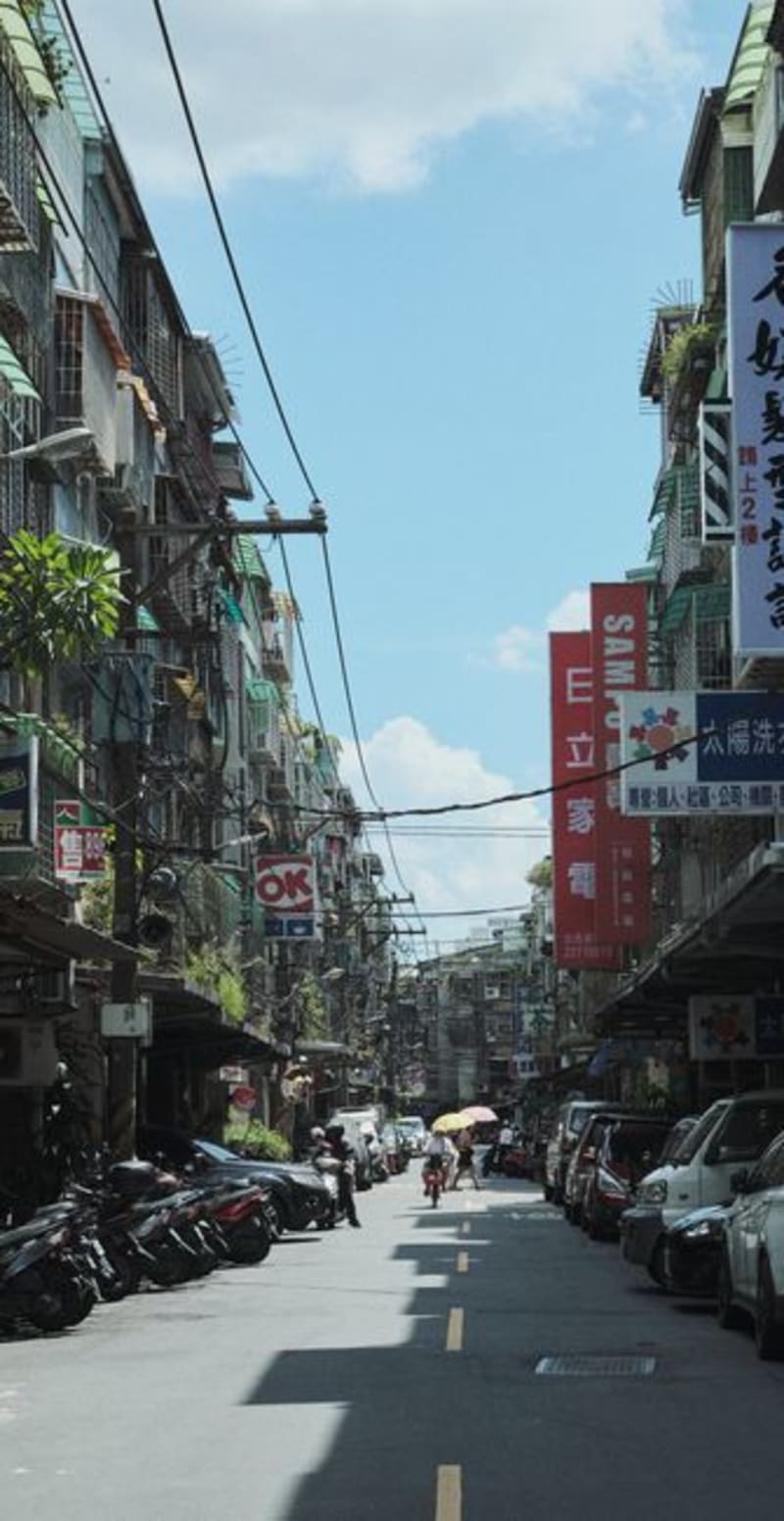 taiwan
 Yanshui
A drowsy Tainan canal town for 364 days a year, and the site of Taiwan's most dangerous, most beloved fireworks festival on the 365th.
Explore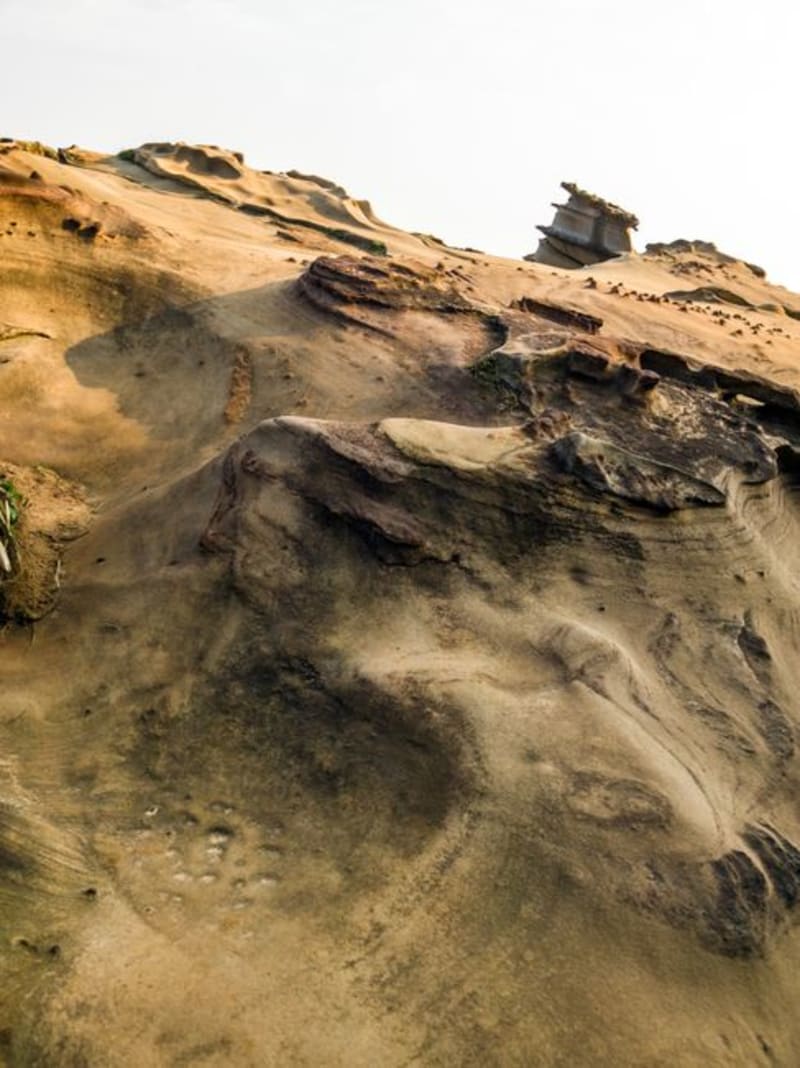 taiwan
 Yehliu
A wind-and-wave-carved rock formation on the north coast, where a geological process spanning millennia produced a landscape that looks unmistakably like a sculptor's joke.
Explore