Wulai
"We came for the hot springs and left talking about the trolley. Wulai has a way of rearranging your priorities."
An Atayal indigenous mountain town south of Taipei, built around hot springs, a waterfall, and a narrow-gauge trolley that still runs through the forest.
The bus out of Xindian follows a river valley that gets narrower and greener with every kilometre, until the apartment towers of greater Taipei give way completely to forested slopes and the occasional suspension bridge. By the time we reached Wulai proper, Lia had her phone camera out the window the entire last ten minutes.
A Trolley Through the Trees
Wulai’s old logging railway — a narrow-gauge line originally built to haul timber down from the mountains — has been converted into a short tourist trolley that runs along the river gorge to the base of Wulai Waterfall. It sounds like a minor attraction on paper. In practice, riding an open-air cart through dense subtropical forest with the river visible far below through gaps in the canopy is one of those experiences that photographs poorly and feels enormous in person.
The waterfall itself drops in a long, near-vertical sheet from a ridge above the old street, visible from a bridge that fills with visitors around midday and empties out almost completely by late afternoon. We came back a second time near five o’clock specifically to have it mostly to ourselves, and it was worth the repeat trip.
Hot Springs and Atayal Fry Bread
Wulai is Atayal indigenous territory, and the old street reflects it — wild boar sausage grilling over charcoal, millet wine sold in unlabeled bottles, and a flatbread the vendors call “mountain pig bread” that Lia ordered three separate times over two days. The hot springs here are fed by the same volcanic system that warms Beitou, though Wulai’s version is quieter and more riverside: private tubs built directly along the Nanshi River, some little more than a concrete pool with a view of the current running past.
We soaked until our fingers pruned, ate more mountain pig bread than either of us would admit to in Mexico, and caught the last bus back to Xindian smelling faintly of sulfur and charcoal smoke, which is a specific and, I’ve decided, entirely acceptable way to smell after a good day.
When to go: Autumn through spring (October–April) for the hot springs, when the cooler mountain air makes soaking genuinely pleasant rather than merely tolerable. Summer brings heat and occasional typhoon-related trail closures, though the waterfall itself runs fullest after rain.
Keep exploring
More from Taiwan
 taiwan
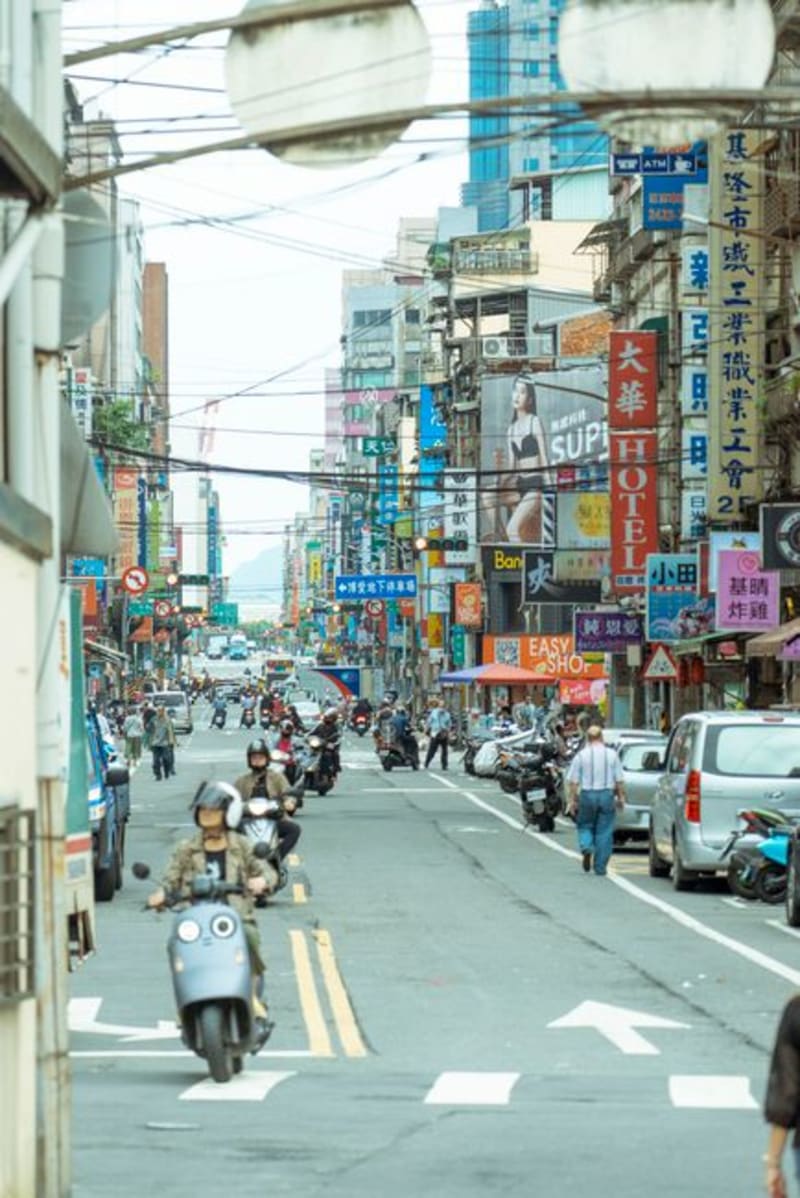
 Wuqi
A working fishing port on Taichung's coast where auction-fresh seafood, a lighthouse painted like a chessboard, and an enormous wind-power skyline meet at the harbor's edge.
Explore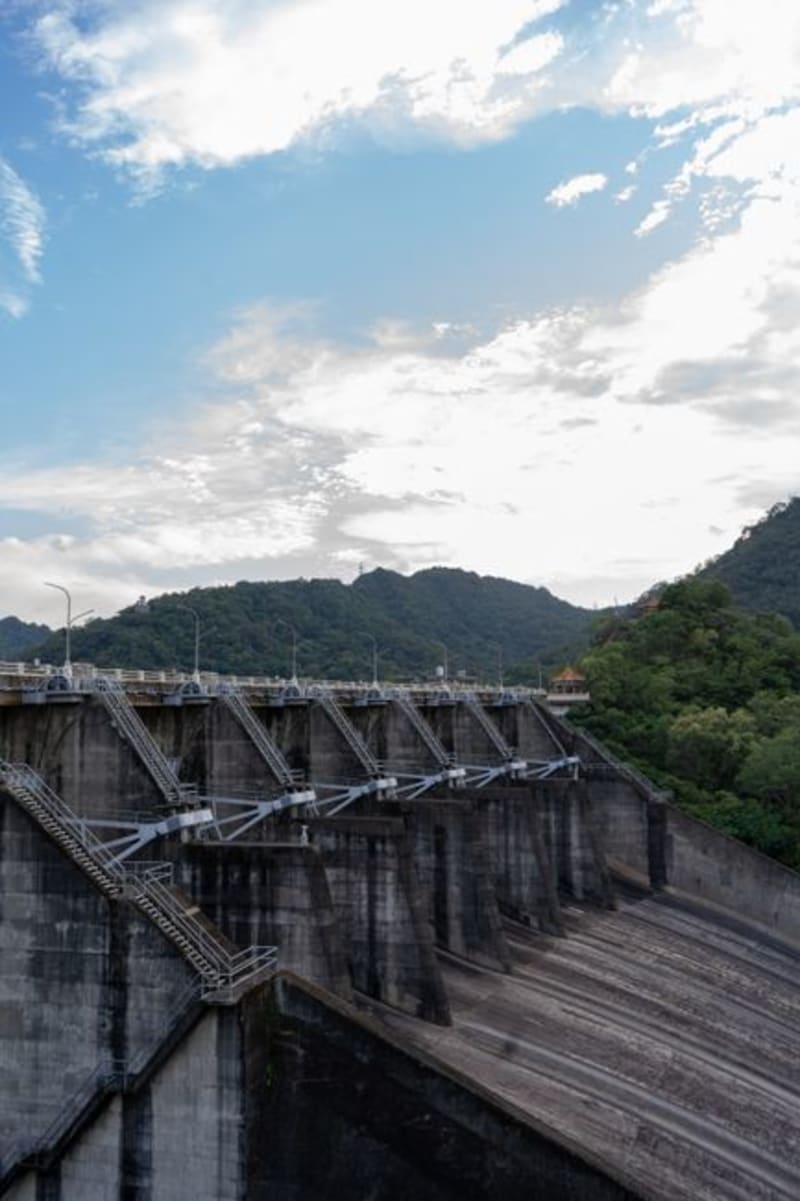 taiwan
 Wushantou Reservoir
A century-old dam on the Chiayi–Tainan border, also known as Coral Lake for its jagged shoreline, and one of the more surprising engineering stories in Taiwan.
Explore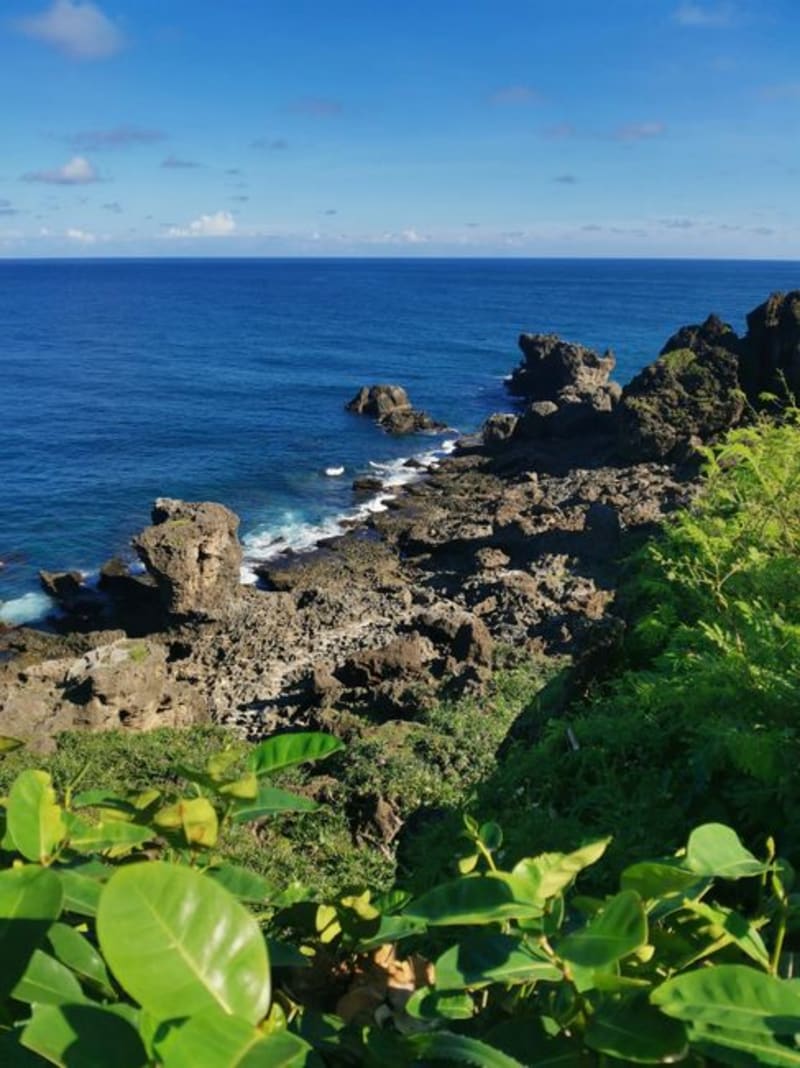 taiwan
 Xiaoliuqiu
A small coral island off the southwest coast where sea turtles outnumber tour buses, black-tipped reef caves hide beneath the cliffs, and the whole island can be circled by scooter in an hour.
Explore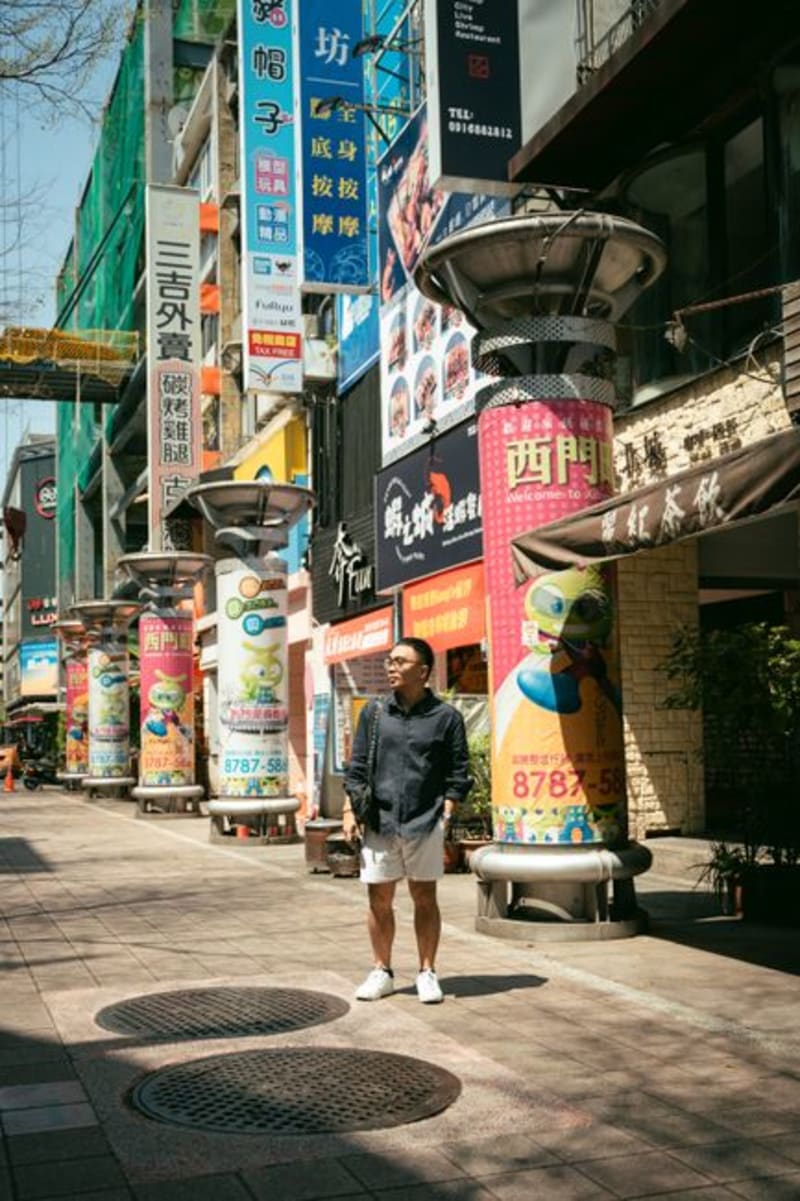 taiwan
 Ximending
Taipei's pedestrian youth quarter, all neon, karaoke, and streetwear, where the city stops being polite.
Explore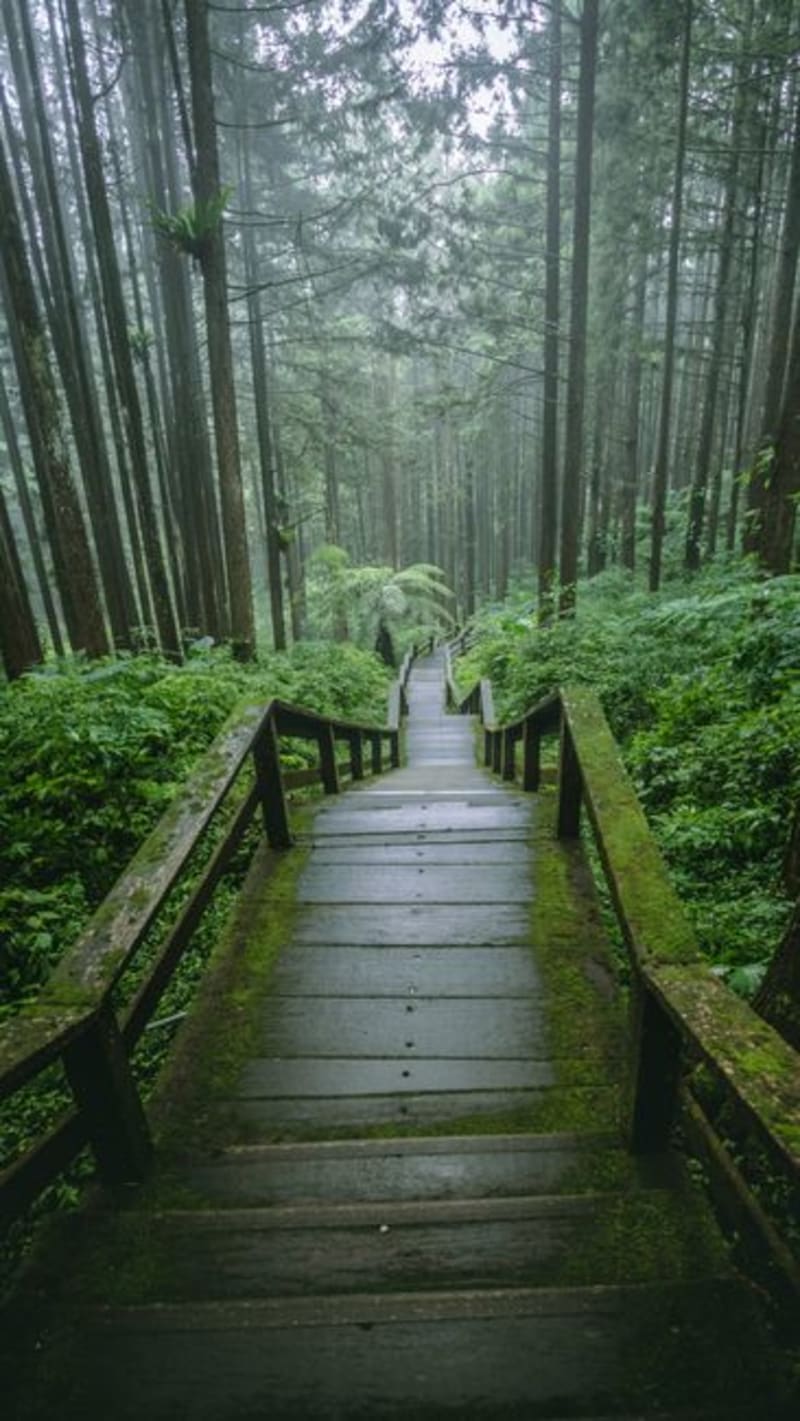 taiwan
 Xitou
A university-managed forest of towering cypress and a suspended monkey-bridge walkway that puts you level with the canopy.
Explore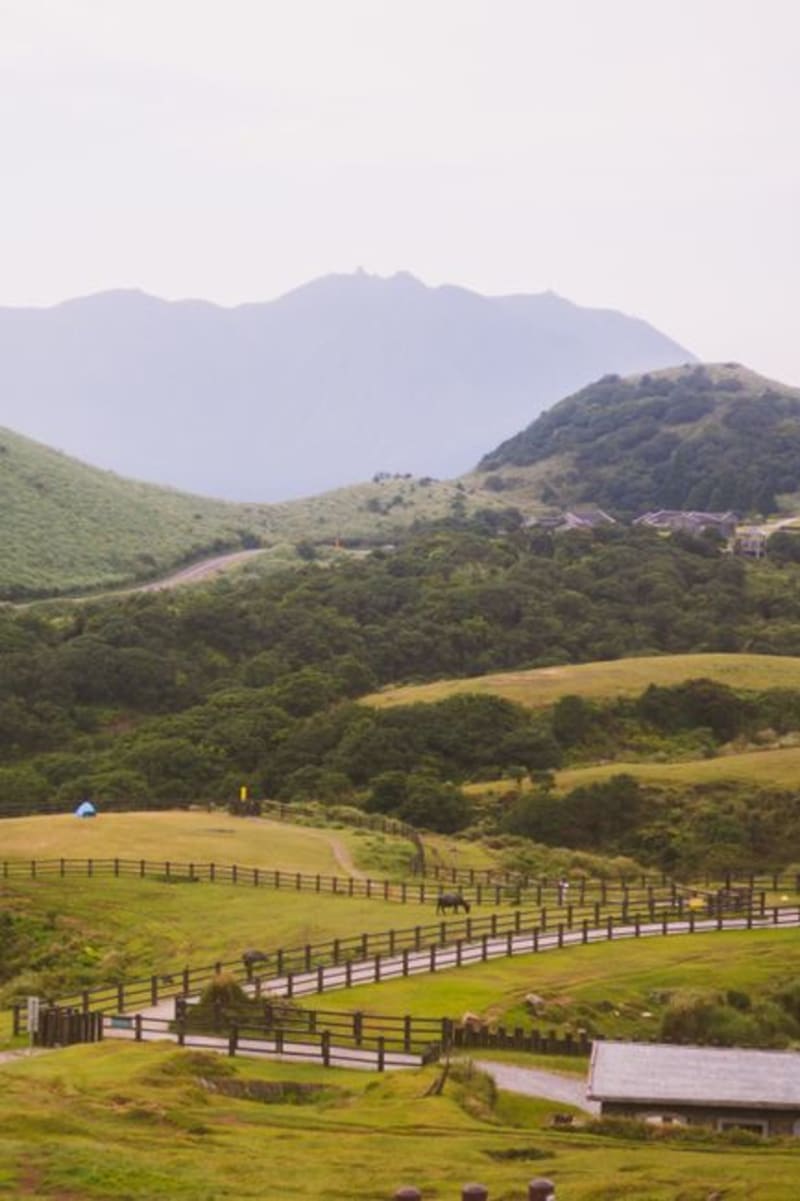 taiwan
 Yangmingshan
A dormant volcanic range on Taipei's doorstep, steaming with sulfur vents, blanketed in cherry blossoms every spring, and cool enough in summer to breathe again.
Explore