Wanhua
"Longshan Temple is where Taipei goes to ask for things it cannot control, and that honesty is what I came back for."
Taipei's oldest district, anchored by Longshan Temple's incense smoke and a night market that never bothered to modernize.
Every other district in Taipei felt, at some point, like it was performing a version of itself for visitors. Wanhua never did. It is the oldest settled part of the city, and it wears that age without polish — cracked tile facades, herbalists that have not updated their signage since the seventies, a temple at its center that has been rebuilt so many times it has stopped counting.
Longshan Temple in the Early Evening
We arrived at Longshan Temple around six, which turned out to be exactly the wrong time to expect quiet and exactly the right time to understand what the temple actually is. The courtyard was full: elderly women praying with a rhythm they clearly did not need to think about, university students asking Yue Lao, the matchmaker god, for help with something specific, a man in a business suit bowing before the medicine god with his tie loosened. Incense smoke moved sideways in a breeze I could not feel anywhere else in the courtyard.
I asked Lia if she wanted to throw the divination blocks — two crescent-shaped wooden pieces you drop to ask a yes-or-no question of the gods — and she did, twice, getting a contradictory answer both times. A woman nearby laughed and told her, in English, that the gods were clearly telling her to ask a better question.
Herb Alley and Huaxi Street
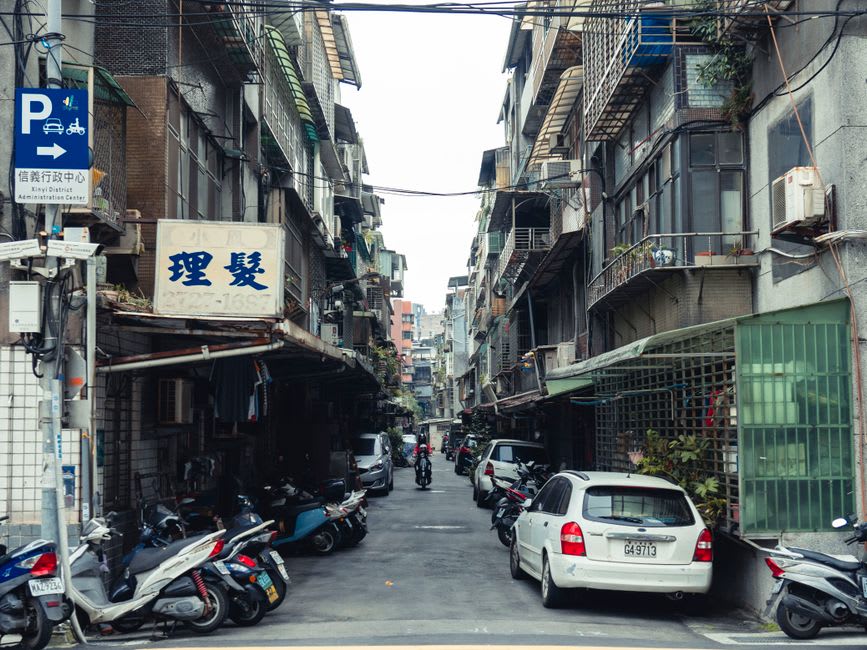
Behind the temple, a narrow lane locals call Herb Alley sells traditional medicine ingredients out of shopfronts that have not been renovated in decades — dried snake, deer antler, jars of things I did not attempt to identify. It leads directly into Huaxi Street Night Market, once notorious for a red-light district that has mostly faded, now known instead for a stretch of seafood stalls where you choose your dinner still moving in a tank.
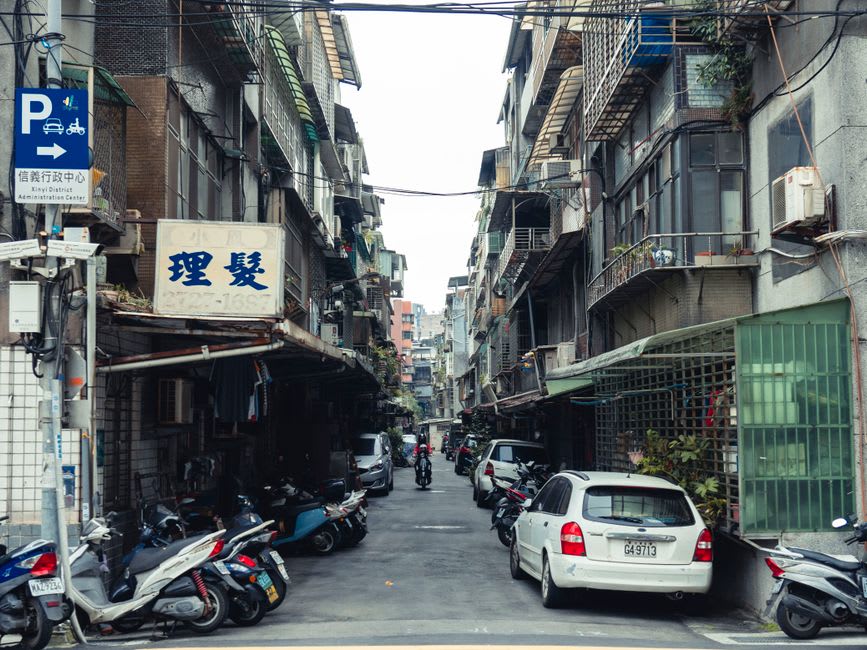
We ate a plate of stir-fried eel and a bowl of pork rib soup with medicinal herbs so bitter it made Lia’s eyes water, at a plastic table set up directly on the pavement, while an old man at the next table over conducted an entire conversation with his neighbor purely through raised eyebrows and single-syllable grunts of agreement.
When to go: Early evening, any day of the week, when the temple fills with the after-work crowd and the night market stalls are just lighting their burners. Avoid the middle of the day, when much of the district simply shutters against the heat.
Keep exploring
More from Taiwan
 taiwan
 Wulai
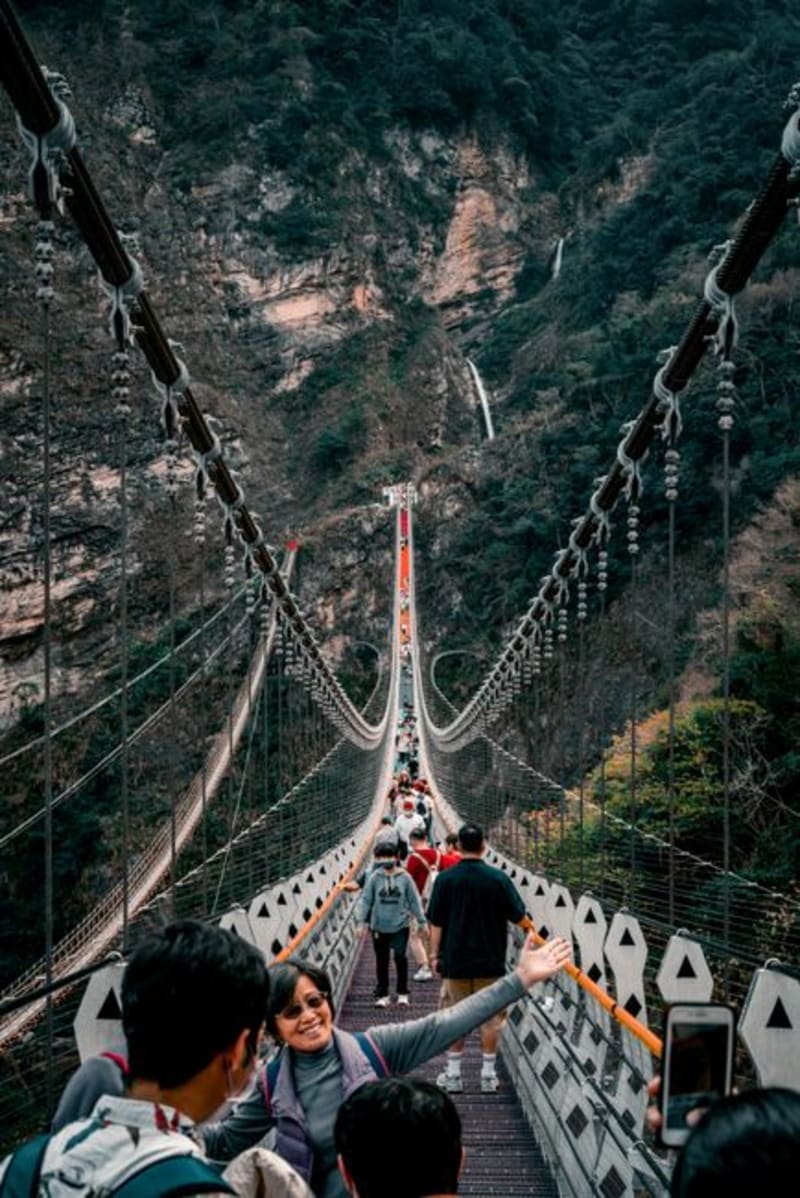
An Atayal indigenous mountain town south of Taipei, built around hot springs, a waterfall, and a narrow-gauge trolley that still runs through the forest.
Explore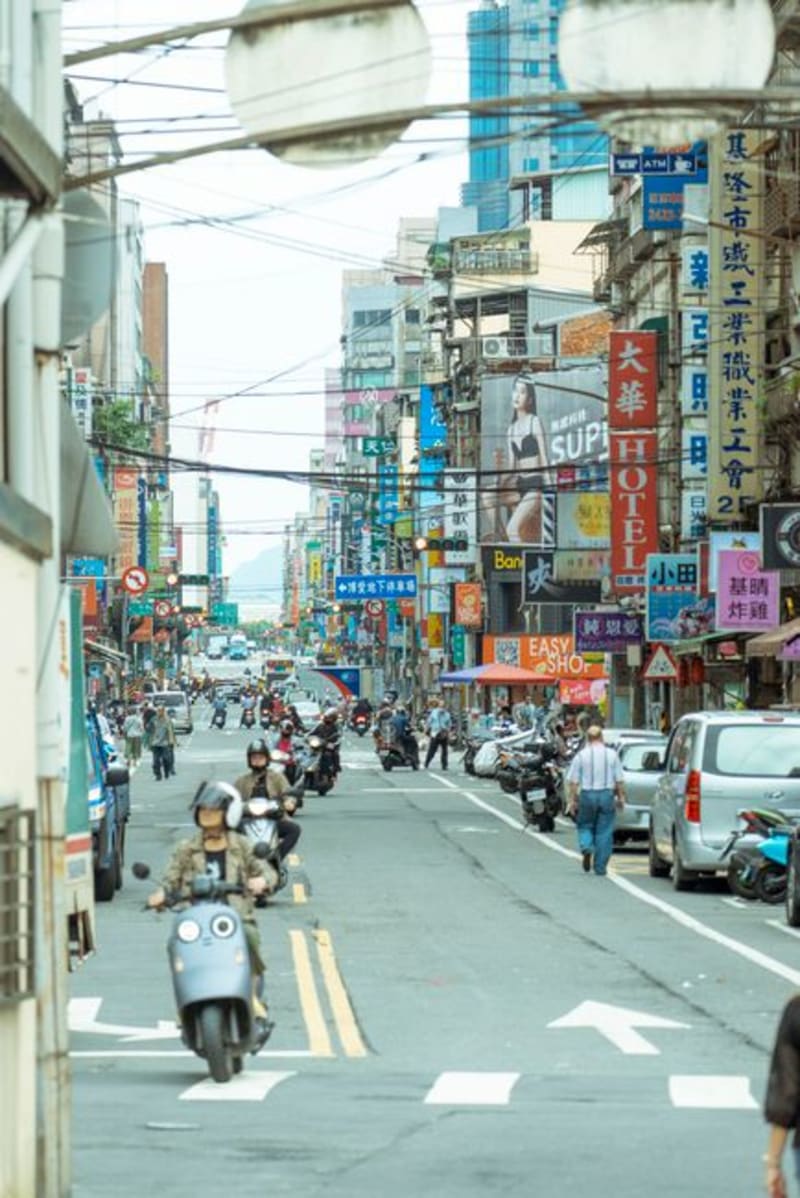 taiwan
 Wuqi
A working fishing port on Taichung's coast where auction-fresh seafood, a lighthouse painted like a chessboard, and an enormous wind-power skyline meet at the harbor's edge.
Explore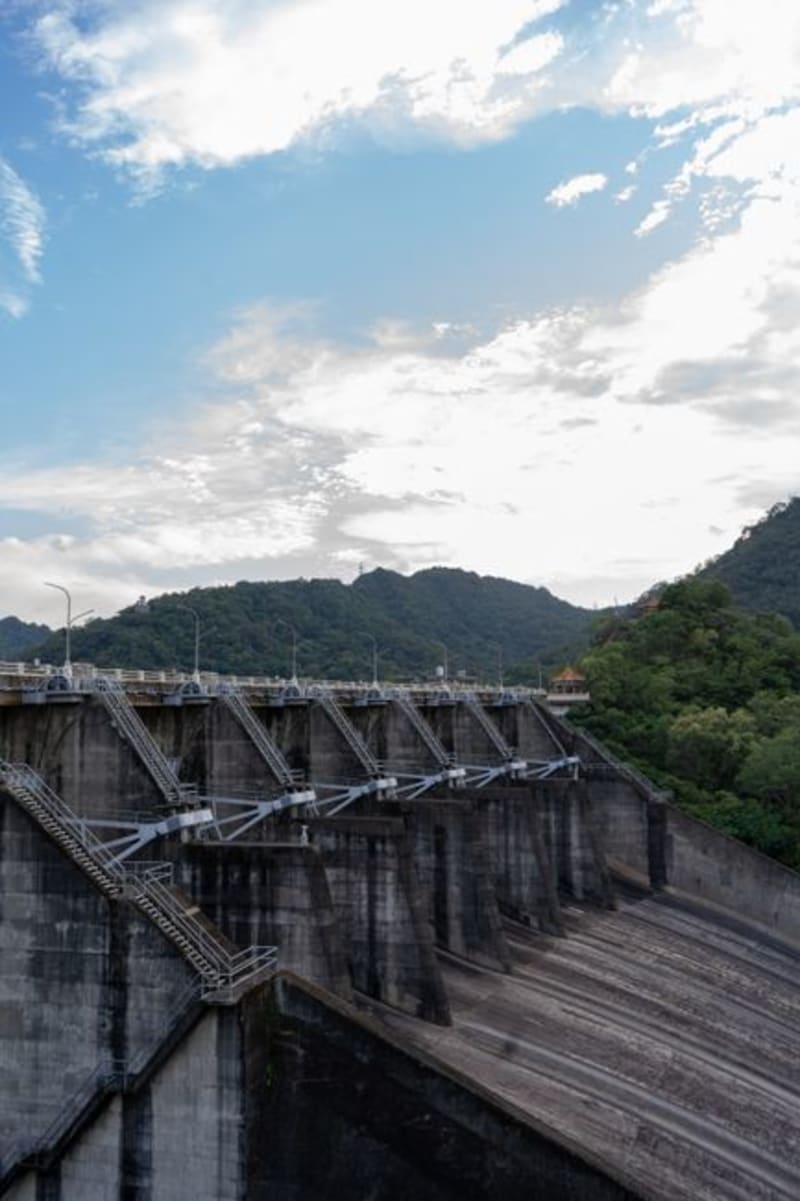 taiwan
 Wushantou Reservoir
A century-old dam on the Chiayi–Tainan border, also known as Coral Lake for its jagged shoreline, and one of the more surprising engineering stories in Taiwan.
Explore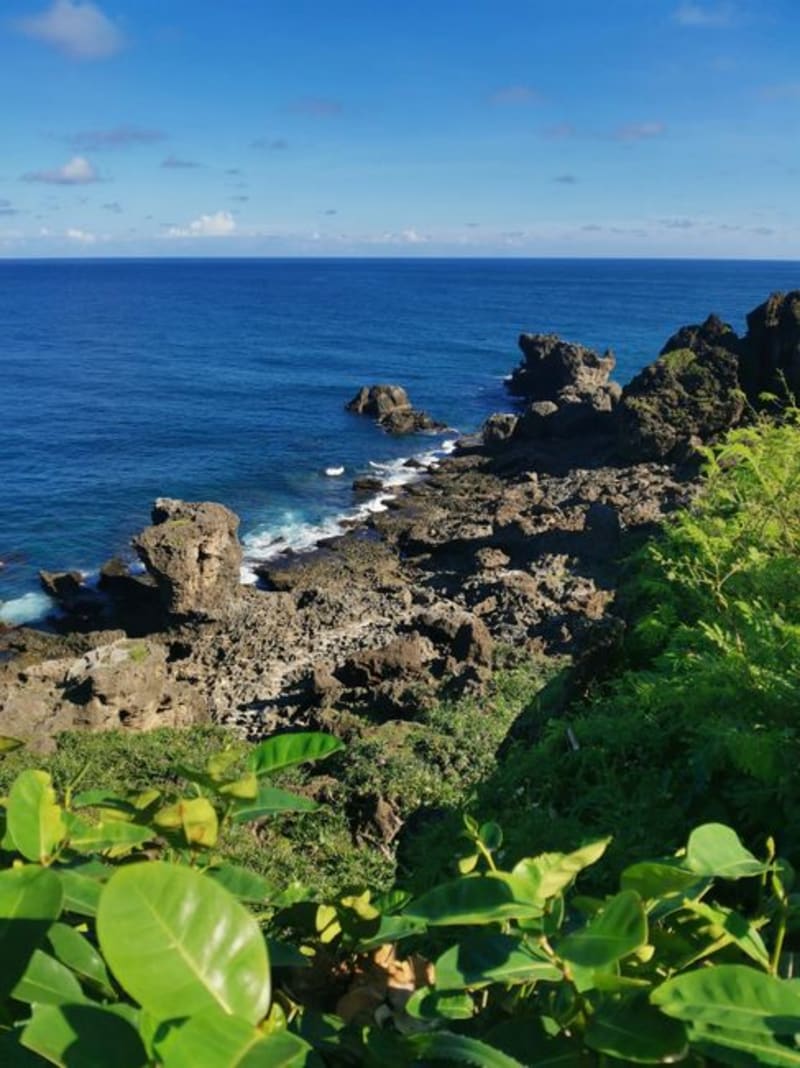 taiwan
 Xiaoliuqiu
A small coral island off the southwest coast where sea turtles outnumber tour buses, black-tipped reef caves hide beneath the cliffs, and the whole island can be circled by scooter in an hour.
Explore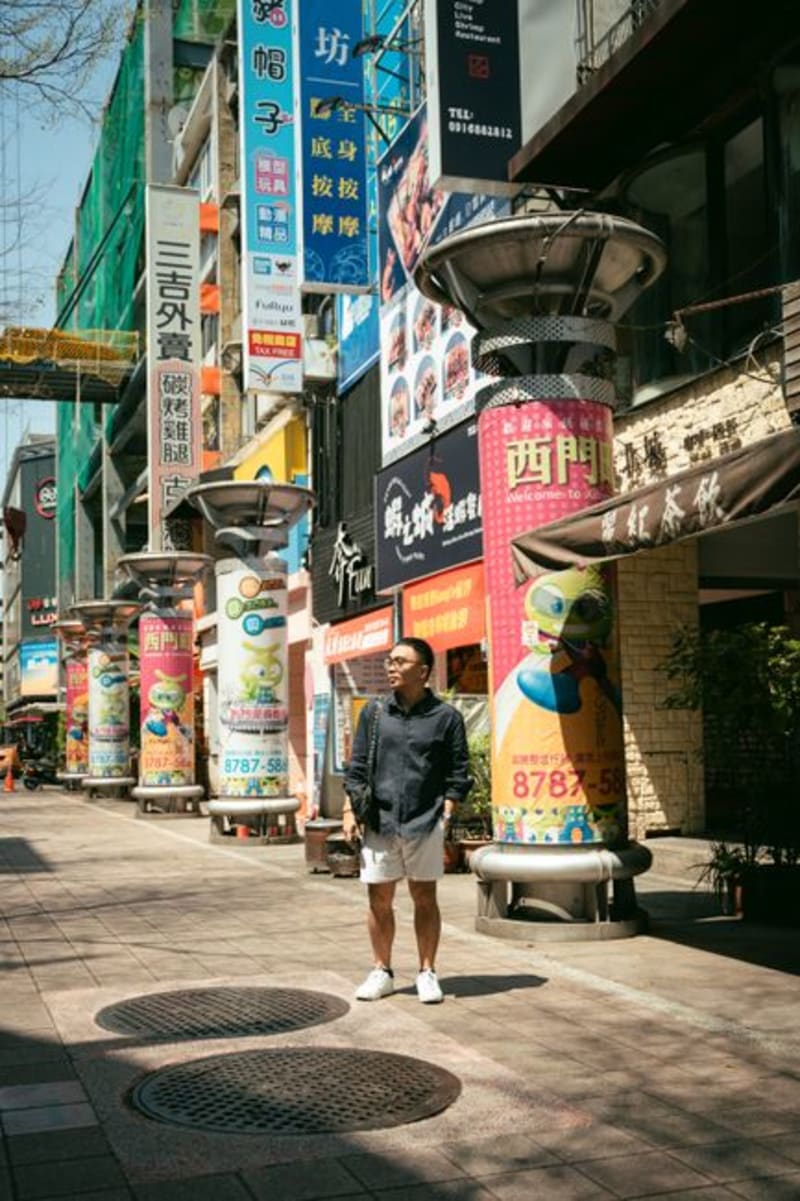 taiwan
 Ximending
Taipei's pedestrian youth quarter, all neon, karaoke, and streetwear, where the city stops being polite.
Explore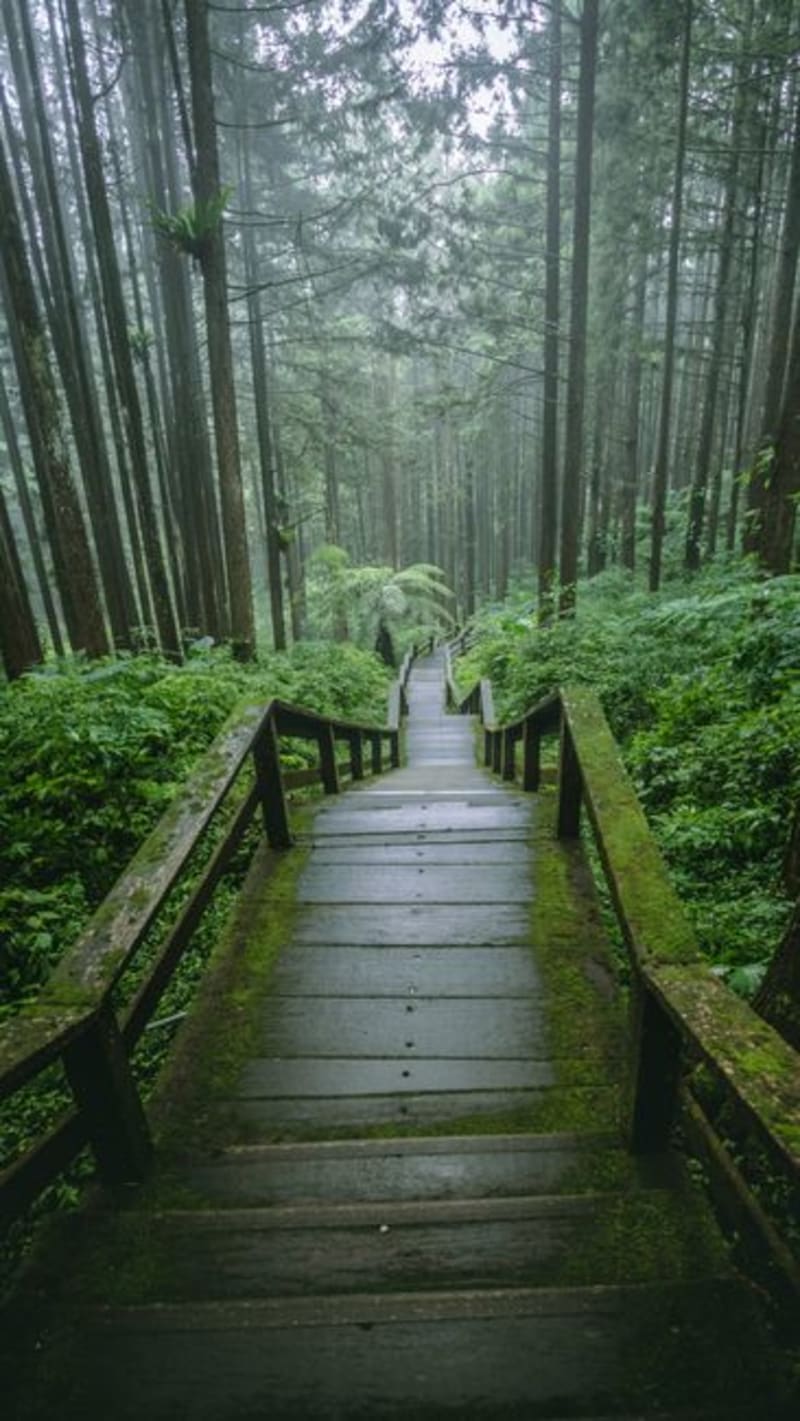 taiwan
 Xitou
A university-managed forest of towering cypress and a suspended monkey-bridge walkway that puts you level with the canopy.
Explore