A modest river town best known for its timber history, its snake kiln, and its role as the last stop before the mountains close in.
We came to Shuili chasing a train line, not a destination — it’s the terminus of the branch railway that once hauled timber and sugar out of Nantou’s interior, and I’ve had a low-grade obsession with old rail spurs since a similar detour years ago in rural France. What we found was a town that has quietly kept its industrial character intact, unbothered by the tourist machinery that has reshaped so much of the rest of the county.
The Snake Kiln That Has Never Gone Cold
Shuili’s most peculiar landmark is the Snake Kiln, a wood-fired pottery kiln built into the hillside in a long, sloped tunnel that genuinely resembles a snake in the act of climbing. It has reportedly been fired continuously since the 1920s, and the workshop attached to it still produces ceramics using the same technique. Lia bought a small unglazed cup, still slightly warm from a firing two days earlier, and has used it every morning since we got home — it survived the flight back to Mexico better than most of our luggage did.
Riding the Branch Line to Checheng
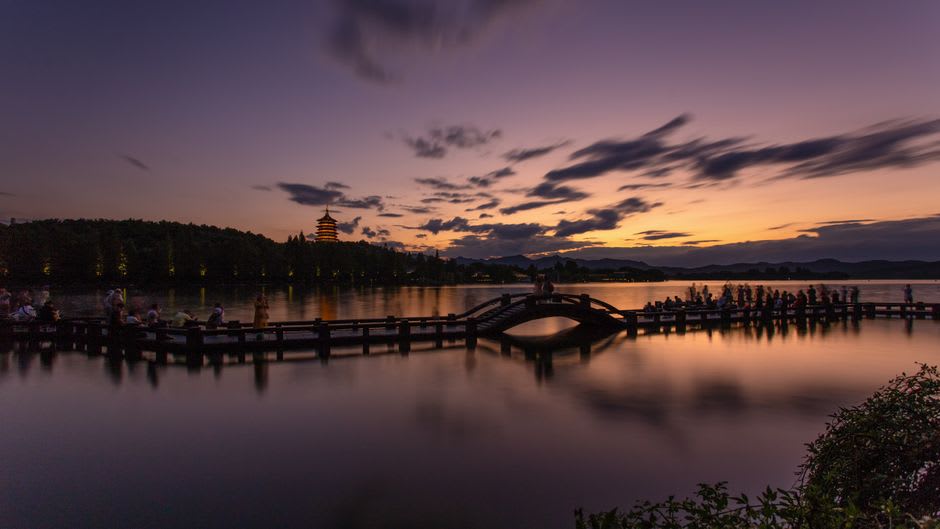
The Jiji Line train from Shuili rattles along at a pace that feels almost defiantly unhurried, past betel nut groves and river gravel bars, toward the old timber depot at Checheng. We rode it standing near the open door of the last car, watching the valley narrow, while a conductor who’d clearly done this run ten thousand times before pointed out a hawk circling over the riverbed without breaking his announcement cadence.
The Market at Dusk
Shuili’s evening market is small, maybe forty stalls, but it runs late and it runs local — vendors selling river shrimp fried in garlic, sweet potato balls, and a version of oyster omelet slightly runnier than the ones we’d had in Taipei. Nobody spoke English, the menus were handwritten, and we ordered by pointing, which remains one of my more reliable travel strategies.
When to go: October through April brings comfortable temperatures for exploring the town on foot and better visibility on the surrounding hills. Summer is hot and humid, though the train ride itself is pleasant in any season.
Keep exploring
More from Taiwan
 taiwan
 Sichongxi Hot Springs
A riverbed hot spring in the hills above Hengchun, where warm mineral water pools directly among the rocks of a mountain stream.
Explore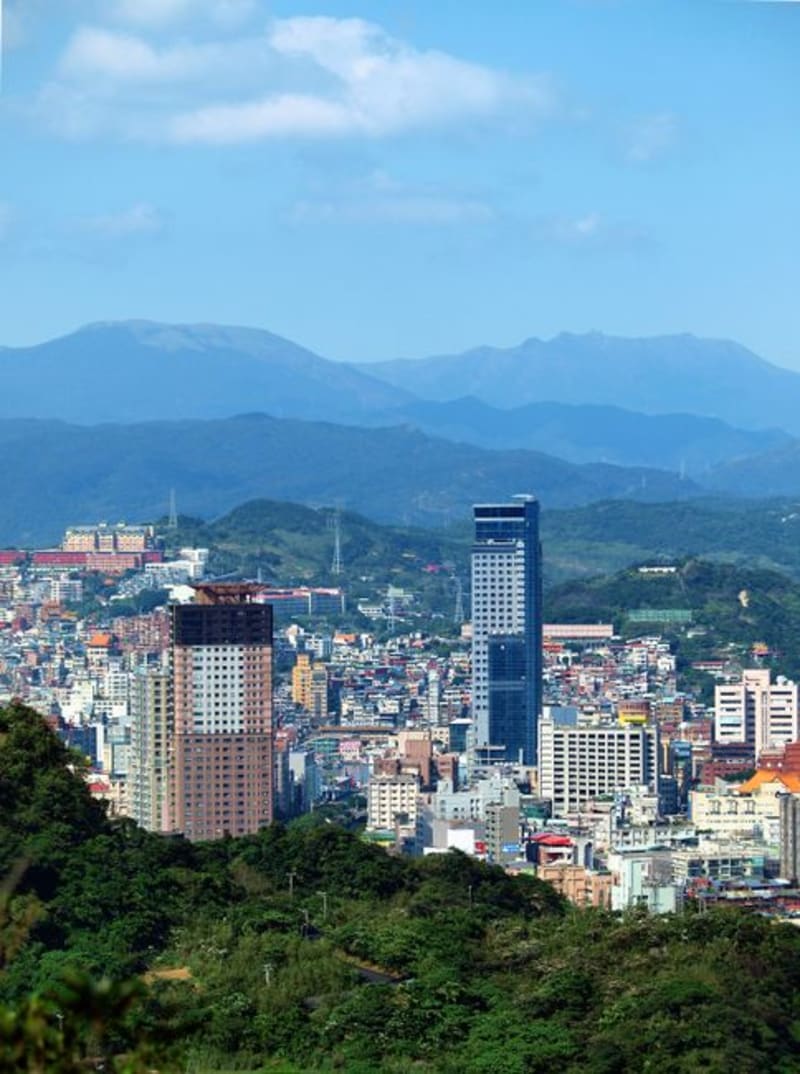 taiwan
 Songshan
A riverside district best known for Raohe Street's night market and a peppercorn pork bun queue that never seems to shrink.
Explore taiwan
 Sun Moon Lake
Taiwan's most sacred lake, ringed by aboriginal villages, tea farms, and perpetual morning mist.
Explore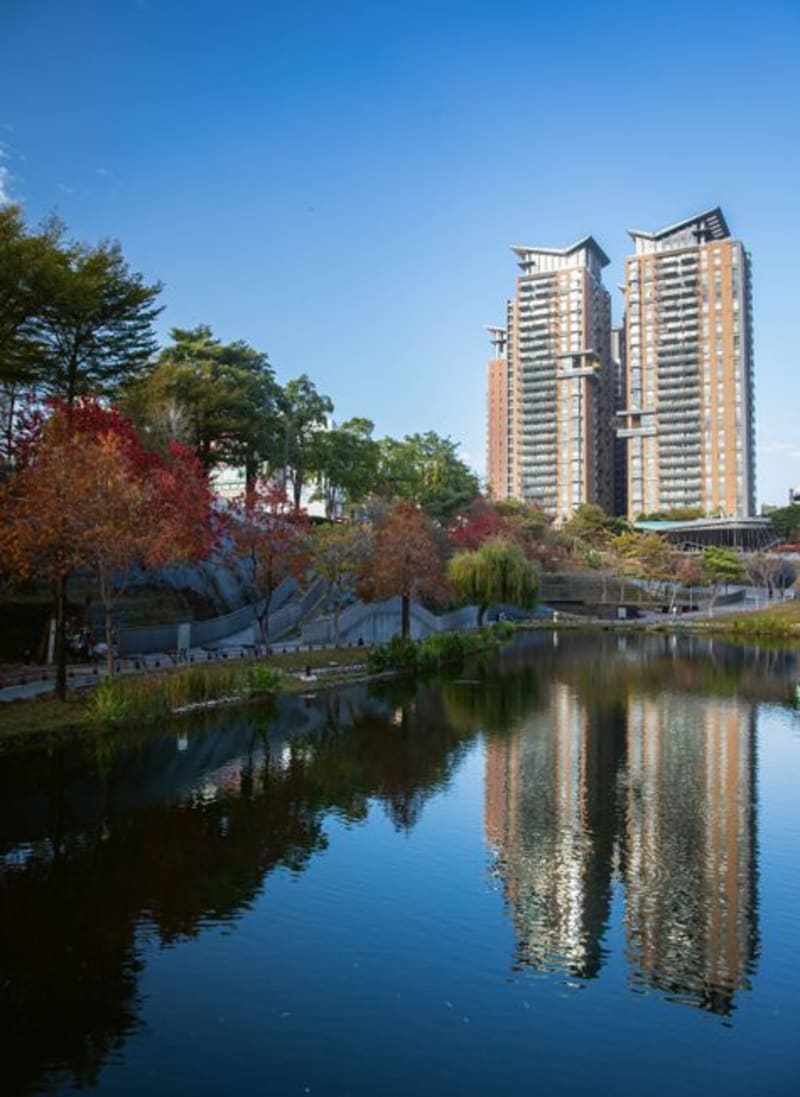 taiwan
 Taichung
Taiwan's second city, a mellow grid of art parks, coffee culture, and the bubble tea it invented, minus the intensity of the capital.
Explore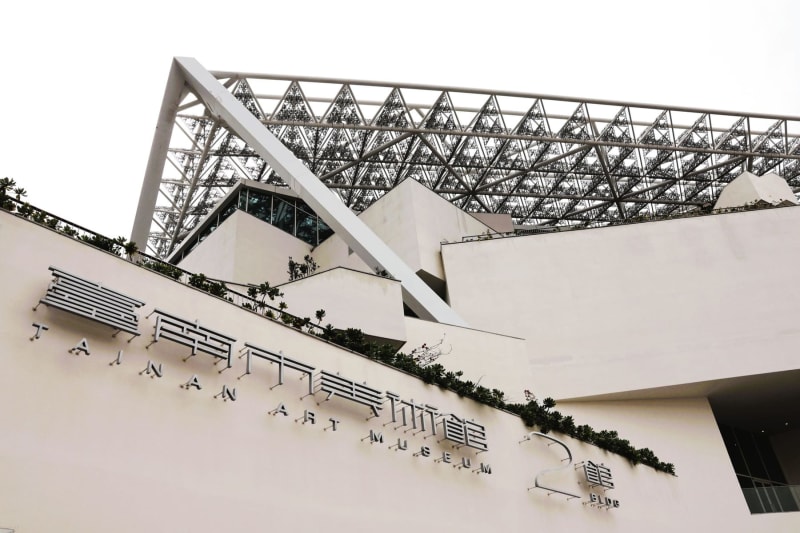 taiwan
 Tainan
Taiwan's oldest city and undisputed culinary capital, where temples outnumber coffee shops.
Explore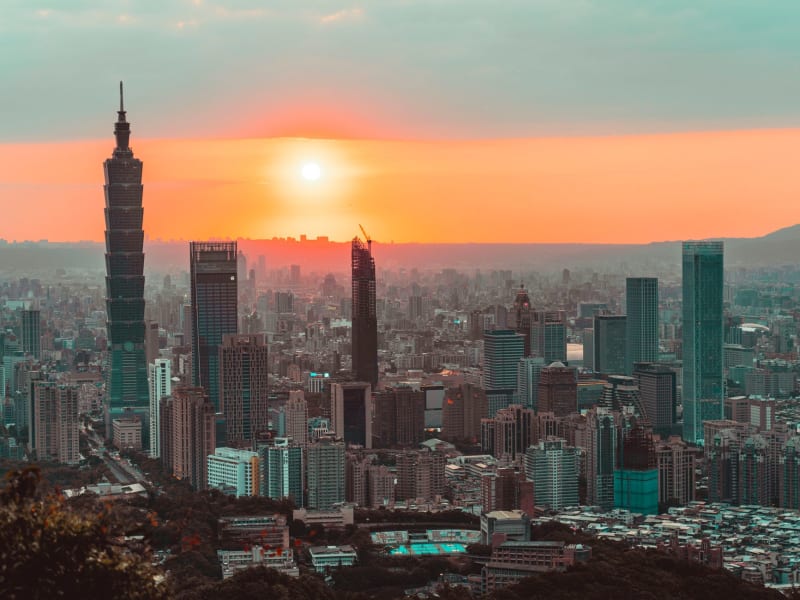 taiwan
 Taipei
A city of legendary night markets, Michelin-starred xiaolongbao, and a needle piercing the cloud line.
Explore