Orchid Island (Lanyu)
"Lanyu is the only place in Taiwan where I felt like a guest in someone else's ongoing story, rather than a visitor to an attraction."
A remote volcanic island where the Tao people still build silver-hulled fishing boats by hand and refuse most of the tourism infrastructure that could easily be built here.
Orchid Island sits closer to the Philippines than it does to convenient Taiwanese infrastructure, and the ferry from Taitung reflects that — it’s a rougher, longer crossing than the one to Green Island, and I spent most of it outside on deck because the cabin smelled overwhelmingly of diesel and other people’s regret. The island itself, when it appeared, looked nothing like the rest of Taiwan: steep, green, ringed by black volcanic rock, with almost no development visible from the water.
The Tao and Their Boats
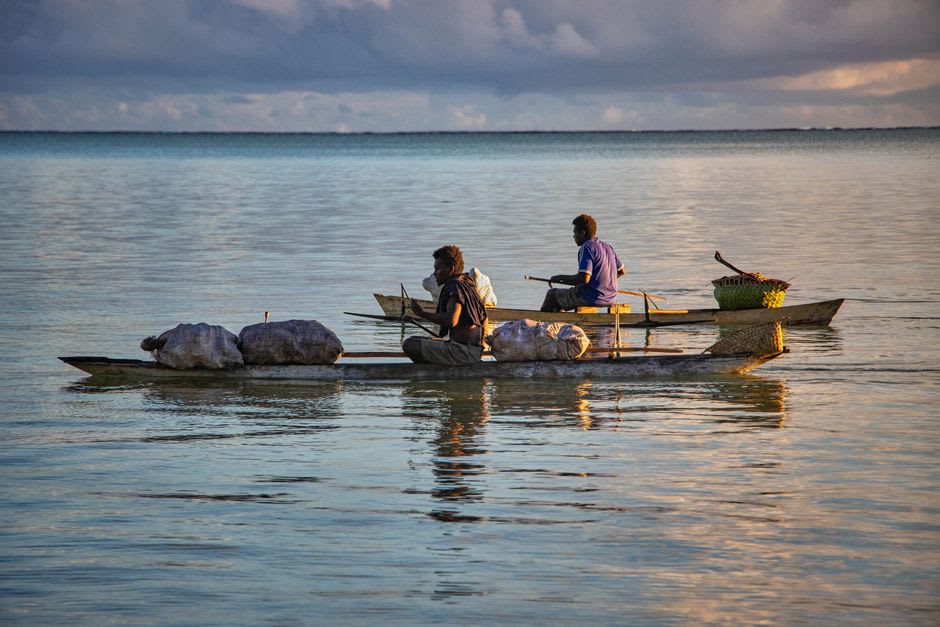
Lanyu is home to the Tao (also called Yami), the only officially recognized indigenous group in Taiwan whose homeland is not on the main island, and their culture here operates on its own terms. The most visible expression of that is the tatala — narrow plank boats built without nails, painted in black, white, and red patterns specific to each carver’s family, and used for flying fish season each spring. I watched two men in Iranmeylek village work on a hull with hand tools, unhurried, occasionally arguing about the angle of a plank. A sign near the launch site politely but firmly asked tourists not to sit inside finished boats, a request I saw broken twice in twenty minutes by people who clearly hadn’t read it.
Underground Houses and Flying Fish
The Tao traditionally built partially underground houses, sunk below grade with only the roofline visible, engineered specifically to survive the typhoons that hit this exposed island harder than almost anywhere else in Taiwan. A few restored examples remain near Yeyou village, and standing inside one — cool, dim, astonishingly sturdy — did more to explain Tao ingenuity than any museum placard could. Flying fish, the other pillar of Tao life, are caught seasonally using methods governed by a taboo calendar that dictates which months and which techniques are permitted. I ate dried flying fish for breakfast at a homestay, salty and intensely oceanic, while the owner explained which months I would have been forbidden from even asking for it.
When to go: March through June coincides with flying fish season and calmer seas for the ferry crossing. Typhoon season (July–September) brings frequent ferry cancellations and can strand visitors for days; winter is cold, windy, and most guesthouses reduce services.
Keep exploring
More from Taiwan
 taiwan
 Penghu Islands
An archipelago of basalt columns and wind-whipped seas where the oysters are enormous and the temples outnumber the tourists.
Explore taiwan
 Puli
A quiet basin town ringed by mountains, famous for its paper mills, its clean air, and its role as the calm hinge between Taichung and Sun Moon Lake.
Explore taiwan
 Qimei Island
The southernmost tip of the Penghu archipelago, home to the heart-shaped stone weir that ends up on every Taiwan tourism poster.
Explore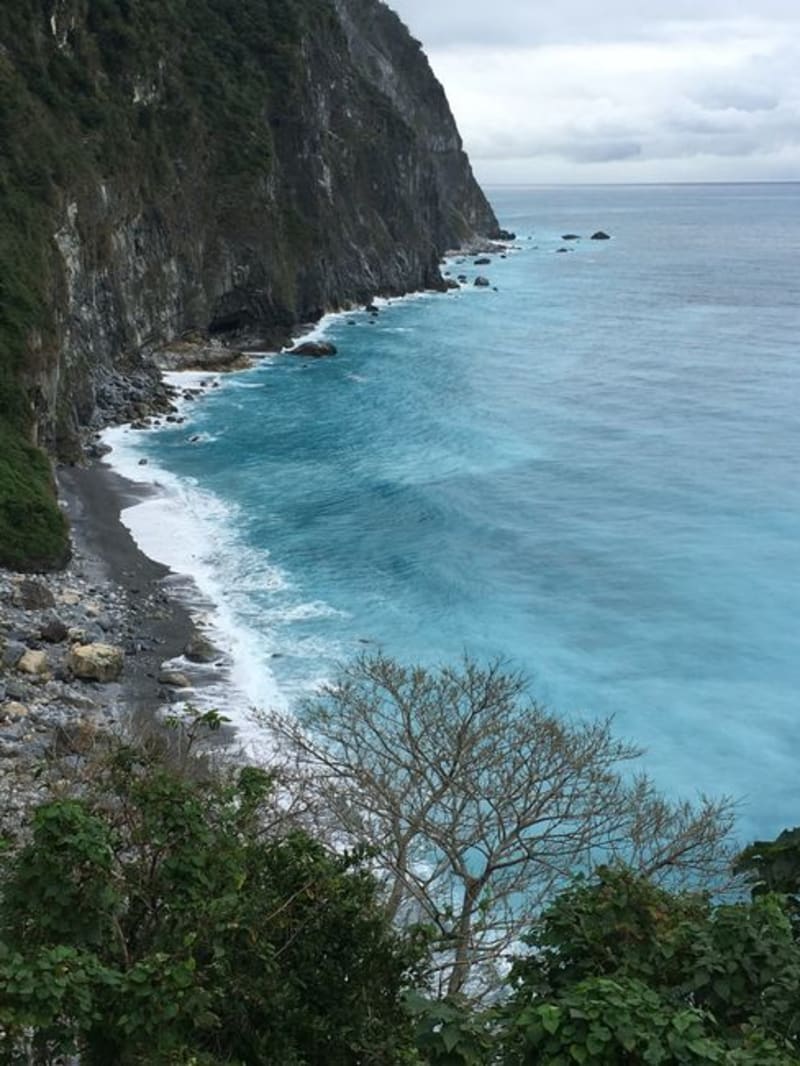 taiwan
 Qingshui Cliff
A dizzying stretch of marble cliff face dropping straight into the Pacific along the Suhua Highway, where the road and the railway both cling to a ledge blasted from solid rock.
Explore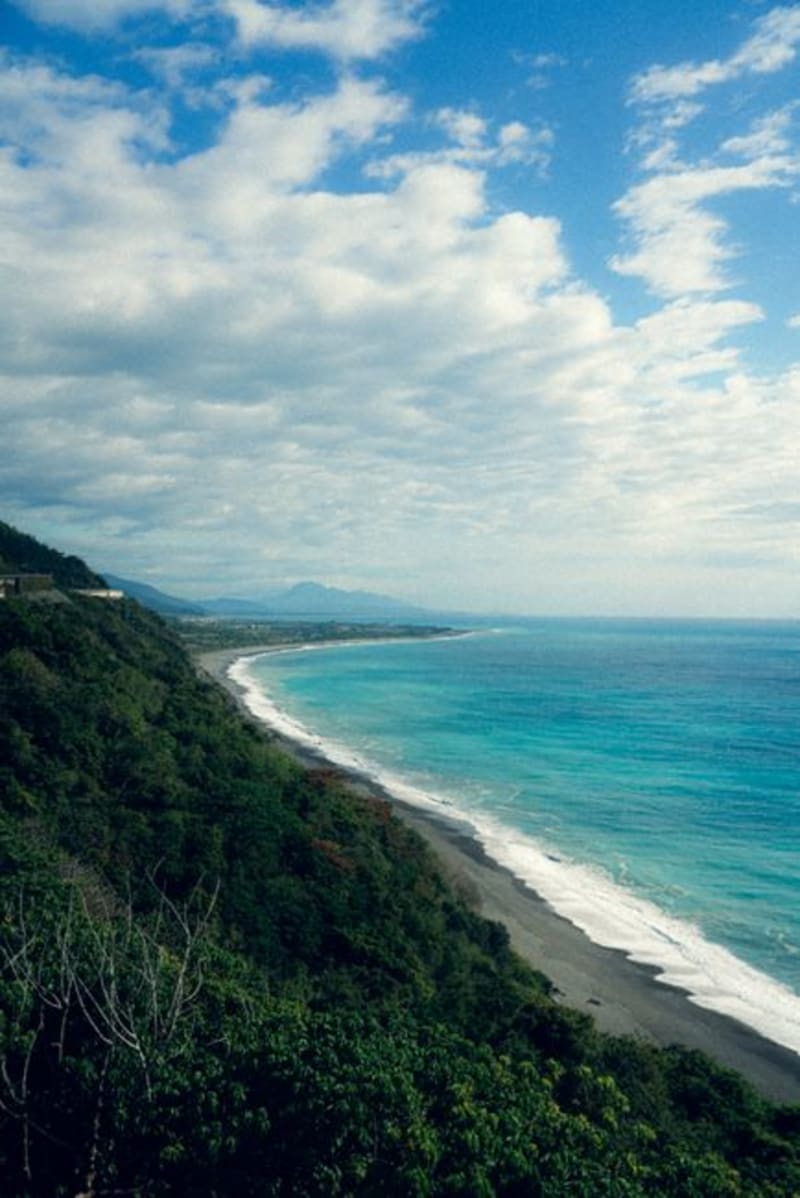 taiwan
 Qixingtan Beach
A crescent of smooth grey pebbles just north of Hualien airport, where fighter jets occasionally roar overhead and the Pacific arrives in the kind of waves that discourage swimming and reward watching.
Explore taiwan
 Ruisui Hot Springs
A quiet Rift Valley township with rust-colored carbonate hot springs discovered by the Japanese, and some of the least touristed soaking pools in Taiwan.
Explore