Lugu
"I have never had a beverage explained to me with this much reverence, and I include wine in that comparison."
The spiritual home of Dong Ding oolong, a township of steep tea terraces, roadside tastings, and farmers who talk about leaf oxidation like sommeliers talk about tannin.
I’ve sat through enough wine tastings in my life to recognize the register the moment I heard it — that specific, slightly evangelical tone people use when they’ve devoted a career to one crop. In Lugu, it was a tea farmer named Mr. Chen, standing over a tray of curled, dark-green leaves, explaining the difference between light and heavy roast Dong Ding oolong with the same intensity a Burgundy winemaker might apply to terroir. Lugu is where this style of oolong originated, grown on the slopes of Fenghuangshan, and the township still runs almost entirely on tea.
Fenghuangshan and Rows That Climb Straight Up
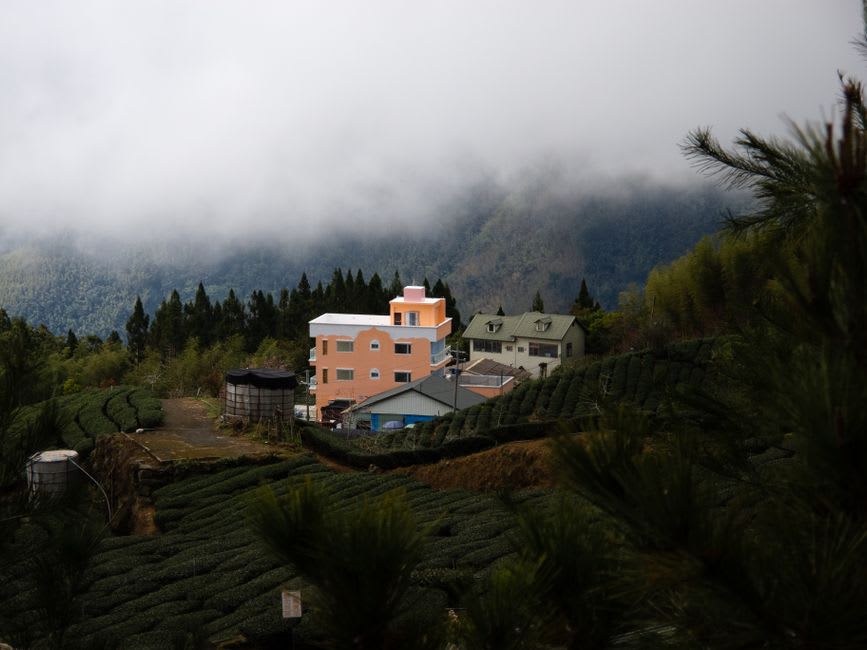
The tea terraces around Fengshan, Lugu’s core growing area, are steeper than any vineyard I’ve walked through, cut into slopes that seem to defy the logic of mechanized farming entirely. Everything here is picked by hand, mostly by workers wearing wide straw hats and long sleeves against the sun, moving along rows angled sharply enough that I found myself instinctively reaching for something to hold onto just watching them work.
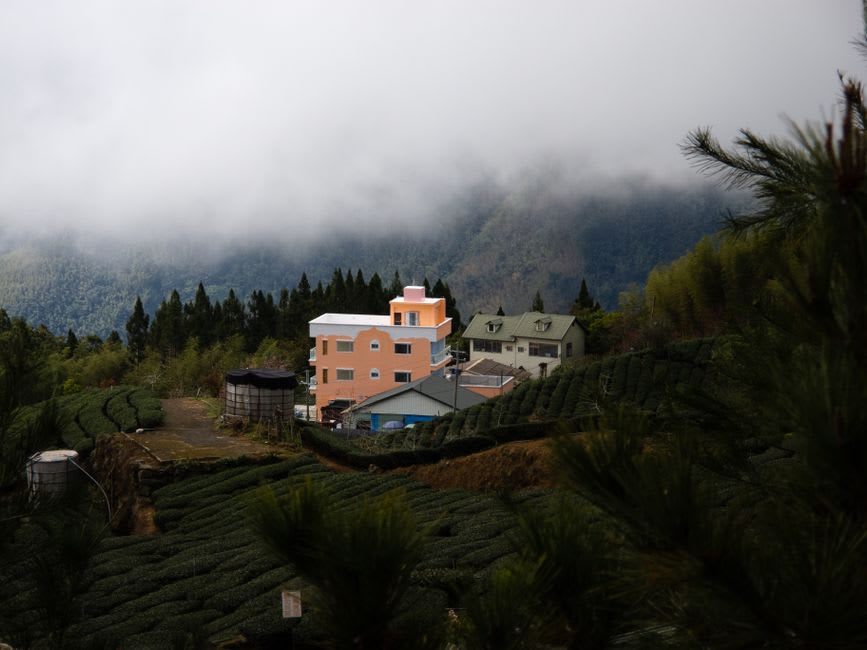
A Roadside Tasting That Turned Into Two Hours
We stopped at a farmhouse advertising tastings with a hand-painted sign, expecting a quick cup and a sales pitch. Instead Mr. Chen sat us down at a low table, brewed four separate roasts side by side in small clay pots, and walked us through each one — light roast bright and floral, heavy roast deep and almost smoky, closer to a dark oolong than anything I’d tasted before. Lia bought half a kilo of the medium roast, and I’m fairly sure Mr. Chen slipped an extra pouch into the bag without charging for it.
The Zhang Family Ancestral Shrine, Almost by Accident
Wandering the back roads afterward, slightly caffeinated and in no hurry, we stumbled onto the Zhang Family Ancestral Shrine, a well-preserved Qing dynasty compound with carved stone lions worn soft at the edges by generations of hands. There was no admission fee, no gift shop, just an elderly caretaker sweeping the courtyard who nodded at us and went back to his broom.
When to go: Late autumn (October–November) coincides with the winter tea harvest and offers cool, clear weather for walking the terraces. Spring harvest season (April–May) is equally good if you want to see the first pick of the year.
Keep exploring
More from Taiwan
 taiwan
 Lukang
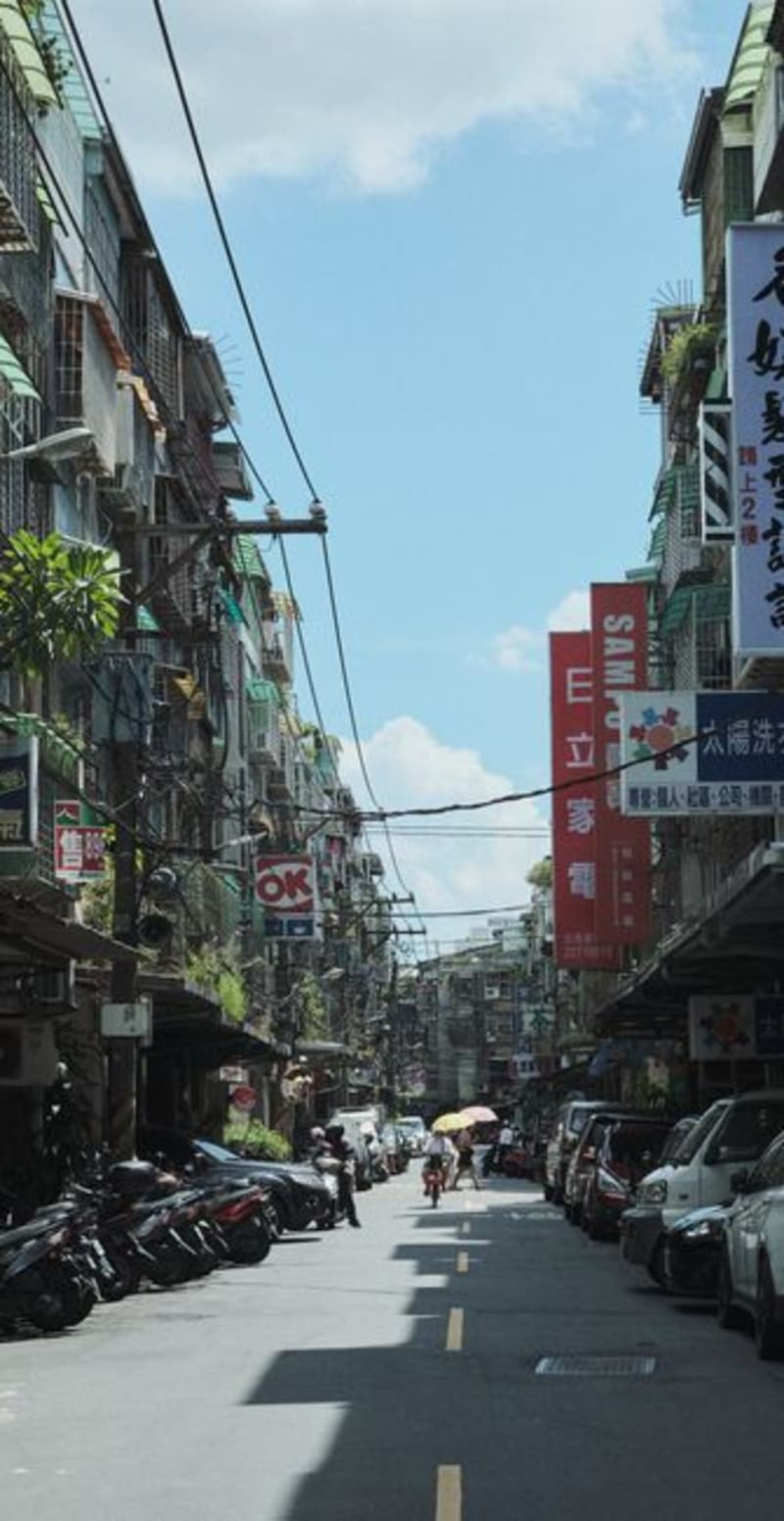
A former Qing-dynasty trading port frozen mid-breath, all red-brick alleys, incense smoke, and centuries-old temples still in daily use.
Explore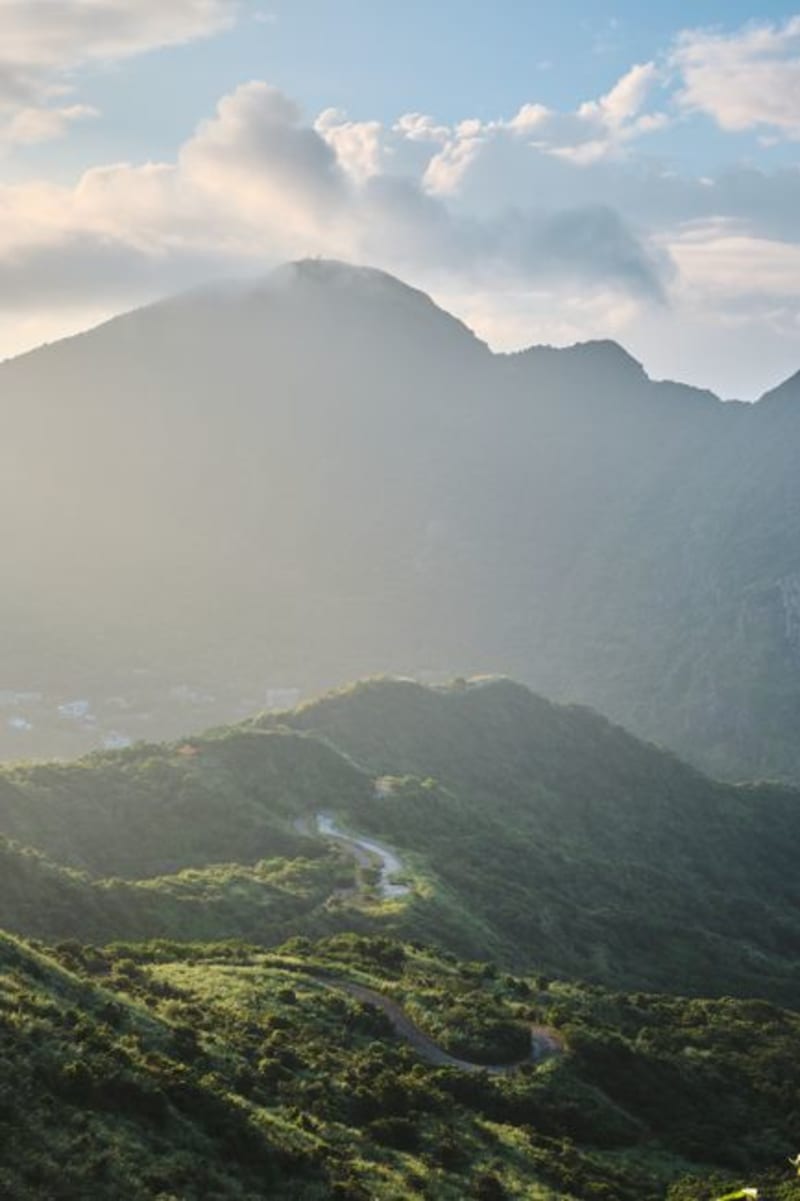 taiwan
 Maolin
A mountain scenic area in Kaohsiung's interior famous for wintering purple crow butterflies and Rukai indigenous villages along the Zhuokou River.
Explore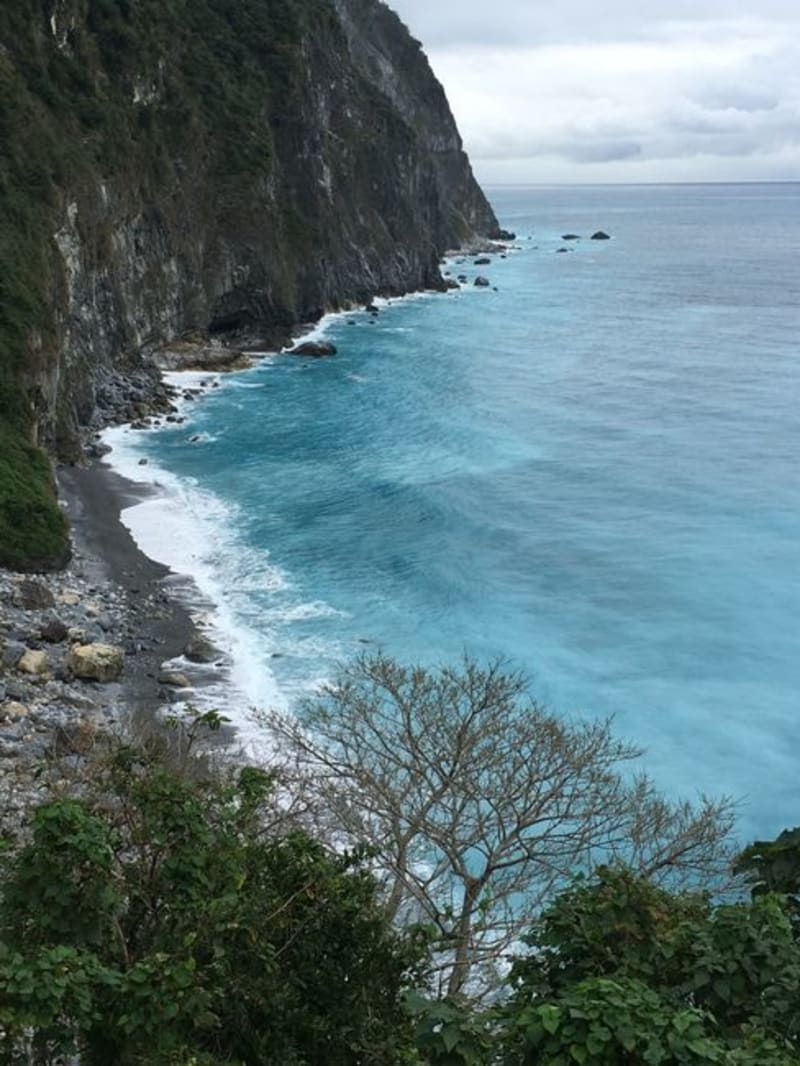 taiwan
 Matsu Blue Tears (Beigan)
A remote archipelago near the Chinese coast where bioluminescent algae light the surf electric blue on summer nights.
Explore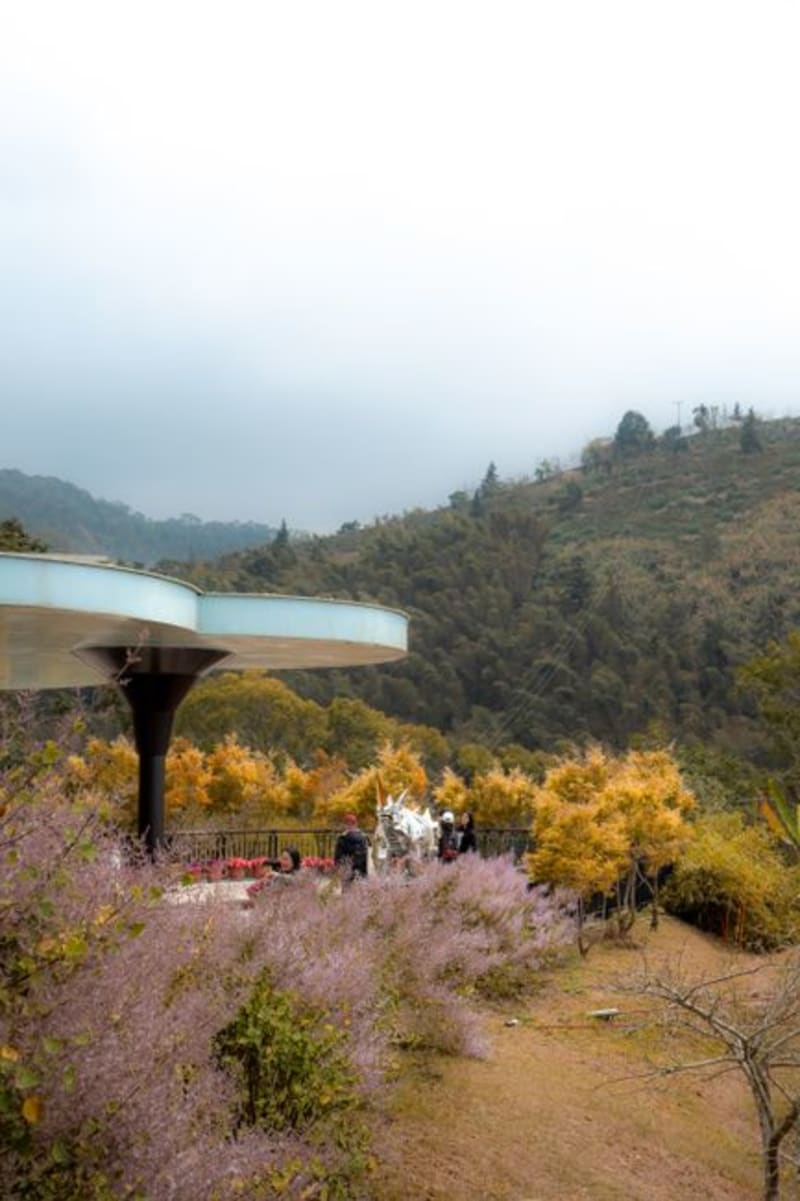 taiwan
 Meinong
A Hakka farming town in Kaohsiung's hinterland known for oil-paper umbrellas, tobacco barns, and a slower, tradition-bound rhythm.
Explore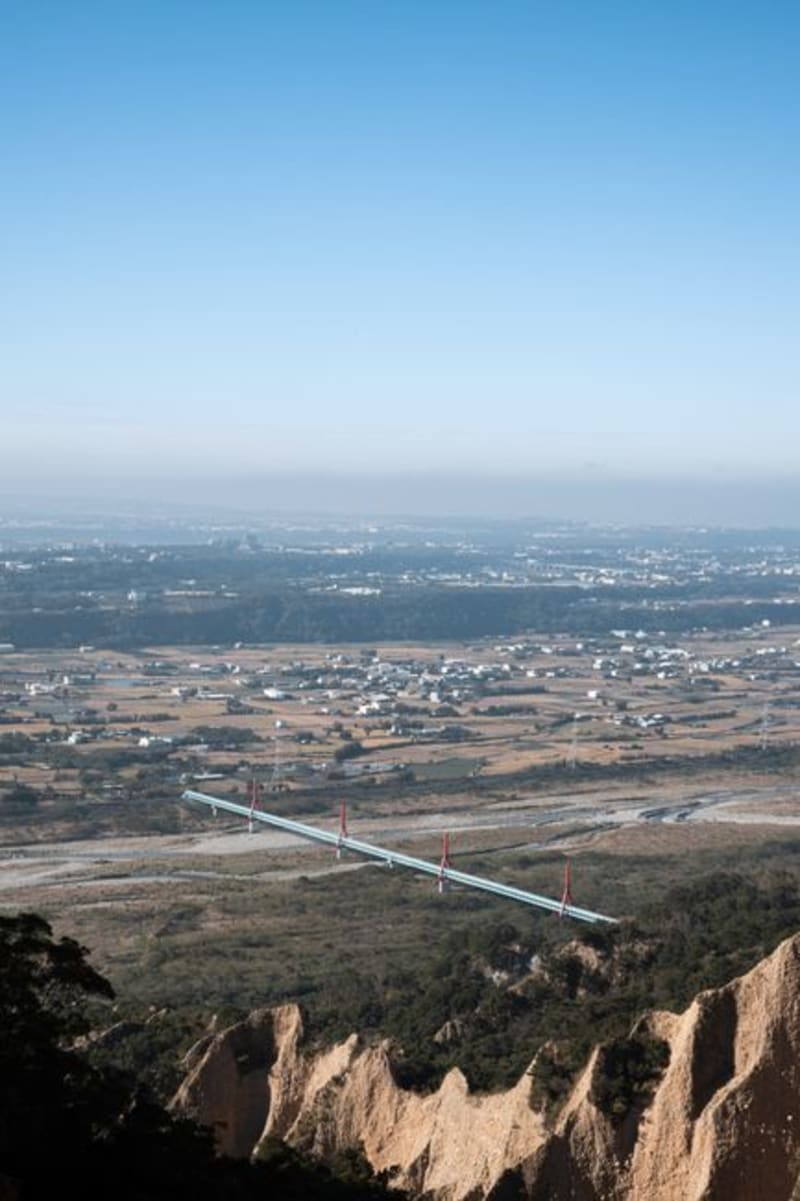 taiwan
 Miaoli
An unglamorous farming county that turns out to hold Taiwan's best-kept Hakka food, hot springs, and hillside tea terraces.
Explore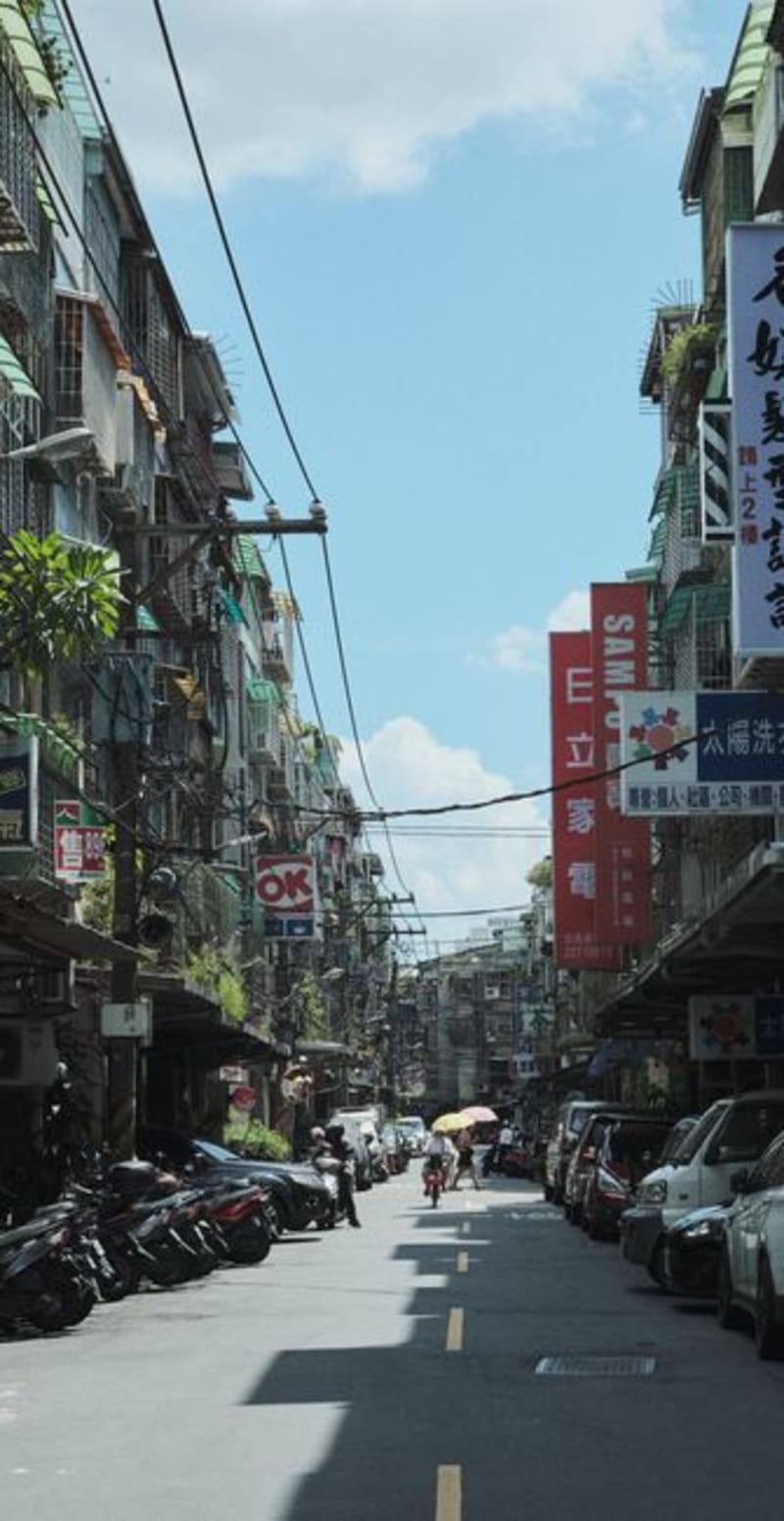 taiwan
 Nanfangao
A working fishing harbor in Yilan County where three temples share one hillside, a rainbow-painted bridge frames the fleet, and the fish market moves faster than you can point at anything.
Explore