Kinmen Old Town
"Kinmen's old villages look like postcards from a country that no longer quite exists, which, in a sense, is exactly what they are."
A cluster of Fujianese and Western-influenced villages on Kinmen where diaspora wealth built ornate mansions a few kilometers from a former front line.
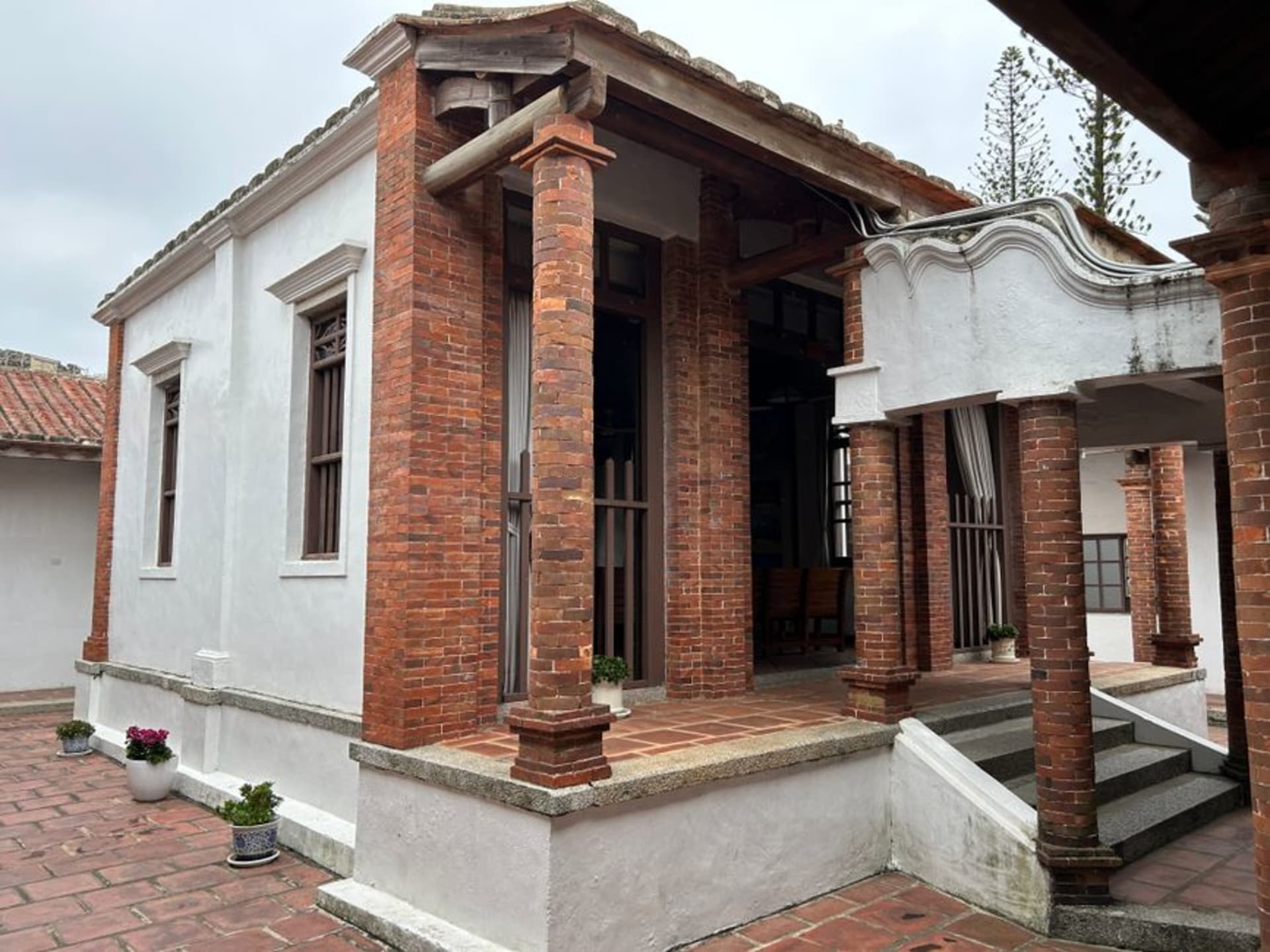
Kinmen sits close enough to the Chinese mainland that on a clear day you can see the skyline of Xiamen from its beaches, which makes the island’s old villages — full of red-brick Fujianese swallowtail roofs and diaspora mansions — feel like a hinge point between two very different Chinas, one that stayed and one that scattered to Southeast Asia and came home rich.
Shuitou Village
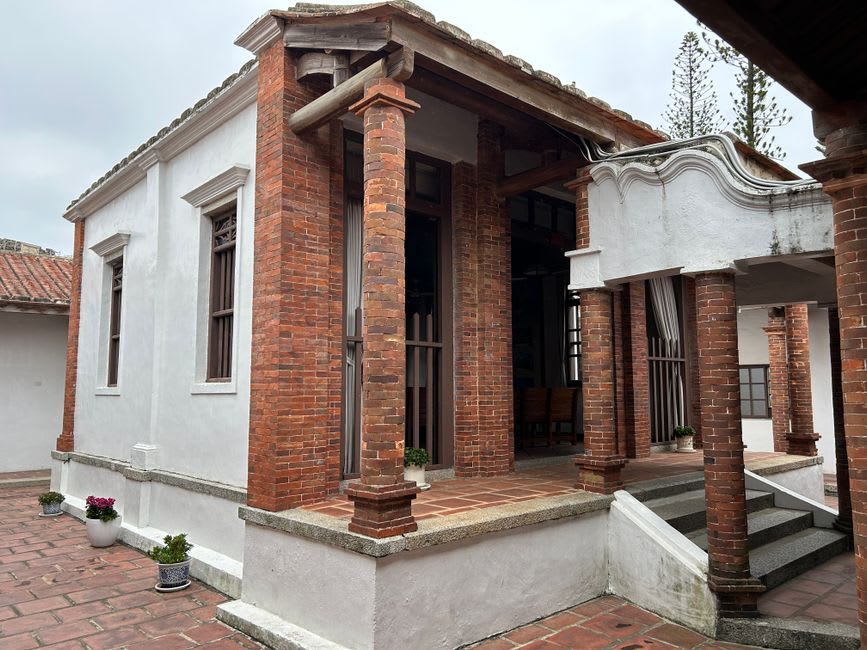
Shuitou is the best-preserved of Kinmen’s old settlements, a compact cluster of traditional Fujian-style courtyard houses interspersed with Western-style mansions built in the 1920s and 30s by Kinmen families who’d made fortunes in Singapore, Indonesia, and the Philippines and sent money home to build monuments to their success. Walking the lanes, you pass an ornate colonnaded facade with Baroque flourishes standing directly next to a red-brick swallowtail-roofed courtyard house that could be four hundred years old, and nobody seems to find the juxtaposition strange. I certainly did, in the best way.
Deyue Tower and the Bandit Watch
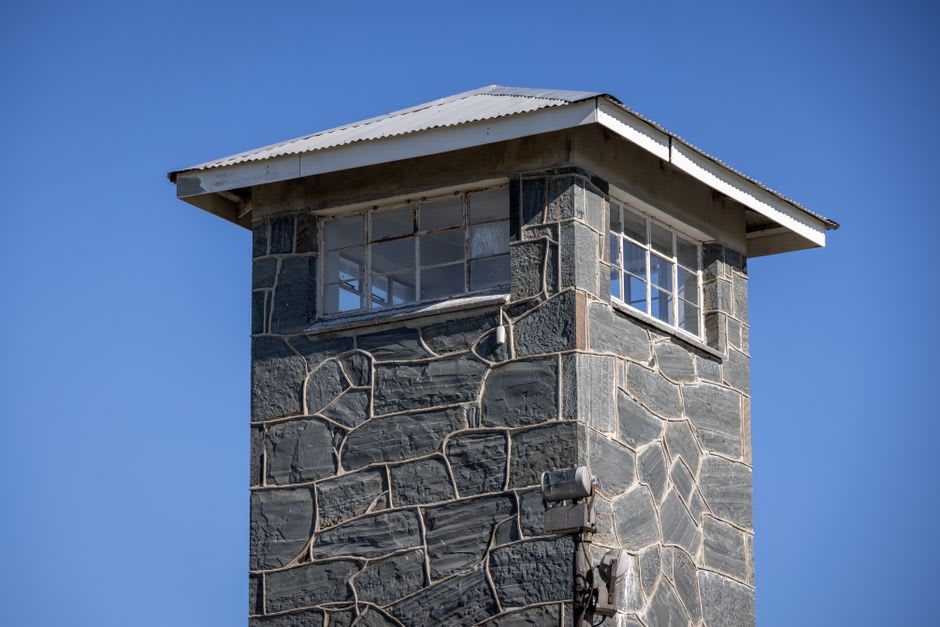
At the edge of Shuitou stands Deyue Lou, a defensive tower built in 1931 by a wealthy overseas Kinmen merchant specifically to watch for pirates and bandits — a reminder that overseas wealth here always came with a defensive posture attached. I climbed the narrow spiral stairs to the top with a Kinmen-born guesthouse owner who pointed out gun slits built into the walls and told me, almost offhand, that his own grandfather had sheltered in a tower just like it during a raid in the 1940s. History on Kinmen isn’t distant. It’s a grandparent’s memory.
Sorghum, Not Rice
Kinmen’s soil doesn’t suit rice paddies the way Taiwan proper’s does, so the island grows sorghum instead, and that sorghum becomes kaoliang liquor — Kinmen’s signature export, fierce and clear and sold in bottles at every shop on the island. Lia and I did a distillery tour near the old town almost by accident, ducking in out of a sudden downpour, and ended up doing a shot of 58-proof kaoliang with the tour guide at eleven in the morning because refusing seemed ruder than accepting.
When to go: March through May and October through November, when the humidity drops and the old brick facades photograph best in low-angle light. Avoid the peak of summer, when Kinmen gets genuinely brutal heat with little coastal breeze to offset it.
Keep exploring
More from Taiwan
 taiwan
 Lieyu (Little Kinmen)
A smaller, quieter island off Kinmen's coast, reachable by a five-minute ferry, where anti-landing spikes still line the beaches.
Explore taiwan
 Liuqiu Island
A small coral island off Donggang where sea turtles outnumber the crowds and the coastline is riddled with limestone caves.
Explore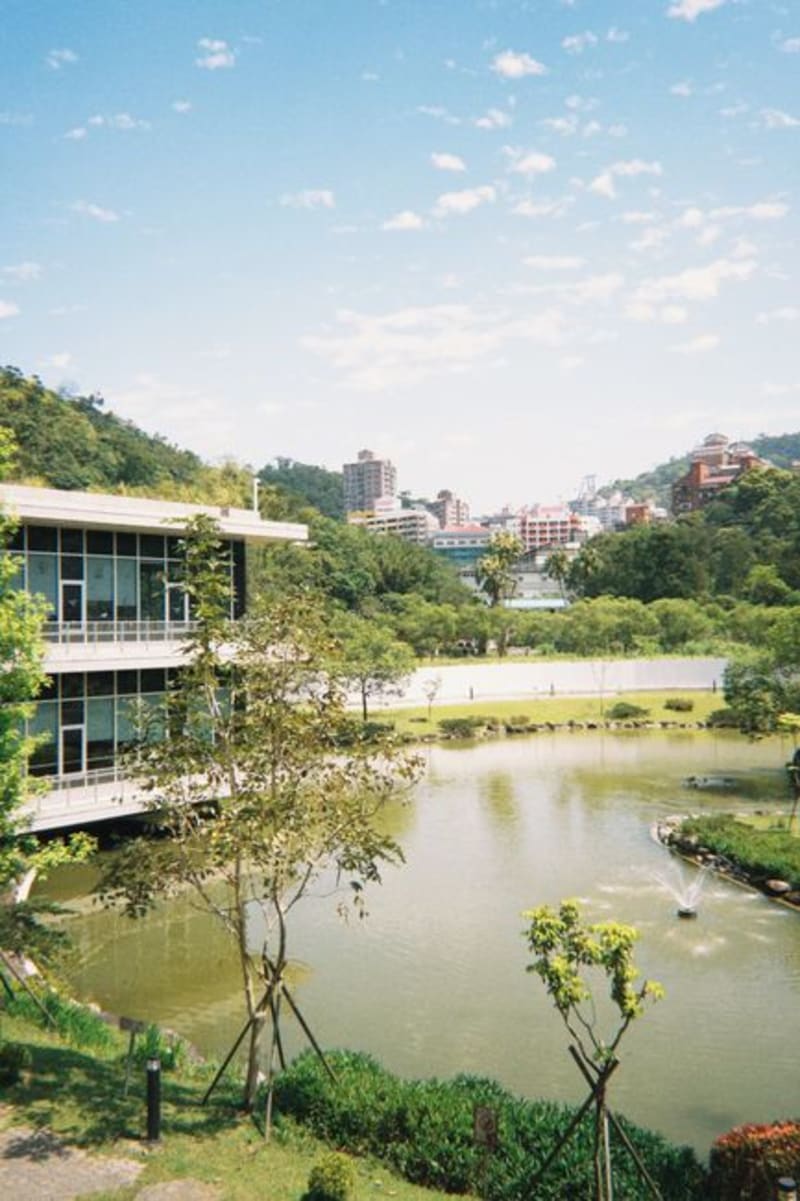 taiwan
 Liyu Lake
Hualien County's largest lake, ringed by a flat cycling path and a legend about a carp who fell in love with a mountain, best visited at dusk when fireflies take over the forest edge.
Explore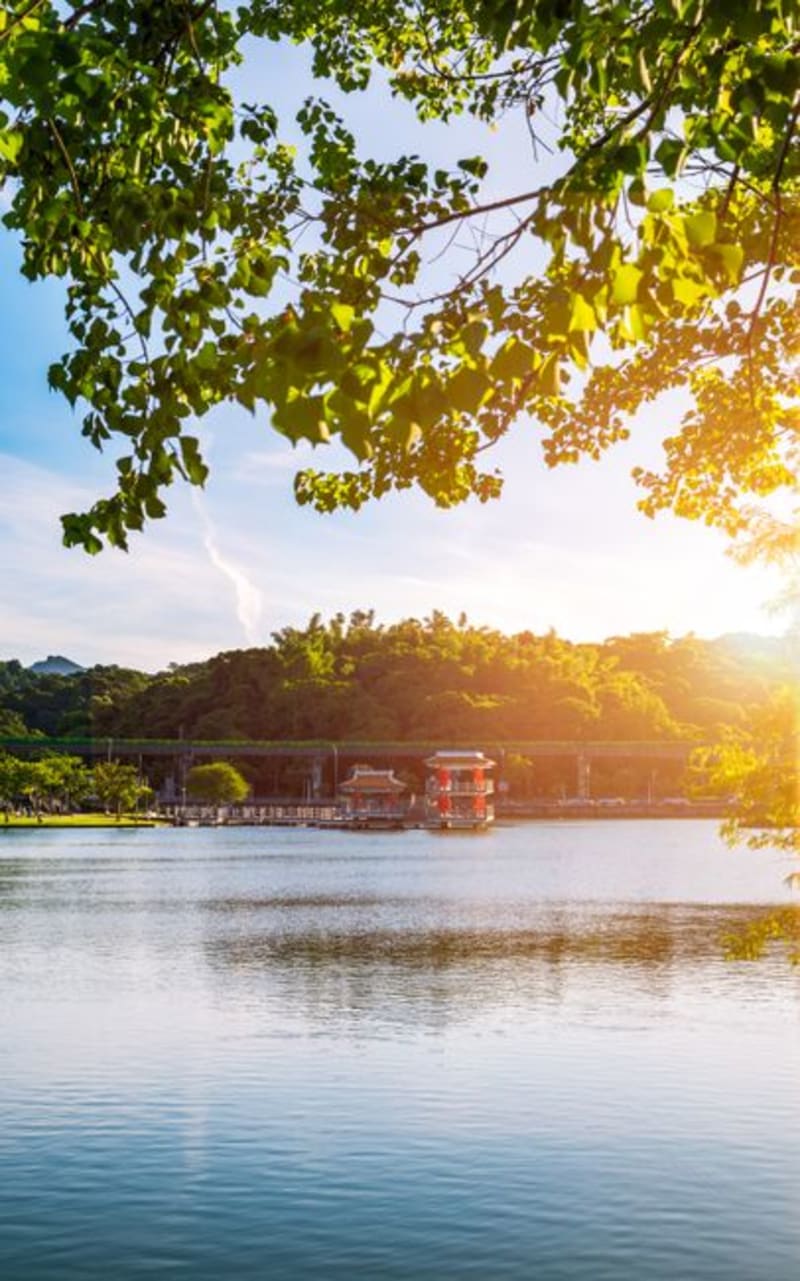 taiwan
 Longluan Lake
A brackish wetland reserve on the Hengchun Peninsula and one of Taiwan's most important winter stopovers for migratory waterfowl.
Explore taiwan
 Lotus Pond
A temple-ringed lake in Kaohsiung's Zuoying district, anchored by the Dragon and Tiger Pagodas and a small city's worth of shrines.
Explore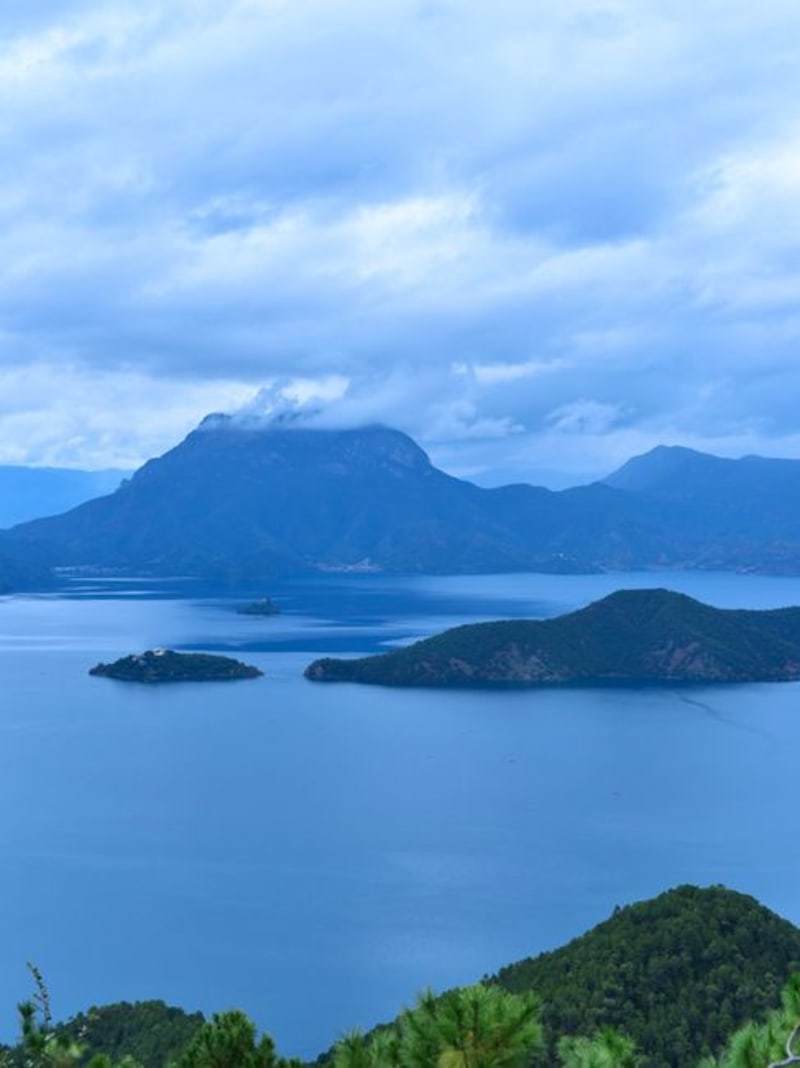 taiwan
 Lugu
The spiritual home of Dong Ding oolong, a township of steep tea terraces, roadside tastings, and farmers who talk about leaf oxidation like sommeliers talk about tannin.
Explore