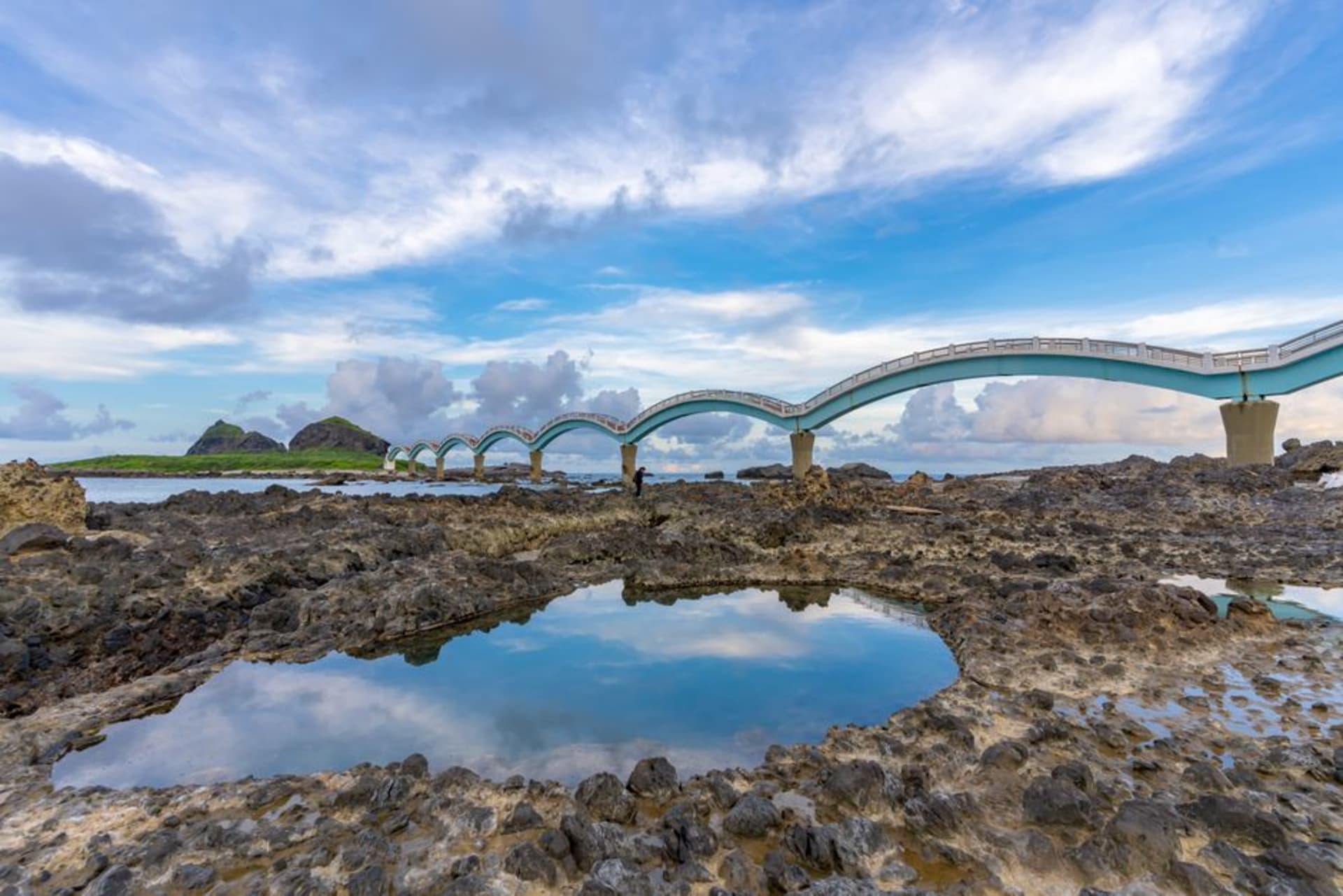
A sandbar spit off Penghu's northern tip where the water goes three shades of blue before lunch.
I’d already spent four days on Penghu’s main island being told, in the mildly insistent way locals do, that I hadn’t really seen Penghu until I’d been to Jibei. So I took the small ferry from Chihkan up in the north, twenty minutes across water that kept changing color depending on the depth of the sand beneath it, and understood within about ninety seconds why everyone kept bringing it up.
The Sandbar That Won’t Quit
The Jibei Sandbank — Shaweizi to locals — is a spit of pale coral sand that extends for close to eight hundred meters at low tide, narrow enough in places that you can see open sea on both sides at once. I walked out along it barefoot with my shoes in one hand, and the water kept switching from pale jade to a deep almost-navy as the sandbar dipped and rose beneath the surface. Fishermen anchor small boats along the edges and rake for shellfish; tourists mostly stay closer to the ferry dock, which meant that a ten-minute walk got me something close to solitude.
Coral Houses and a Very Small Village
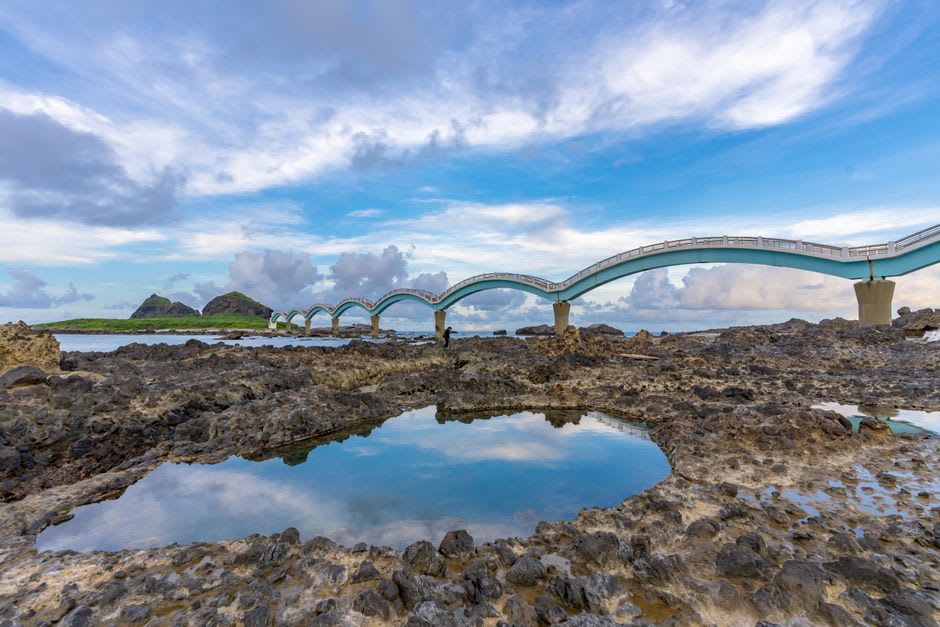
The village itself is a cluster of low coral-stone houses, a handful of guesthouses, and a temple to Wang Ye that anchors the whole community’s calendar — there’s a boat-burning ceremony every few years that draws people back from Taiwan proper. Lia and I rented bicycles from a stand near the harbor for about two dollars an hour and rode the loop road past goat pens and drying racks of squid, stopping whenever the wind died down enough to hear ourselves think, which on Penghu is not often.
We ate lunch at a plastic-table place near the pier — grilled squid still warm from the boat, a plate of Penghu’s famous “wagashi” style peanut candy for dessert, and a bottle of local beer that the owner opened with the edge of the counter because she couldn’t find the opener.
Watersports Without the Circus
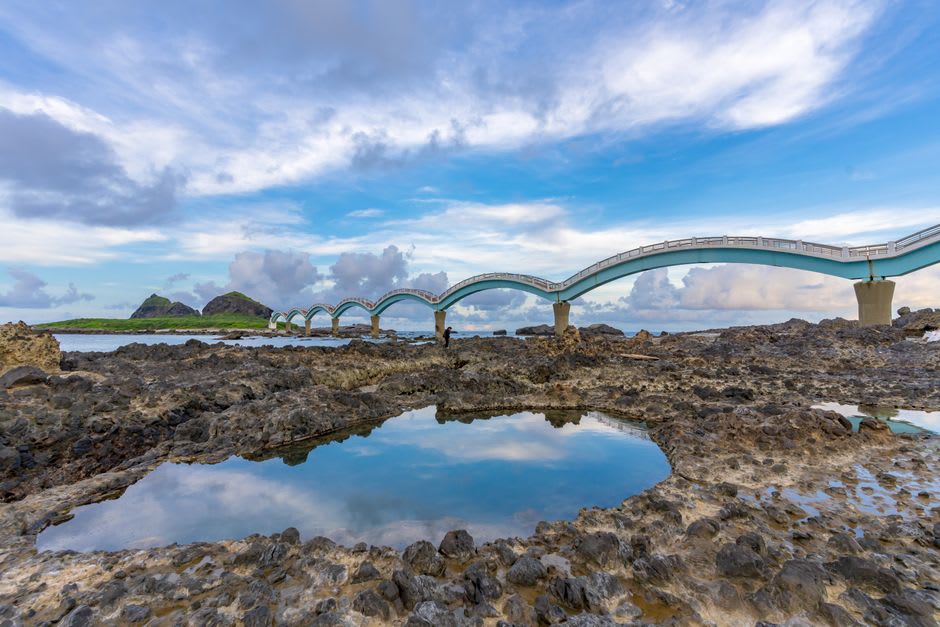
Jibei has become Penghu’s watersports hub — banana boats, jet skis, the works — clustered at one end of the beach near the ferry terminal. It’s louder than the rest of the island by a wide margin, but it’s contained enough that walking five minutes in either direction gets you back to something quiet. I did the fifteen-minute banana boat ride mostly because Lia dared me to, got thrown off twice, and came up laughing with a mouthful of the saltiest water I’ve tasted in Asia.
When to go: June through September, when the ferries run reliably and the water is warm enough to actually get in. Weekdays are dramatically quieter than weekends, when day-trippers pour over from Magong.
Keep exploring
More from Taiwan
 taiwan
 Jiji
A small railway town rebuilt after Taiwan's devastating 1999 earthquake, now known for its century-old banyan tree and a station full of quiet resilience.
Explore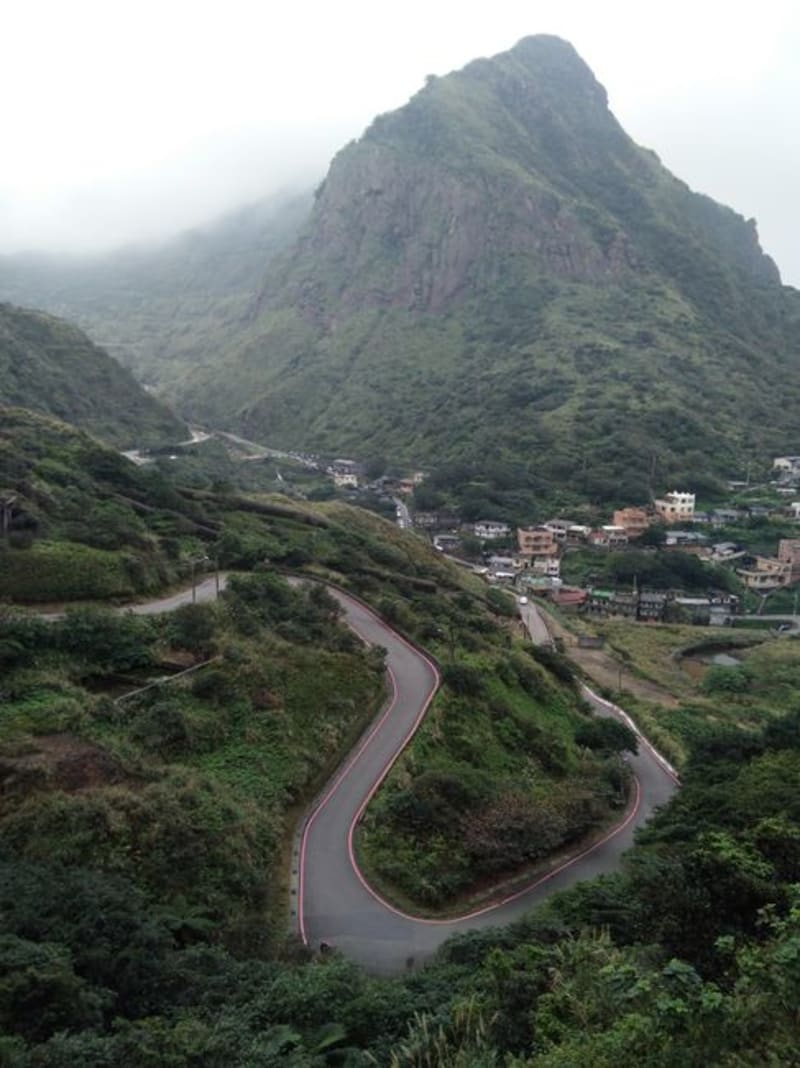 taiwan
 Jinguashi
A gold-mining town in the mountains above the northeast coast, home to a museum built around a former POW camp and Asia's largest surviving gold brick, still warm from visitors' hands.
Explore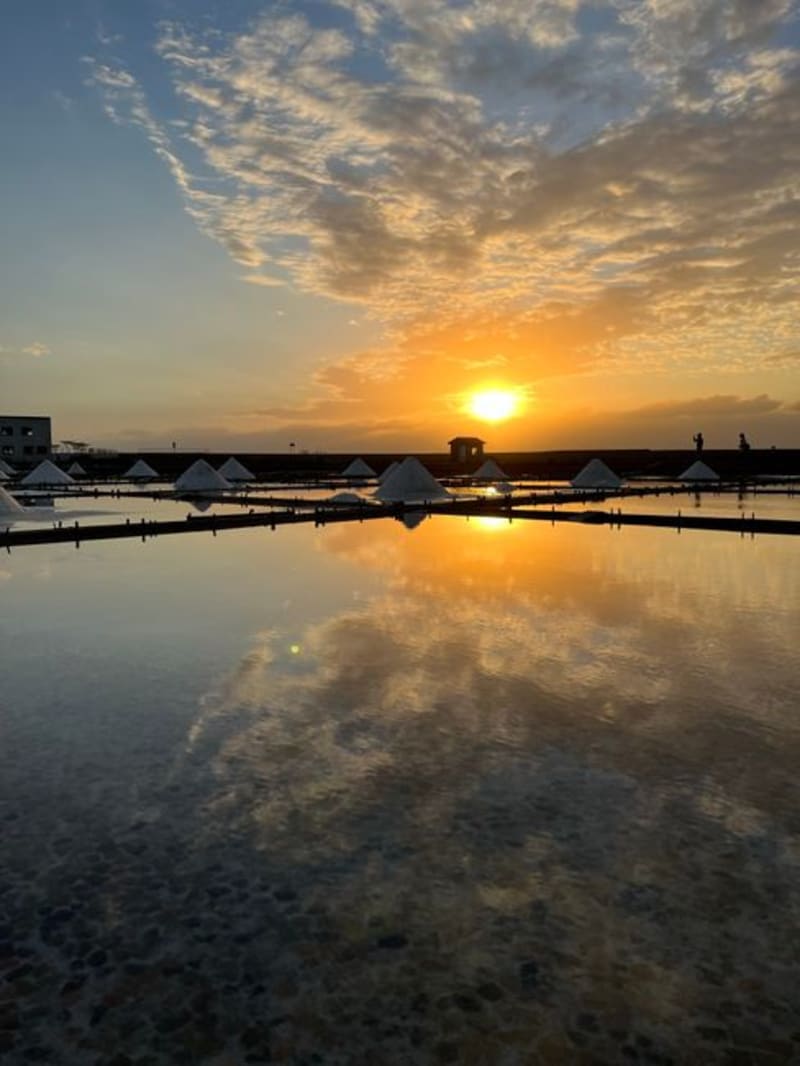 taiwan
 Jingzaijiao Salt Fields
A grid of tile-paved salt pans on Tainan's northern coast, still worked by hand, where the pyramids of raw salt glow pink at sunset.
Explore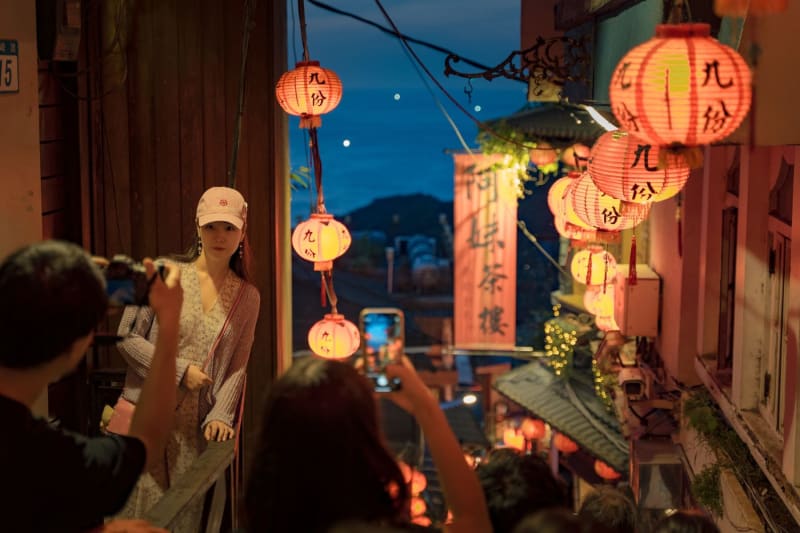 taiwan
 Jiufen
A gold-rush hillside town of red lanterns and fog, inspiration for the spirit world of a Miyazaki film.
Explore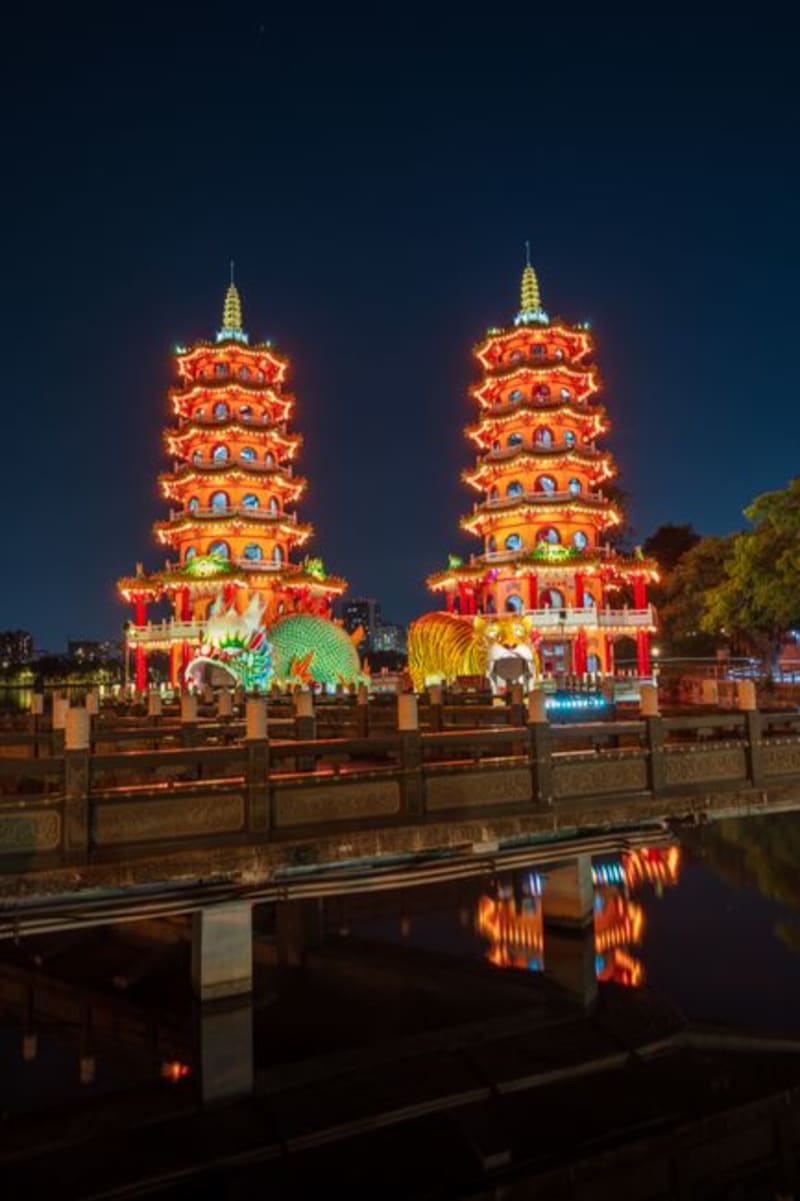 taiwan
 Kaohsiung
Taiwan's second city, a hard-working harbor town reinventing its shipyards and steel mills as art districts and riverside parks.
Explore taiwan
 Keelung
A working harbor city on Taiwan's northern tip, where container ships share the horizon with one of the island's oldest and least self-conscious night markets.
Explore