Donggang
"Donggang doesn't perform hospitality. It just hands you the best tuna you've ever eaten and moves on to the next customer."
A working fishing port in Pingtung famous for black-faced tuna, a triennial boat-burning festival, and unglamorous, excellent seafood.
We came to Donggang mostly as a ferry stopover on the way to Liuqiu Island and ended up staying an extra half-day, which tells you something about how underrated this town is. It’s a working port in Pingtung County, not a resort, and everything about it — the smell of diesel and salt at the harbor, the auctioneers shouting over crates of fish at dawn — makes clear that tourism is a side effect of the fishing industry here, not the other way around.
The Black-Faced Tuna Season
Donggang is Taiwan’s capital of black-faced tuna, a Pacific bluefin variant that arrives in local waters between March and June and triggers an entire seasonal economy around it. We happened to be there in May, and the fish market that morning was pure spectacle: enormous tuna, some over two meters long, laid out on ice while buyers inspected the cut cross-sections of tail meat to judge fat content before bidding. At a nearby stall we had tuna sashimi so fresh and richly marbled that Lia — who normally treats raw fish with polite tolerance rather than enthusiasm — asked for a second plate unprompted.
Donglong Temple and the Wang Ye Tradition
Donggang’s other claim to fame is Donglong Temple, home to one of Taiwan’s most elaborate religious events: the Wang Ye boat-burning festival, held once every three years, in which an entire wooden ship — built over months, fully rigged and stocked with supplies — is ceremonially burned on the beach to send plague spirits and misfortune out to sea. We weren’t there for the festival itself, but the temple grounds year-round are worth the stop, ornate even by Taiwanese temple standards, with dragon-carved pillars and a small museum displaying models of past ceremonial boats.
Harbor Breakfast
The real reason to linger in Donggang is breakfast at the harbor-front stalls, where fishermen coming off overnight shifts eat alongside whoever else is awake at that hour. We had a bowl of milkfish congee and a plate of fried shrimp cakes standing at a metal counter, the boats still rocking gently at the dock a few meters away, and it felt like the most honest meal of the whole southern Taiwan trip.
When to go: March through June for peak black-faced tuna season and the freshest catch; check the Lunar calendar for the triennial Wang Ye festival, next held in years divisible by three from the local temple’s cycle.
Keep exploring
More from Taiwan
 taiwan
 Dongshi
A weathered fishing harbor on the Chiayi coast where the auction starts before dawn and the seafood breakfast afterward is unlike anything served inland.
Explore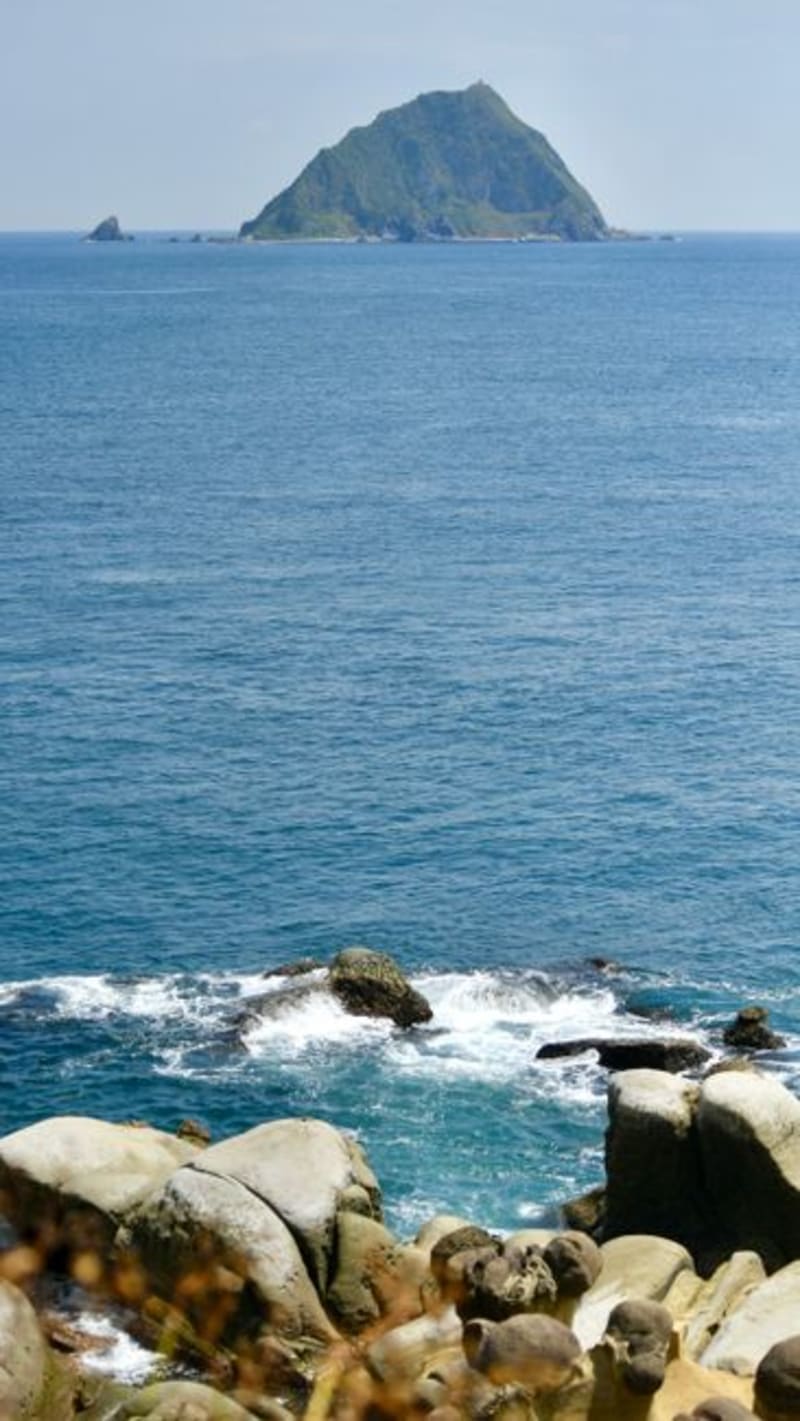 taiwan
 Dongyin Island
The northernmost inhabited point of Taiwan's territory, a windswept Matsu outcrop with a century-old lighthouse and granite cliffs dropping into open sea.
Explore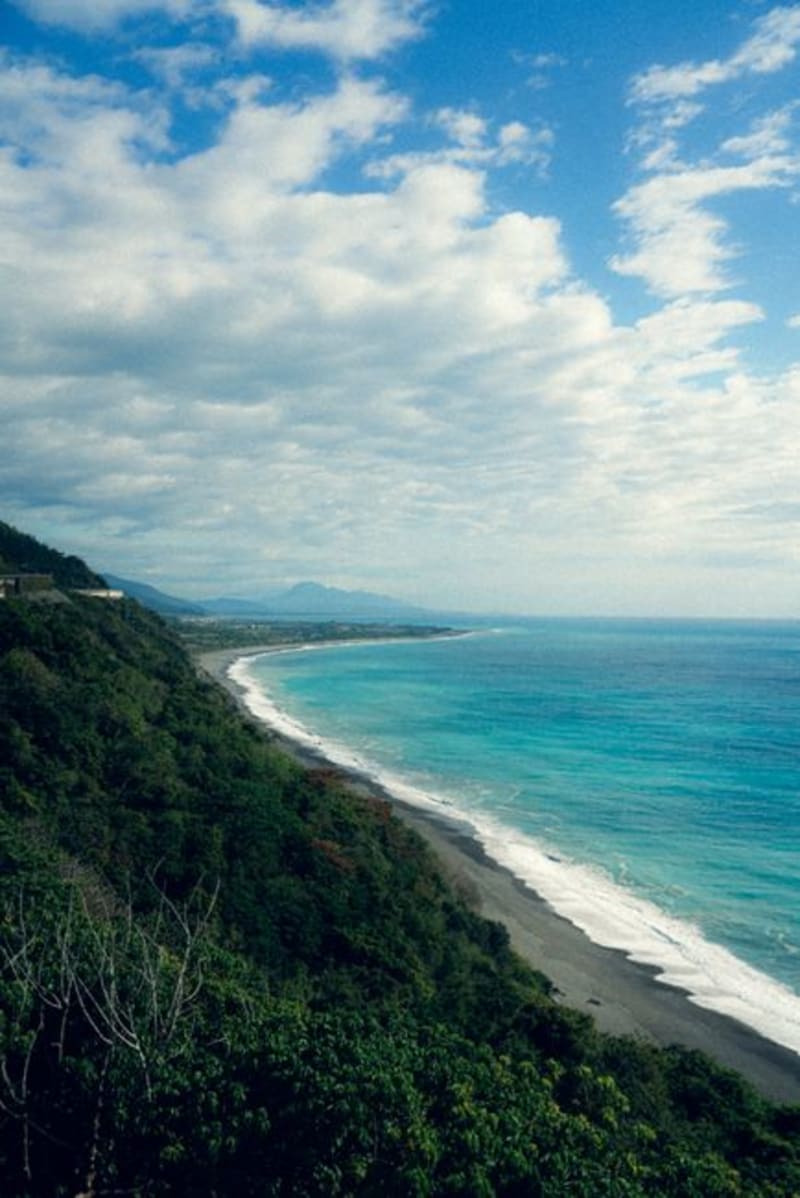 taiwan
 Dulan
A former sugar-refinery town turned surf and artist enclave on the Taitung coast, where Amis indigenous culture and a slow-motion counterculture scene share the same few streets.
Explore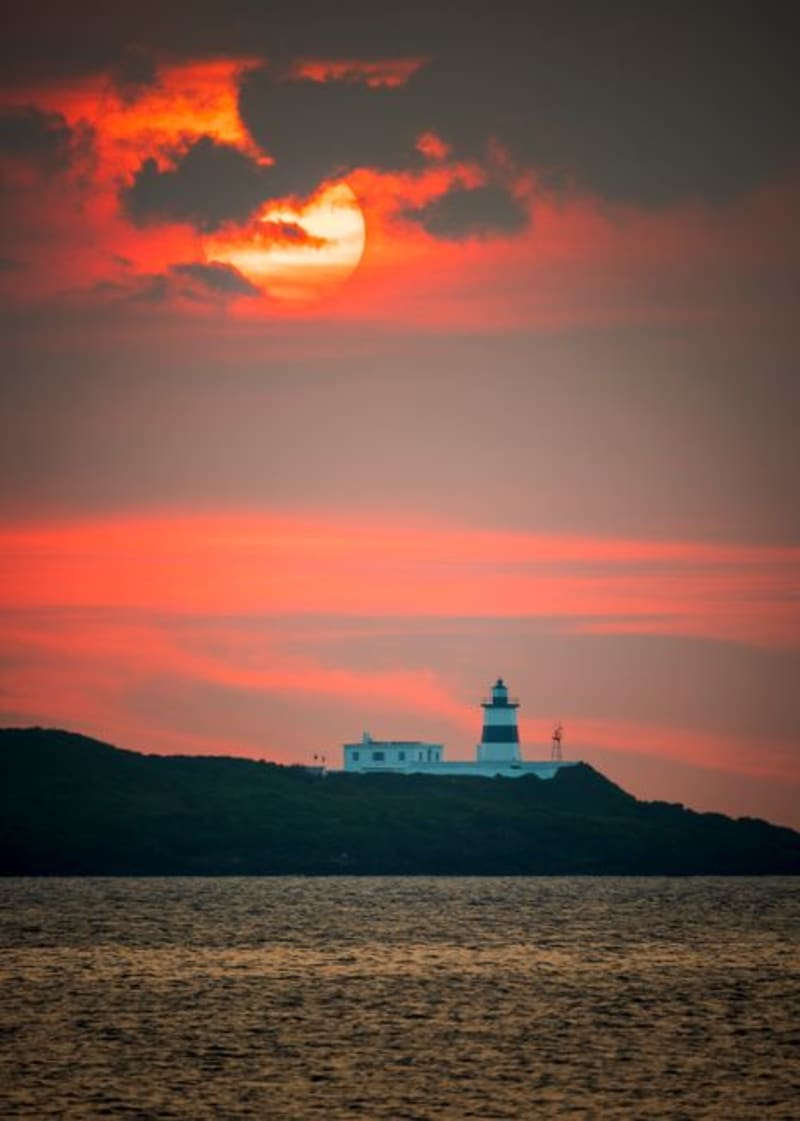 taiwan
 Eluanbi Lighthouse
Taiwan's southernmost point, a fortified white lighthouse standing where the Pacific meets the Taiwan Strait and the Bashi Channel.
Explore taiwan
 Farglory Ocean Park
An oceanfront theme park and aquarium wedged between the mountains and the Pacific north of Hualien, equal parts sincere marine education and unapologetic kitsch.
Explore taiwan
 Fengyuan
Taichung's unglamorous inland district, famous for a night market of sun cakes and a covered arcade nobody outside the region seems to know about.
Explore