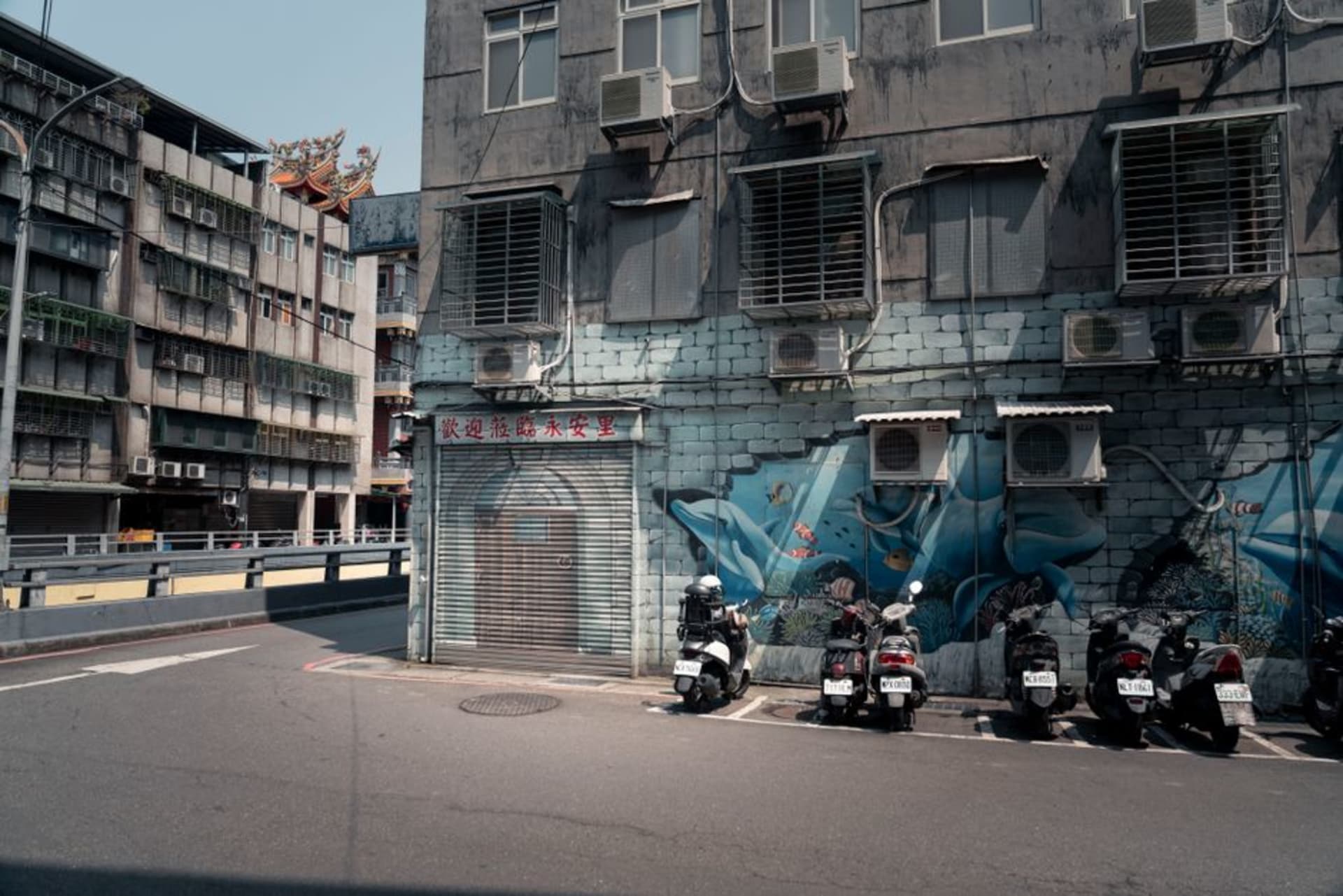
Beishan Broadcasting Wall
"Forty-eight loudspeakers pointed at a coastline you can see with the naked eye — that's the whole Cold War, condensed into one wall."
A Cold War propaganda speaker array on Kinmen's northern coast, still aimed at the Chinese mainland across the strait.
I’d read about the Beishan Broadcasting Wall in a footnote of some longer article about cross-strait tension and assumed it would be a minor curiosity, a stop worth ten minutes on the way to somewhere more interesting. I was wrong. Standing directly beneath forty-eight massive loudspeakers, all aimed at Xiamen across a strip of water narrow enough to seem almost swimmable, is one of the more unsettling quiet-history experiences I’ve had anywhere in Asia.
Propaganda by Volume
Built during the height of Cold War tension between Taiwan and mainland China, the wall broadcast anti-communist messages, Taiwanese pop songs, and news bulletins across the strait at a volume reportedly audible up to twenty-five kilometers away on clear days — loud enough, according to the placard at the site, that mainland soldiers could allegedly hear individual song lyrics from their own positions. The speakers stopped broadcasting decades ago, but the wall itself remains, rusted at the joints, still bolted to its concrete frame, still pointed at the same stretch of water.
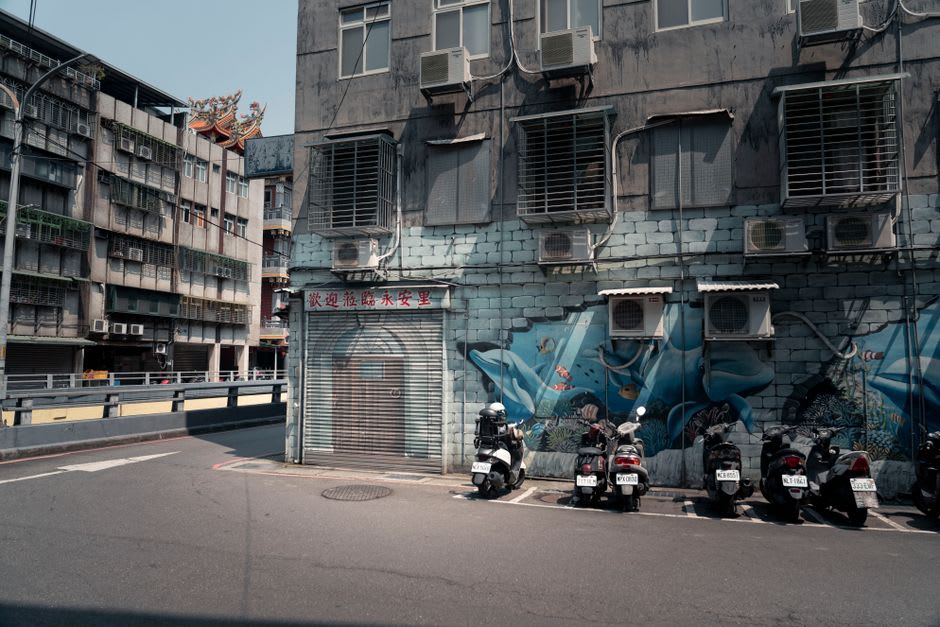
Beishan Old Western House
A short walk from the wall sits the Beishan Old Western House, a bullet-scarred colonial-style building that took heavy damage during the 1949 Battle of Guningtou, one of the last major engagements of the Chinese Civil War fought right here on Kinmen’s beaches. The walls are still pockmarked with shrapnel holes the government has deliberately left unrepaired, and standing inside the roofless shell with wind moving through empty window frames gave me the closest thing to visceral historical understanding I’ve had on this trip — closer than any museum plaque could manage.
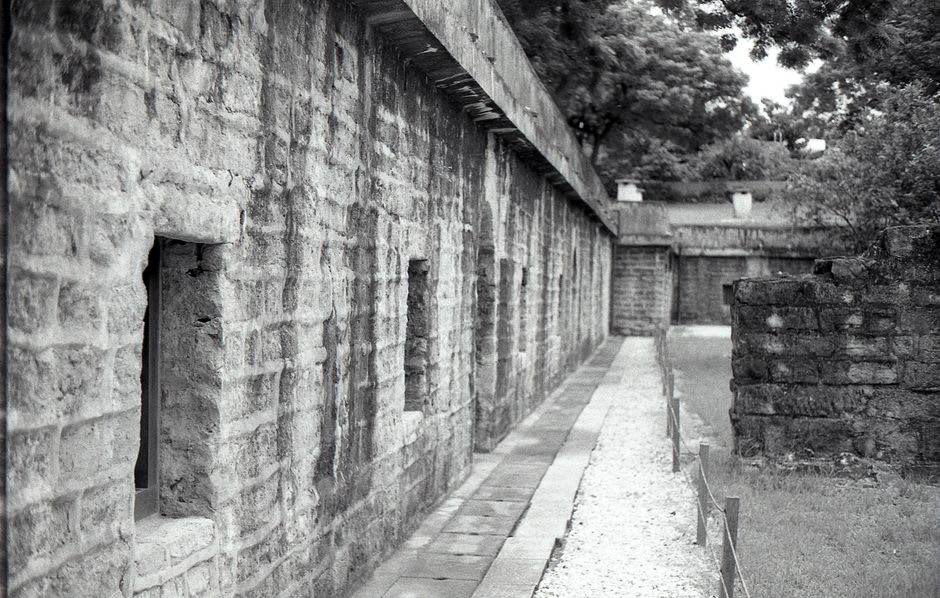
Standing at the Edge
Lia stood at the railing near the wall for a long while without saying much, looking at the low green hills of the mainland coast, close enough that the geography stopped feeling abstract. A retired Kinmen soldier running a small snack stand nearby told us, in halting English mixed with Mandarin our guesthouse host translated, that he used to man a listening post exactly where we were standing. He didn’t seem bitter about it. Mostly he seemed tired, the specific tiredness of someone who has explained the same war to tourists for twenty years running.
When to go: Year-round, though clear autumn days (October–November) give the best visibility across to the mainland coast. Go in the late afternoon — the light is better for photographs and the tour groups have usually cleared out.
Keep exploring
More from Taiwan
 taiwan
 Beitou
A hot spring district inside Taipei's own metro system, where a milky green thermal valley and Japanese-era bathhouses sit twenty minutes from downtown.
Explore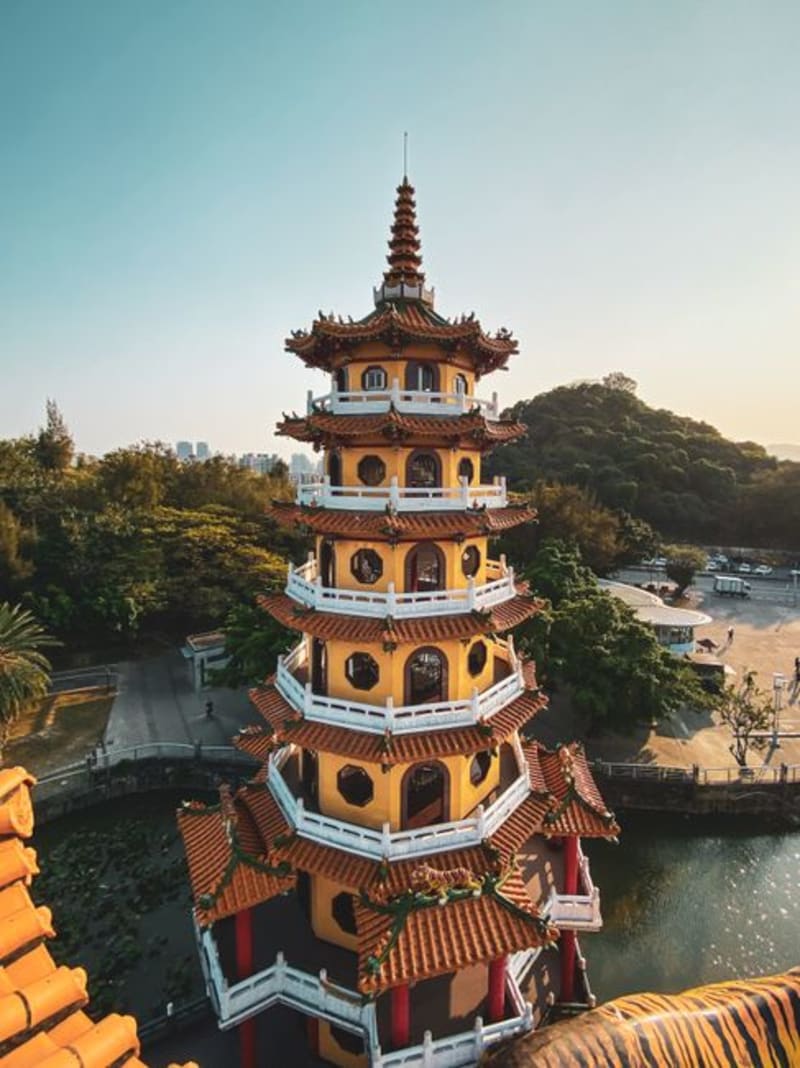 taiwan
 Bitan
A jade-green reservoir at the edge of Taipei where swan-shaped paddle boats and a swaying suspension bridge fill a lazy riverside afternoon.
Explore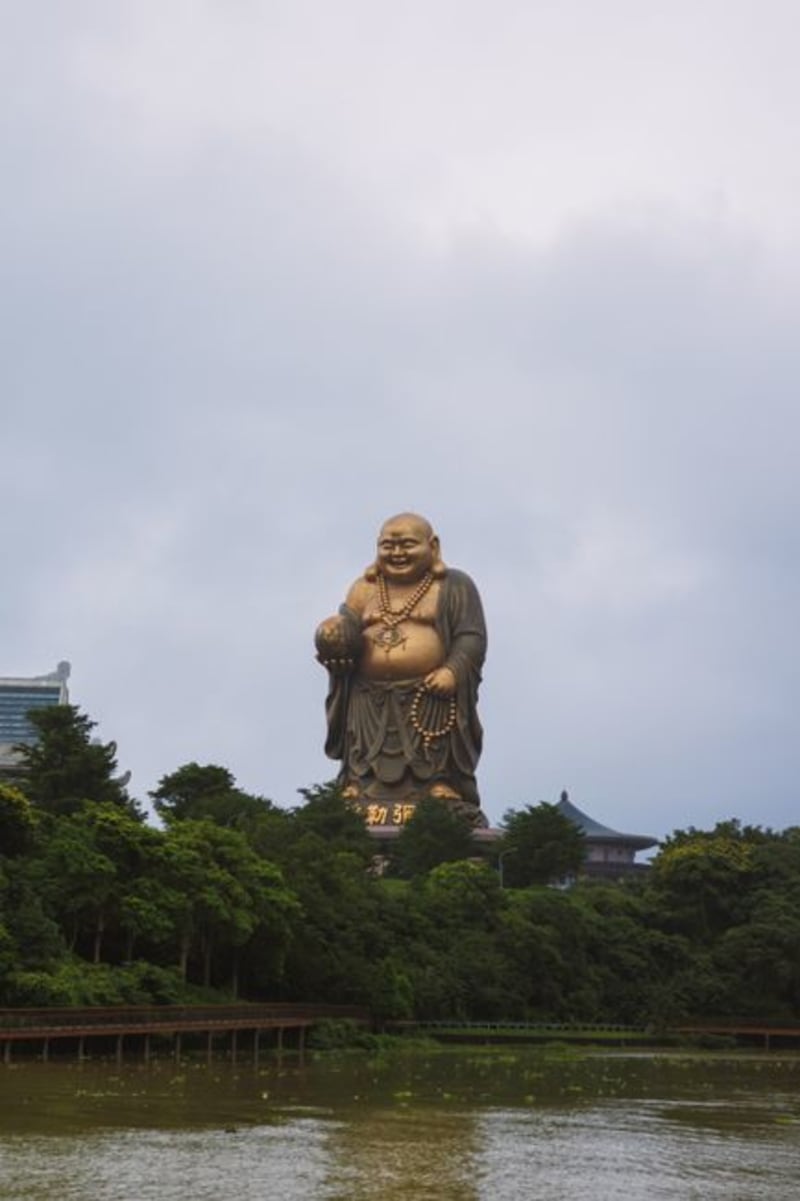 taiwan
 Budai
A working fishing port on Chiayi's coast where oyster racks stretch to the horizon and the sunset over the salt flats turns everything the color of rust.
Explore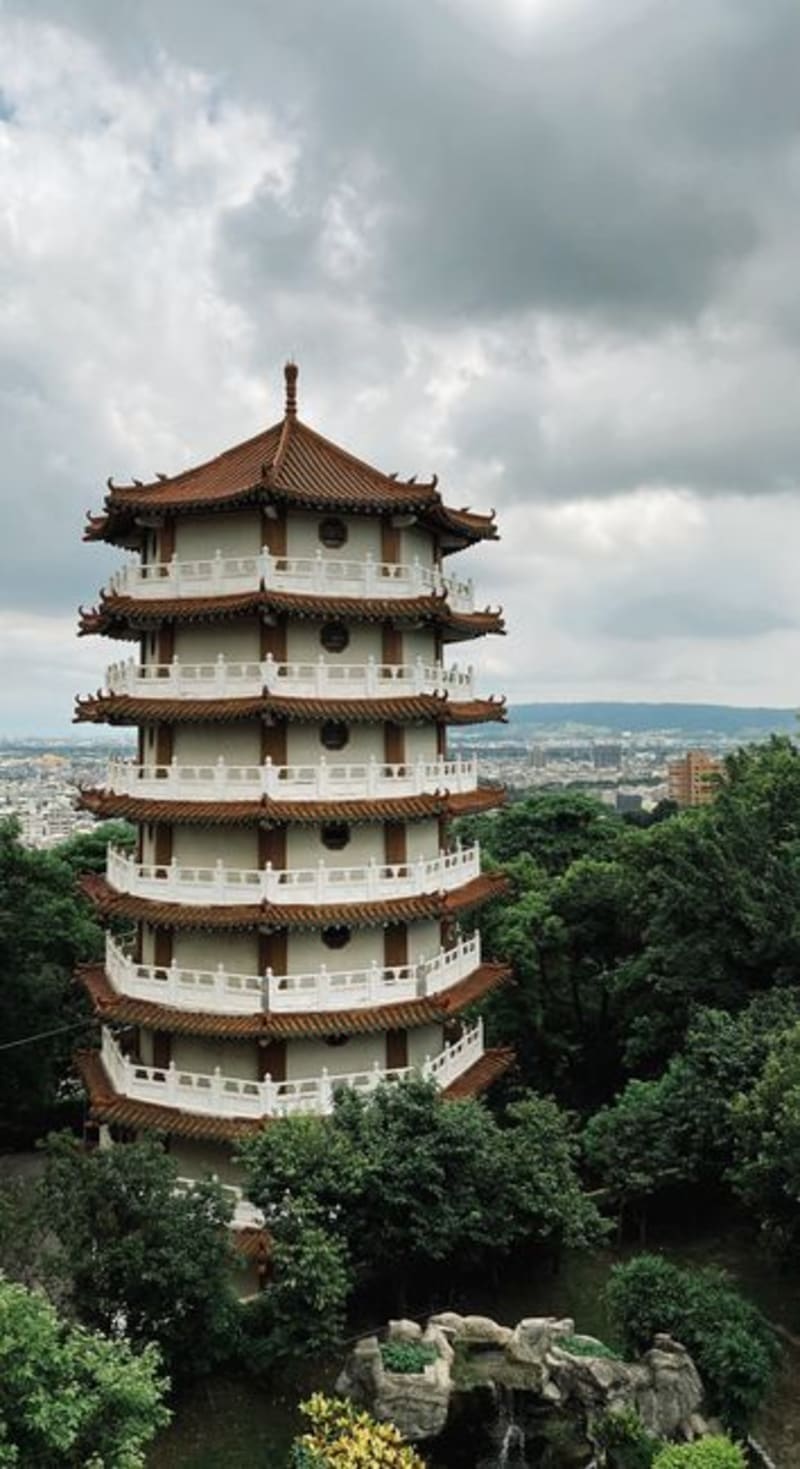 taiwan
 Caotun
Nantou's largest township, a working town of temples, traditional crafts, and a folk village that plays Taiwan's history in miniature.
Explore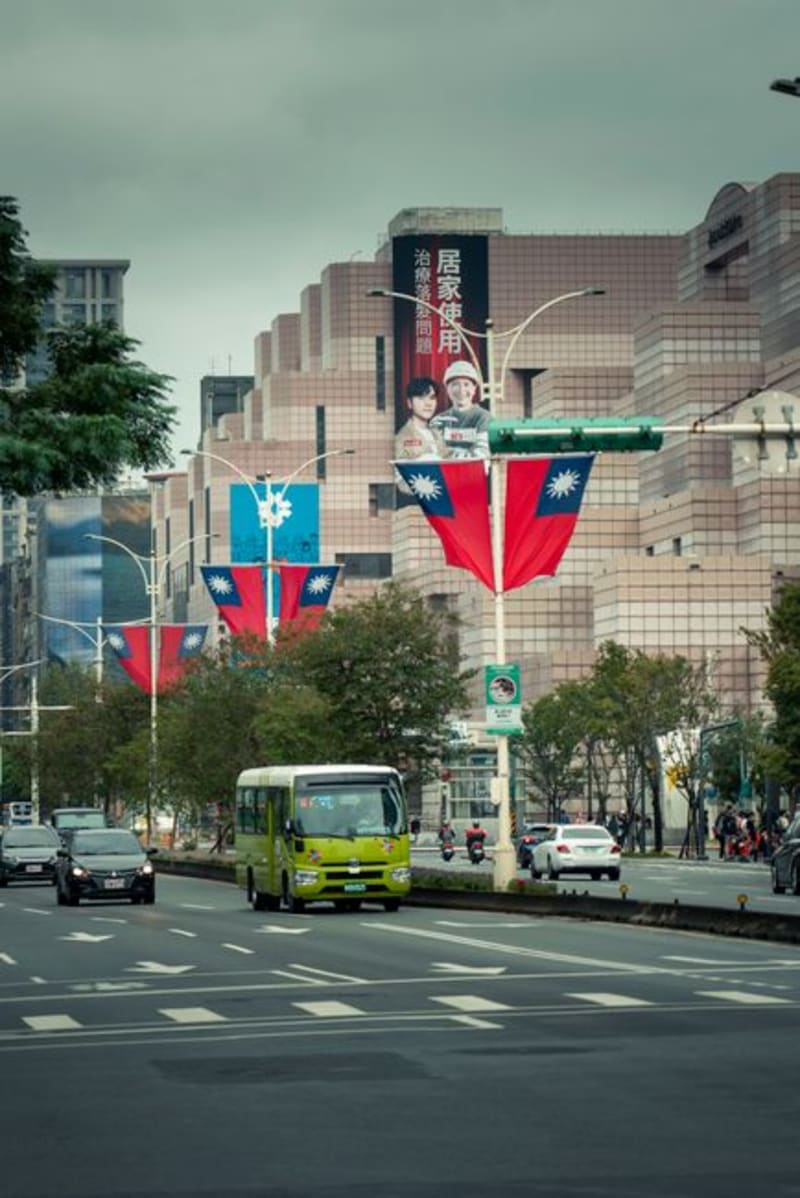 taiwan
 Chishang
A rice-farming township in the East Rift Valley famous for a single tree standing alone in an emerald paddy, and for some of the best rice in Taiwan.
Explore taiwan
 Chuhuo Fire Ridge
A scrubby hillside near Kenting where natural gas seeping through cracked rock burns in small, permanent flames — day and night, rain or shine.
Explore