Anping
"Anping is Tainan's memory made physical — colonial brick, tree roots, and canal water all arguing over the same few hundred meters."
Tainan's original harbor district, where a Dutch fort, a tree that swallowed a warehouse, and a canal of old salt merchants' houses tell four centuries of history in half a square kilometer.
Everyone we met in Tainan proper told us the same thing: don’t skip Anping, it’s a different city inside the city. We took a scooter out along the canal road on our second afternoon and understood within ten minutes what they meant.
The Dutch Fort
Fort Zeelandia, now known as Anping Old Fort, was the seat of Dutch colonial power in Taiwan in the 1620s, and what remains is a strange collage — laterite brick foundations from the original Dutch construction, a Qing-era watchtower stacked on top, and a Japanese-era observation platform crowning the whole thing, each era simply building on the last rather than replacing it. I climbed the tower at golden hour and looked out over the harbor where Dutch, Ming loyalist, Qing, and Japanese ships all once anchored in turn, each convinced they’d secured the place for good.
The Tree That Ate a Warehouse
Nothing prepared me for the Anping Tree House. A nineteenth-century salt merchant’s warehouse, abandoned for decades, has been almost entirely consumed by a banyan tree — roots the thickness of human torsos running like veins through brick walls, holding up ceilings that would otherwise have collapsed, framing empty window openings in living wood. Lia walked through in near silence, which for her is rare. There’s a raised walkway built through the canopy so you can look down into the tangled interior, and the effect is somewhere between a ruin and a living organism that happens to have architectural features.

Old Street and Shrimp Rolls
Anping Old Street runs between the fort and the harbor, dense with shops selling shrimp rolls — deep-fried, stuffed with whole shrimp and pork, a Anping specialty — and dried tofu that locals swear by. We ate standing at a counter while a canal-side breeze carried the smell of low tide and fry oil in equal measure.
When to go: Late afternoon for the fort and tree house, when the light is soft and the day-trip crowds from Tainan have mostly thinned. October through December brings comfortable temperatures for walking the canal district.
Keep exploring
More from Taiwan
 taiwan
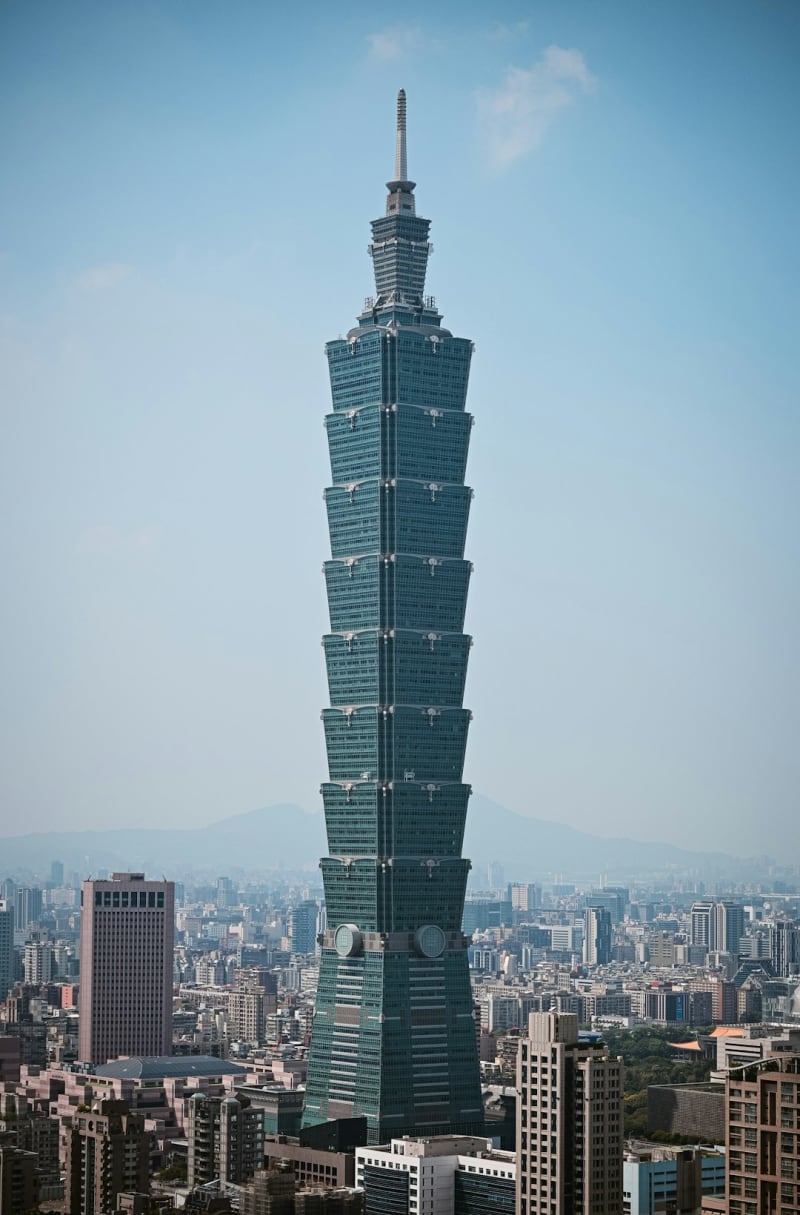
 Baihe
A farming district in Tainan's hills where lotus ponds turn entire valleys pink and green every summer, and lotus seeds show up in everything from ice cream to soup.
Explore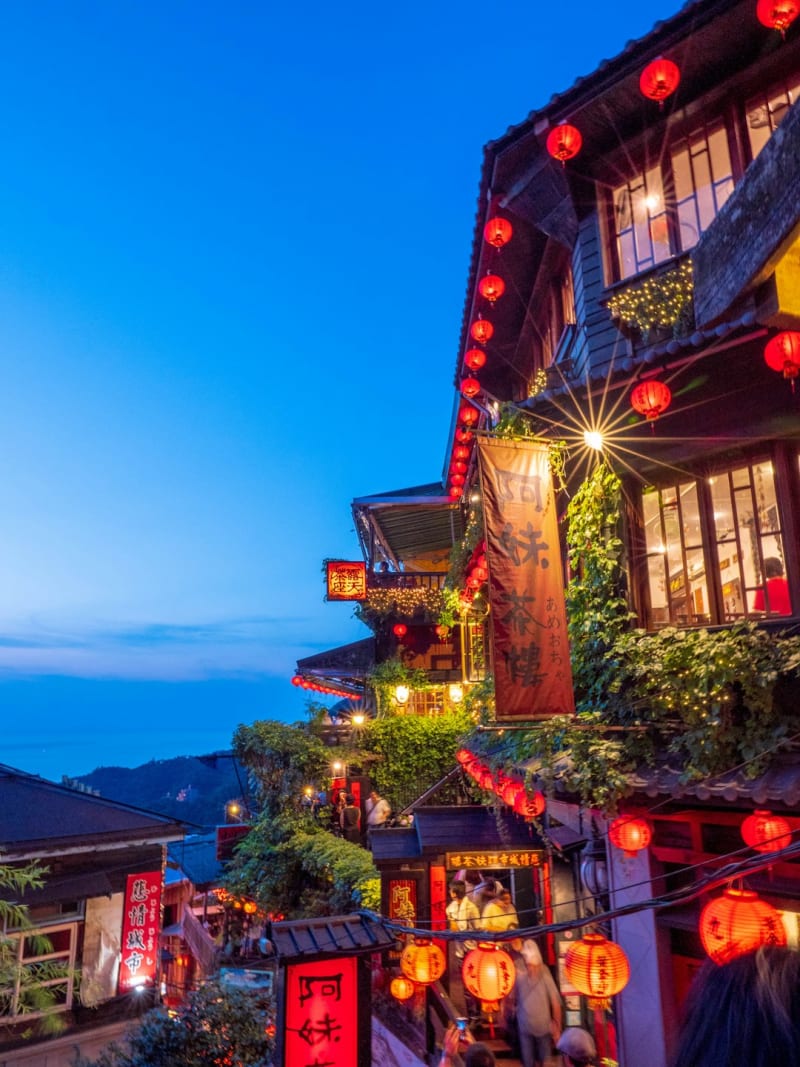 taiwan
 Baisha Bay
A crescent of powder-white coral sand on the Hengchun Peninsula, famous as a film location and quietly one of Taiwan's best swimming beaches.
Explore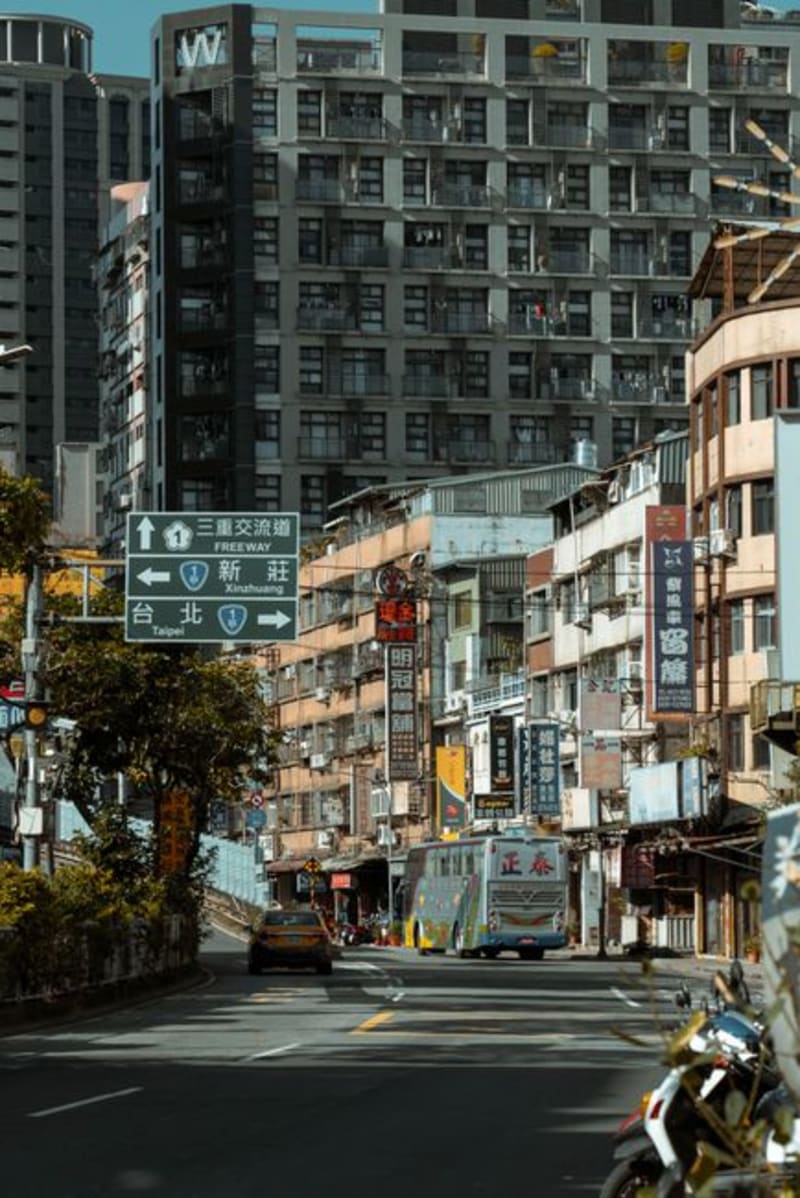 taiwan
 Bali District
A quiet riverside district facing Danshui across the water, built around a prehistoric museum, mangrove wetlands, and a bike path that turns a ferry crossing into an afternoon.
Explore taiwan
 Beigang
A modest river town in Chiayi County that happens to hold one of the most important Mazu temples in the Taiwanese-speaking world.
Explore taiwan
 Beihai Tunnel (Nangan)
A hand-blasted underground harbor on Matsu's main island, built to hide small military boats and now paddled by kayak at low tide.
Explore taiwan
 Beipu
A Hakka hill town in Hsinchu County known for its ground tea ritual, timber-and-brick heritage houses, and a persimmon harvest that turns entire courtyards orange each autumn.
Explore