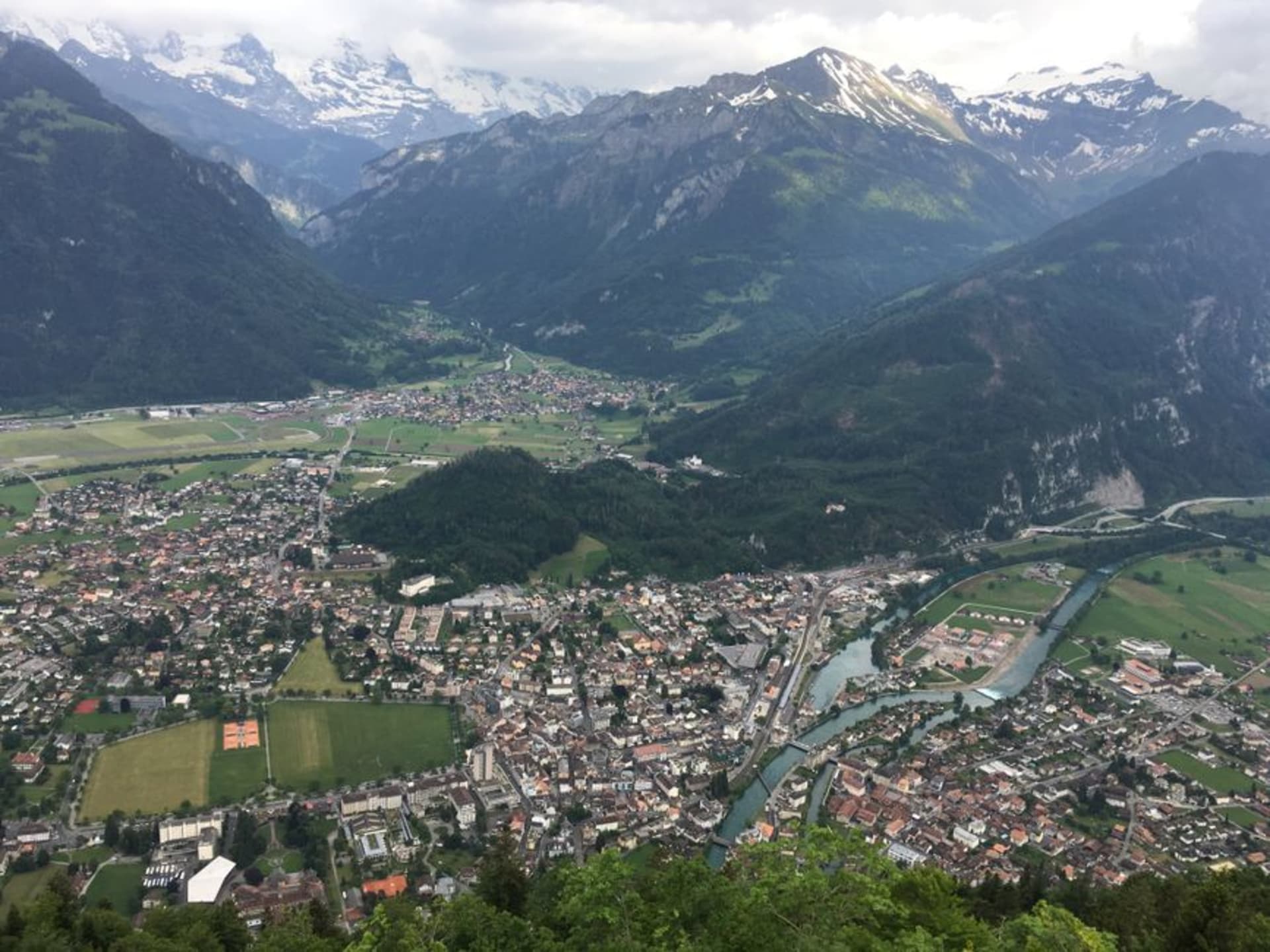
Interlaken
"I stood on the Höhematte lawn watching paragliders land one after another, like the town itself was a runway for people who'd rather fall gently than walk."
A resort town squeezed between two turquoise lakes, where every street ends in a view of snow-capped peaks.

The first thing that threw me off about Interlaken is right there in the name: the town sits between two lakes, Thunersee and Brienzersee, and depending on which side of the train station you walk out of, the water changes color completely. Thunersee is this deep, almost bottle-green, while Brienzersee looks like someone dumped glacial milk into it — a pale, otherworldly turquoise that doesn’t photograph as anything close to real. Lia thought I’d oversaturated my phone photos until she saw it in person and just went quiet for a second.
We came in early September, off-season enough that the paragliders landing on the Höhematte, the big central meadow, outnumbered the tourists watching them. That meadow is the actual center of gravity here — no cathedral, no old town square, just grass, mountain views on every side, and people drifting down out of the sky all afternoon. I sat there with a coffee for way too long just tracking canopies against the rock face of the Jungfrau region peaks.

Interlaken itself is not, if I’m honest, a place you fall in love with for its own architecture — it’s mostly grand old hotels built for 19th-century tourists and a fairly workaday main street. What it’s brilliant at is being a launchpad. Every train up into the Jungfrau region, every canyoning trip, every via ferrata, starts from here, and the town has organized its whole personality around that role. Adventure shop windows outnumber bakeries by a wide margin, which felt strange until I understood the town’s actual job.
One evening we walked along the Aare river where it channels out of Thunersee, and the water was so clear and so fast and so cold-looking that I understood immediately why the local river-rafting outfits all warn you twice before you sign the waiver. We didn’t do the rafting — Lia vetoed it after watching the current for about ten seconds — but we did rent bikes and ride the flat path along Brienzersee toward Bönigen, stopping wherever the water got too tempting to just look at.

What surprised me most was how quickly the town empties into landscape. Fifteen minutes on a bike and you’re past the last hotel and into farmland with cows wearing actual bells, the Jungfrau still hanging there in the background like it never left. Interlaken works because it doesn’t try to be the whole trip — it hands you off to the mountains and gets out of the way.
When to go: Come in June or September to dodge the peak summer crowds heading up to Jungfraujoch while still getting long daylight and (usually) clear peaks.
Keep exploring
More from Swiss Alps
 swiss-alps
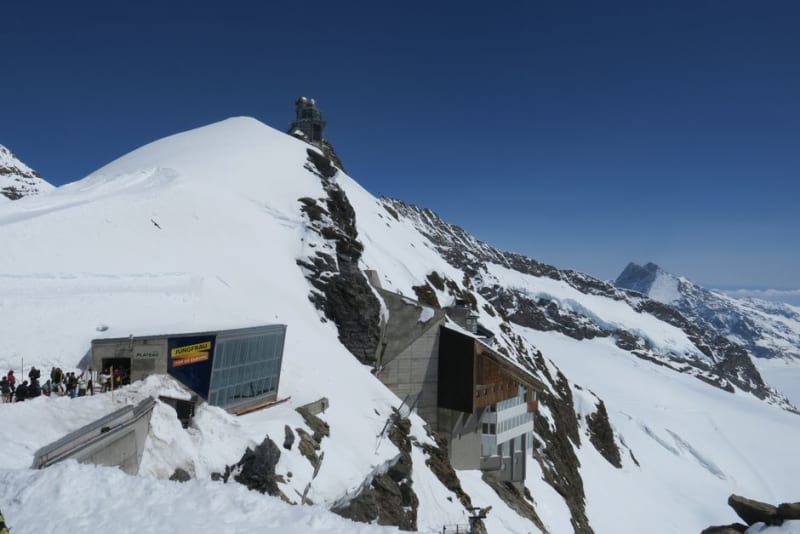
 Jungfraujoch
The 'Top of Europe' rail station at 3,454 meters, reached by a century-old cogwheel train tunneled through solid rock.
Explore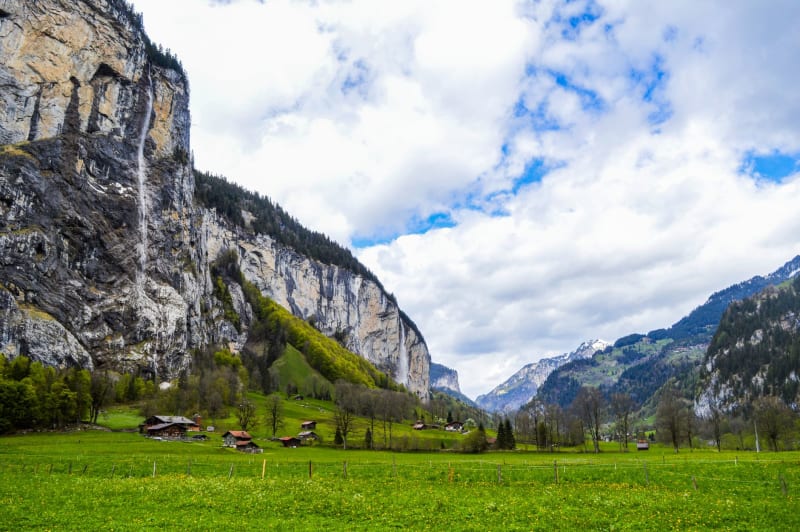 swiss-alps
 Lauterbrunnen
A flat valley floor hemmed by vertical cliffs with seventy-two waterfalls pouring off them, a place so dramatic it reads like a stage set except that you're standing inside it.
Explore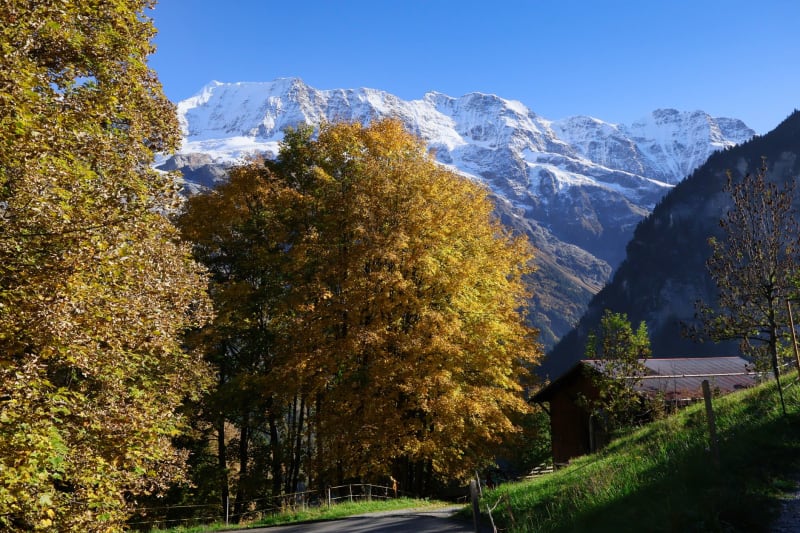 swiss-alps
 Mürren
A car-free village perched on a cliff ledge above the Lauterbrunnen valley with the Eiger, Mönch, and Jungfrau stacked across from it at eye level, a place so absurdly positioned it seems like a mistake someone decided to keep.
Explore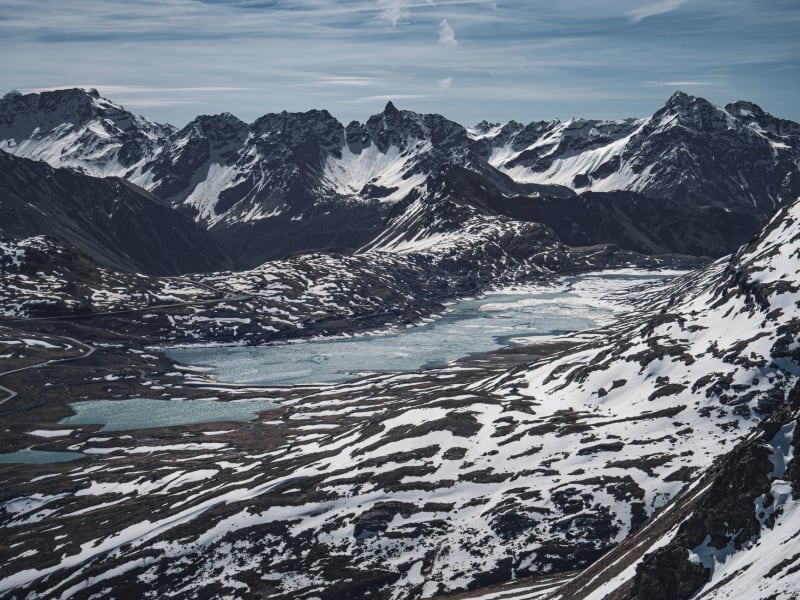 swiss-alps
 Pontresina
A Romansh-speaking village in the Bernina valley that serves as the quieter, smarter alternative to St. Moritz and the most accessible base for serious alpine terrain in the Engadine.
Explore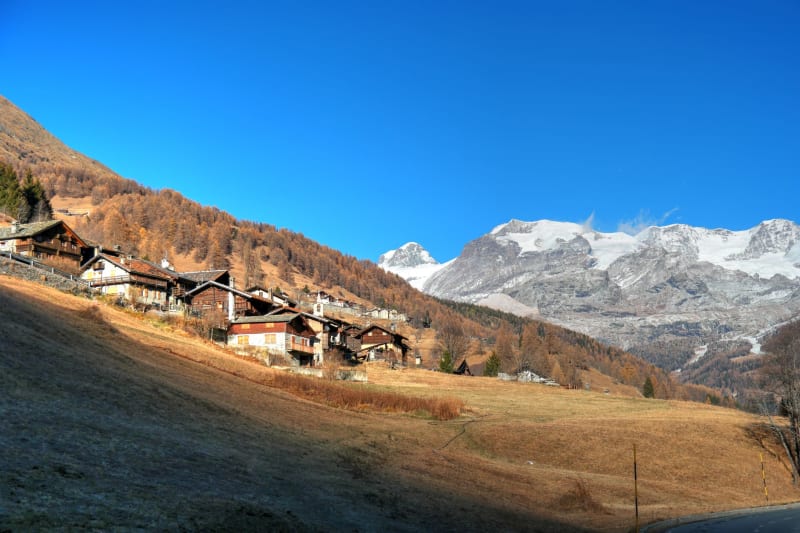 swiss-alps
 Saas-Fee
A car-free glacial village at the end of its own private valley, ringed by thirteen four-thousand-meter peaks and largely ignored by the people who go to Zermatt instead — which is their loss.
Explore swiss-alps
 St. Moritz
A high Engadine valley resort that invented the idea of the winter holiday and has been running on that reputation — and genuinely extraordinary light — ever since.
Explore