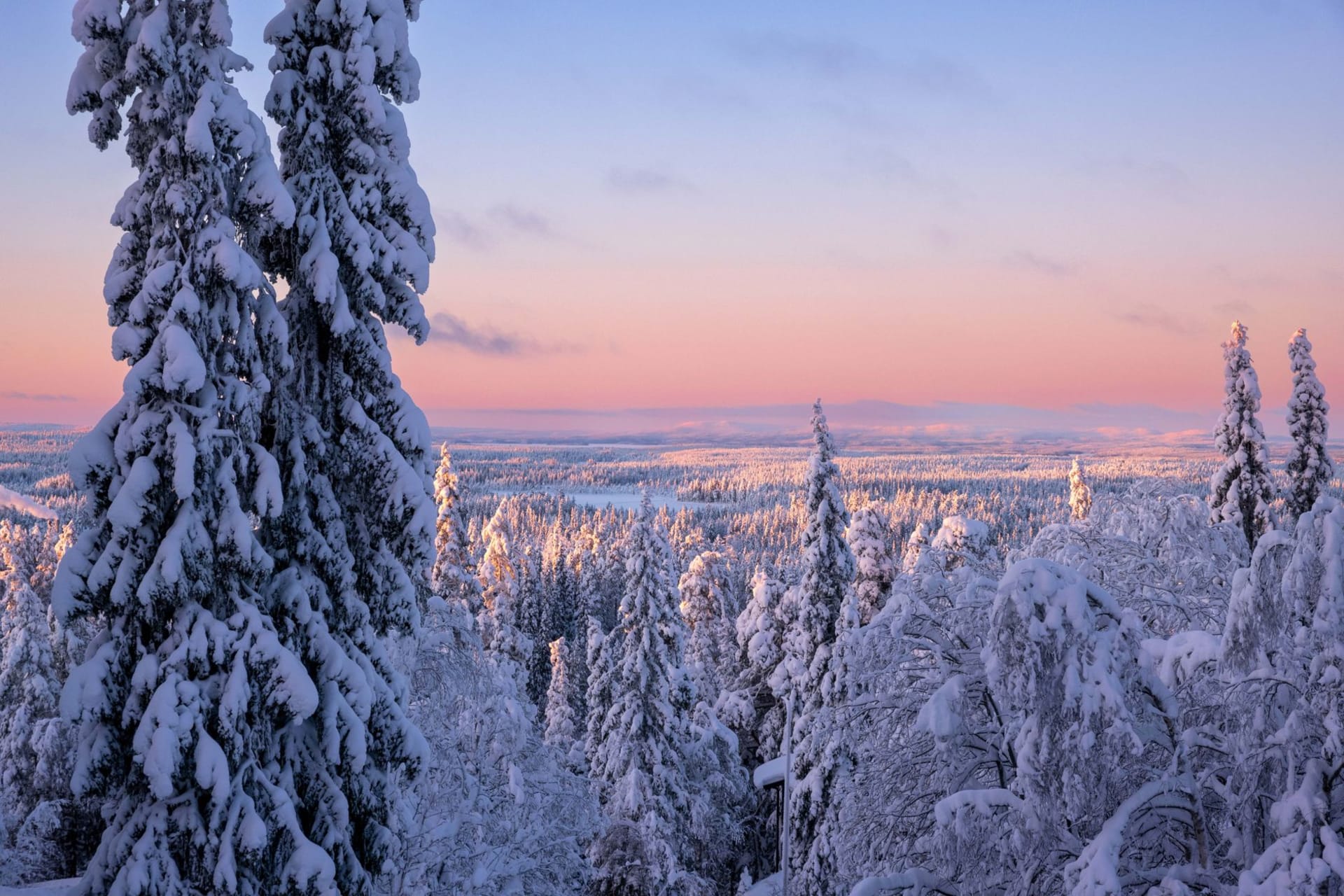
Kvikkjokk
"The last place before the wilderness isn't a metaphor. It is exactly this village."
The End of the Road
Kvikkjokk sits at the end of a single road that terminates at a boat landing on the Kamajokk river. Beyond the village, there are no roads — only trails, river crossings, and the mountains of Sarek. The village itself has perhaps a hundred residents, a small church, the oldest mountain station in the Swedish Tourist Association’s network, and a delta where two rivers join and spread into a complex of channels and islands that is one of the most beautiful river confluences I’ve seen in northern Europe.
Arriving by bus from Jokkmokk, two hours of forest road, I felt the particular calm that comes from running out of infrastructure options. There was nowhere further to go by road. The next decision was entirely about feet and direction.
The Padjelanta Connection
Kvikkjokk is the meeting point of two major trails: the Kungsleden coming from the east, and the Padjelanta trail, which runs north through the national park of the same name to Ritsem. Padjelanta is larger than Sarek, less demanding, and has staffed huts — it’s the more accessible choice for people who want wilderness without the full Sarek commitment.
The trail to Padjelanta begins by crossing the delta on a small rowboat that you operate yourself, pulling a rope across the current. The boat is shared with whoever else is heading out. On my morning, that was a retired couple from Gothenburg doing the whole Padjelanta traverse, moving in the practiced way of people who have done this kind of thing many times. We spoke briefly on the far bank and then went our separate ways into the birch forest.
The Mountain Station
The Kvikkjokk Fjällstation is the oldest hut in the STF network, established in 1907. It’s been rebuilt since then but retains a certain stripped-back character — wooden buildings on a slope above the river, a communal kitchen, beds in small rooms, a drying room for wet gear. The food served in the evening is simple and filling: soup, bread, some form of reindeer or fish.
The people staying there are uniformly interesting, in the way that places requiring effort tend to select for people who have thought about what they’re doing. I sat at dinner beside a Finnish ultramarathon runner who was crossing Sarek in three days, which is technically possible but violent, and an American couple on their fourth visit to the Padjelanta trail who brought their own coffee grinder.
Canoeing the Delta
Before heading into the mountains, I spent an afternoon canoeing the Kvikkjokk delta, which the mountain station rents canoes for. The channels are calm and the paddling is easy — this isn’t whitewater — but the delta itself is complex enough to get pleasantly turned around in. The water is glacier-cold and clear enough to see the bottom at two meters. A family of whooper swans was working the shallows on the northern edge of the main channel, and they treated my presence with the dignified indifference of birds that don’t get many boats.
When to go: Late June through early September for hiking and canoeing — July is peak season with the best trail conditions and the mountain station fully staffed. February and March for ski touring on the southern Kungsleden; the station stays open in winter but with reduced services. Avoid May and early June when snowmelt makes river crossings in Sarek dangerous.