Europe
Swedish Lapland
"The place where the sky does the talking and you finally listen."
I arrived in Kiruna on the overnight train from Stockholm, sixteen hours of darkness punctuated by frozen lakes and spruce forests, and stepped onto a platform at minus twenty-two into air so cold it had its own texture — sharp, almost crystalline, and completely still. The taxi driver didn’t say anything. There was nothing to say. Swedish Lapland announces itself.
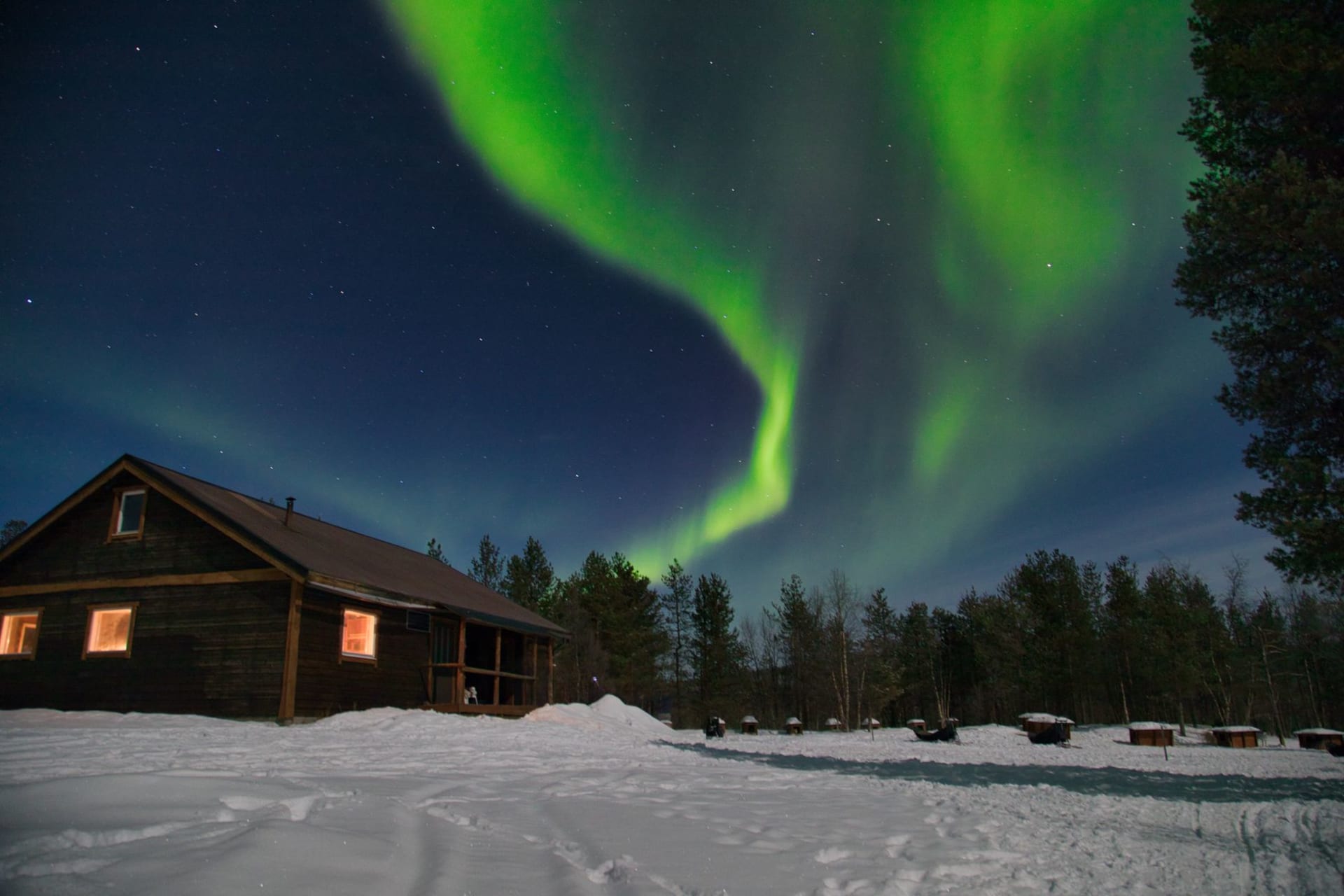
This is the far north of Sweden, above the 67th parallel, a region that in winter operates on a different logic: the sun rises briefly at noon and sets two hours later, leaving long amber twilights that turn the snow every shade of copper and rose. The Aurora Borealis, when it comes, arrives over landscapes that deserve it — frozen rivers, old-growth forests, fells covered in untouched powder. I slept in an igloo-style cabin at Abisko, where the sky visibility is remarkable because of a local microclimate, and watched the lights for three hours without moving, wrapped in reindeer skins that smelled of everything honest. Jukkasjärvi, downriver from Kiruna, is where the original Ice Hotel is rebuilt every November from Arctic River ice — you can sleep in a room carved fresh each year and drink from glasses made of the same frozen water. It is genuinely extraordinary and also genuinely cold: around minus five inside, which is the part the brochures mention in small print.
The Sami culture runs through this place with a continuity that is rare in the Nordic countries. At Nutti Sámi Siida, outside Kiruna, you meet reindeer herders still working traditional routes; the joik music, haunting and personal, was unlike anything I’d encountered. Eating here means cloudberries with reindeer meat, smoked Arctic char from the rivers, bread baked over open fire in a lavvu tent. In summer — yes, Swedish Lapland in summer is a different planet — the midnight sun turns the fells green and the rivers silver and the hiking on the Kungsleden trail is among the finest in Europe. But I keep coming back to winter. There is something about a place that teaches you to be quiet.
When to go: Mid-November to March for northern lights, dog sledding, and snowmobile expeditions across frozen rivers. February and March offer longer days and more reliable aurora viewing. June to August for the midnight sun, Kungsleden trekking, and wildflower-covered fells — a revelation if you only know this region in winter.
What most guides get wrong: They sell Swedish Lapland as a northern lights lottery — three days, fingers crossed, disappointed if it clouds over. The aurora is a bonus, not the product. What this region actually offers is a complete sensory reorientation: silence, cold, darkness used well, ancient culture, food that is genuinely of the land. Plan for a week. Learn one Sami word. Eat the reindeer. Sit outside at ten p.m. with nothing to do but look up. That is what you came for.