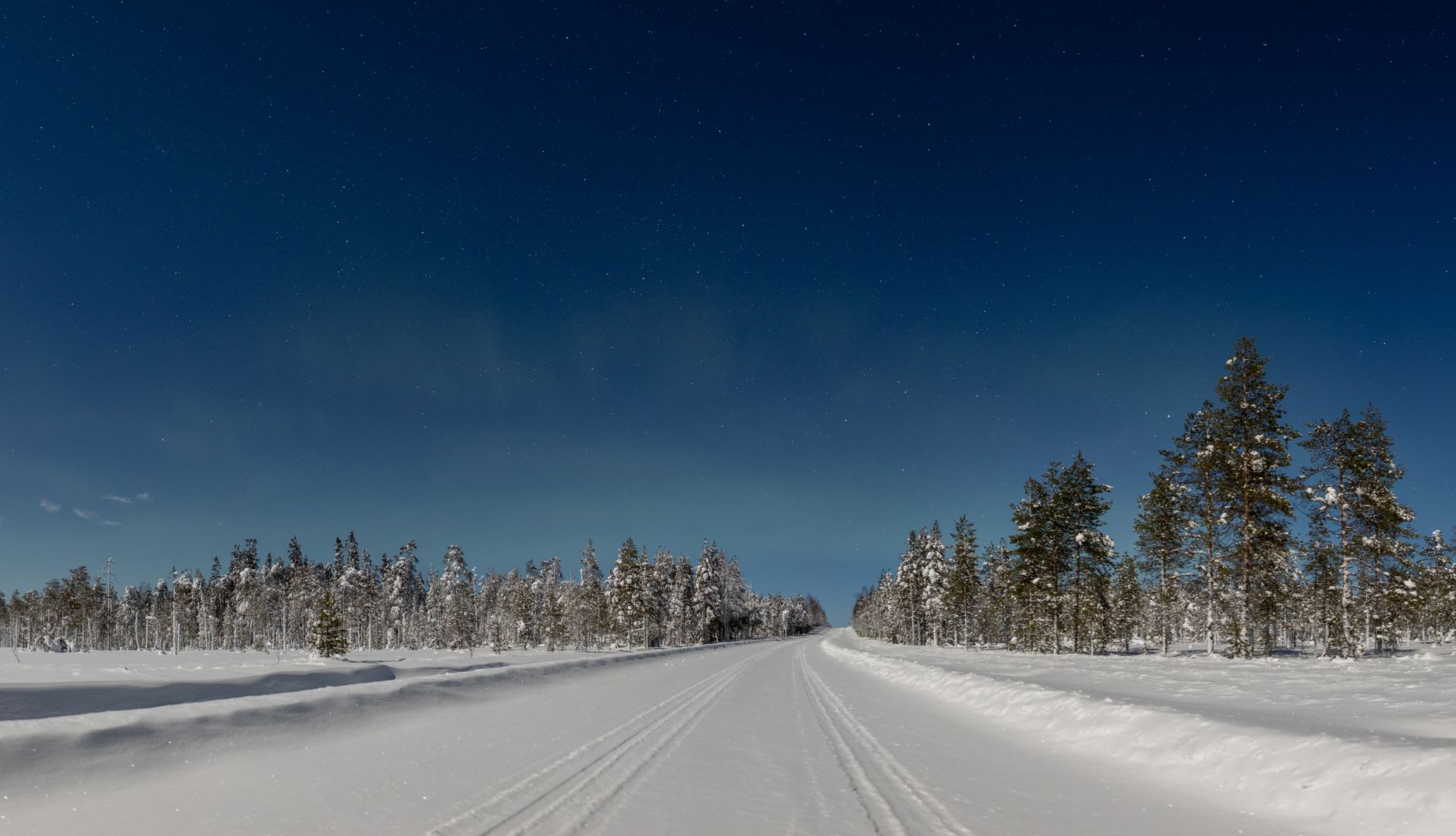
Jukkasjärvi is barely a village — a few hundred people, a wooden church, a frozen river, and a hotel made entirely of ice. I had read about the Icehotel for years and assumed it would be the kind of gimmick that disappoints the moment you arrive. It is not. Lia and I drove in from Kiruna on a January afternoon when the sun was a low orange smear that never quite cleared the trees, and by the time we reached the riverbank it had given up entirely. We checked into a hotel we both knew would be melting back into the Torne River within months, and somehow that made the whole thing feel more precious rather than less.
A Hotel That Dies Every Spring
The premise is gloriously absurd. Every winter, builders harvest tons of ice from the Torne River, store it through summer, and rebuild the hotel from scratch when the cold returns. Artists are invited from all over the world to carve the suites, so each room is a one-off — a frozen cathedral ceiling here, an ice four-poster bed there, sculptures that will never be repeated because by June the entire structure has flowed back downstream. There is something deeply un-modern about building something so beautiful with the full knowledge that it is temporary.
Sleeping there is an experience I would describe as memorable rather than comfortable, which is the honest version. You are issued a heavy expedition sleeping bag, the room sits at around minus five Celsius, and you sleep on a block of ice softened only by reindeer hides. Lia loved it. I lay awake for a while listening to the absolute, padded silence of a building made of frozen water, and then slept better than I expected. In the morning they bring you hot lingonberry juice, and you stumble out into the dark feeling like you have survived something mildly heroic, which you have not, but the feeling is free so I took it.
The Village, the Church, and the Northern Lights
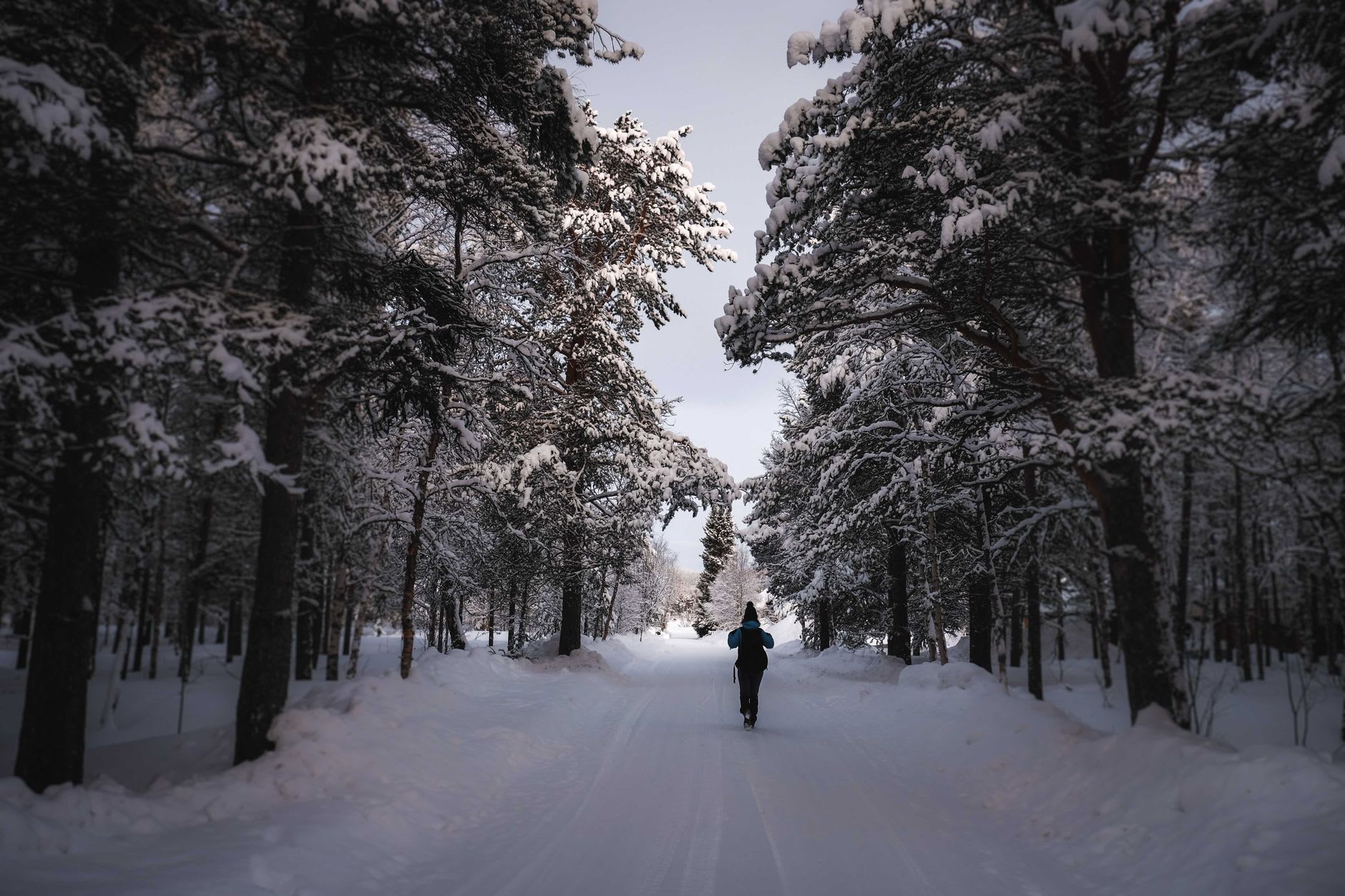
Jukkasjärvi predates the ice hotel by centuries. It is one of the oldest Sámi settlements in the region, and the little wooden church, painted dark red, holds a remarkable modern altarpiece and the quiet weight of a community that has lived off this land and these reindeer for a very long time. I find these places sobering in the best way — the ice hotel is a marvel, but it is a winter visitor, while the village simply endures.
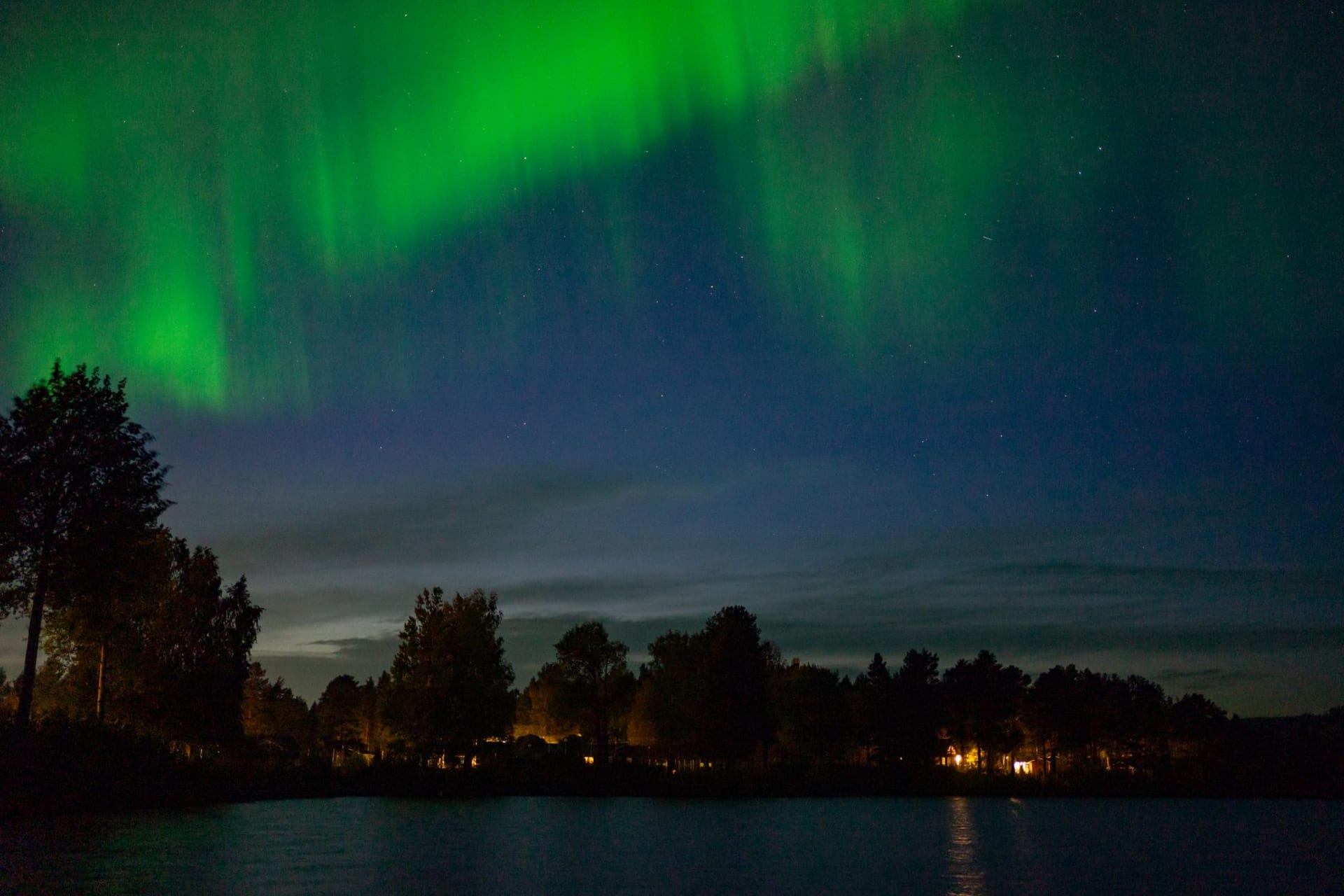
The real reason to be this far north in winter, of course, is the sky. Jukkasjärvi sits well above the Arctic Circle, far from city light, and on our second night the northern lights finally arrived — not the postcard explosion, but a slow green ribbon that pulsed and folded over the frozen river for the better part of an hour. We stood in the snow until our feet went numb, saying nothing, the way you do when a thing is too big for commentary. A guide nearby told us, dryly, that the aurora ignores schedules and rewards patience, which is the most Lappish piece of advice I received all trip.
Going There
Fly to Kiruna, then it is a fifteen-minute drive east. The ice hotel runs roughly December to April; a parallel “Icehotel 365” stays frozen year-round if you arrive in summer and still want the experience. Book the cold rooms for one night only — sleep the rest in the warm cabins. And do not over-plan the aurora. It comes when it comes, and chasing it too hard is the surest way to spend the whole night staring at clouds.