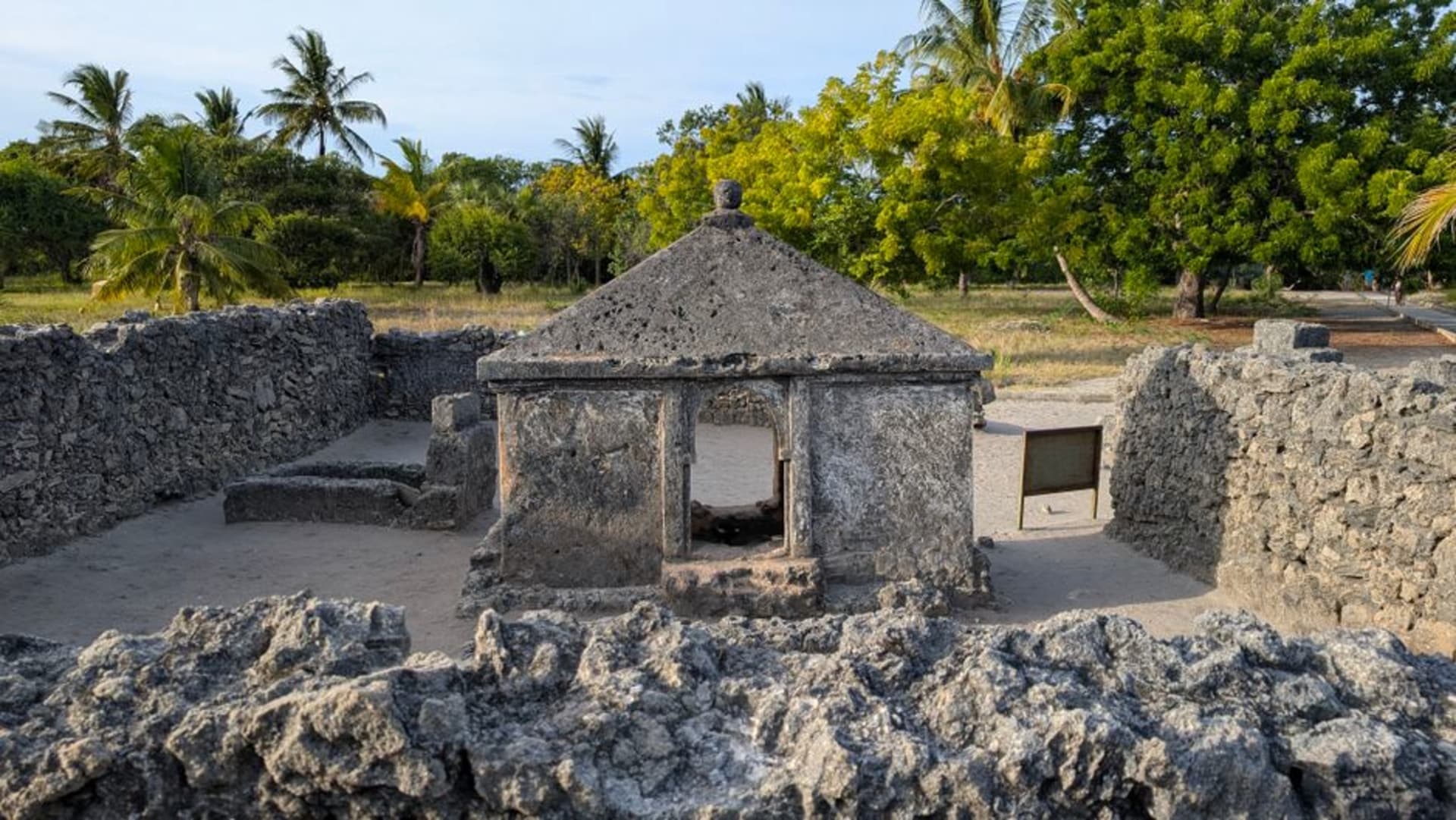
Kaole Ruins
"We had the entire site to ourselves except for a goat chewing grass between two 13th-century tombs, which felt about right for Kaole."
Weathered mosque and tomb ruins from a 13th-century Swahili sultanate, sitting quietly in the mangroves a few kilometers south of Bagamoyo.

Kaole gets maybe a tenth of the visitors Bagamoyo itself does, and Bagamoyo already isn’t exactly swarming compared to Zanzibar across the channel. We hired a tuk-tuk for the short ride south along the coast road, past fish-drying racks and boatbuilders working under makeshift shelters, and arrived at a small fenced site with a caretaker who seemed genuinely pleased to have company. He unlocked a modest little museum building first — a few pieces of Chinese celadon and Persian pottery in a glass case, physical proof of how far this stretch of coast was trading even eight hundred years ago.
The ruins themselves are older than most people expect, predating even the famous stone town at Kilwa Kisiwani further south. Two mosques are still standing in outline, their mihrabs oriented toward Mecca and carved with enough surviving detail that you can tell skilled masons were at work here, not just fast construction. Around them are dozens of coral-stone tombs, some plain, some with pillar tombs rising a couple of meters — a Swahili funerary style that always strikes me as strangely modern-looking given how old it is.

What I liked most was how unmanicured the whole place is. Grass grows up between the stones, mangrove roots creep in from the tidal creek at the site’s edge, and nothing has been rebuilt or over-restored — you’re looking at what’s actually survived, no more, no less. Lia pointed out that the silence made it easier to actually think about the place than Gede had been further north, where the monkeys and birdsong, as much as we loved them, kept pulling our attention away from the stones themselves.

We finished the visit sitting on a low wall while the caretaker told us, half in Swahili and half in patient simplified English, about the sultanate that once ruled here before Kilwa eclipsed it and Bagamoyo eventually eclipsed Kaole in turn. Cities on this coast seem to take turns rising and fading, and standing in the ruins of one that lost its turn eight centuries ago put the whole trip in a slightly different light for the rest of the day.
When to go: Visit in the cooler, drier months of June to October, and go in the morning before the coastal heat sets in fully — there’s very little shade once you’re among the tombs.
Keep exploring
More from Swahili Coast
 swahili-coast
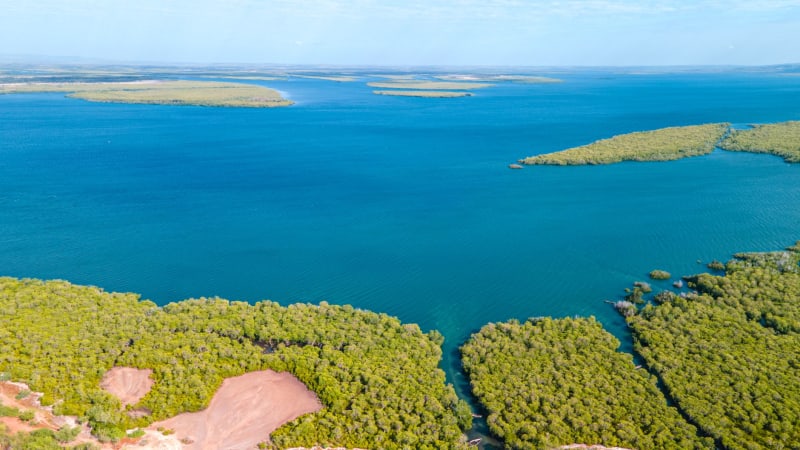
 Kilwa Kisiwani
A ruined city on a tidal island off the Tanzanian coast, once the wealthiest trading port in sub-Saharan Africa, now silent enough that you can hear the Indian Ocean inside the walls of the great mosque.
Explore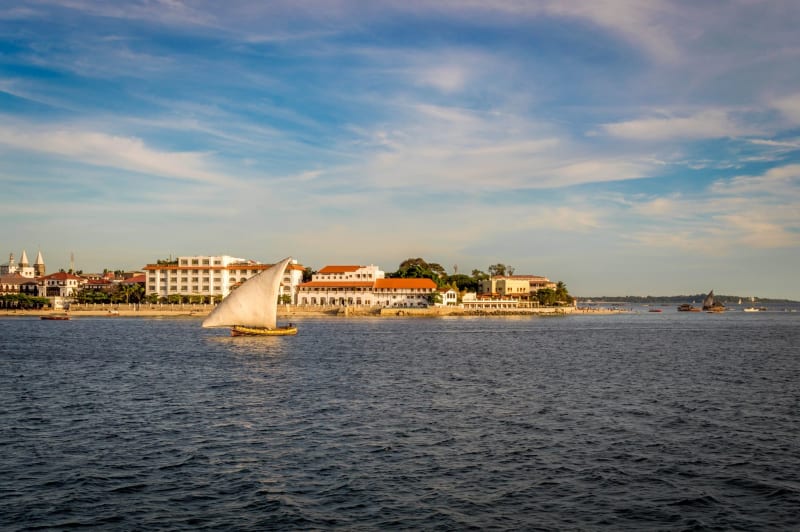 swahili-coast
 Lamu
A medieval Swahili town frozen in salt air and silence, where donkeys outnumber cars and carved wooden doors open onto a world that hasn't hurried in seven centuries.
Explore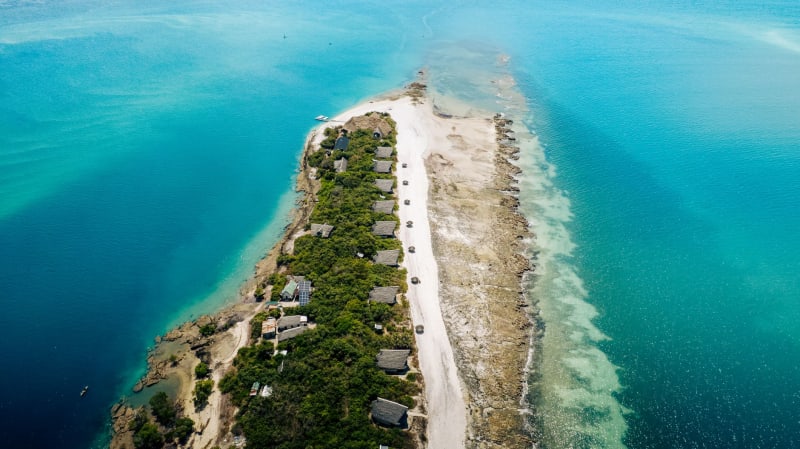 swahili-coast
 Mafia Island
A small Tanzanian island surrounded by one of the Indian Ocean's healthiest reef systems, famous for whale shark encounters and a total absence of the tourist infrastructure that usually follows them.
Explore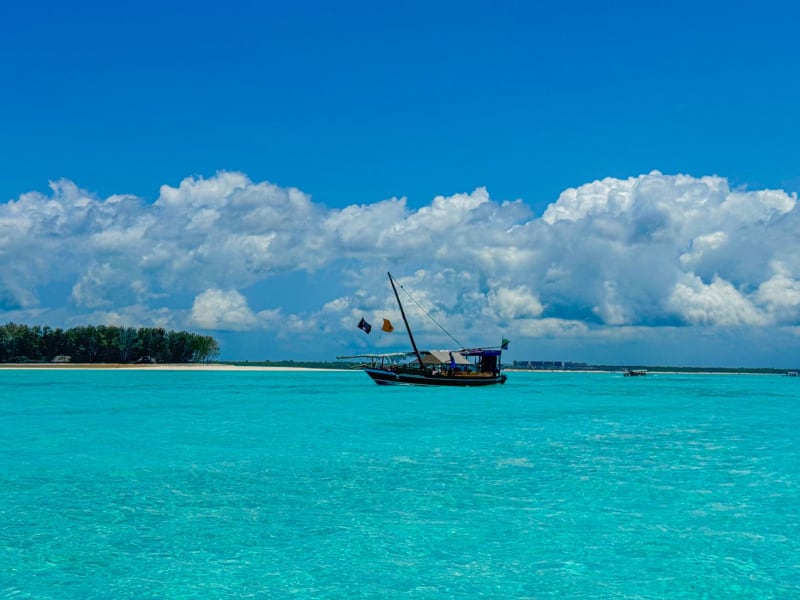 swahili-coast
 Malindi
A Kenyan beach town with a Portuguese pillar older than the Reformation, a functioning coral reef inside the marine park, and a long-established Italian expat community that has made the town's restaurant situation inexplicably excellent.
Explore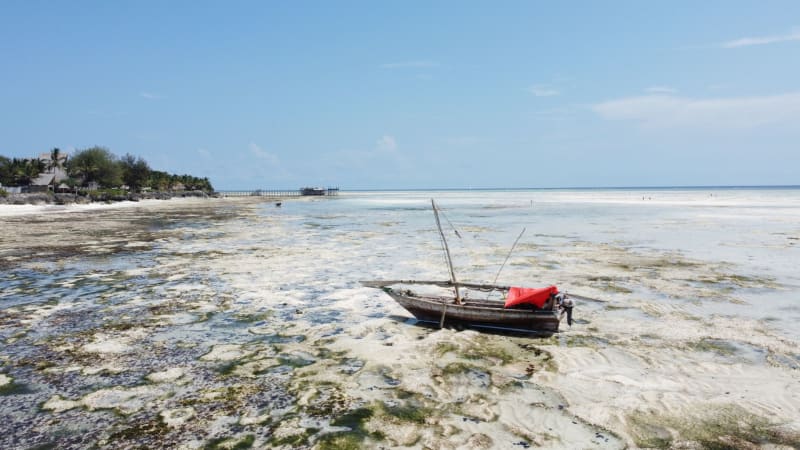 swahili-coast
 Mombasa Old Town
Kenya's second city wears its maritime history in coral-stone balconies and Portuguese ramparts, a port town that has been continuously open for business since Arab traders first charted the monsoon winds north.
Explore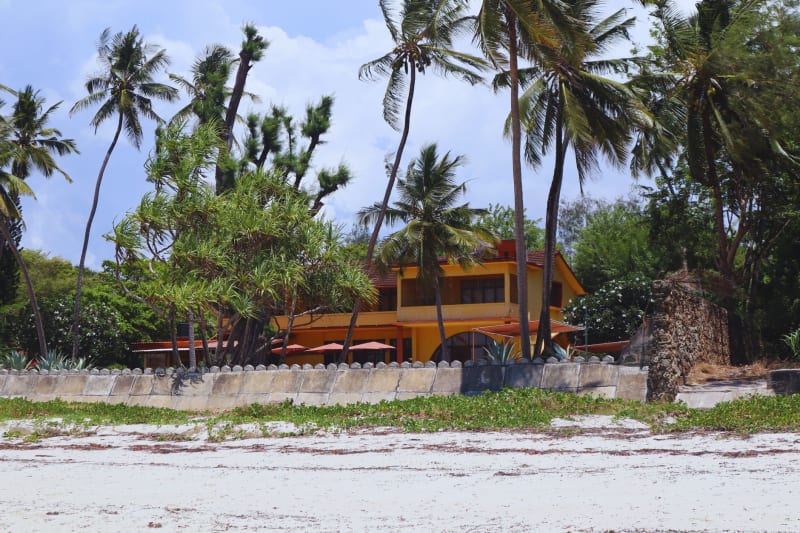 swahili-coast
 Nungwi
The northern tip of Zanzibar where traditional dhow-builders work on beaches beside tourist bars, the Indian Ocean runs clear and warm on both coasts simultaneously, and the sunset is an event the whole village participates in.
Explore