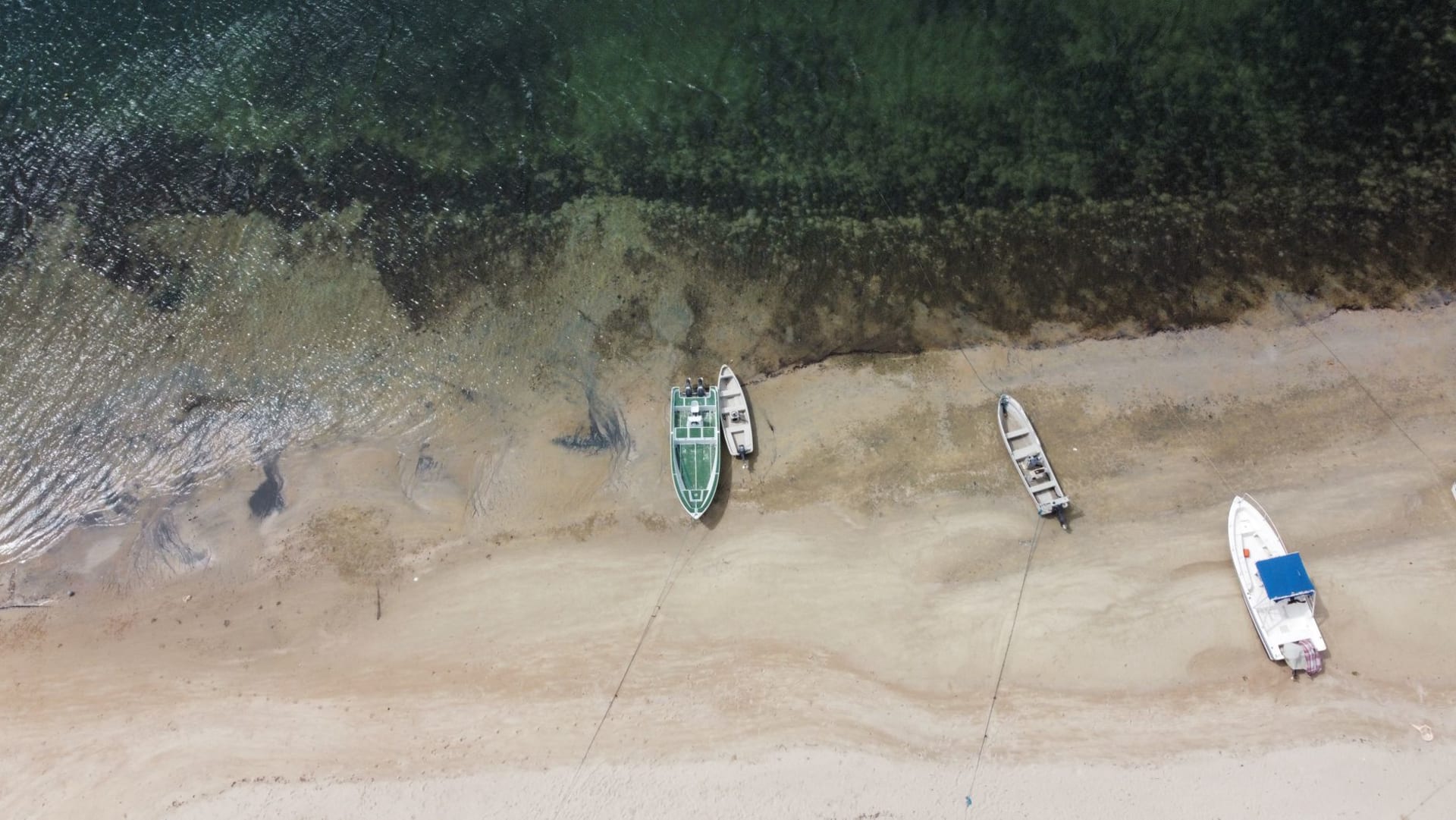
Africa
Swahili Coast
"The coast where the Indian Ocean wrote its history in coral and carved wood."
A thousand-year-old maritime civilization stretched along Kenya's coral shoreline — dhows still sailing the same monsoon winds that once carried traders from Arabia, Persia, and India.

I arrived in Lamu by ferry from the mainland, the boat so overloaded with crates of soda and chickens and passengers that the water was almost level with the deck. The old town came into view slowly — white coral-stone buildings stacked tight against the waterfront, carved wooden doors facing the sea, no cars anywhere because the streets are too narrow for anything but donkeys and people walking very close together. It smelled of salt and smoke and something roasting. I had been in East Africa for two weeks, but Lamu felt like a different civilization entirely — because it is. The Swahili Coast is not a beach holiday with history sprinkled on top. It is one of Africa’s oldest urban cultures, and the ocean is the reason for everything.
The Swahili civilization built itself on monsoon logic. Every year, from November to March, the kaskazi wind blows steadily from the northeast, pushing dhows south from Arabia. In April it reverses — the kusi takes everything north again. For a thousand years, merchants moved with those winds: spices from Zanzibar, mangroves from the mainland, ivory and gold from the interior. Mombasa’s Fort Jesus, built by the Portuguese in 1593 to control this trade, stands now as a UNESCO site at the harbor mouth, its coral walls the exact color of old bone. The museum inside holds Portuguese cannons and Chinese porcelain and Arab coins all in the same display case, which tells you everything about what the Indian Ocean actually was: the world’s first globalized trading network.
The food on this coast is its own argument for coming. Biryani that arrived with the Arab traders and took on cardamom and coconut milk and became something entirely new. Samaki wa kupaka — fish grilled and then simmered in a coconut-cashew sauce — eaten off a banana leaf at a table with no name outside a concrete building in Malindi with three other people who were doing the same thing I was, which was trying not to let any of it go to waste. Mahamri, the triangular coconut-flour doughnut, with a cup of spiced chai at five in the morning before anyone else is awake. The Indian Ocean coast feeds you differently from anywhere else in Africa, and once you know why — centuries of Arab, Indian, and Swahili hands in the same kitchen — the flavors start to taste like footnotes in a history book you actually want to read.
When to go: October to March for warm, dry weather and favorable sailing conditions when the kaskazi blows. The Lamu Cultural Festival usually falls in November — worth timing for if you want to see traditional dhow races and Swahili music performed in the old fort. Avoid April to June, the long rains, when coastal roads flood and many smaller guesthouses close.
What most guides get wrong: They treat Lamu as the only destination, turning a coastal civilization that stretches over 3,000 kilometers into a single picturesque town. Malindi’s coral gardens, the Gede Ruins hidden in coastal forest just inland, Mida Creek’s mangrove kayaking, and the barely-visited Pate Island — a day’s dhow ride from Lamu — offer the same depth with a fraction of the tourists. The coast rewards slow movement and curiosity more than any itinerary.
Explore
Places in Swahili Coast
 swahili-coast
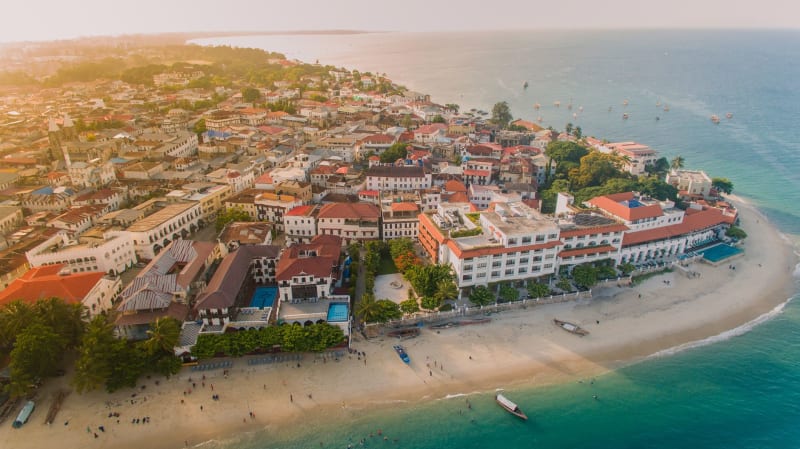
 Bagamoyo
A faded Tanzanian port town where the slave trade's last African chapter played out beneath German colonial bungalows and coral-stone Swahili houses, now quietly existing as one of the coast's most historically weighty and least visited places.
Explore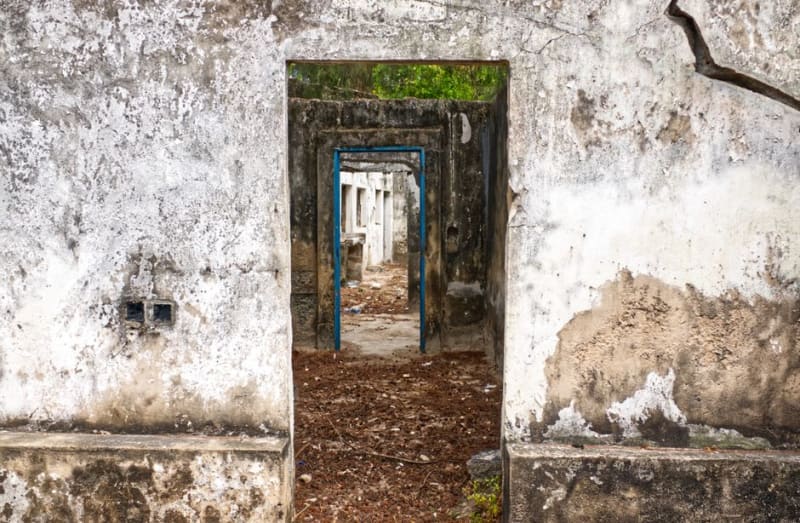 swahili-coast
 Gede Ruins
The overgrown coral-stone ruins of a 13th-century Swahili trading town, swallowed by coastal forest and still being reclaimed by fig trees today.
Explore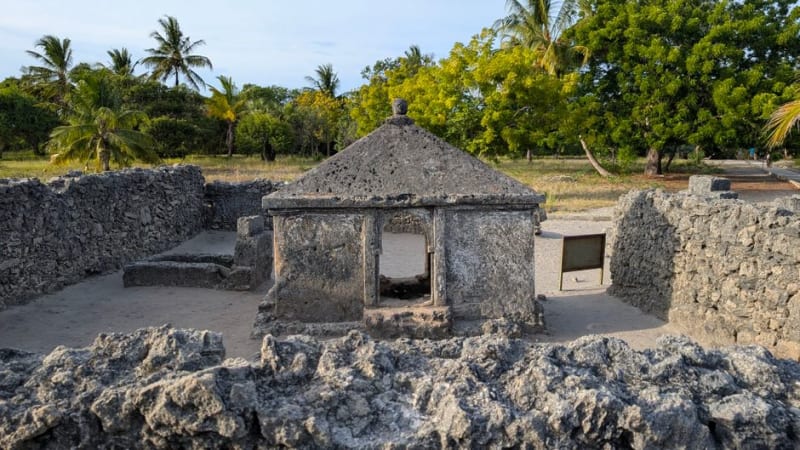 swahili-coast
 Kaole Ruins
Weathered mosque and tomb ruins from a 13th-century Swahili sultanate, sitting quietly in the mangroves a few kilometers south of Bagamoyo.
Explore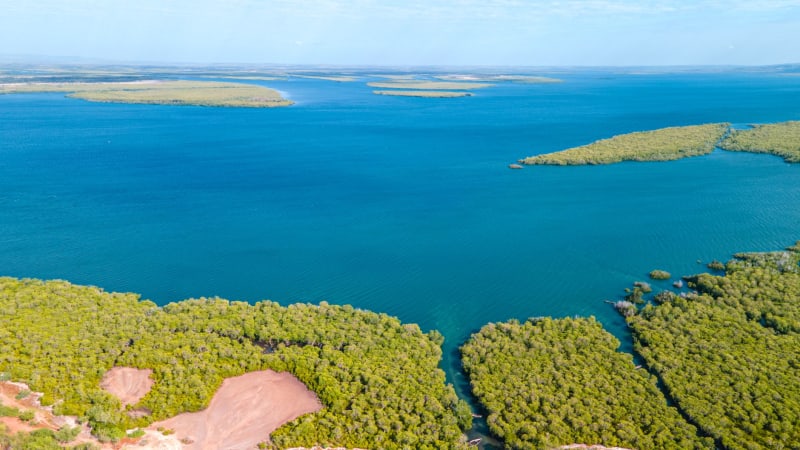 swahili-coast
 Kilwa Kisiwani
A ruined city on a tidal island off the Tanzanian coast, once the wealthiest trading port in sub-Saharan Africa, now silent enough that you can hear the Indian Ocean inside the walls of the great mosque.
Explore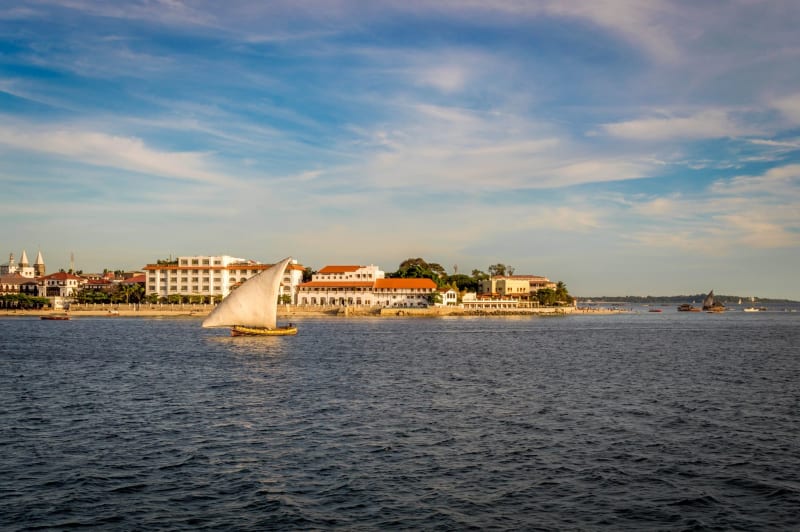 swahili-coast
 Lamu
A medieval Swahili town frozen in salt air and silence, where donkeys outnumber cars and carved wooden doors open onto a world that hasn't hurried in seven centuries.
Explore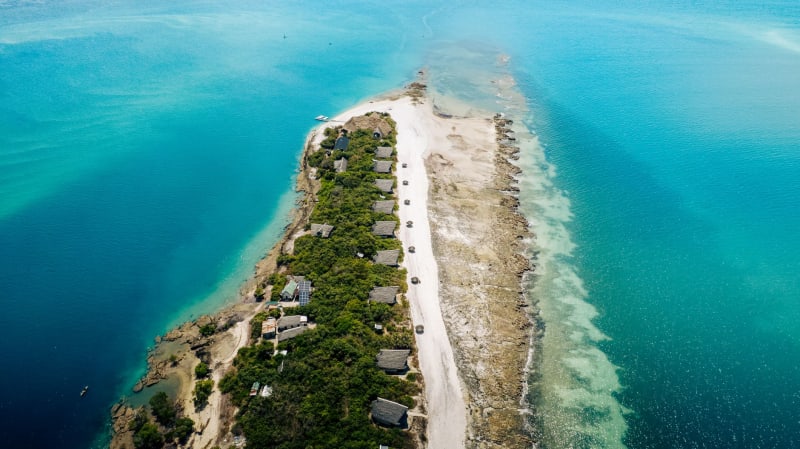 swahili-coast
 Mafia Island
A small Tanzanian island surrounded by one of the Indian Ocean's healthiest reef systems, famous for whale shark encounters and a total absence of the tourist infrastructure that usually follows them.
Explore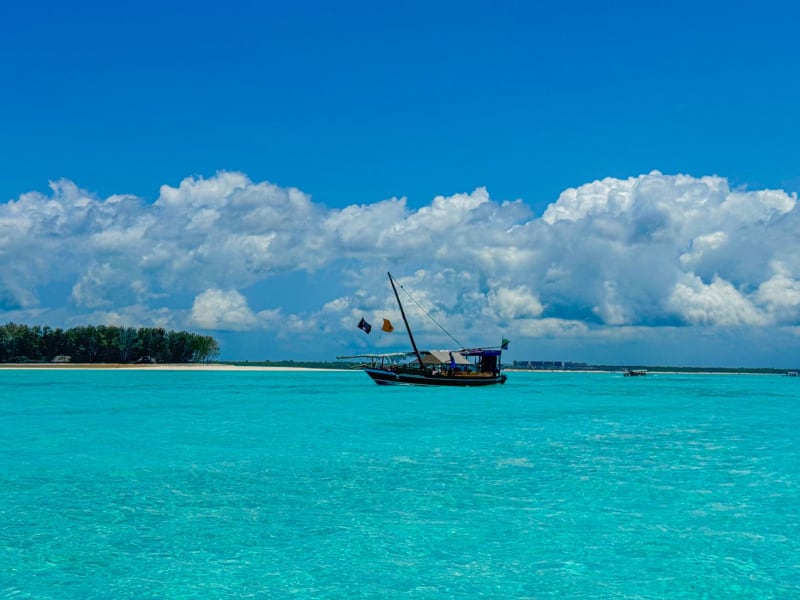 swahili-coast
 Malindi
A Kenyan beach town with a Portuguese pillar older than the Reformation, a functioning coral reef inside the marine park, and a long-established Italian expat community that has made the town's restaurant situation inexplicably excellent.
Explore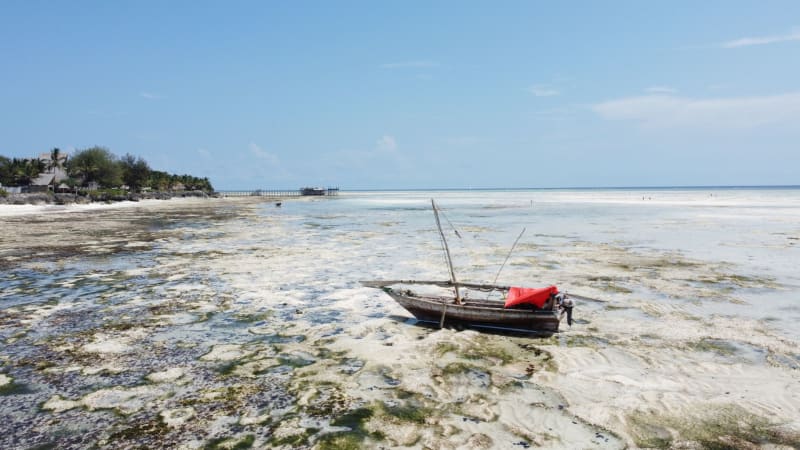 swahili-coast
 Mombasa Old Town
Kenya's second city wears its maritime history in coral-stone balconies and Portuguese ramparts, a port town that has been continuously open for business since Arab traders first charted the monsoon winds north.
Explore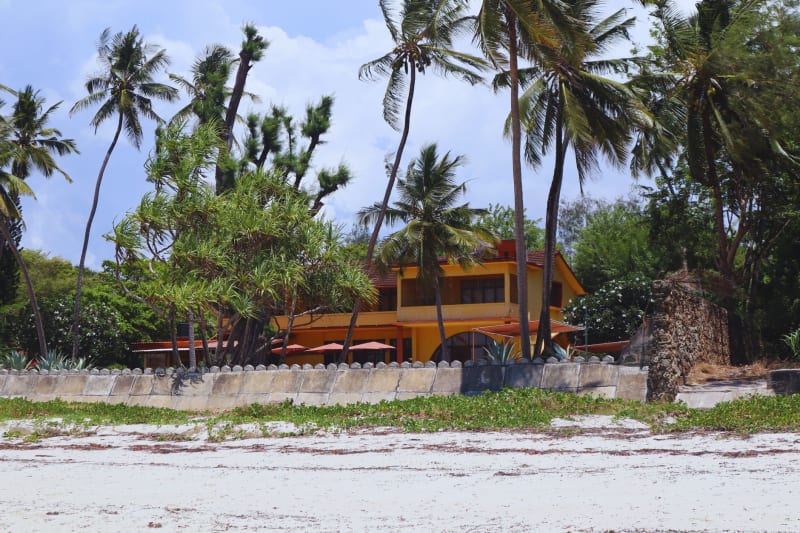 swahili-coast
 Nungwi
The northern tip of Zanzibar where traditional dhow-builders work on beaches beside tourist bars, the Indian Ocean runs clear and warm on both coasts simultaneously, and the sunset is an event the whole village participates in.
Explore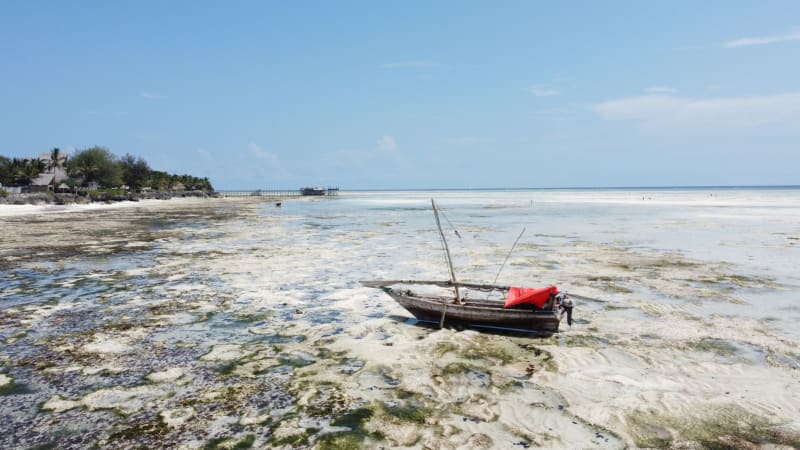 swahili-coast
 Pangani
A small Tanzanian river-mouth town where German colonial ruins, Omani merchant houses, and an empty beach exist at a pace so unhurried that a morning can disappear between one glass of chai and deciding to order another.
Explore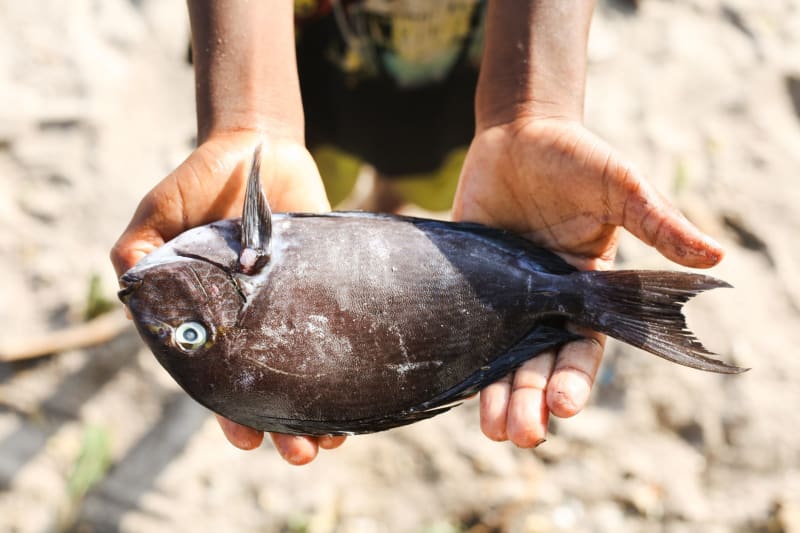 swahili-coast
 Pemba Island
Tanzania's forgotten island produces most of the world's cloves from a steep forested interior, and drops the clearest cold-water walls in the Indian Ocean just offshore — a place that rewards the effort to reach it.
Explore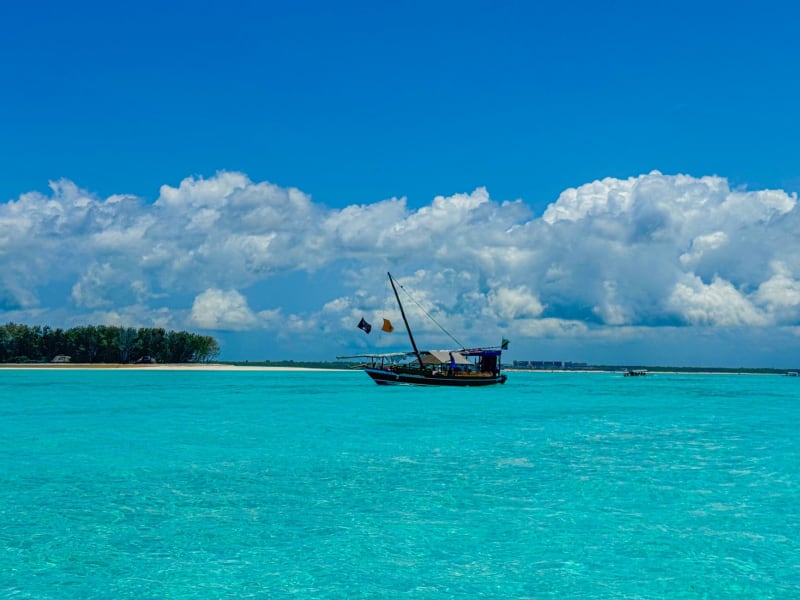 swahili-coast
 Saadani National Park
The only place in Africa where you can watch elephants amble across a beach with the Indian Ocean breaking behind them.
Explore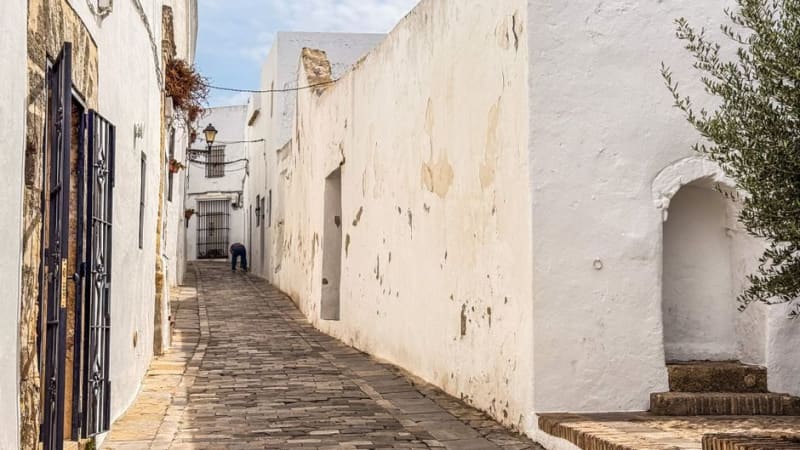 swahili-coast
 Shela
A dune-backed village of coral-stone houses beside Lamu town, where donkeys still outnumber cars and Fridays end in a dusty race down the beach.
Explore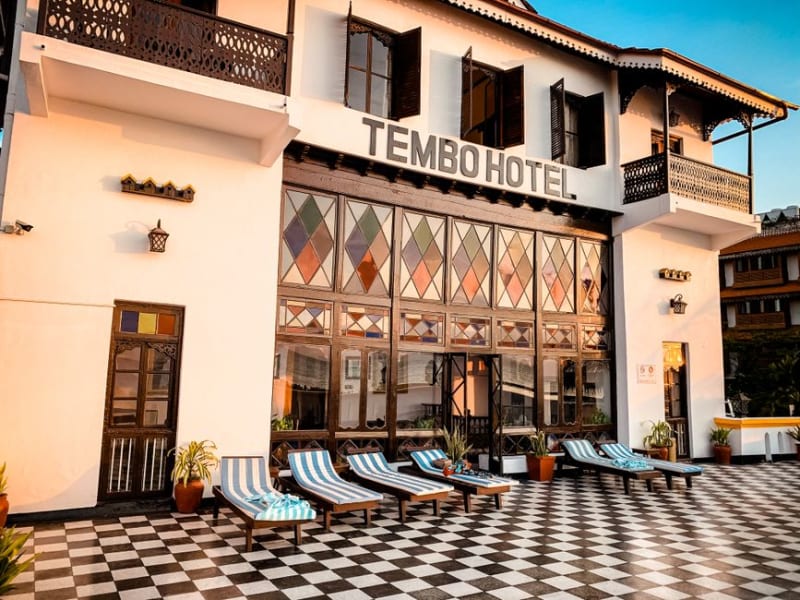 swahili-coast
 Tanga
A sleepy Tanzanian port city where sisal-era colonial buildings slowly crumble along quiet, palm-lined streets few travelers bother to visit.
Explore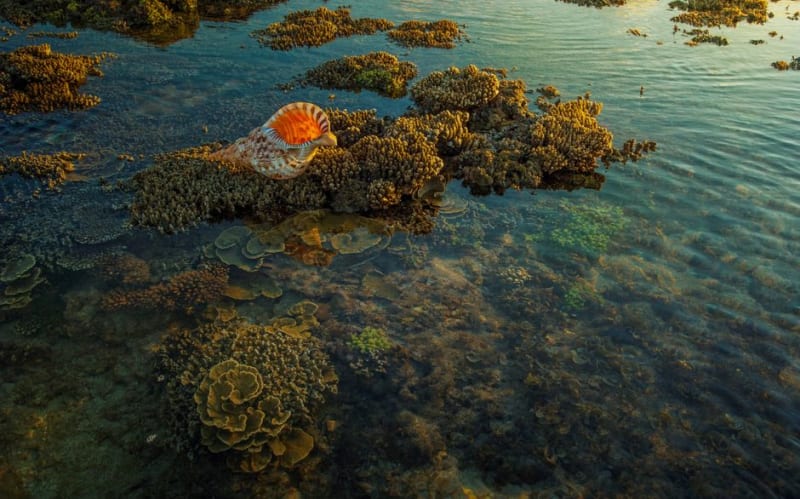 swahili-coast
 Vumba
A quiet, reef-fringed stretch of Kenya's southern coast near the Tanzanian border, where the sand is soft, the crowds are thin, and the tide rules the day.
Explore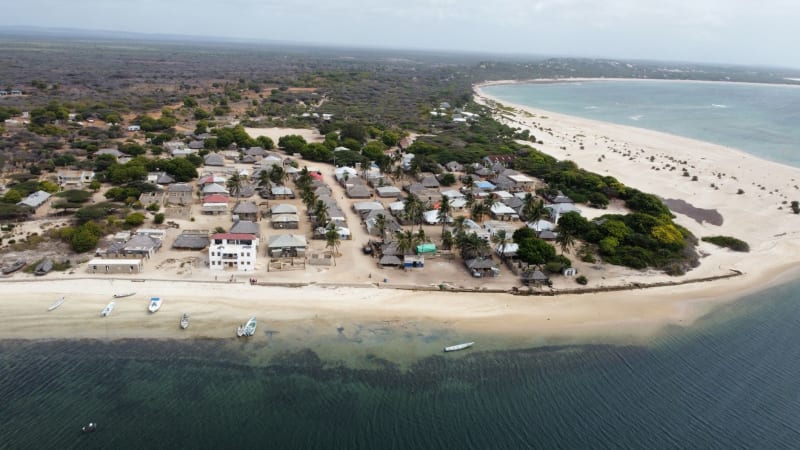 swahili-coast
 Watamu
A small Kenyan beach village where marine park coral gardens, nesting sea turtles, and creek mangroves coexist improbably with excellent seafood and the particular slowness that only real obscurity can produce.
Explore