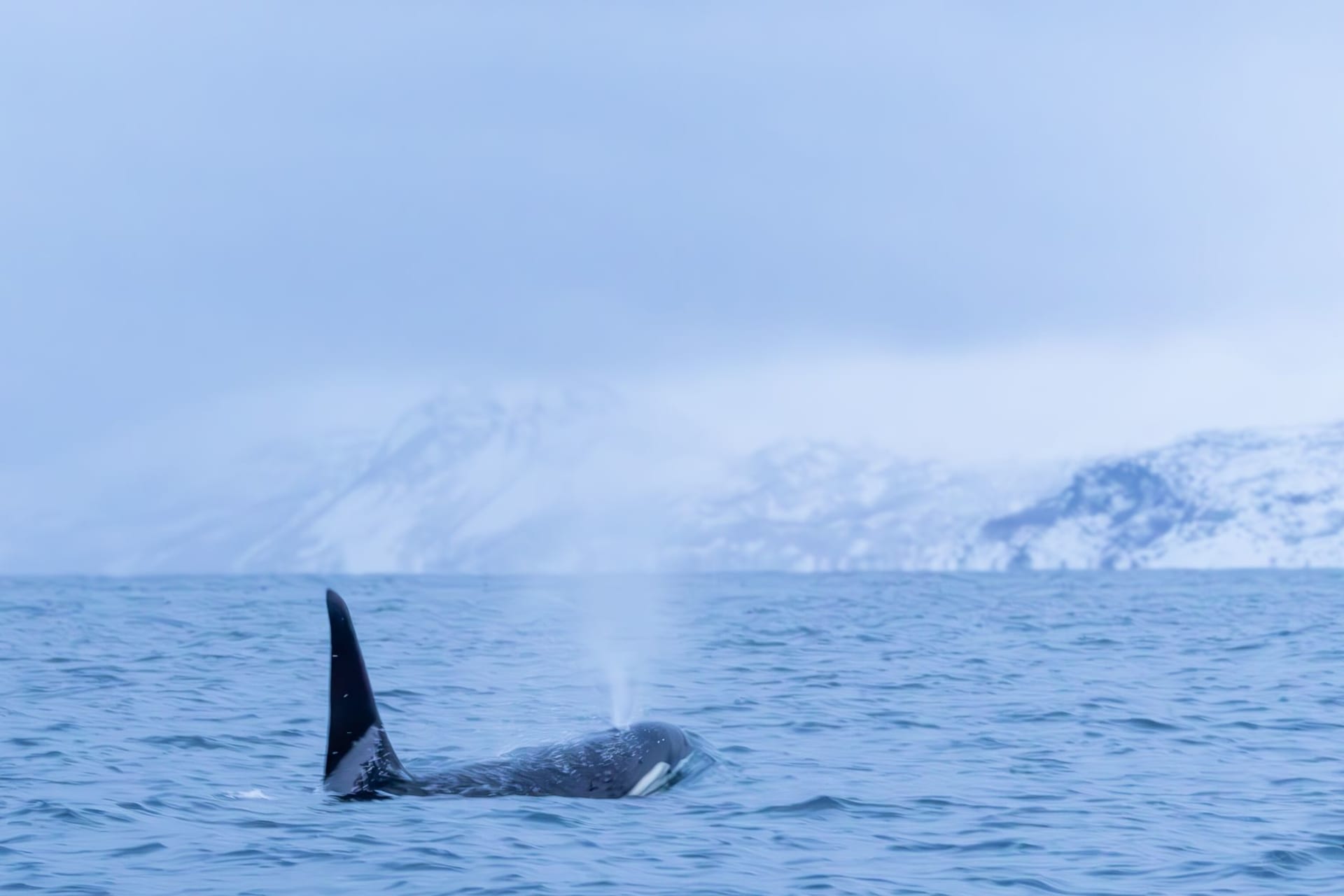
Longyearbyen
"I left my parka on the chair. The bartender handed it back without a word — you don't leave without it here."
A Town That Shouldn’t Exist
Longyearbyen shouldn’t be here. It exists because of coal — American industrialist John Longyear started mining operations in 1906, and the Norwegians kept it going long after the economics stopped making much sense. What remains is a settlement of roughly 2,500 people at 78 degrees north, where the supermarket stocks reindeer sausage beside the breakfast cereal and the local university offers Arctic biology degrees. The absurdity is part of the appeal.
I arrived in early March, when the sun had just returned after four months of polar night. The light at that first sunrise was so horizontal it turned every snow crystal into a prism. Lia stood outside the arrivals building squinting into something that looked less like sunlight and more like a slow-motion explosion at the edge of the world. We stood there longer than was sensible. The taxi driver waited without complaint.
Coal, Stoves, and the Main Street
The town is compact enough to walk in an hour, though in February you won’t want to linger. The old mining infrastructure is everywhere — aerial ropeway pylons march up the mountainside above town, rusting and beautiful in their obsolescence. Mine 7 still operates, the last working coal mine on the Norwegian side. On weekday mornings you can see the miners in their orange coveralls heading up the road.
The main street, Longyearbyen sentrum, is where everything happens: the UNIS university campus, the Svalbard Museum (genuinely excellent — budget two hours), a handful of restaurants that punch well above what you’d expect for a place this remote. I ate reindeer carpaccio at one of them and thought about the reindeer I’d seen grazing at the edge of the runway that morning, completely indifferent to the landing 737.
Polar Night and the Blue Hour
If you come in winter, you come for the darkness as much as for the Northern Lights. Polar night — four months of continuous dark — ends in late February, but even afterward the light behaves strangely. There’s a long blue hour around noon, more dusk than day, when the mountains turn violet and the snow absorbs the color completely. I walked out alone during that hour and felt the peculiar silence of a landscape that genuinely doesn’t care whether you’re there or not.
The Northern Lights appear on clear nights with almost mechanical reliability from October through February. You don’t need to drive far — sometimes they’re visible from the main street, swimming green above the ropeway pylons.
Getting Oriented
Longyearbyen is the base for everything else on the archipelago. All boats, snowmobile tours, and charter flights to the outer islands originate here. The governor’s office issues the rules: you cannot leave town boundaries without a rifle (guides carry them on tours), and you must carry it in bear country. This isn’t theater. Polar bears outnumber people on Svalbard. The rule exists because encounters happen.
When to go: February to April for dog-sledding, snowmobile expeditions, and the return of the sun after polar night — the light in these months is extraordinary. June to August for midnight sun, boat tours, and hiking. November to January for Northern Lights at their peak, though polar night requires mental preparation and good waterproof layers.