Europe
Svalbard
"I came for polar bears. I stayed for the silence."
I landed in Longyearbyen in early September, that narrow window before the polar night swallows everything but after the worst tourist rush has thinned out. The plane banked low over fjords the color of pewter, glacier tongues pushing into water so still it looked painted. Coming from Mexico City, where noise is structural, where the air itself vibrates, this felt like someone had pressed mute on the world. I wasn’t prepared for it. You can’t be, really.
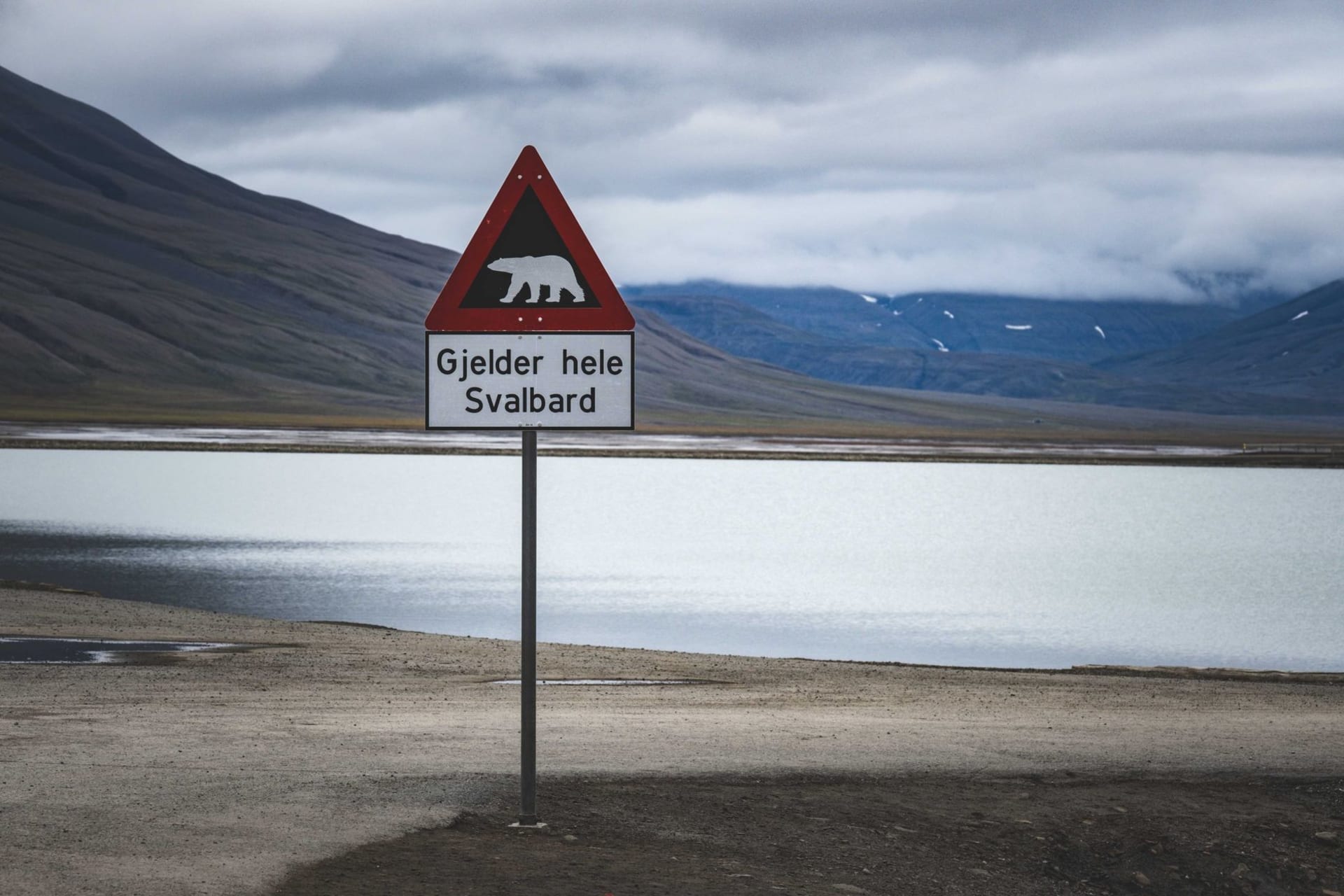
Longyearbyen is stranger than most people expect. It’s not a village frozen in aspic — it has a decent Thai restaurant, a well-stocked craft beer bar, a surprisingly good natural history museum. There are Russian miners’ settlements that feel like abandoned movie sets, a global seed vault buried into a mountain like something from a thriller, and signs at the edge of town that genuinely warn you to carry a rifle because polar bears aren’t metaphorical here. I saw one from a distance on day two, a cream-colored shape moving along a ridgeline above a frozen lake. My guide didn’t even lower his binoculars. For him it was Tuesday. For me it rearranged something in my understanding of the word “wild.”
The food won’t be the reason you come, but it won’t disappoint you either. Reindeer stew, Arctic char pulled from cold water, king crab that arrives on your plate still visibly enormous — these are meals that taste like the place they came from in a way that’s increasingly rare. I ate standing at a dock one morning while a zodiac waited to take us out onto Isfjorden, spooning something hot from a thermos, watching a group of puffins argue on a rocky outcrop. I remember thinking: this is what travel is supposed to feel like, before it became content.
When to go: Late February to early April for the return of the sun after polar night — dramatic low light, possible northern lights, and snow that holds. September to October for boat excursions, wildlife before they scatter, and the light turning amber for hours at golden hour. Avoid July and August unless you enjoy sharing a zodiac with 40 other people in matching orange survival suits.
What most guides get wrong: Every article leads with “spot polar bears” as though Svalbard is a safari park with better PR. The bears are real and wild and genuinely dangerous — that warning sign with the cartoon bear is not ironic. But the thing that actually changes you about Svalbard is the scale of the emptiness. This is one of the few places left where human infrastructure is genuinely dwarfed by landscape, where you can walk an hour from the only settlement of any size and feel the specific anxiety of being truly alone in terrain that does not care about you at all. That’s the point. That’s what you’re paying for.