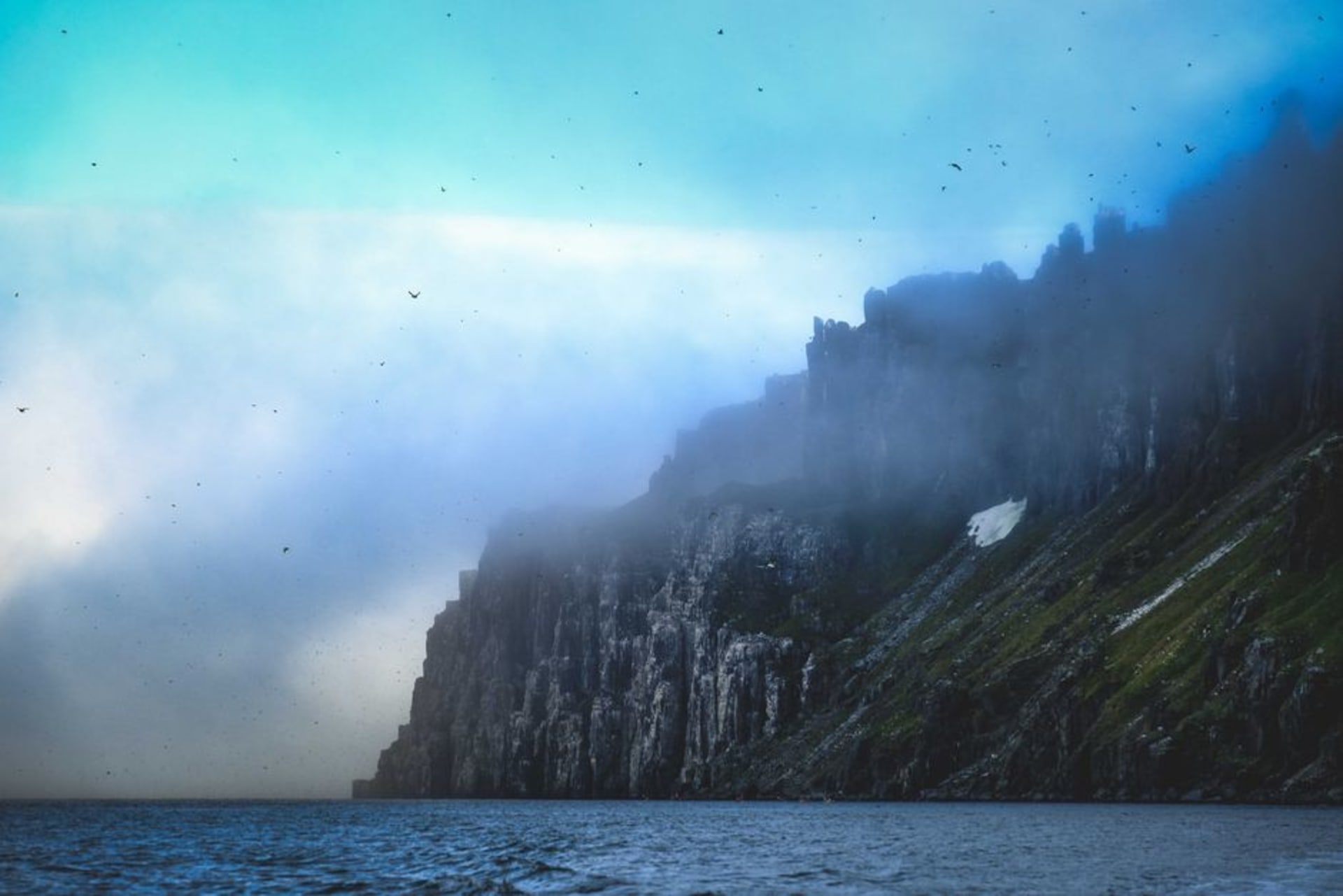
A fog-bound outpost in the Barents Sea where seabirds outnumber people by the hundred thousand and history hides in a driftwood cabin.
I didn’t expect to feel anything for a rock in the middle of the Barents Sea, but Bear Island got me the moment our expedition ship slowed and the fog just… didn’t lift. Bjørnøya sits about 450 kilometers north of mainland Norway and 225 kilometers south of Spitsbergen, which makes it Svalbard’s southernmost scrap of land, and it felt exactly like that — a place suspended between two coastlines, belonging fully to neither. Lia leaned on the railing next to me with her coffee going cold, and neither of us said much for a good ten minutes. There wasn’t much to say. It was June, the sea was flat calm for once, and the island just sat there, 178 square kilometers of cliff and silence.
We learned on board that Willem Barentsz, the Dutch explorer, ran into this place in 1596 and named it after a polar bear his crew had a run-in with — no bears live here permanently now, but the name stuck, and honestly it still shapes how you look at the coastline, half-expecting something to move on the rocks. What actually moves, in staggering numbers, are the birds. Guides told us 126 species have been recorded here, 33 of them breeding on the cliffs, and Miseryfjellet, the island’s 536-meter high point, rose out of the mist like a wall of noise once we got close enough in the Zodiac to hear it.
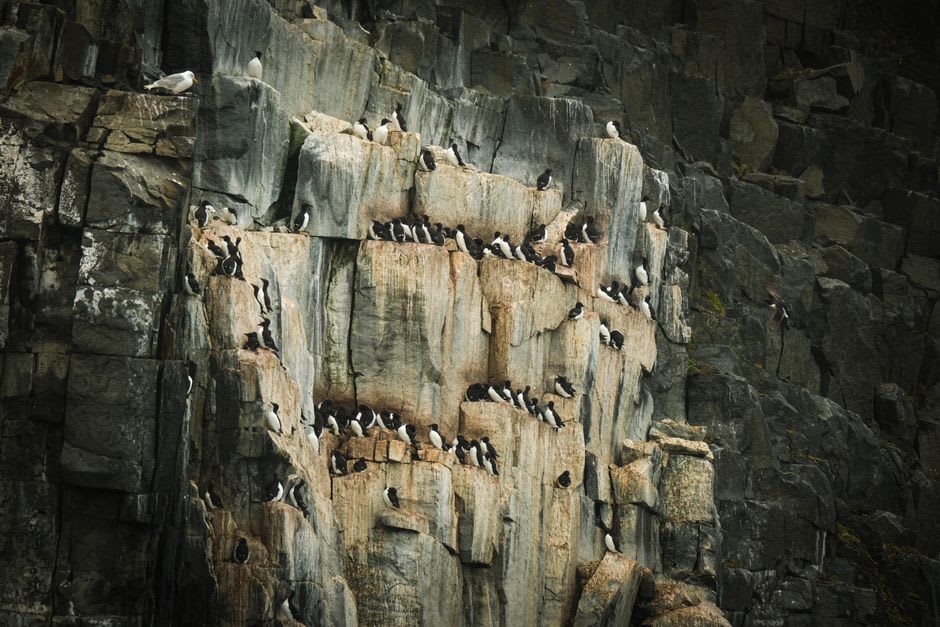
The part that stayed with me longest, though, wasn’t the birds — it was the Hammerfest House, the oldest preserved hunting cabin in all of Svalbard, built in 1822. Standing in front of that low timber structure, knowing generations of walrus, seal, and seabird hunters had sheltered there through storms I couldn’t imagine surviving, made the whole island feel less like a stopover and more like a museum with the roof left open to the weather. Bear Island became a nature reserve in 2002, and today the only residents are a small meteorological crew who I like to think have the best and loneliest office view on the planet.
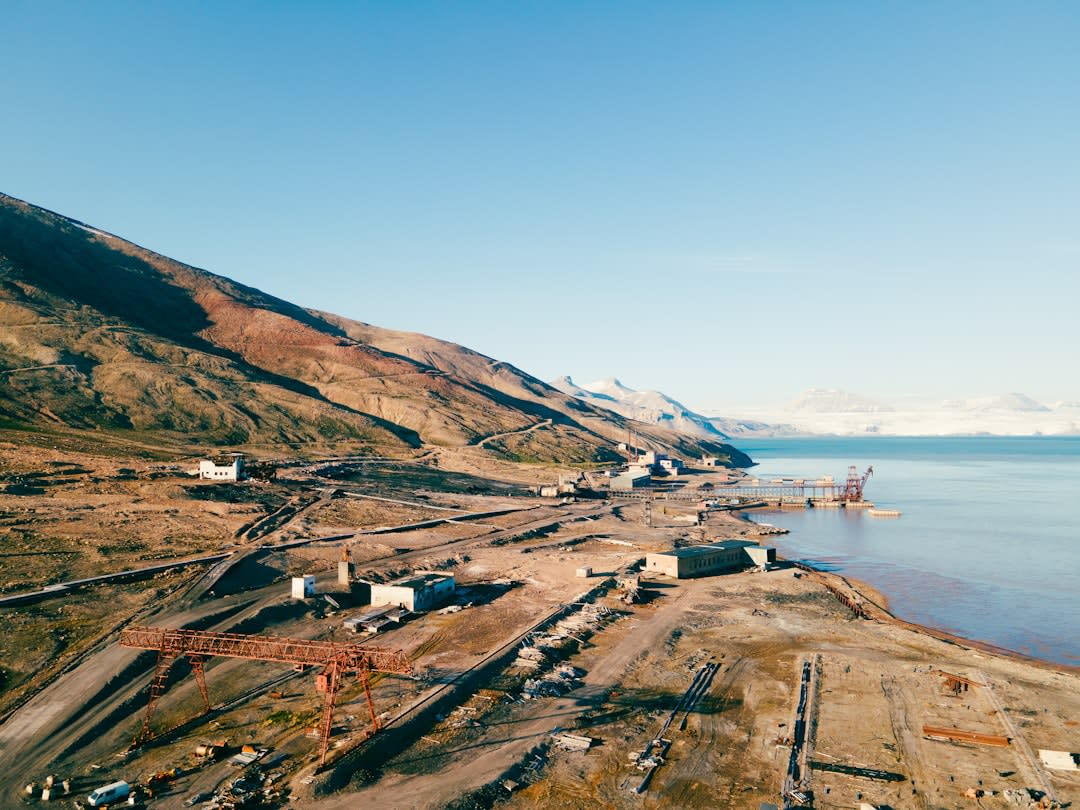
Lia said afterward that Bear Island felt like the pause between two sentences of a much bigger story — Spitsbergen behind us, mainland Norway somewhere far ahead. I keep coming back to that. It’s not a place you visit for comfort, it’s a place you visit to feel small in exactly the right way.
When to go: Aim for an expedition ship between June and August — that’s when the Arctic summer opens the seas enough to land and the cliffs are loudest with breeding seabirds, though even then, don’t count on the fog cooperating.