Kabalebo
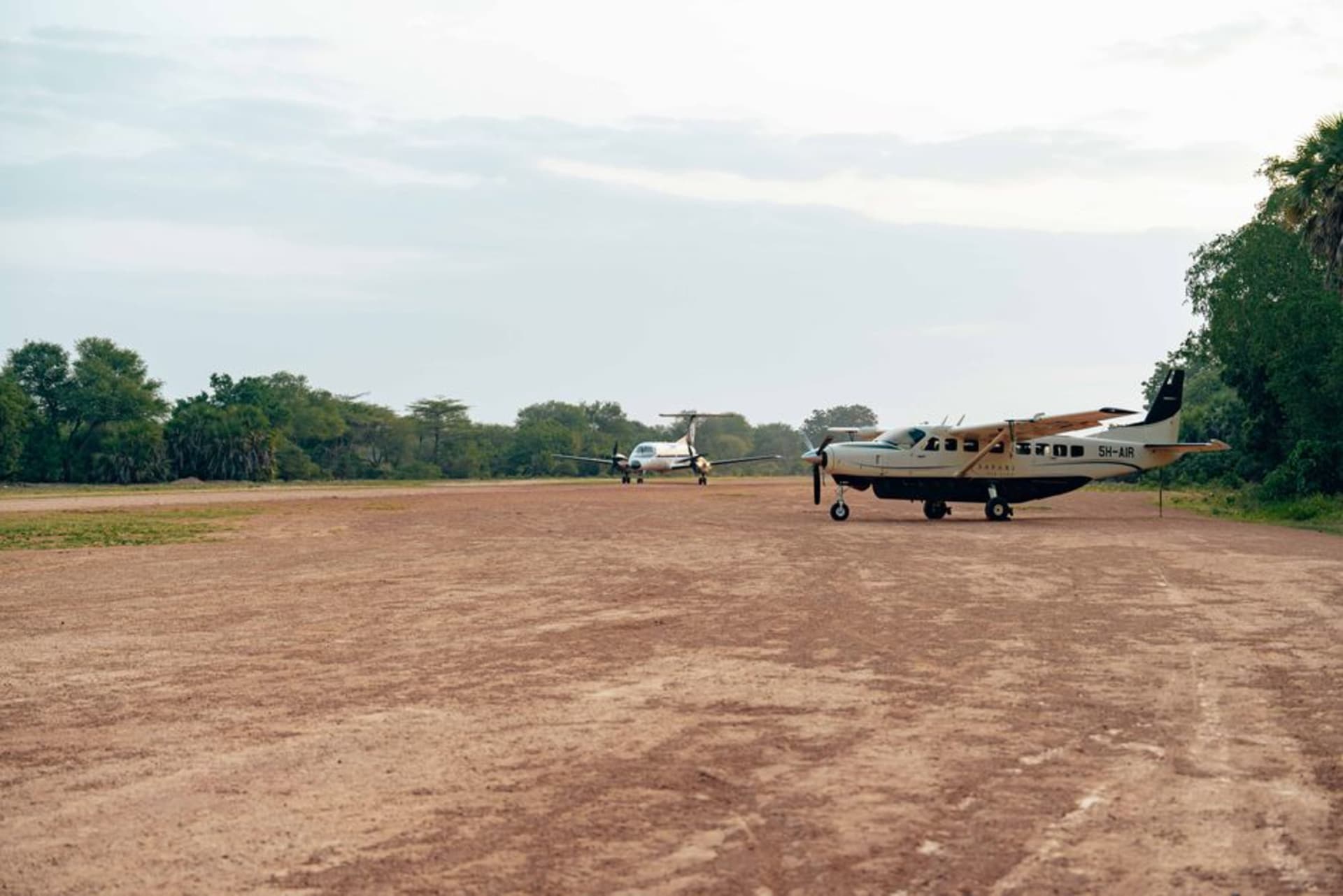
"When the propeller finally stopped, the silence out there was so total I could hear my own pulse."
A remote rainforest reserve tucked against the Guyana border, reachable only by small plane and defined by silence and unbroken jungle canopy.

You don’t drift into Kabalebo, you commit to it. From Paramaribo it’s a puddle-jumper flight of a little over an hour, low enough that Lia and I spent most of it with our faces pressed to the windows watching the Suriname interior turn into an unbroken green carpet with no roads, no clearings, nothing but forest and the occasional silver thread of a river cutting through it. Somewhere around the halfway mark I realized we’d crossed into territory that borders Guyana, one of the least populated corners of South America, and there was something genuinely humbling about seeing that much untouched canopy stretch to the horizon in every direction.
The lodge itself sits on a bluff above the Kabalebo River, a cluster of thatched-roof cabins with no wifi and, more importantly, no ambient hum of anything human. First night there I stepped outside after dinner and it took a solid minute for my eyes to adjust to how dark it actually gets, no light pollution for hundreds of kilometers in any direction. Lia grabbed my arm when a howler monkey started up somewhere in the canopy, a sound so deep and guttural it didn’t seem like it should come from something you could hold in your hands.

We spent our days on the river in a dugout canoe with a guide named Ricardo who’d grown up in the interior and could spot a tapir print in mud from ten meters without slowing down. We didn’t see jaguar tracks, though he swore he’d crossed one two weeks earlier, but we did watch a family of giant otters work a fishing hole for a solid half hour, unbothered by us sitting twenty meters off. There’s a waterfall a couple hours upriver, Voltzberg-adjacent territory, where we swam in water so cold and clear it genuinely shocked the system after the humidity of the jungle walk to get there.
What got me most wasn’t any single sighting, it was the scale of the emptiness. Kabalebo Nature Resort operates inside a private reserve roughly the size of Puerto Rico, and in four days we encountered maybe a dozen other people total, most of them staff. Lia, who grew up in cities her whole life, admitted on the flight back that it was the first time she’d genuinely felt like a visitor rather than a tourist somewhere.

The cost of getting there isn’t small, and I won’t pretend it is, the charter flight alone makes this one of the pricier things we’ve done in Suriname. But measured against what you actually get, an entire private wilderness with almost no other visitors in it, I’d argue it’s one of the better value trips in the country.
When to go: The dry season from August to November offers the clearest flying weather and the best wildlife visibility along the riverbanks.
Keep exploring
More from Suriname
 suriname
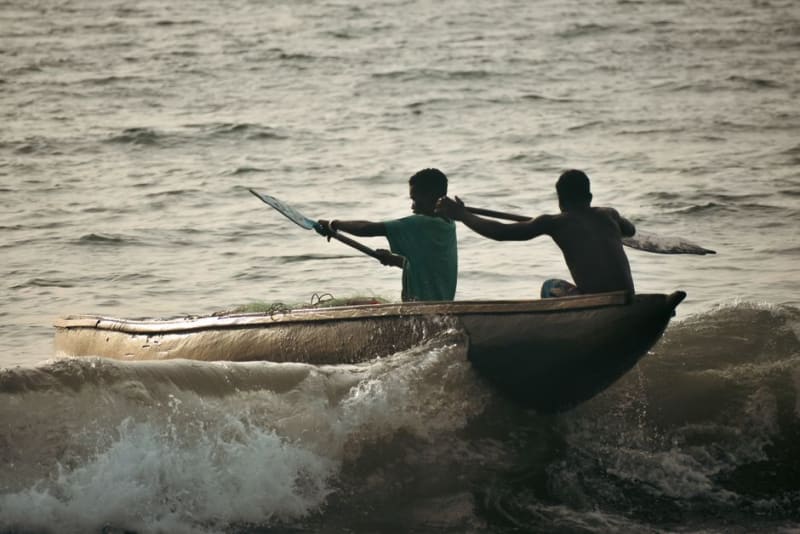
Marowijne River
A wide border river between Suriname and French Guiana, threaded with Maroon villages that only a dugout canoe can reach.
Explore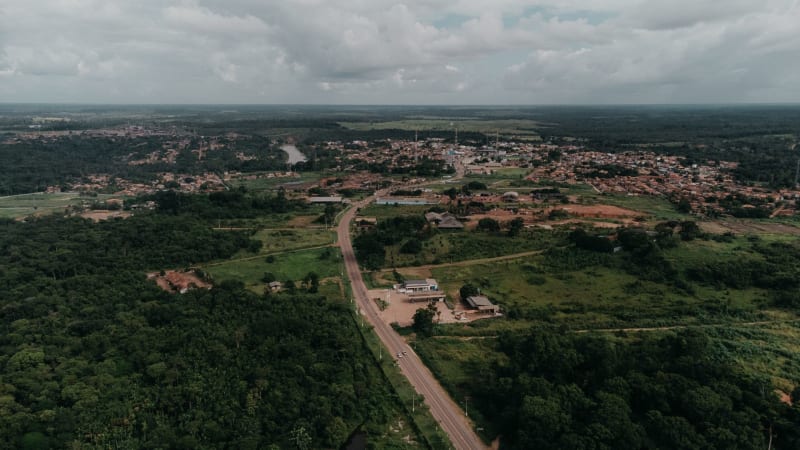 suriname
Nickerie
Suriname's rice capital on the western coast, a quiet Hindustani-flavored river town where the Corantijn River forms a vast border with Guyana and the surrounding polders produce rice in paddies that go flat to the horizon.
Explore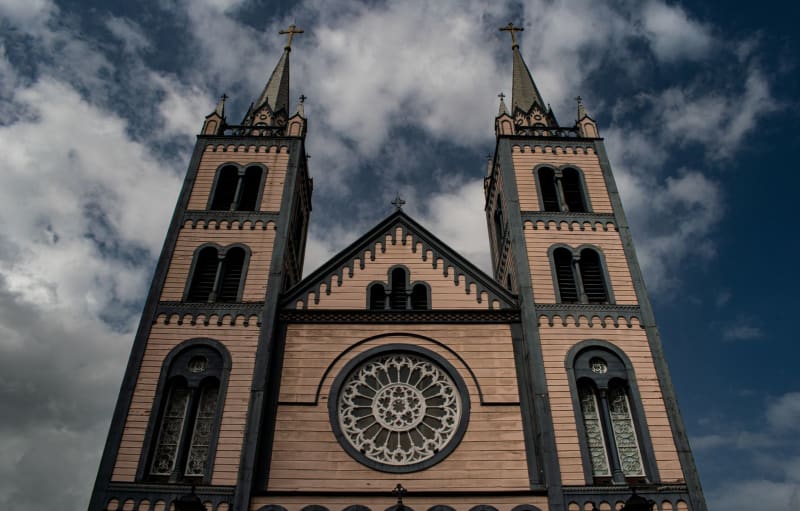 suriname
Palumeu
A remote Trio and Wayana Amerindian village deep in the southern interior, reachable only by small plane, where an eco-lodge sits at the edge of untouched rainforest and the concept of 'far from everything' gets recalibrated.
Explore suriname
Paramaribo
A UNESCO-listed colonial capital where Dutch gabled townhouses stand next to mosques and Hindu temples on the same block, making it one of the most quietly improbable cities in the Americas.
Explore suriname
Pikin Slee
A Saramaccan Maroon village on the upper Suriname River where a handmade open-air museum keeps centuries of forest culture alive.
Explore suriname
Sipaliwini Savanna
An anomalous open savanna surrounded by Amazonian rainforest in the extreme south of Suriname, one of the most remote and least-visited landscapes in South America, where the sky opens up without warning after days of canopy.
Explore