Tanjung Bira
"I asked the boatbuilder where the plans were. He tapped his temple and went back to shaping a keel by eye."
The End of the Road, the Start of the Sea
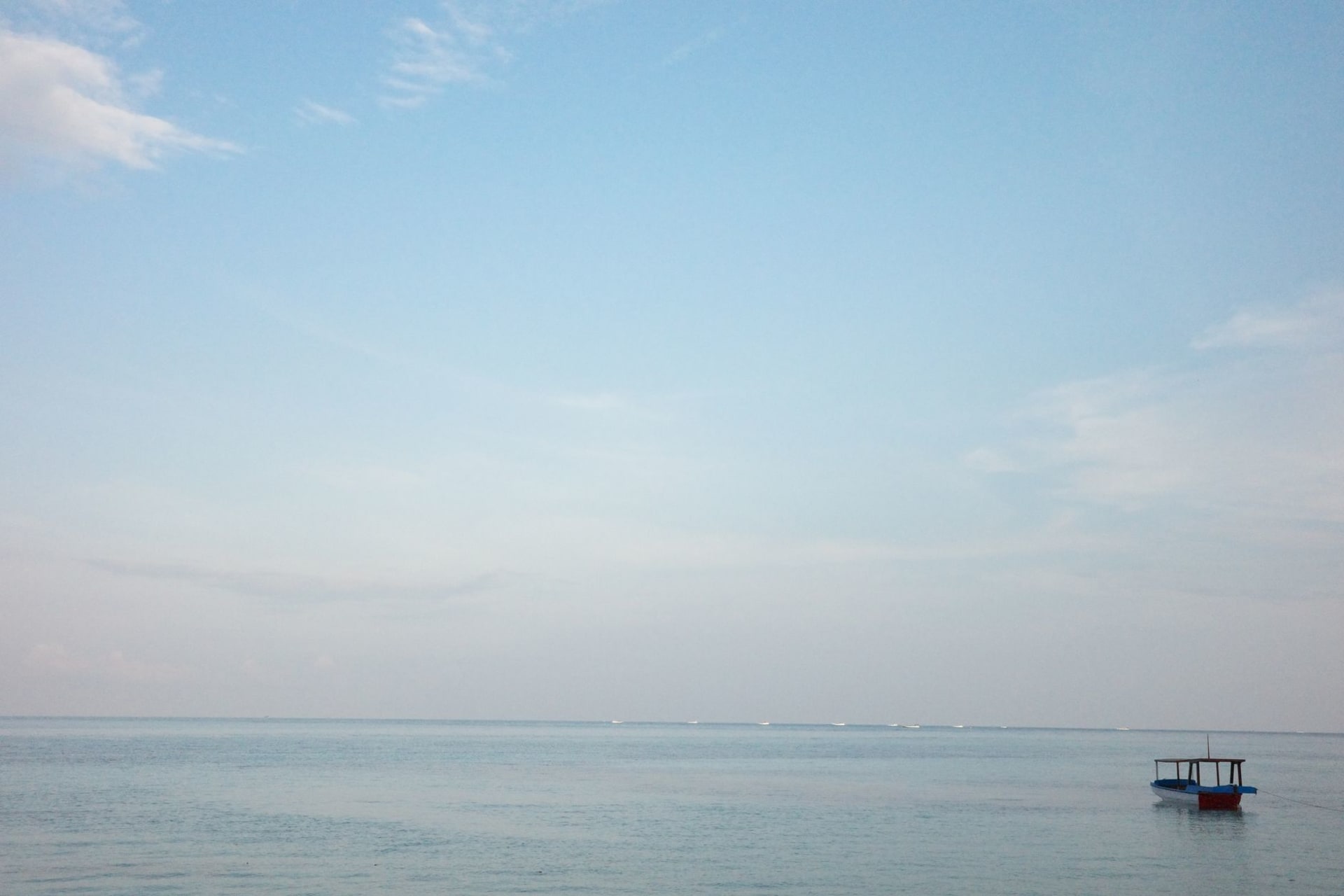
Tanjung Bira is about as far south as you can drive in Sulawesi before the land runs out and the Flores Sea takes over. The journey down from Makassar is a long one — five hours or so of motorbikes, roadside warungs, and villages that get quieter the further south you go — and the reward at the end is sand so fine and white it squeaks underfoot, the kind people fly to the Maldives for, here largely empty except on Indonesian holidays.
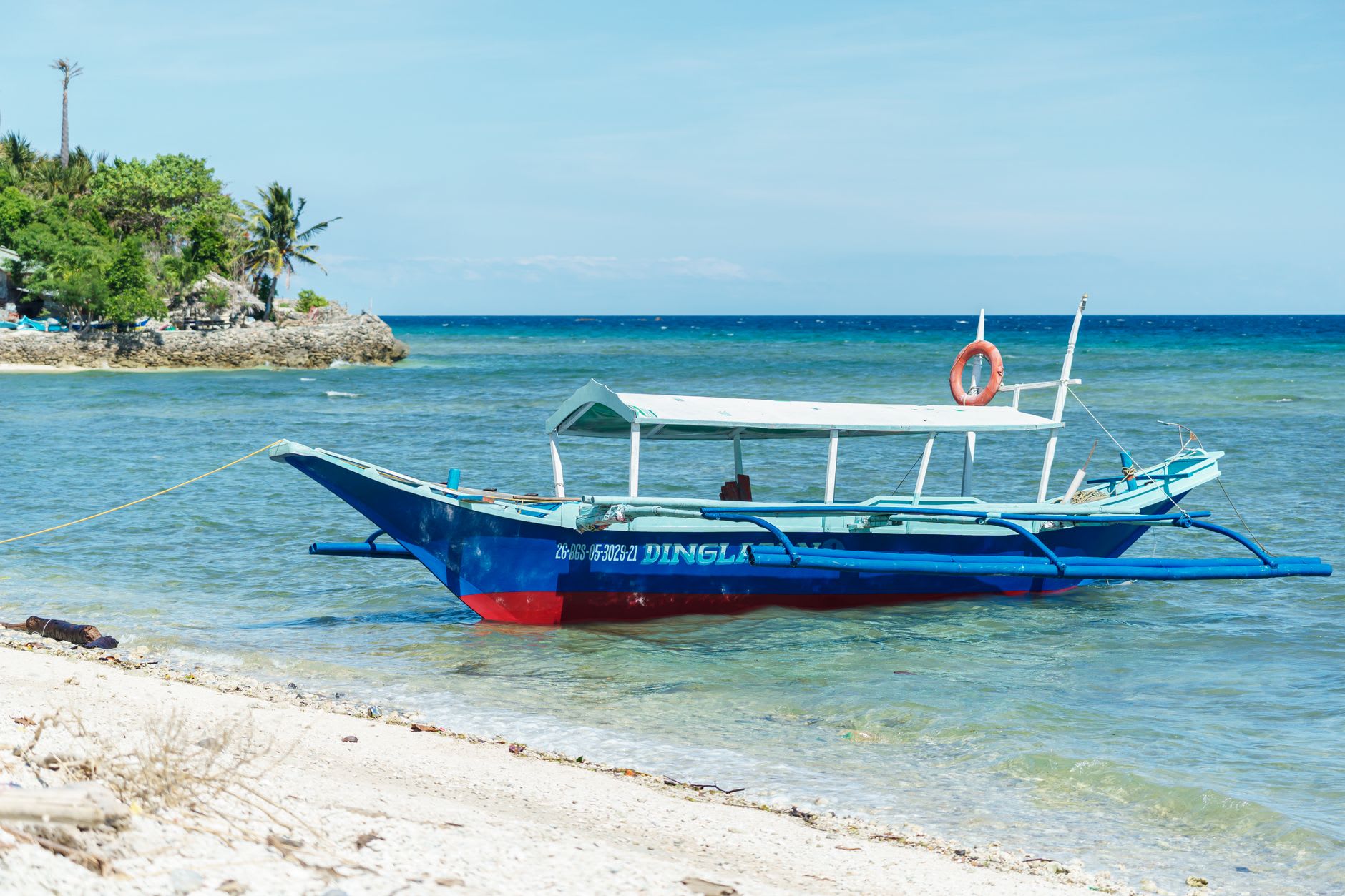
We came for the beach, which is genuinely lovely, but it was not the beach that stayed with me. It was the boats. Bira sits at the heart of Sulawesi’s seafaring world, the homeland of the Bugis, a people whose reputation as sailors and traders once spread far enough that some etymologists trace the English word “bogeyman” back to them. That is probably folklore, but the seamanship is not.
How to Build a Ship From Memory
A few kilometres from the beach, in the neighbouring villages of Tanah Beru and Ara, you can watch men building phinisi — the tall, two-masted wooden schooners that have carried Indonesian cargo across these seas for centuries. What stopped me cold is that they build them on the open beach, in the sun, without blueprints. The master shipwright carries the proportions in his head, passed down through generations, and the hull takes shape plank by plank, pegged together with wooden dowels rather than nails, the timber steamed and bent by eye and feel.
I stood for an hour watching a half-finished hull the size of a house rise on its props above the sand, men crawling over it with adzes and augers, wood shavings curling away in the heat. When I asked one of them, through a younger man with some English, where the plans were, he tapped his temple and laughed. The knowledge lives in people, not paper. UNESCO has since recognised this boatbuilding tradition, and watching it I understood why — there is something almost unbearable about a craft this sophisticated existing entirely in memory and muscle.
Into the Water
The diving and snorkelling around Bira are excellent and underrated, especially toward the little island of Pulau Liukang Loe just offshore. Lia is the stronger swimmer of the two of us — I have a healthy respect for currents and a body that floats with all the grace of a dropped suitcase — but the water here was so clear and the reef so close to the surface that even my flailing snorkel sessions turned up parrotfish, a turtle, and a reef shark that ignored me entirely.
In the late afternoon we walked the headland out to the lighthouse, where the cape falls away into cliffs and the sun goes down over the strait toward Selayar Island. A few local kids were jumping off the rocks with the easy confidence of children who have grown up half in the sea. We sat on the warm stone and watched the phinisi silhouettes out on the water, and I thought about the men shaping keels from memory a few kilometres up the coast.

Getting There and Staying
Bira is not on the way to anywhere, which is its charm and its inconvenience. Most travellers combine it with Tana Toraja and Makassar on a loop through the south, and the ferry to Selayar Island leaves from the port nearby if you want to push even further off the map.
When to go: The dry season from May to October offers the calmest seas and the best visibility for diving. Avoid Indonesian national holidays and the Eid period if you want the beach to yourself — domestic tourists arrive in force and the quiet evaporates. Bring cash; ATMs are scarce this far south, and the boatbuilders, fairly, do not take cards.