
Vic
"Vic doesn't perform for visitors — it just keeps doing what it's done since the Romans, and lets you watch."
An inland Catalan market town where a Roman temple sits behind a Baroque plaza, and the air still smells faintly of the cured sausage that made the place famous.

Vic sits on a windswept inland plain about seventy kilometers north of Barcelona, and the first thing I noticed getting off the train was the cold — a dry, high-plateau cold that has nothing to do with the Mediterranean coast an hour away. That climate, it turns out, is the whole reason the town exists as it does: the particular combination of dry wind and humidity on the Plana de Vic has made this the center of Catalan charcuterie for centuries, and llonganissa de Vic — a cured, air-dried sausage — still hangs in shop windows all over the old town like a local flag.
A Roman Temple Hiding in Plain Sight
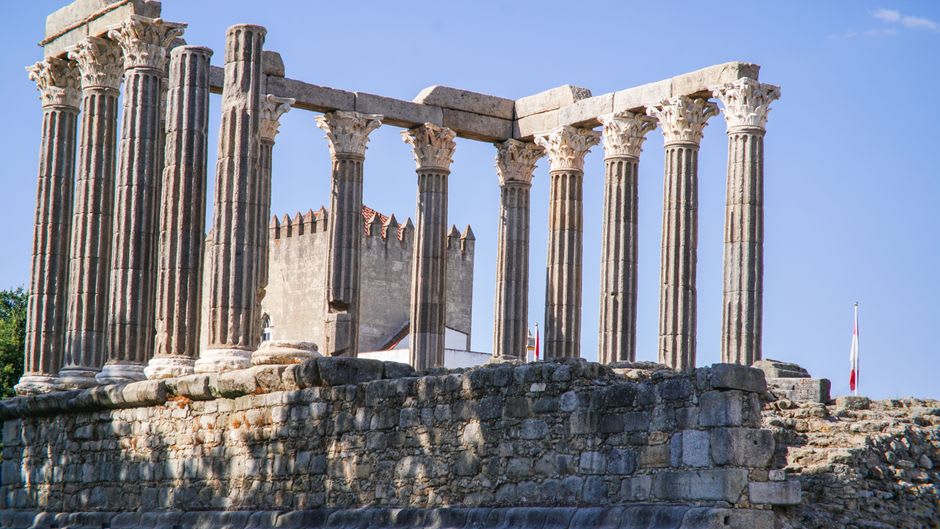
The town’s real surprise is architectural. Vic was Ausa in Roman times, a substantial settlement on the road linking Barcelona to the Pyrenees, and in the early twentieth century restorers peeling back later additions to a medieval building near the cathedral discovered the near-intact columns of a 2nd-century Roman temple, dedicated probably to the imperial cult. It stands there now, incongruous and beautiful, just steps from the Gothic-Romanesque cathedral — which holds its own shock inside: vast, brooding murals by Josep Maria Sert, painted after fire destroyed his first set during the Spanish Civil War, and repainted by him a second time in near-monochrome after that. Standing under them, I felt the particular vertigo of a building that has been rebuilt out of stubbornness as much as faith.
The Market and the Plaça Major
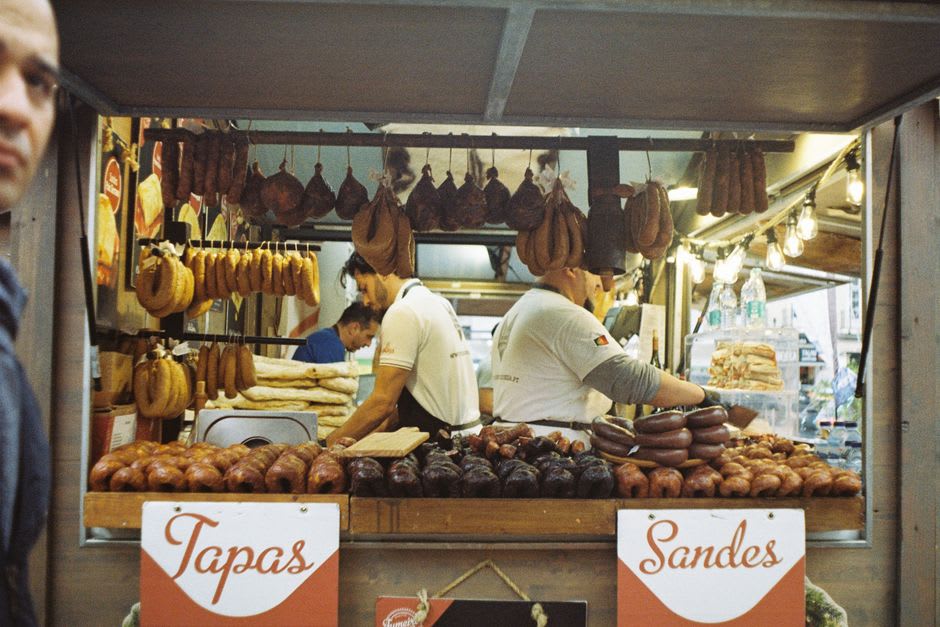
Vic’s heart, though, is the Plaça Major — an enormous arcaded square, one of the largest in Catalonia, ringed by townhouses with painted facades and wrought-iron balconies. Every Tuesday and Saturday it fills with a market that traces back, by most accounts, over a thousand years, and I arrived on a Saturday morning to find stalls of cheese, sausage, olives, and secondhand books packed under the arcades while locals moved through with the brisk, unbothered efficiency of people running an errand rather than visiting an attraction. I bought a small coil of llonganissa from a stallholder who told me, unprompted and with total confidence, that Vic’s sausage was superior to anything made in Barcelona. I didn’t argue.
What stayed with me longest wasn’t a single sight but the town’s rhythm — the way the Plaça Major empties out by early afternoon and fills again for evening vermouth, the way the cathedral bells seem to organize the whole day around them, the way nobody in Vic seemed remotely interested in whether I was there or not. After the coast, that indifference felt like a gift. Vic isn’t trying to be Girona or Barcelona in miniature; it’s a working market town that happens to have a Roman temple and a Sert-painted cathedral tucked into its middle, and it goes about its business regardless.
When to go: Late spring (May) or early autumn (late September–October) bring mild weather without the biting plateau wind of winter; aim for a Tuesday or Saturday to catch the market at full scale.
Keep exploring
More from Spain
 spain
spain Vigo
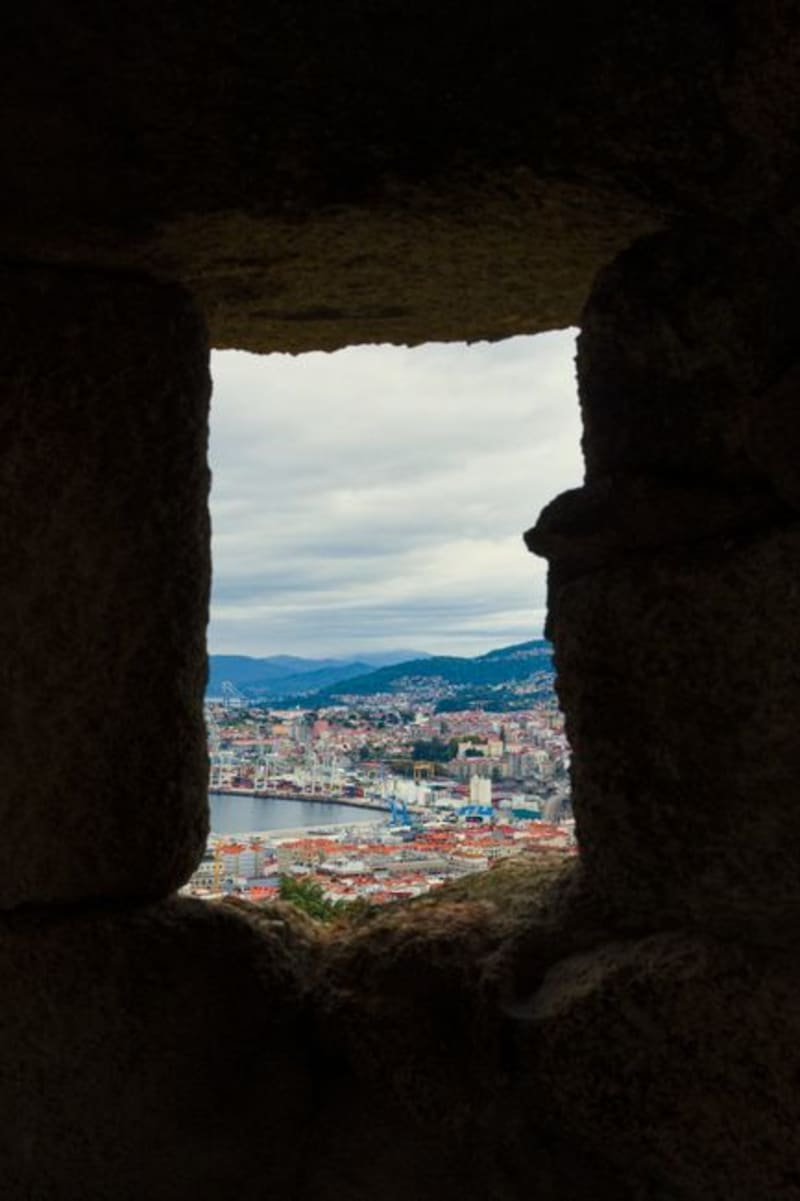
Galicia's biggest city and its biggest fishing port, built on hills over an estuary so rich in shellfish that the locals eat like royalty and call it Tuesday.
Explore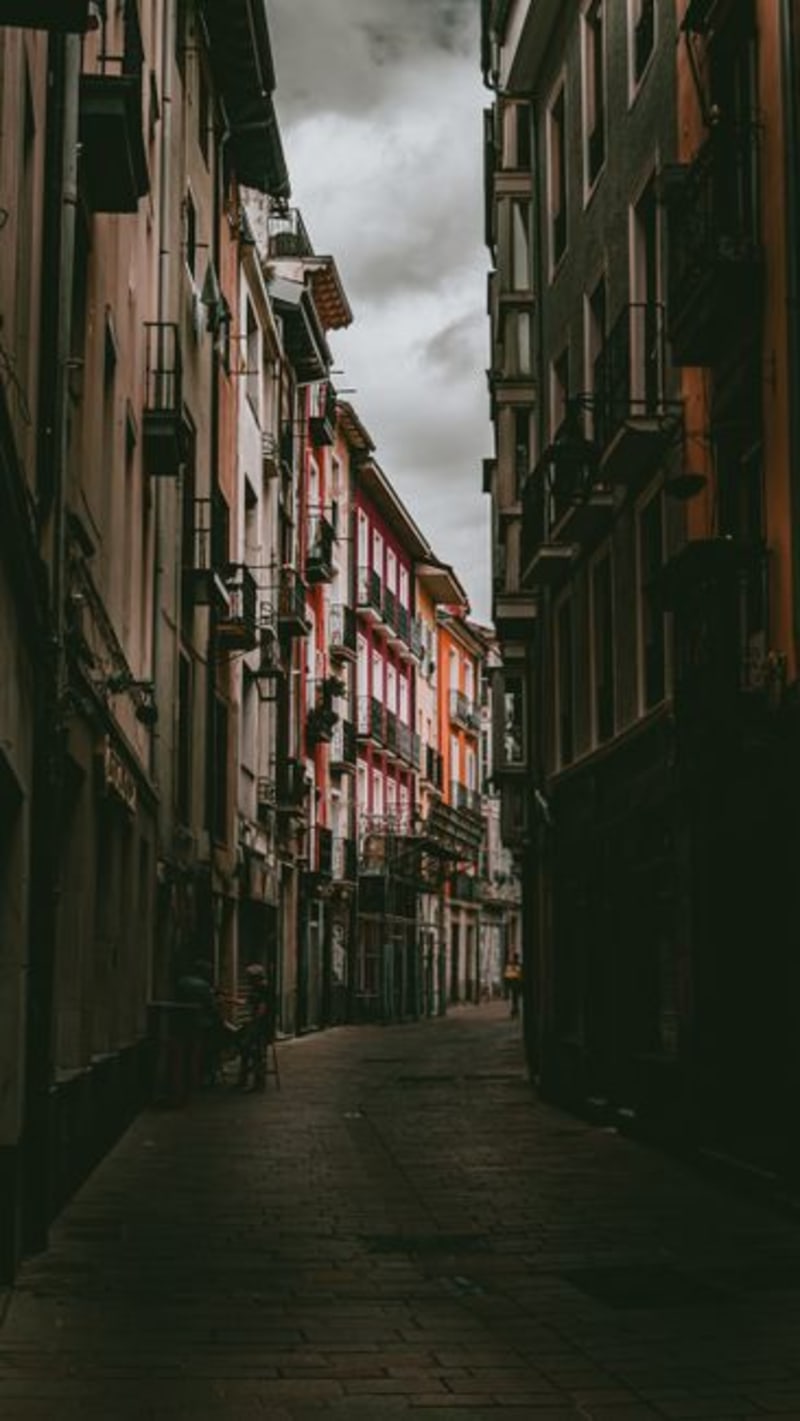 spain
spain Vitoria-Gasteiz
Spain's least-sung capital hides a medieval old town shaped like an almond and more green space per resident than almost any city in Europe.
Explore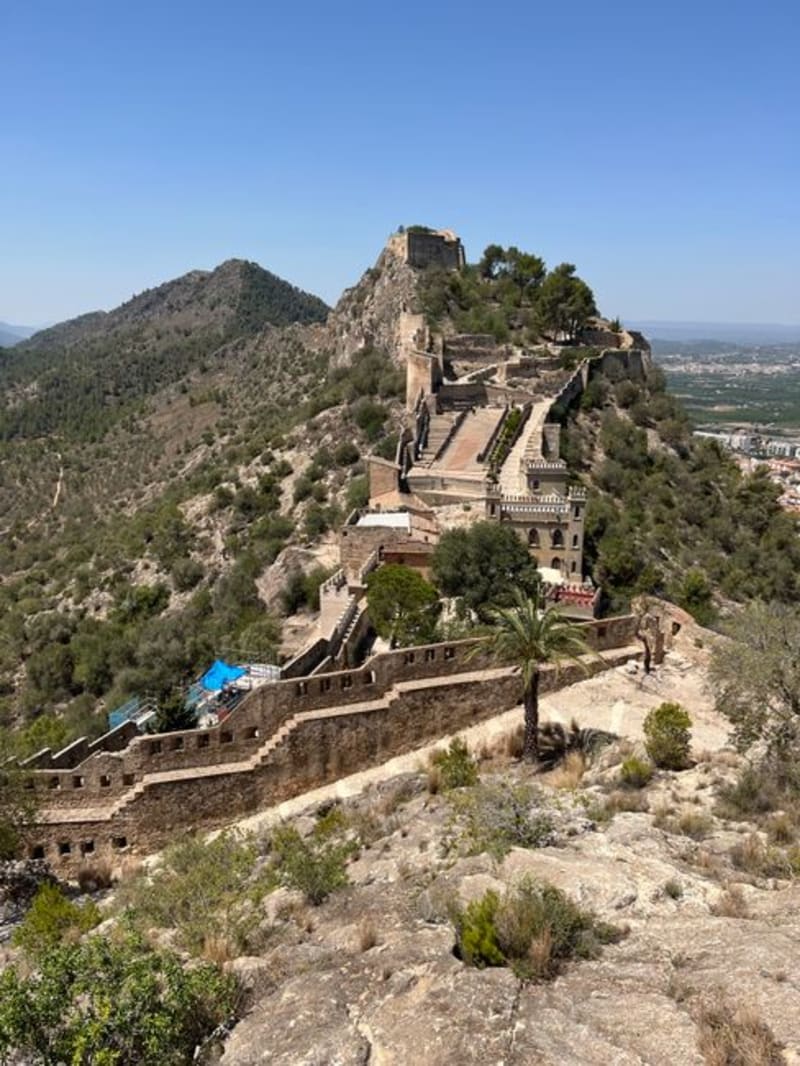 spain
spain Xàtiva
Two Renaissance popes were born in this Valencian hill town, whose double-walled castle still glares down at the orchards that made it rich.
Explore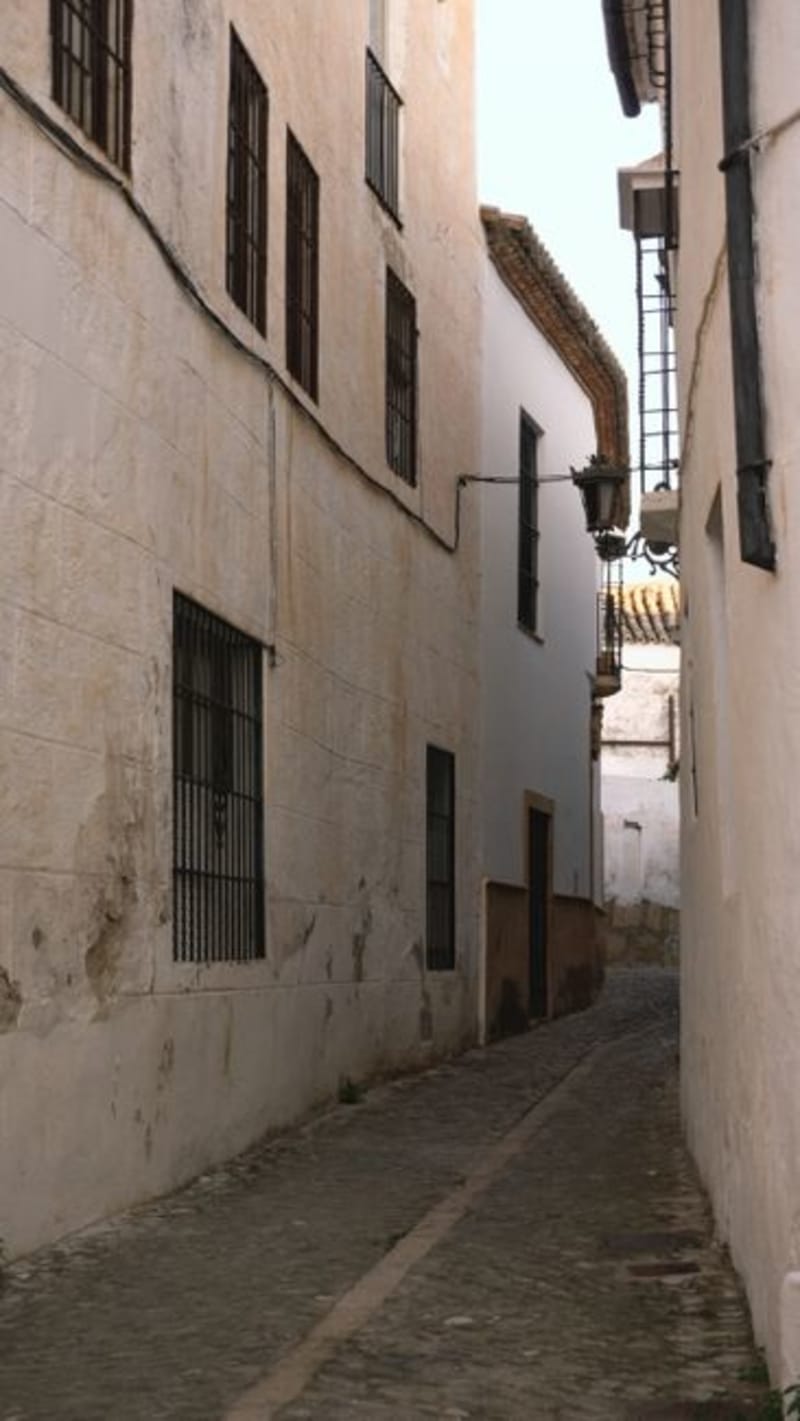 spain
spain Zafra
They call it 'Little Seville' for its whitewashed arcaded squares, but Zafra's real character shows up in a castle where Hernán Cortés once slept before he sailed for Mexico.
Explore spain
spain Zamora
A small city on the Duero with more Romanesque churches per capita than anywhere in Spain, and a silence in its streets that feels almost deliberate.
Explore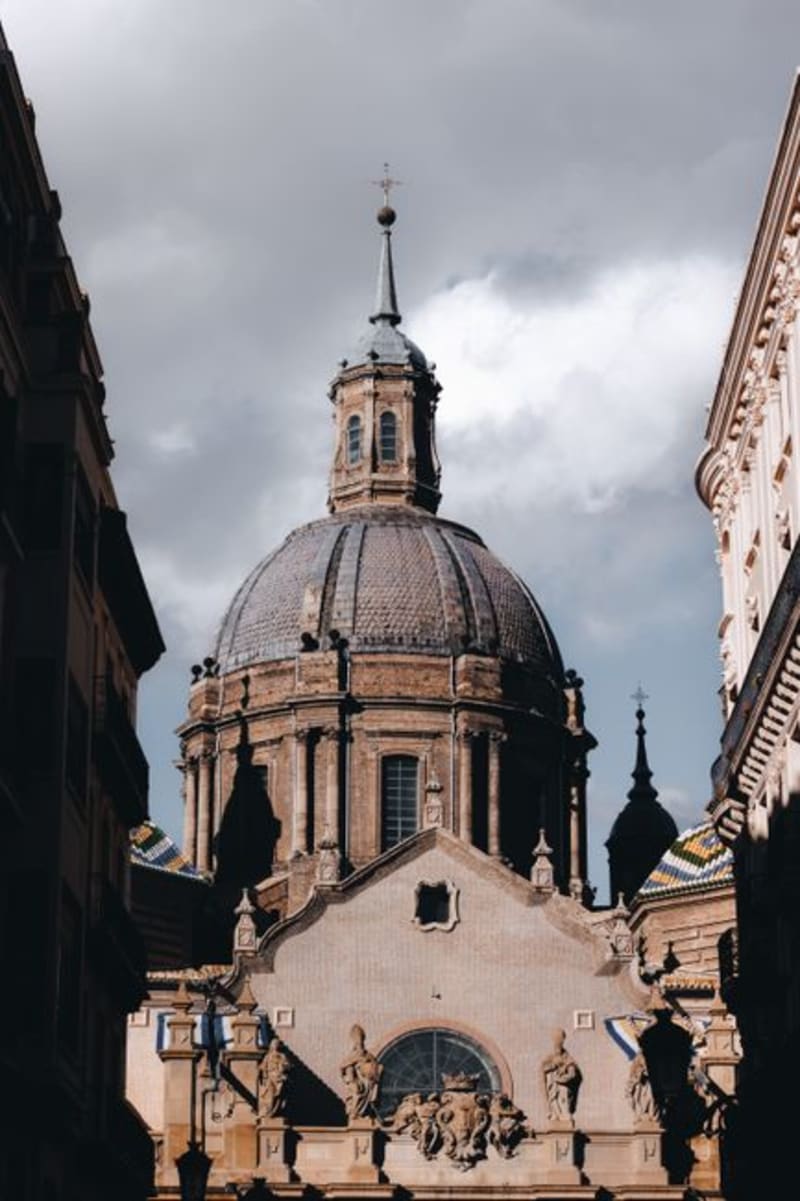 spain
spain Zaragoza
A river city where a Roman forum, a Moorish palace, and a baroque basilica sit within walking distance of each other, none of them apologizing for the others.
Explore