
A jagged mountain of rock towers where monks have prayed for a thousand years, and where a black Madonna watches over the strangest skyline in Catalonia.

The cable car swings up from the valley floor and for a few minutes you’re just dangling over pine forest and scree, and then the rock walls close in around the car and you understand why this mountain has its own name for its own geology. Montserrat means “serrated mountain” in Catalan, and it earns the name honestly — hundreds of rounded stone fingers, worn smooth over millions of years by wind and rain acting on conglomerate rock, rise in clusters that look less like a mountain range than like something poured from a great height and left to harden.
The Black Madonna
The monastery itself, a Benedictine community founded in the eleventh century, sits tucked into a shelf on the mountainside at just over 700 metres, as if the builders wanted shelter from the peaks without giving up the view. I queued with a quiet crowd of pilgrims and tourists alike to see La Moreneta, the small wooden statue of the Virgin blackened by centuries of candle smoke and age, housed above the basilica’s altar. Legend places its discovery in a cave on the mountain in the ninth century; documented history has it becoming Catalonia’s most important religious symbol by the Middle Ages, patron saint of the region. You don’t get long in front of her — the line keeps moving — but I watched a woman ahead of me reach out and touch the orb in the statue’s hand, a gesture worn into ritual by generations of hands before hers, and something about that small, repeated human motion moved me more than the statue itself did.

Above the Monastery
What most visitors miss, rushing back down on the first cable car, is the hiking above the monastery itself. A funicular climbs further up to Sant Joan, and from there a network of trails threads between the rock towers to hermitages abandoned centuries ago — Santa Cova, where the Madonna was supposedly found, and further chapels wedged into impossible ledges by monks seeking real solitude. I walked out along the ridge toward Sant Jeroni, the mountain’s highest point, with the monastery shrinking below and the whole Catalan plain opening out beyond it — on a clear day you can supposedly see the Pyrenees to the north and Mallorca out over the sea, though the haze didn’t cooperate for me. The silence up there, broken only by wind moving through the rock formations, felt like the actual point of the mountain, more than the basilica below it.

If you time it right, you can also catch the Escolania, one of Europe’s oldest boys’ choirs, singing in the basilica — a tradition unbroken since the thirteenth century. I hadn’t planned around it and stumbled into a rehearsal instead, voices bouncing off stone that has absorbed exactly that sound for eight hundred years.
When to go: Weekday mornings, ideally spring or autumn, let you beat both the midday tour-bus crush from Barcelona and the summer heat on the exposed upper trails.
Keep exploring
More from Spain
 spain
spain Morella
A medieval walled town on a volcanic rock, ringed by two kilometres of intact ramparts and truffle-scented mountain air.
Explore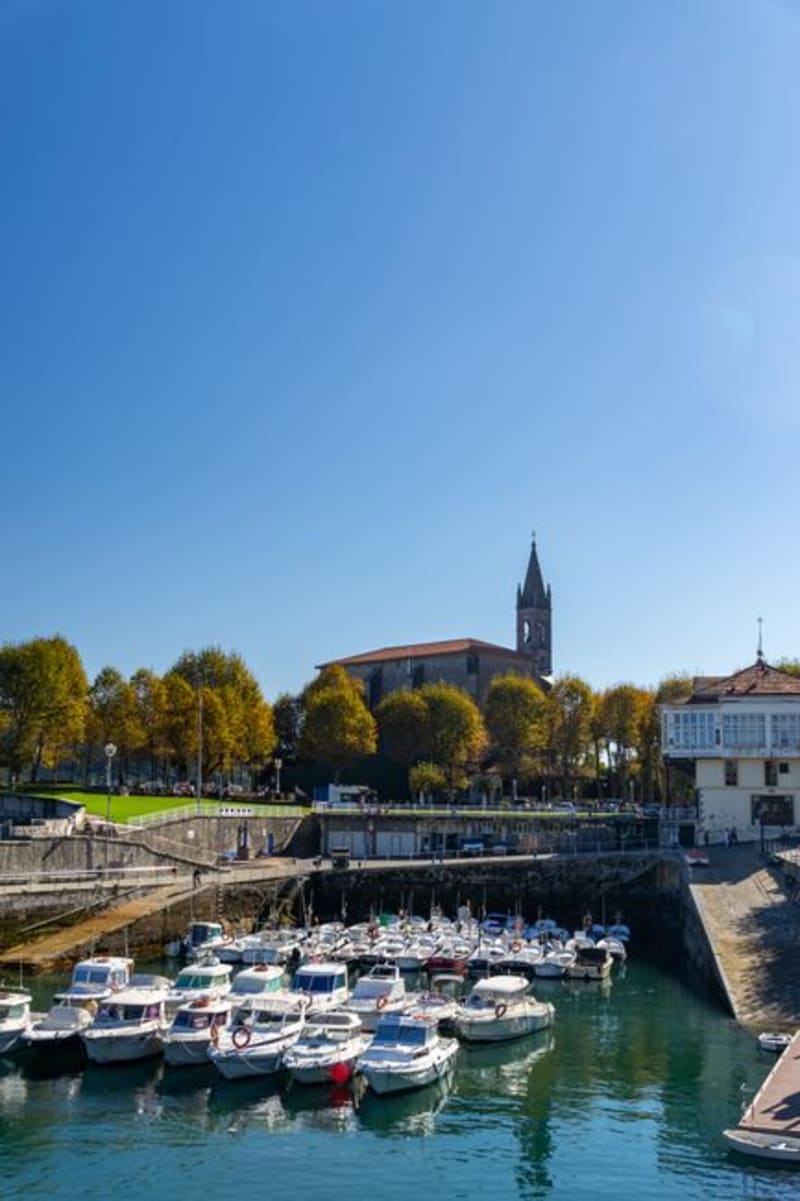 spain
spain Mundaka
A tiny estuary village where one of the world's best left-hand waves breaks beside a medieval church, and surfers and fishermen have somehow learned to share the same harbor.
Explore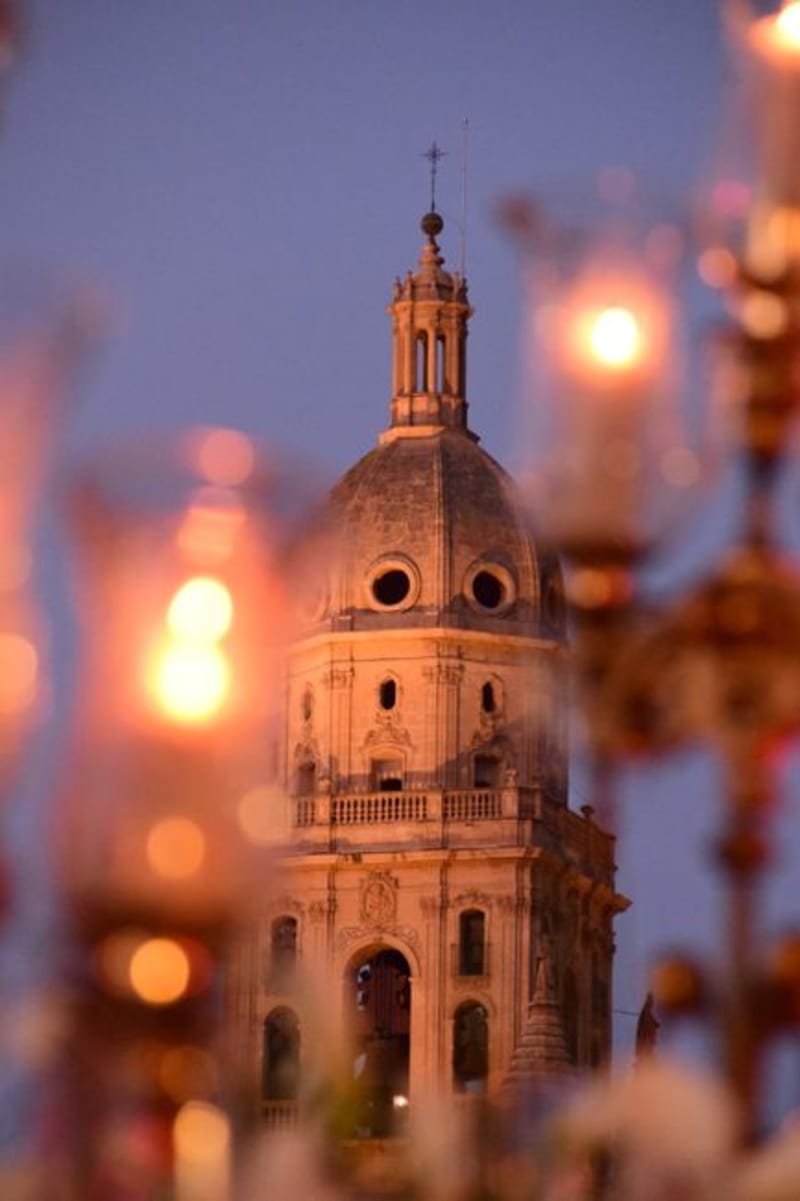 spain
spain Murcia
A baroque cathedral, an orchard the Moors called the Huerta, and a city that never quite bothered to become famous for either — Murcia rewards the traveler who stops asking why they came.
Explore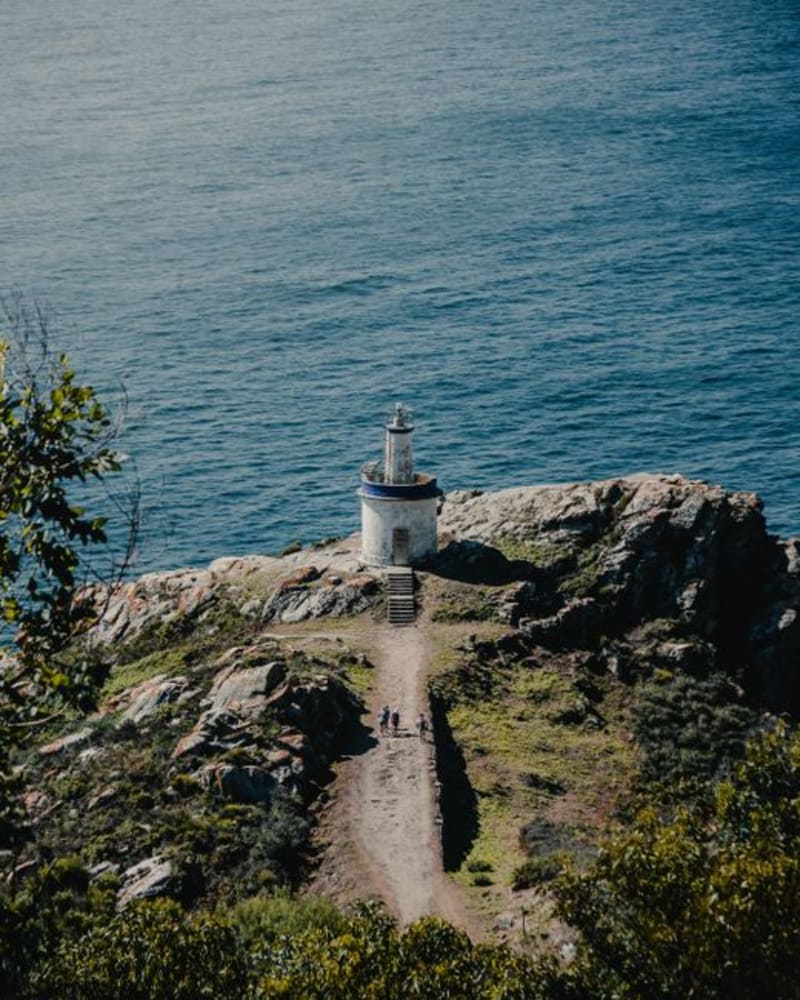 spain
spain Muxía
A wind-scoured fishing village at the true end of the Camino, where a granite sanctuary sits so close to the Atlantic that storms have cracked it open.
Explore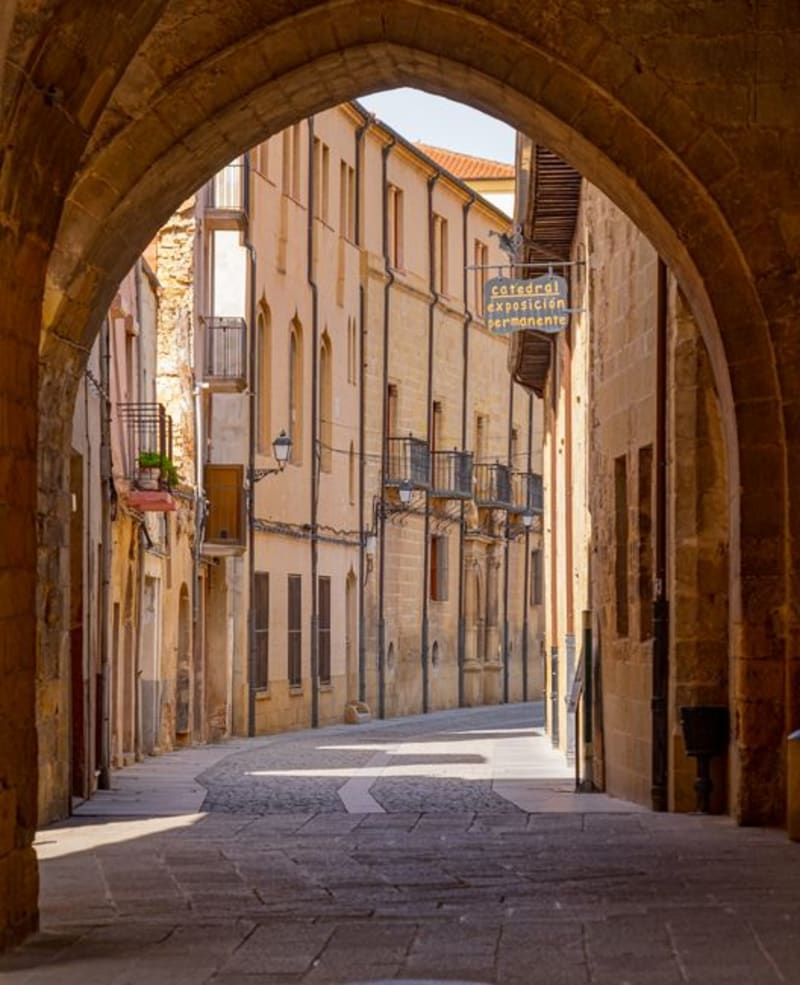 spain
spain Nájera
A former Navarrese capital cut in two by the Najerilla river, where a monastery carved into a red sandstone cliff holds the tombs of medieval kings most visitors have never heard of.
Explore spain
spain Nerja
A whitewashed balcony town on the Costa del Tropical, where a cliffside walkway and a cave full of stalactites keep the crowds honest and the light impossibly clean.
Explore