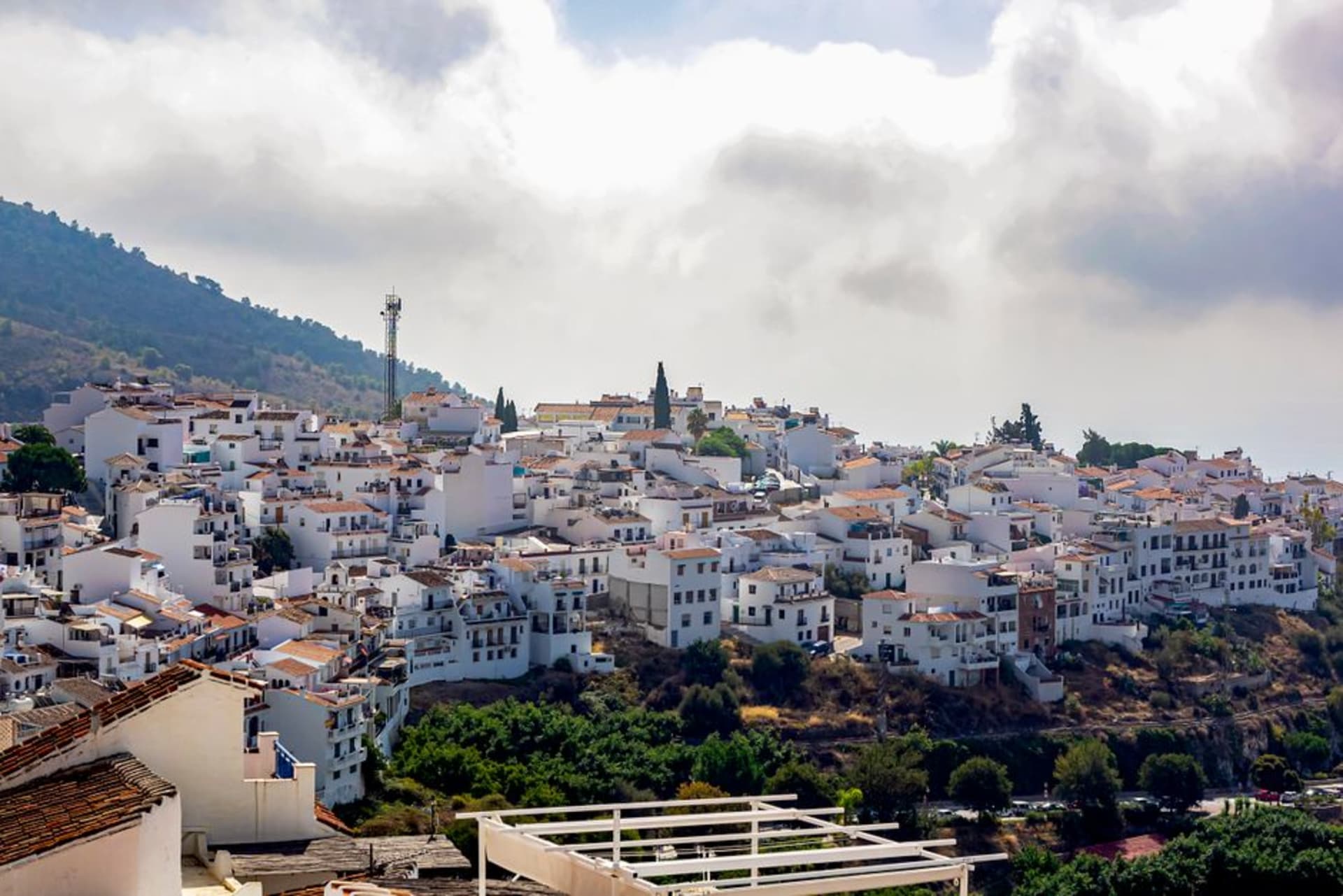
Frigiliana
"Frigiliana is prettier than a village with this much blood in its history has any right to be."
A steep white village above the Costa del Sol that hides one of Andalusia's last Morisco battle sites behind its flower pots and cobblestones.
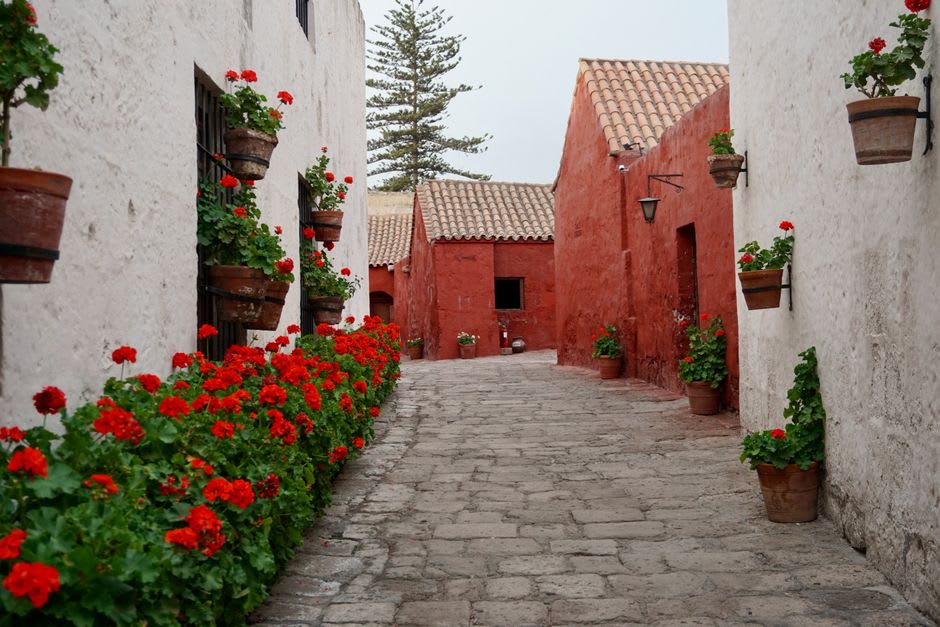
Everyone who visits Frigiliana photographs the same thing: a cobbled alley climbing between whitewashed walls, terracotta pots spilling geraniums, a wrought-iron lantern hanging just so. It’s become something of a cliché of Andalusian tourism, and I’ll admit I took that photo too, more than once, because the village genuinely is that photogenic — repeatedly voted one of the prettiest in Spain, and it’s hard to argue once you’re standing in the Barribarto, the old Moorish quarter that spirals up the hillside above Nerja. But I came away from Frigiliana more interested in what the prettiness was built over than in the prettiness itself.
What the Flower Pots Are Standing On
In 1569, Frigiliana was the site of one of the last and bloodiest engagements of the Morisco Rebellion — the revolt of Muslims forcibly converted to Christianity after the fall of Granada, who rose up across the Alpujarras against increasingly harsh royal decrees banning their language, dress, and customs. Thousands of Moriscos from the surrounding villages retreated to the Peñón de Frigiliana, a rocky outcrop above the town, and were besieged and largely massacred by royal troops. Walking up toward that hill on a quiet morning, past gardens and a small municipal cemetery, it was hard to reconcile the violence of that history with how gentle the village feels now — cats sleeping on warm stone steps, the smell of jasmine drifting from someone’s courtyard. The Barribarto’s street plan itself is essentially unchanged since the Moorish period: tight, deliberately irregular, built for shade and defense rather than traffic.
I stayed the better part of a day just wandering that old quarter, where many houses still display small ceramic tiles set into the walls, illustrated panels recounting local history and poetry — a low-key open-air museum that most visitors walk past too quickly to read. The village also has a genuine claim to a specific local product: Frigiliana has produced miel de caña, cane syrup, for centuries at one of the last working mills of its kind in Europe, a holdover from the sugarcane cultivation the Moors introduced to this coast long before tourism arrived.
Above the Coast, Not Of It
Frigiliana sits about six kilometres inland and uphill from Nerja, high enough that the Mediterranean shows up only as a silver strip on the horizon, and that slight remove matters. It gets busy — day-trip buses from the coast arrive by mid-morning — but by five or six in the evening, when the tour groups have retreated back down to the beaches, the village returns to something closer to its actual self. I climbed up to the Plaza de la Iglesia as the light went low and gold over the Sierra de Almijara behind the town, the mountains that gave the besieged Moriscos their last, doomed refuge, and the whole scene felt less like a postcard and more like a place still quietly carrying what happened to it.
When to go: Visit in April or May for wildflowers in the surrounding hills and comfortable hiking weather, or arrive very early morning any season to see the village before the coastal day-trippers do.