
Cuenca
"I have stayed in rooms with a view. I have never stayed in a room that was the view, hanging off a cliff over a gorge."
A medieval city stacked on a knife-edge of rock between two river gorges, famous for the casas colgadas — houses that hang over the void.

Cuenca is not on the way to anywhere, which is precisely why we went. It sits up in the hills of Castilla-La Mancha between Madrid and Valencia, and most people blur past it on the high-speed train without ever climbing into the old town. That is their loss. We came up from the modern lower town in the late afternoon, the road steepening with every turn, until we crested the ridge and the medieval city revealed itself: a tangle of tall, narrow houses crammed onto a spine of rock barely wide enough to hold them, with sheer gorges falling away on both sides.
The Houses That Hang
The famous sight is the casas colgadas — the hanging houses — a row of medieval dwellings whose wooden balconies project straight out over the lip of the Huécar gorge, with nothing beneath them but air and, far below, the river. They are the kind of thing that looks photoshopped until you are standing under them. One now holds the Museo de Arte Abstracto Español, and stepping out onto one of those cantilevered balconies, feeling the floor extend past the rock into open space, produced in me a very specific and undignified swirl of vertigo. Lia, who is braver than me about heights, leaned right out over the rail and laughed at my face.

The best view of them, oddly, is not from the houses but from the far side of the gorge, reached by the Puente de San Pablo — a narrow iron footbridge slung high across the ravine, which sways just enough to make the crossing memorable. From the middle of it the whole hanging town stacks up in front of you, the houses balanced impossibly on the cliff, the gorge plunging away below your feet. I crossed it twice. The second time I even let go of the railing.
A City of Two Gorges
What I had not expected is how steep and quiet the rest of the old town is once you leave the famous balconies behind. Cuenca is squeezed between two rivers — the Huécar and the Júcar — and the streets climb and twist along the narrow rock between them, opening suddenly onto little plazas where old men sit and pigeons wheel. We climbed to the ruins of the castle at the top as the sun dropped, and the whole improbable city glowed orange beneath us, both gorges filling with blue shadow.

We ate that night at a tiny place near the cathedral that served morteruelo — a warm, almost paté-like game stew that is the local obsession and tastes far better than its grey-brown appearance promises — and zarajos, lamb tripe wound around vine shoots, which I enjoyed more than Lia did. Cuenca rewards staying the night. The day-trippers vanish by six, and the hanging houses lit up against the dark gorge are worth the climb alone.
When to go: Spring and autumn are kindest — the high Castilian summer is fierce and the winters genuinely cold. Stay overnight in the old town if you can; the city after dark, emptied of crowds and floodlit above the gorges, is when it becomes unforgettable.
Keep exploring
More from Spain
 spain
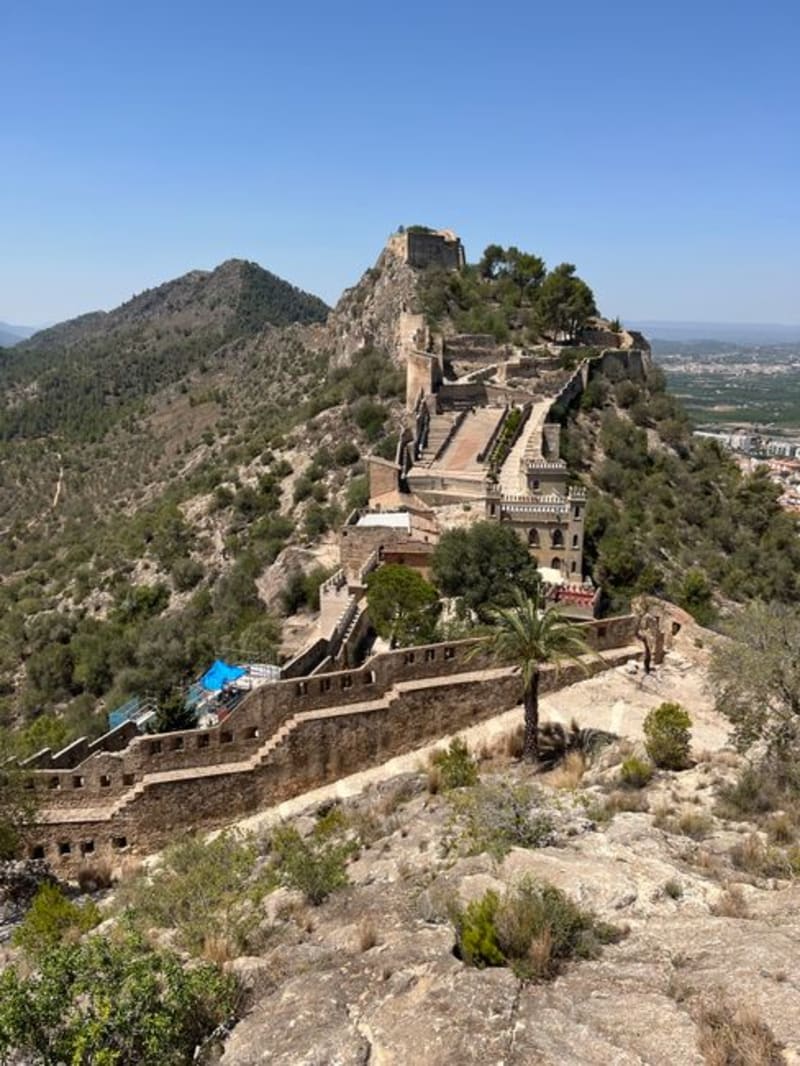
spain Dénia
A port town where a Moorish hilltop castle watches over a working fishing fleet and the best rice on the Costa Blanca.
Explore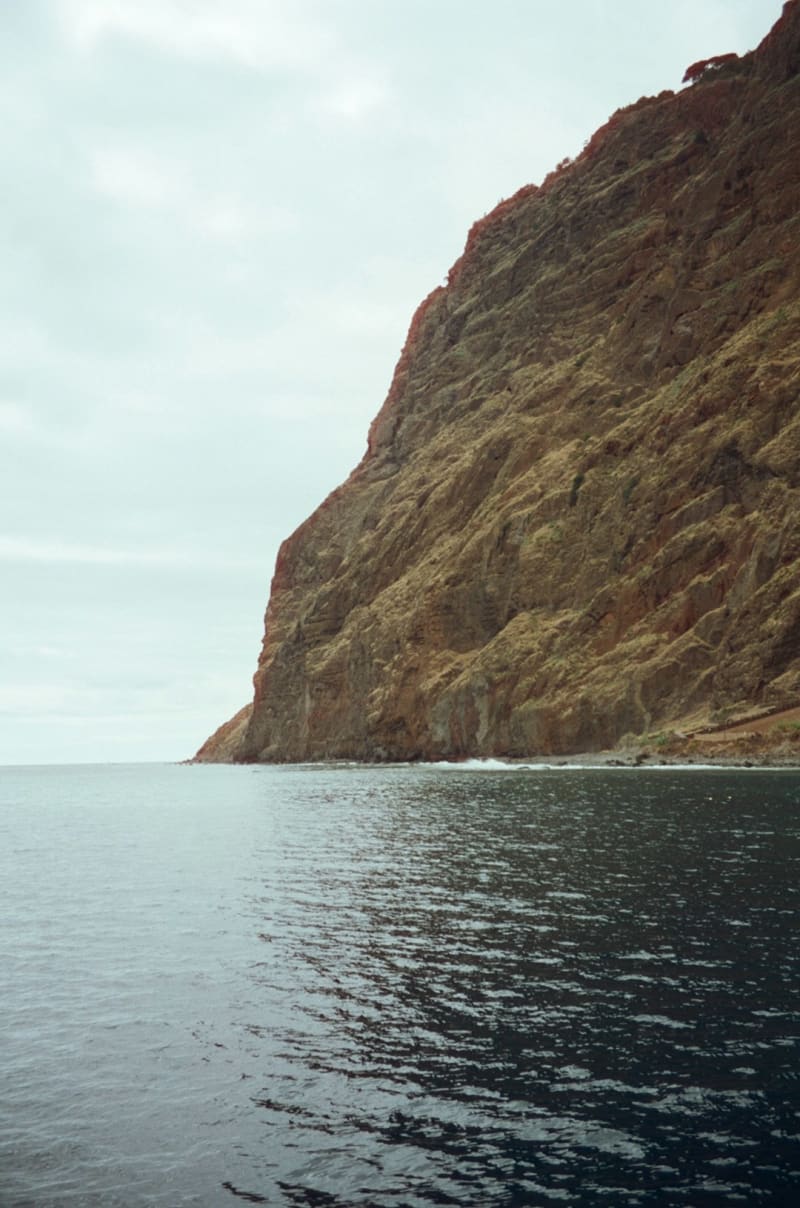 spain
spain El Hierro
The smallest, westernmost, and least-visited of the major Canary Islands — once believed to mark the literal edge of the known world.
Explore spain
spain Figueres
Dalí was born here and built his own tomb-museum here, a red fortress topped with giant eggs that turns the whole idea of a museum into one long joke with a straight face.
Explore spain
spain Formentera
No airport, no big hotels, no hurry — Formentera is what the rest of the Balearics might have stayed if the ferry crossing were just a little less convenient.
Explore spain
spain Frias
Spain's smallest officially titled city, stacked on a rock above the Ebro with a hanging quarter that defies gravity.
Explore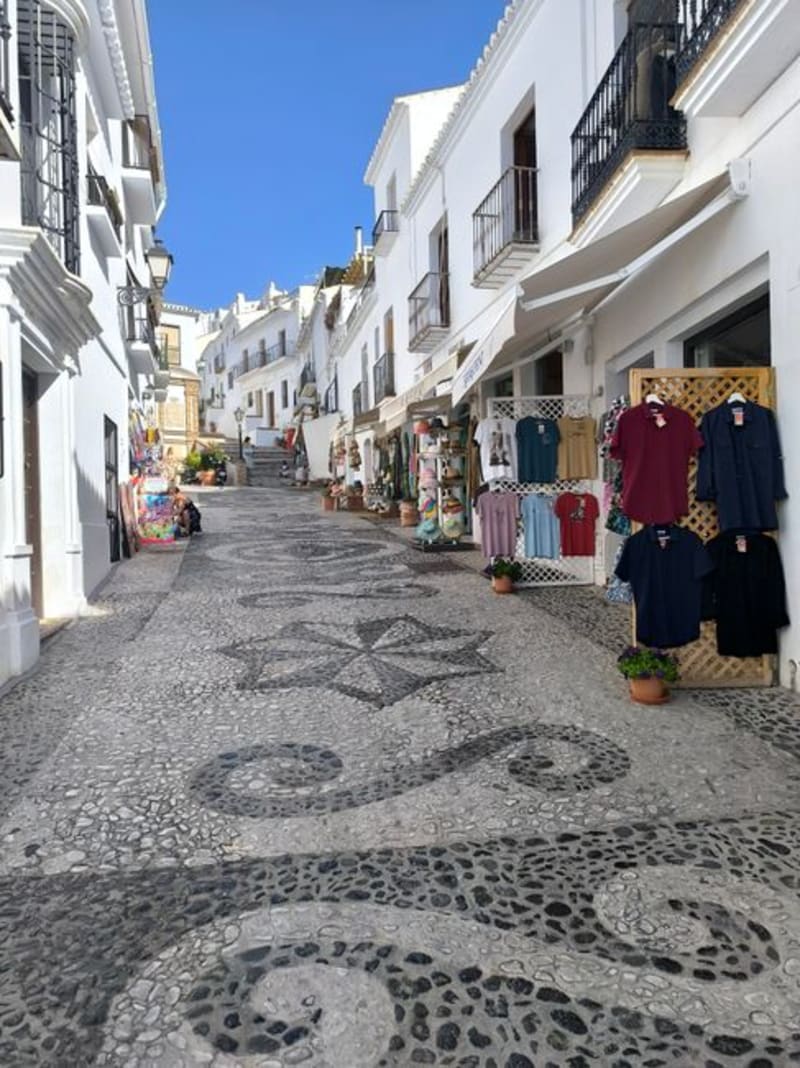 spain
spain Frigiliana
A steep white village above the Costa del Sol that hides one of Andalusia's last Morisco battle sites behind its flower pots and cobblestones.
Explore