Africa
South Sudan
"The place where Africa feels least managed and most itself."
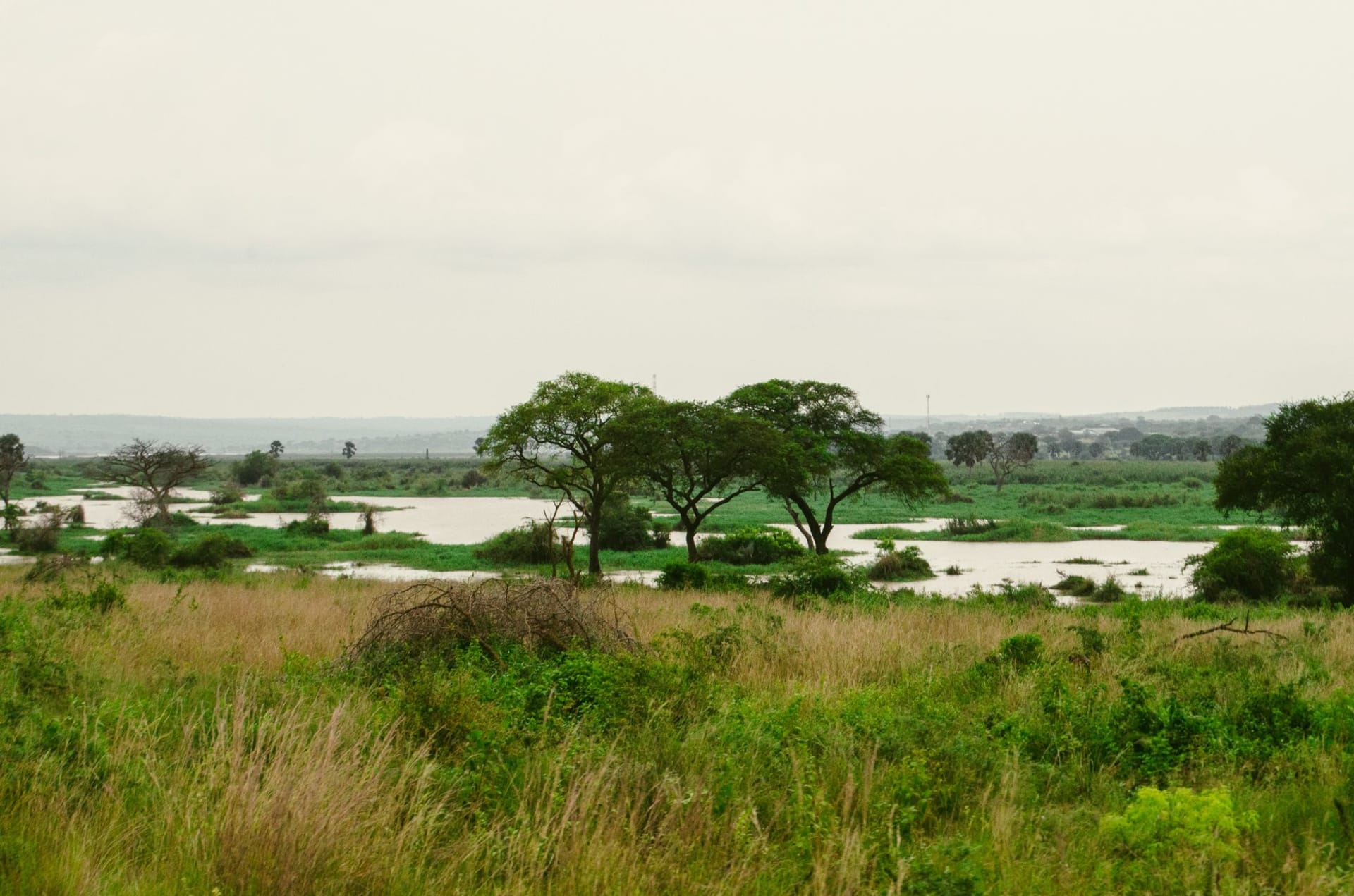
The world's newest country wears its contradictions openly — vast papyrus swamps teeming with wildlife, cattle-herding Dinka walking ancient routes, and the White Nile cutting south through it all with total indifference to human borders.

I flew into Juba on a prop plane from Nairobi, and the city announced itself before I even landed — red laterite roads carved through scrub bush, the White Nile a silver ribbon below, and not a single skyscraper. Juba is a capital city in the way a tent is a house: technically correct, but the form is still being figured out. The airport is small, the visa queue is long, and by the time I stepped outside into the equatorial heat and found a motorbike taxi, I felt the particular excitement of being somewhere that has not yet been packaged for export.
South Sudan became independent in 2011, the newest country on earth, and the history since then has been difficult — civil war, food insecurity, displacement. I knew that before I went, and I want to be honest: traveling here is not casual. But the country that exists beyond the headlines is one of the most ecologically spectacular places I have ever stood in. The Sudd — a permanent inland delta of the White Nile roughly the size of England — is one of the largest tropical wetlands on the planet. During the dry season, over a million antelope move through it in what is believed to be the largest land mammal migration in the world. There are no tourist lodges. There are no crowds. There is just grass, water, sky, and more life than most national parks could dream of.
The Dinka and Nuer pastoralists have managed this landscape for centuries. Watching a Dinka man move through Juba — tall, cattle-colored, wearing the horizontal forehead cuts of his lineage — you understand that you are in a country where the dominant culture did not come from outside. The food in the market stalls follows suit: roasted goat, sorghum porridge with peanut sauce, grilled tilapia pulled directly from the Nile. Nothing curated for foreign taste. Everything honest.
When to go: November to March, the dry season, when the roads are passable and the Sudd migrations are at their peak. Avoid April through October — roads flood, the Sudd becomes impassable, and movement outside Juba is extremely difficult. Even in dry season, travel outside the capital requires planning, local contacts, and realistic expectations.
What most guides get wrong: They do not write about it at all, or they reduce it entirely to its conflict. South Sudan is not a war zone you visit — it is a country in difficult transition that also contains some of the rarest, least-disturbed wilderness in Africa. The Sudd migration rivals the Serengeti’s wildebeest crossing in scale and has been seen by a fraction of a fraction of the travelers who pay thousands of dollars to watch it happen in Kenya. The difficulty of getting there is real, but so is what waits on the other side of it.
Explore
Places in South Sudan
 south-sudan
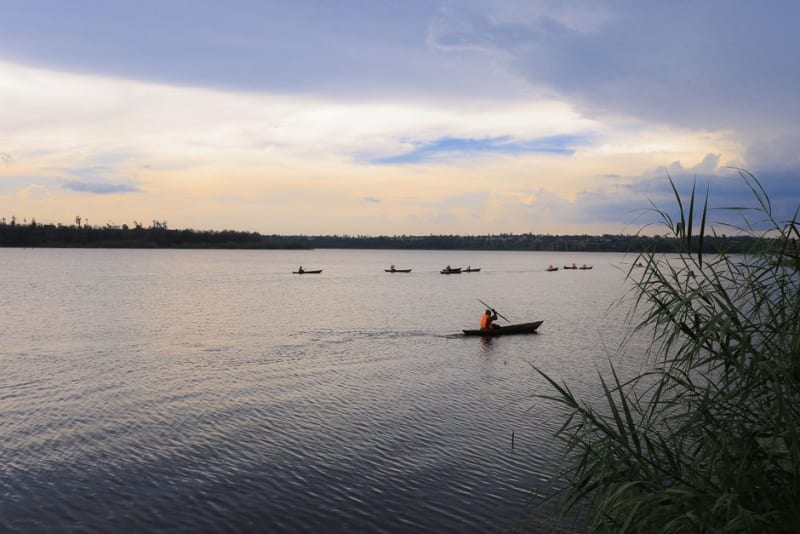
 Akobo
A remote riverside town along the Akobo River near the Ethiopian border, reachable mostly by air, where cattle culture and the water define everything.
Explore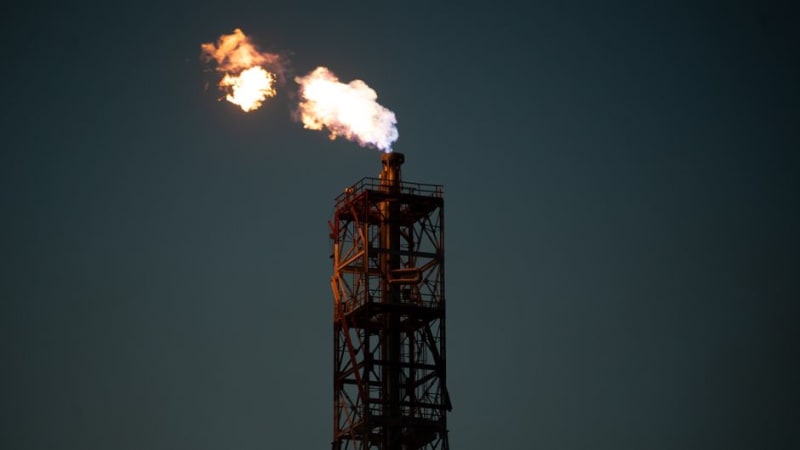 south-sudan
 Bentiu
An oil-region town on the edge of the vast Sudd wetlands, where flare stacks glow at night and the horizon dissolves into marsh.
Explore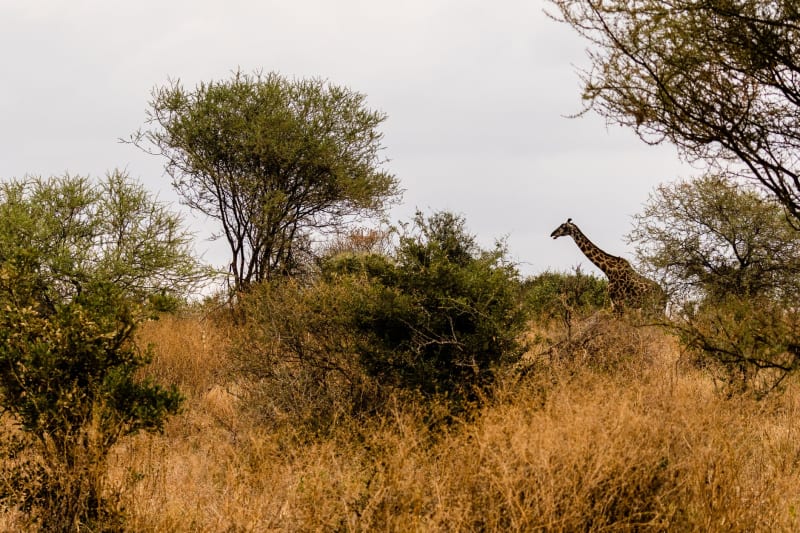 south-sudan
 Boma National Park
A vast, barely-touched expanse of savanna and floodplain in eastern South Sudan that hosts one of the largest land-mammal migrations left on earth.
Explore south-sudan
 Bor
On the east bank of the Nile, Bor is cattle country and Dinka heartland — a town shaped by flood, war, and the profound stubbornness of people who keep returning to a place.
Explore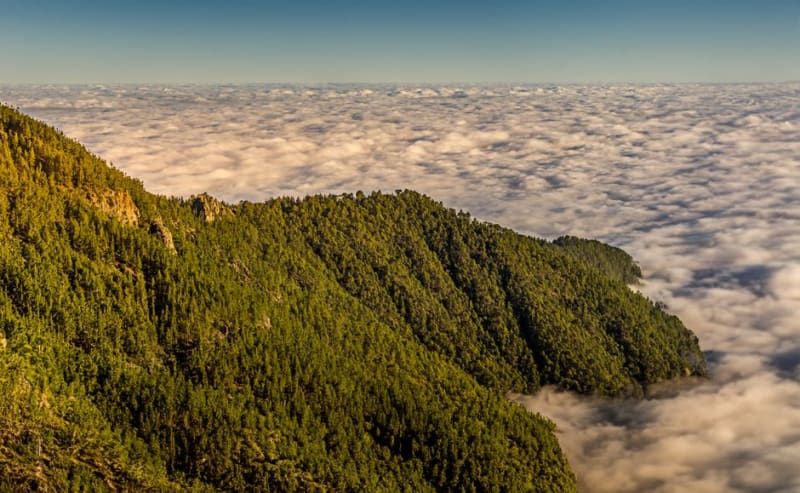 south-sudan
 Imatong Mountains
South Sudan's highest range, cloaked in remnant montane rainforest, where the country's flattest myths quietly fall apart above 3,000 meters.
Explore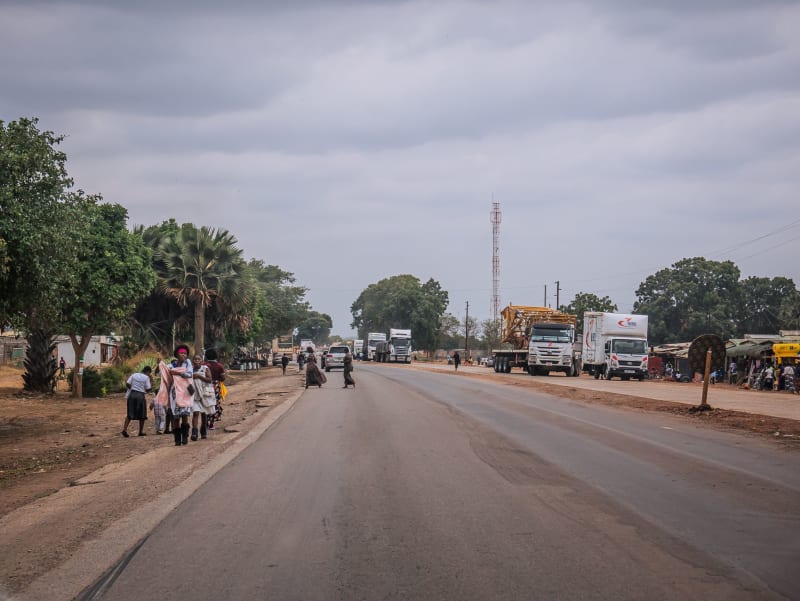 south-sudan
 Juba
The world's newest capital hums with the unfinished business of nationhood — chaotic, sun-hammered, and unexpectedly alive.
Explore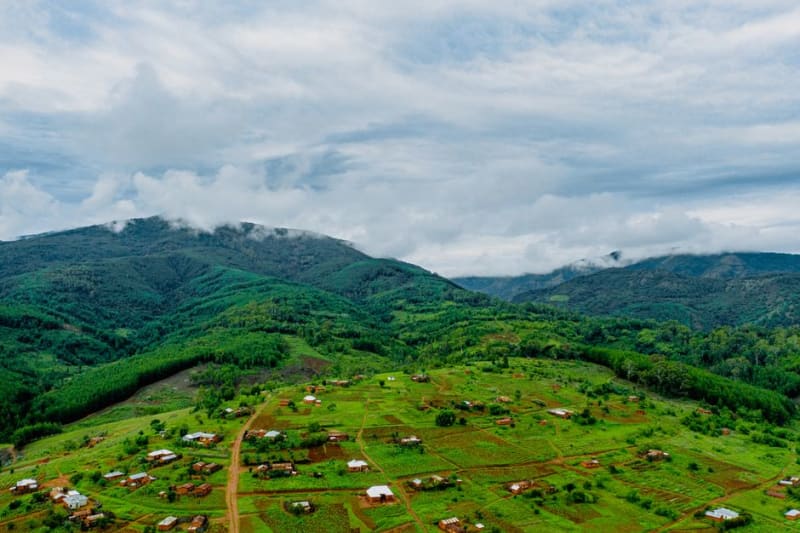 south-sudan
 Kajo Keji
A hilly county on the Ugandan border where the altitude cools the air and the countryside rolls green in a way that feels borrowed from another climate.
Explore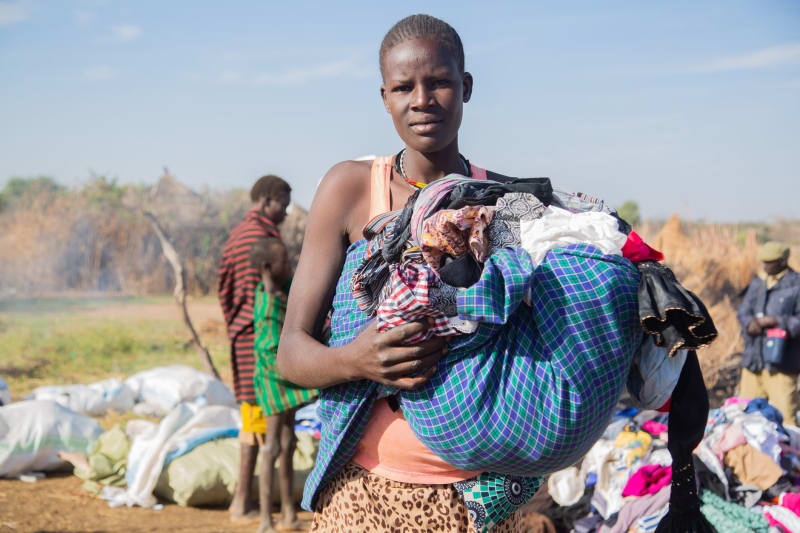 south-sudan
 Kapoeta
At the far southeastern edge of South Sudan near the Kenyan and Ugandan borders, Kapoeta is the heart of Toposa country — a semi-arid trading hub where warriors still carry spears and the cattle markets are the most dramatic in the country.
Explore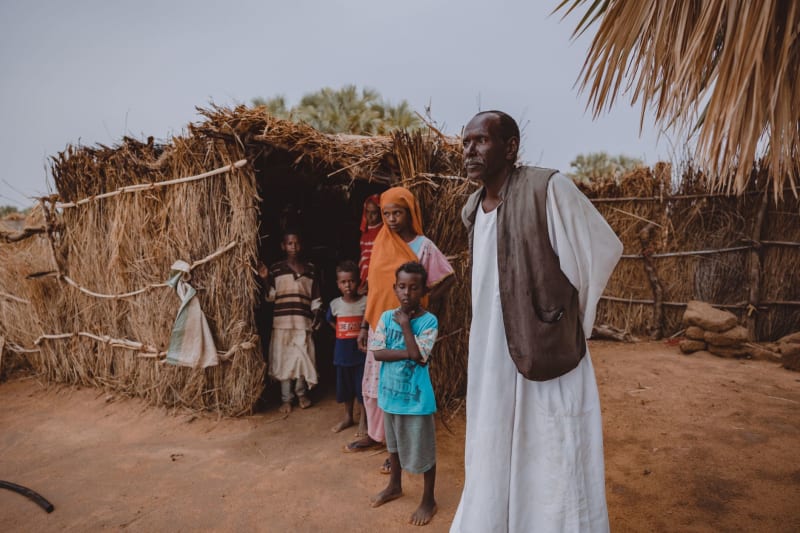 south-sudan
 Malakal
Perched on the White Nile in the Upper Nile region, Malakal is one of South Sudan's oldest river towns — still finding its footing after a decade of disruption, with the river running unchanged through all of it.
Explore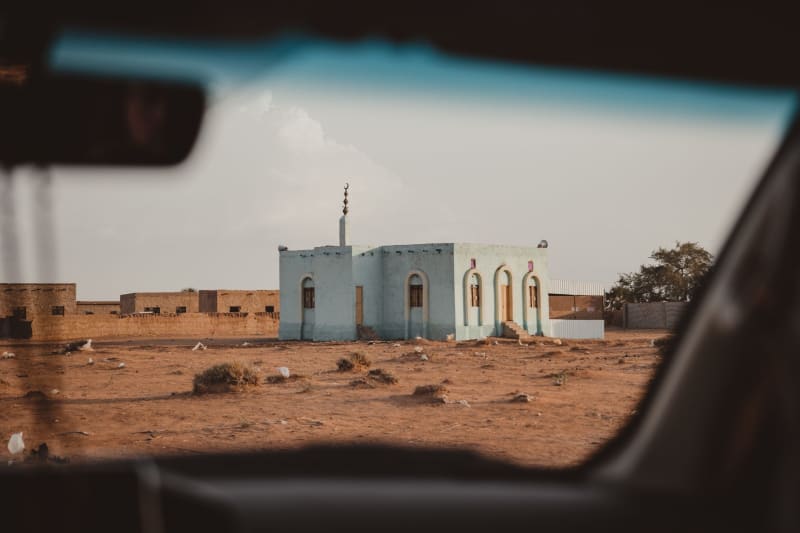 south-sudan
 Mundri
A quiet river town in Western Equatoria where the Nile bends south and the rainforest begins — Mundri is the kind of place that rewards slowing down more than most.
Explore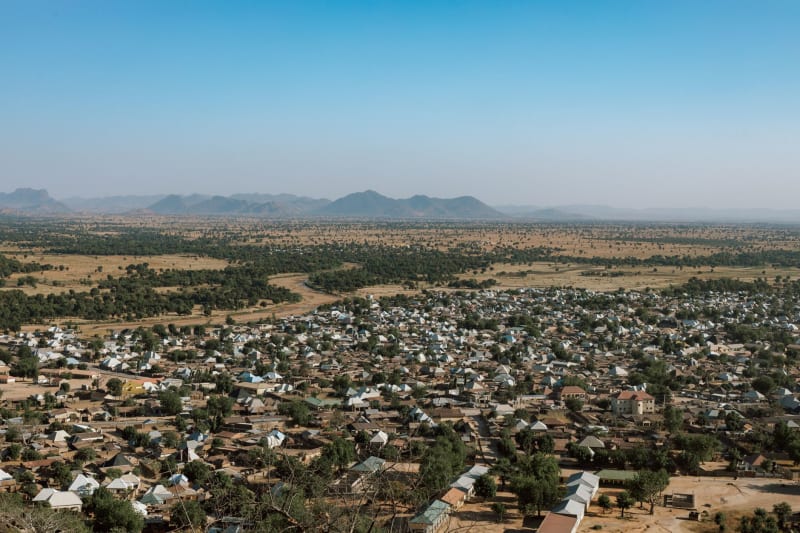 south-sudan
 Nimule
South Sudan's southern gateway sits where the Albert Nile crosses from Uganda — a border town with a national park, elephant corridors, and the country's most accessible strip of genuine wilderness.
Explore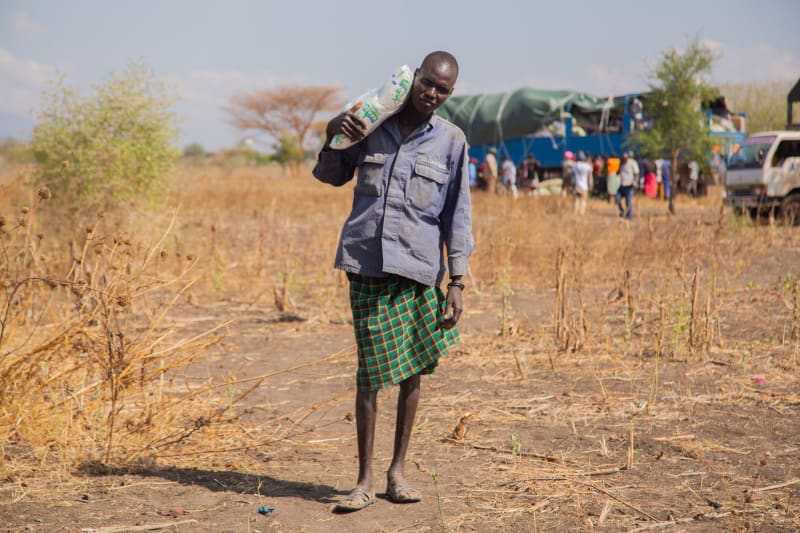 south-sudan
 Rumbek
Capital of Lakes State and the spiritual core of Dinka pastoralism, Rumbek is where the cattle camp tradition meets town life in a tension that is honest, photogenic, and occasionally alarming.
Explore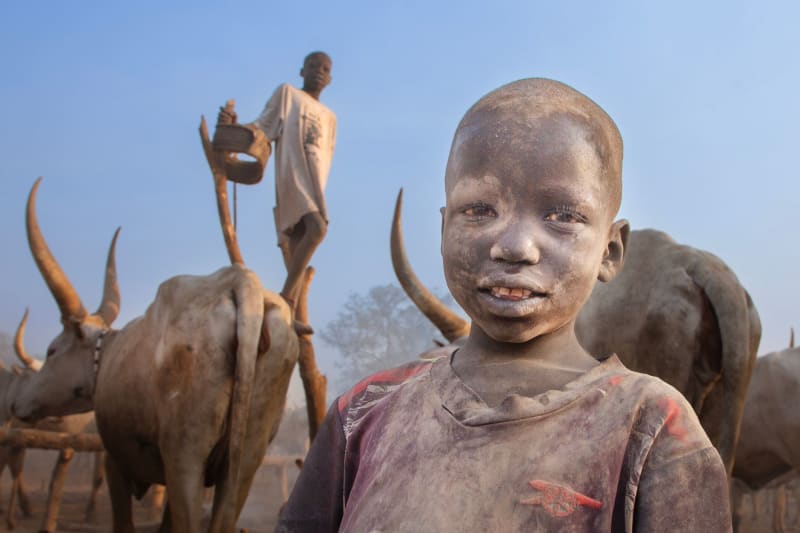 south-sudan
 The Sudd
One of the world's largest tropical wetlands, the Sudd is a half-million square kilometers of papyrus, floating vegetation, and the Nile losing itself — an ecological wonder that operates entirely outside human scale.
Explore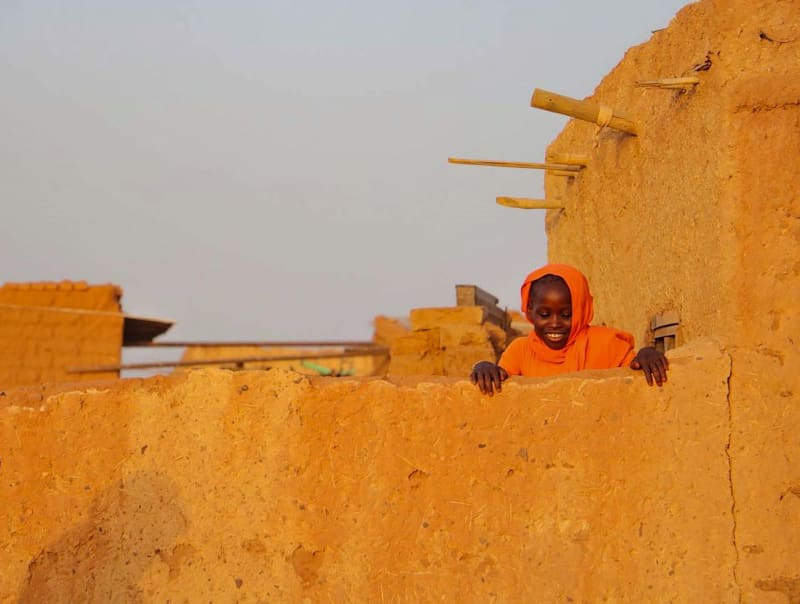 south-sudan
 Torit
Nestled beneath the Dongotono Hills in Eastern Equatoria, Torit is a highland market town with cooler air, Lotuko cattle culture, and a surrounding landscape of granite outcrops and green valleys that feels unlike anywhere else in South Sudan.
Explore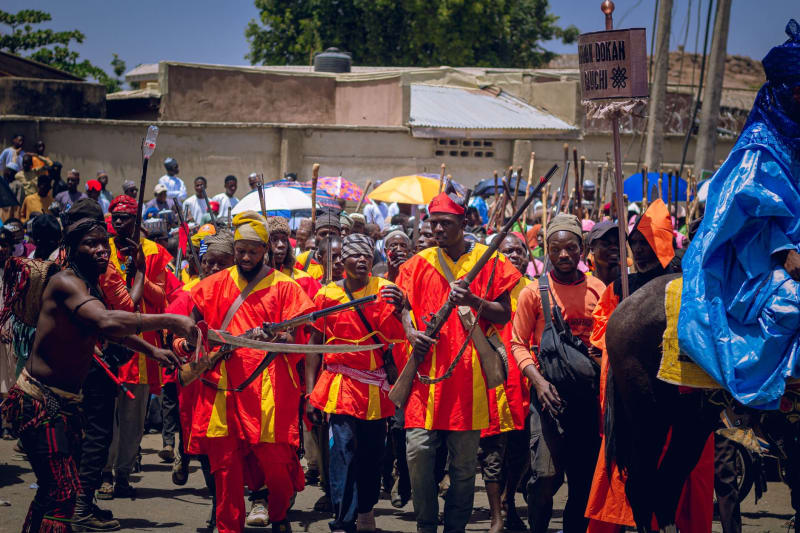 south-sudan
 Wau
The capital of Western Bahr el Ghazal feels like a slower South Sudan — a river town with Catholic mission architecture, mango-shaded streets, and an agricultural hinterland that feeds much of the country.
Explore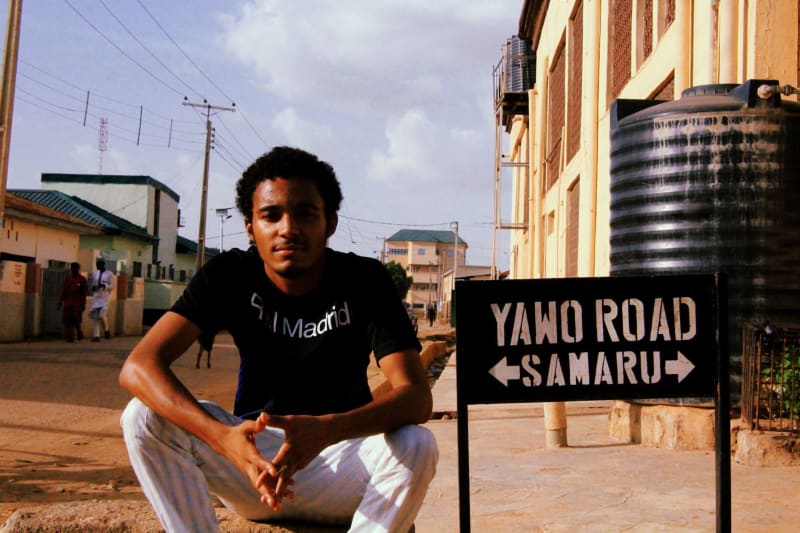 south-sudan
 Yambio
In the lush southwestern corner of South Sudan, Yambio is the green heartland of Azande culture — a town surrounded by rainforest, coffee, and one of the country's most distinct artistic traditions.
Explore