Africa
South Sudan
"The place where Africa feels least managed and most itself."
I flew into Juba on a prop plane from Nairobi, and the city announced itself before I even landed — red laterite roads carved through scrub bush, the White Nile a silver ribbon below, and not a single skyscraper. Juba is a capital city in the way a tent is a house: technically correct, but the form is still being figured out. The airport is small, the visa queue is long, and by the time I stepped outside into the equatorial heat and found a motorbike taxi, I felt the particular excitement of being somewhere that has not yet been packaged for export.
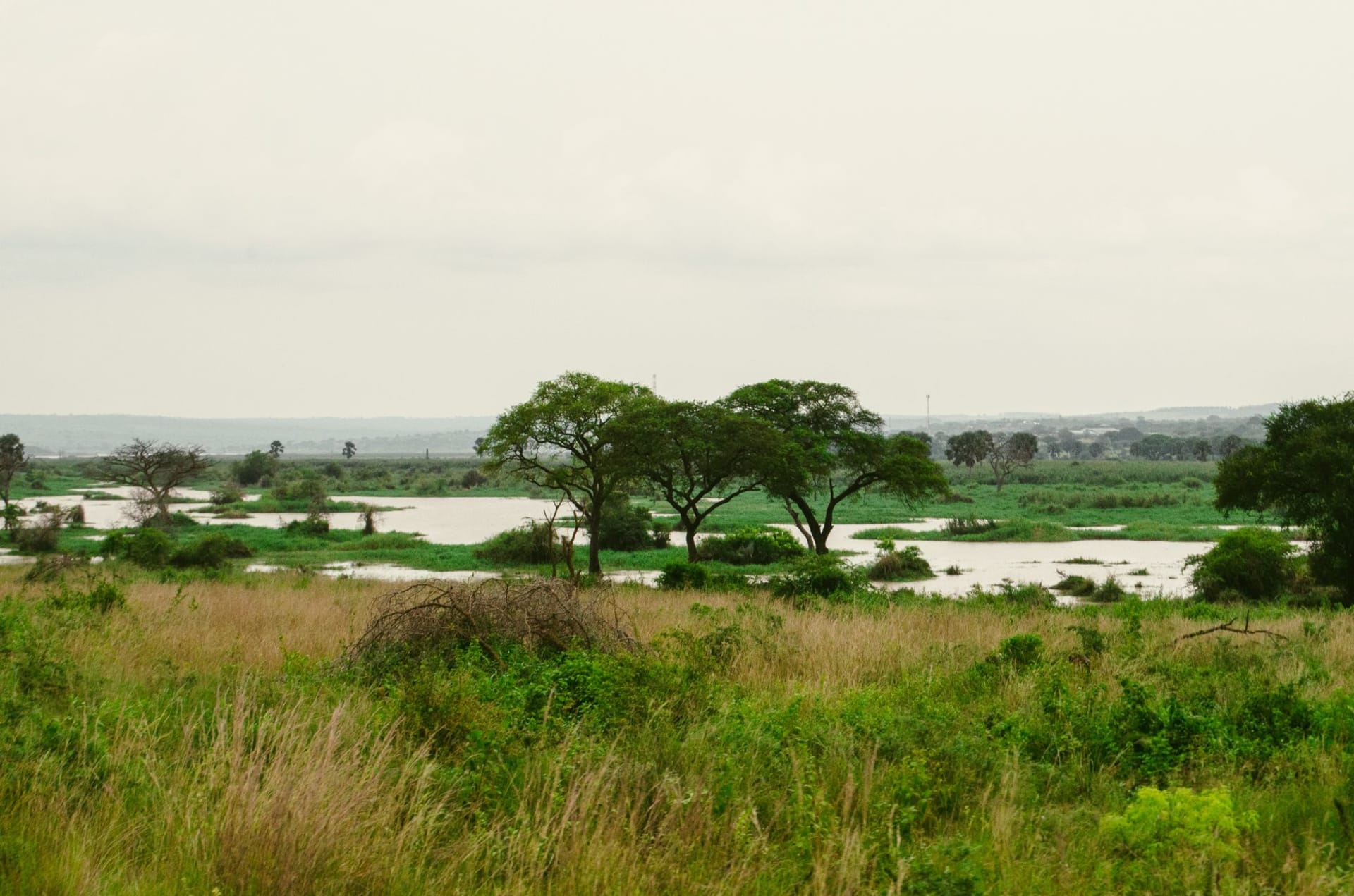
South Sudan became independent in 2011, the newest country on earth, and the history since then has been difficult — civil war, food insecurity, displacement. I knew that before I went, and I want to be honest: traveling here is not casual. But the country that exists beyond the headlines is one of the most ecologically spectacular places I have ever stood in. The Sudd — a permanent inland delta of the White Nile roughly the size of England — is one of the largest tropical wetlands on the planet. During the dry season, over a million antelope move through it in what is believed to be the largest land mammal migration in the world. There are no tourist lodges. There are no crowds. There is just grass, water, sky, and more life than most national parks could dream of.
The Dinka and Nuer pastoralists have managed this landscape for centuries. Watching a Dinka man move through Juba — tall, cattle-colored, wearing the horizontal forehead cuts of his lineage — you understand that you are in a country where the dominant culture did not come from outside. The food in the market stalls follows suit: roasted goat, sorghum porridge with peanut sauce, grilled tilapia pulled directly from the Nile. Nothing curated for foreign taste. Everything honest.
When to go: November to March, the dry season, when the roads are passable and the Sudd migrations are at their peak. Avoid April through October — roads flood, the Sudd becomes impassable, and movement outside Juba is extremely difficult. Even in dry season, travel outside the capital requires planning, local contacts, and realistic expectations.
What most guides get wrong: They do not write about it at all, or they reduce it entirely to its conflict. South Sudan is not a war zone you visit — it is a country in difficult transition that also contains some of the rarest, least-disturbed wilderness in Africa. The Sudd migration rivals the Serengeti’s wildebeest crossing in scale and has been seen by a fraction of a fraction of the travelers who pay thousands of dollars to watch it happen in Kenya. The difficulty of getting there is real, but so is what waits on the other side of it.