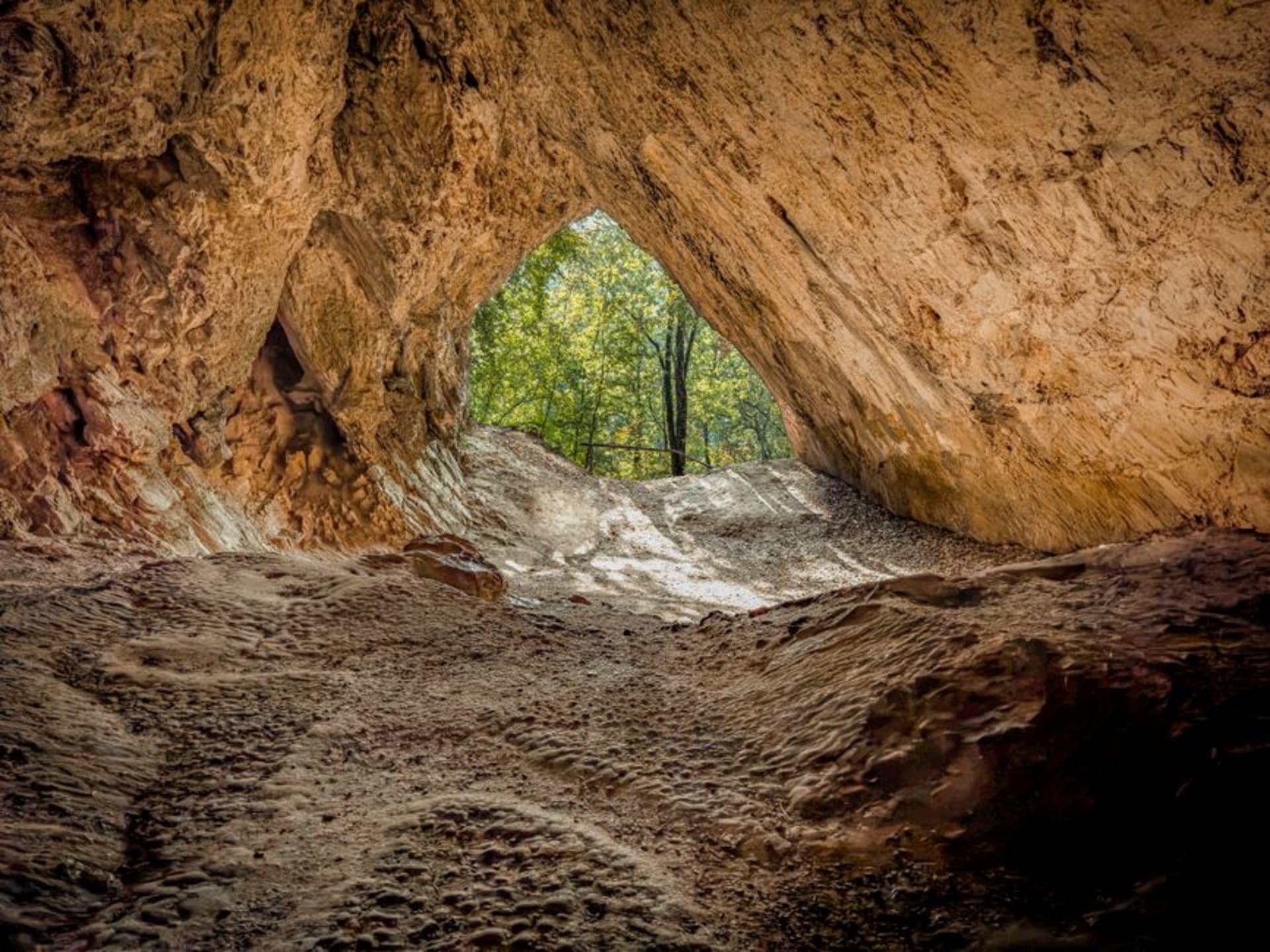
Naracoorte Caves National Park
"We came for caves and left thinking about everything that ever fell into them."
Descending into a UNESCO cave system where giant kangaroos and marsupial lions once fell into the dark, half a million years of fossils underfoot.
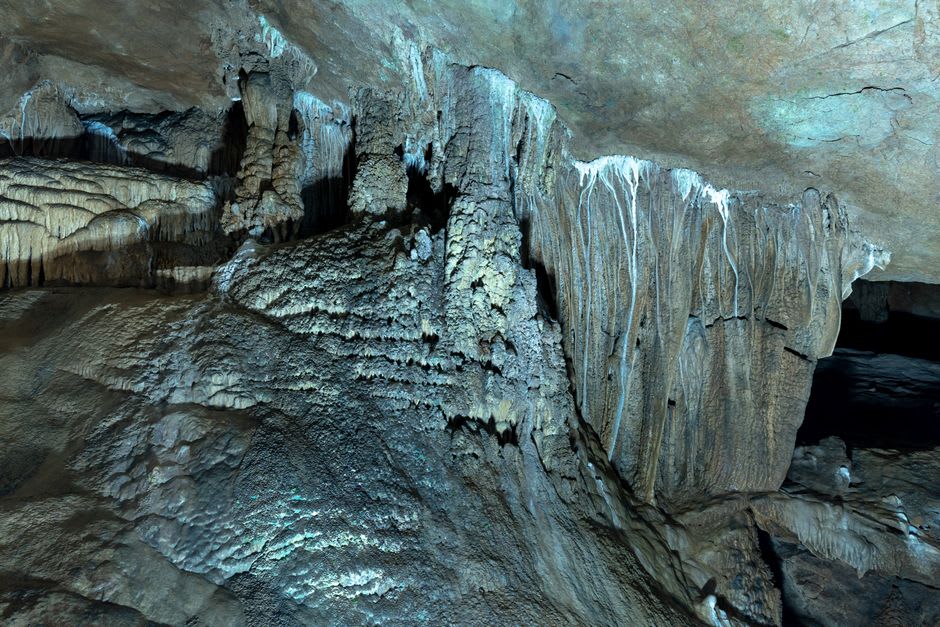
I’ll admit I underestimated Naracoorte. Lia and I drove down from Coonawarra half-expecting a pleasant but forgettable detour — a cave, a gift shop, twenty minutes of stalactites — before we looped back toward the coast. Instead we spent most of a day in the Limestone Coast hinterland, and I came out of Victoria Fossil Cave rattled in the best way, the kind of rattled that comes from realizing the ground under your feet has been quietly recording the last 500,000 years of Australian life. This isn’t just a pretty cave. It’s a UNESCO World Heritage Site, listed in 1994 alongside Riversleigh in Queensland as part of the Australian Fossil Mammal Sites, because of what’s actually embedded in its floors and walls.
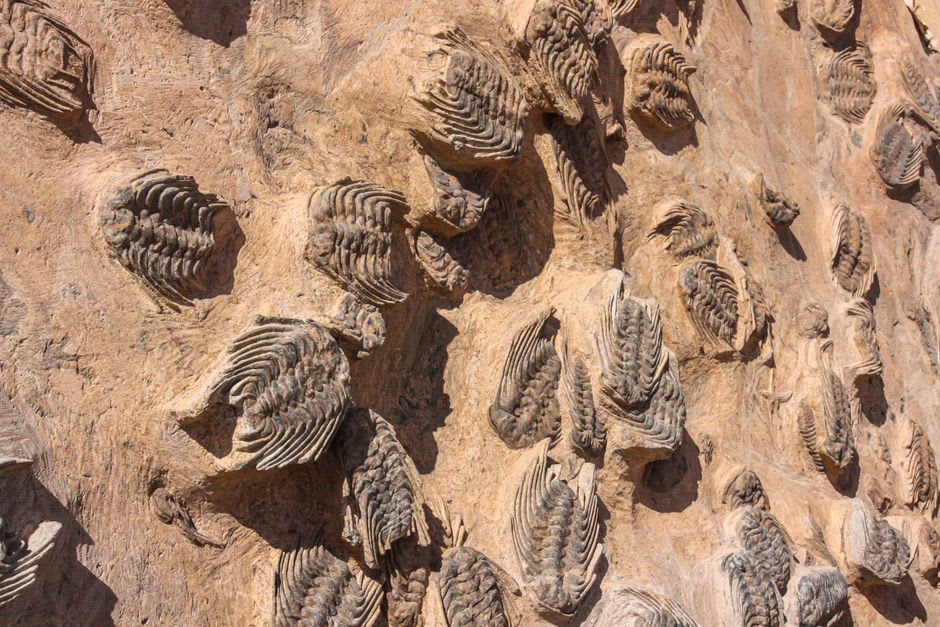
The guided tour of Victoria Fossil Cave, discovered in 1969, is what sold me. Our guide walked us along a boardwalk suspended over an active dig site, pointing out bone deposits still half-buried in sediment — not replicas, not a museum diorama, the real thing, in situ, exactly where animals fell through sinkholes and never climbed back out. She talked us through giant short-faced kangaroos twice the height of anything hopping around today, marsupial lions with retractable claws, and an extinct long-beaked echidna called Zaglossus that I’d genuinely never heard of before that afternoon. Lia kept nudging me every time the guide mentioned a new creature, like we were being let in on a secret the rest of Australia had forgotten to mention.
What stuck with me longest, though, wasn’t the fossils but the bats. Naracoorte’s Bat Cave is one of only two known maternity colonies of the endangered southern bent-wing bat, and even though we didn’t go inside — it’s closed to visitors to protect the colony — just standing near the entrance while our guide described tens of thousands of mothers raising pups in total darkness gave me chills. There’s something about a landscape doing two kinds of ancient work at once: preserving the deep past in limestone and still actively sheltering a fragile present.
We stayed at a small B&B just outside the park and had a simple dinner of grilled lamb and Coonawarra shiraz that night, still talking about marsupial lions over the table. It’s rare that a place makes both of us go quiet with that specific kind of awe — not scenic awe, but time-scale awe.
When to go: The caves hold a steady temperature year-round, so there’s no bad month for the underground tours, but we’d point you toward spring or autumn if you also want to walk the park’s surface trails without dodging summer heat or winter mud.