Oceania
South Australia
"South Australia is where the outback ends and the wine begins — sometimes on the same road."
I arrived into Adelaide on a late-afternoon flight from Mexico City, via Sydney, jet-lagged and disoriented in the particular way that only thirty-odd hours of travel can produce. What I was not expecting was to feel, almost immediately, like I’d landed somewhere genuinely unhurried. Adelaide is a city that doesn’t announce itself. No iconic skyline, no famous harbour. Just wide boulevards, good market stalls, and a food scene that would humiliate cities three times its size. I ate a dozen oysters from Coffin Bay at the Central Market on my first morning and reconsidered everything I thought I knew about Pacific molluscs.
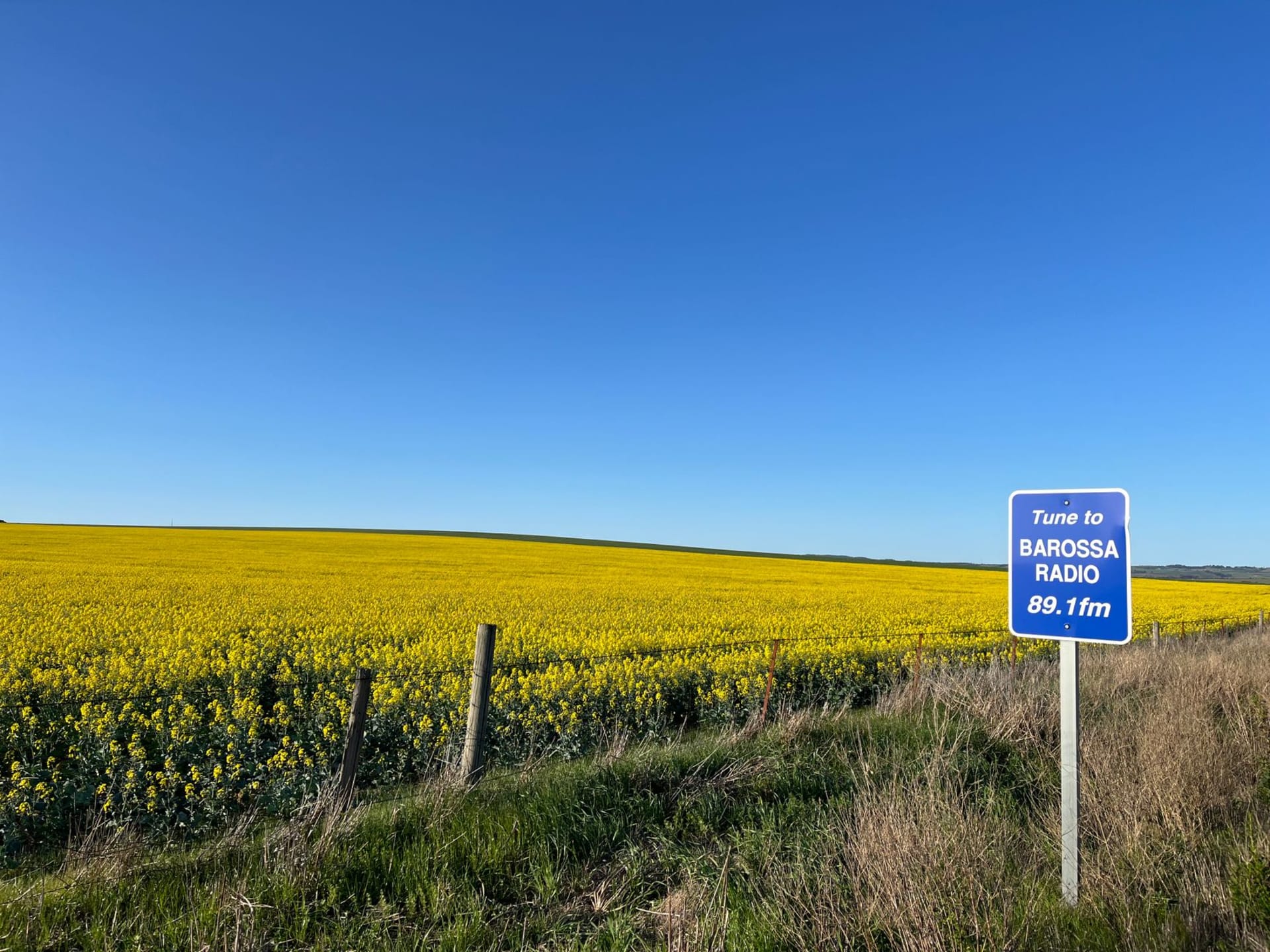
The Barossa Valley sits less than an hour north of the city, and it is one of those places where the reality exceeds the reputation in ways that feel almost unfair. The Shiraz vines are ancient by New World standards — some over 160 years old, gnarled and low to the ground, survivors of every drought the continent has thrown at them. You can taste it in the wine: a density and earthiness that Napa and Bordeaux can replicate but never quite match. I spent two days riding between cellar doors by bicycle, which is the correct pace, and ate a lunch of smoked meats and sourdough at a winery table that I still think about. The Fleurieu Peninsula, an hour south, offers the counterpoint: fishing villages, surf beaches, and a quietness that clears the head.
Further north, the Flinders Ranges are the reason to stay longer than most itineraries suggest. This is ancient country — five hundred million years of geology compressed into gorges, ridgelines, and the great amphitheatre of Wilpena Pound, a natural basin that Indigenous Adnyamathanha people have known as living country for tens of thousands of years. I hiked into Wilpena at dawn, before the day heated beyond reason, and stood in a silence so complete it felt like the landscape was holding its breath. Kangaroos watched from the scrub with the specific indifference of animals that have never needed to fear anything much.
When to go: March through May and September through November are the sweet spots — mild enough for the Flinders Ranges, warm enough for the peninsula beaches, and harvest season in the Barossa (February into March) is one of the great agricultural spectacles in the country.
What most guides get wrong: They treat South Australia as a wine-tasting itinerary with a brief detour to the Flinders Ranges, and miss the point of both. The Barossa deserves slow time, not a rushed checklist of cellar doors. The Flinders Ranges deserve at least two full days, ideally with a night inside Wilpena Pound. And the Eyre Peninsula — with its Great Australian Bight and cage-diving with great white sharks — is barely mentioned anywhere, which is a genuine editorial failure.